
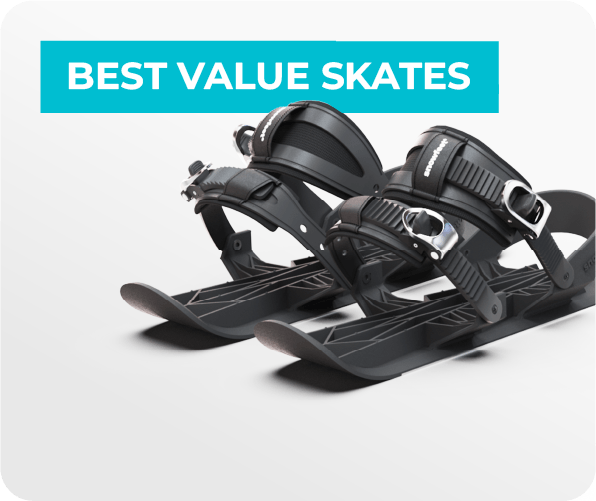
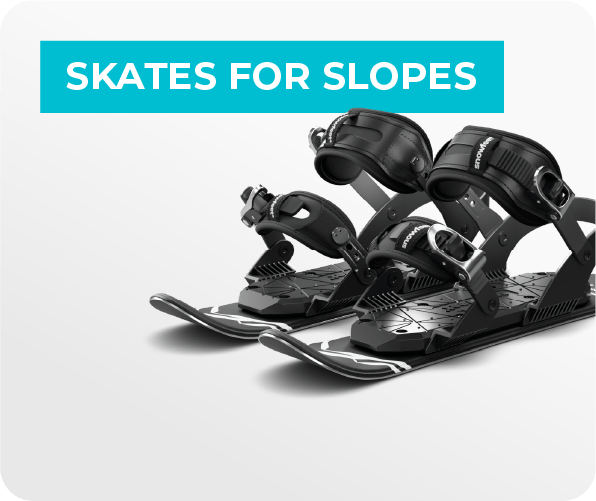
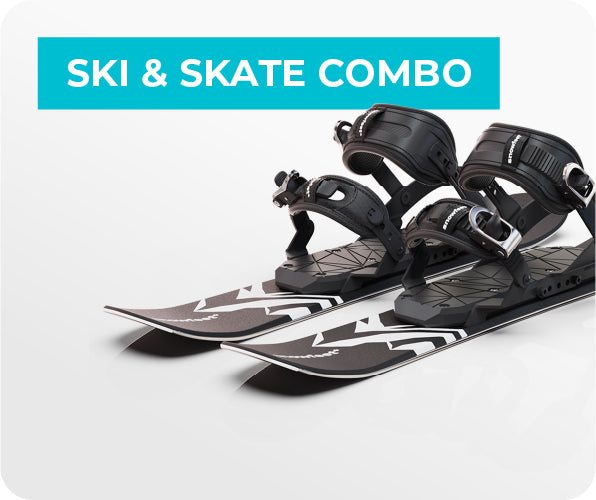
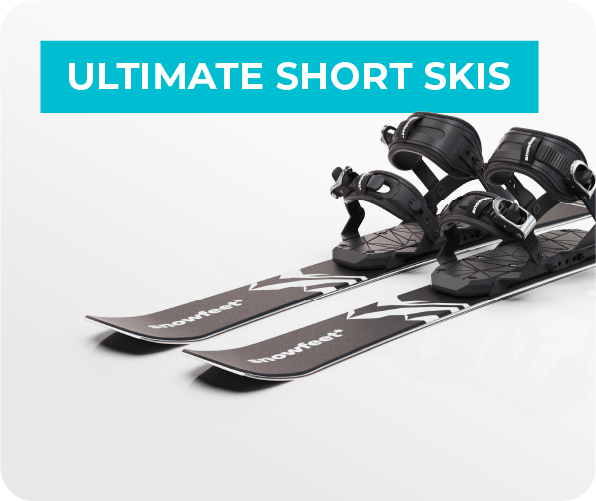
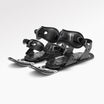
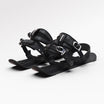
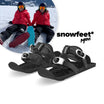
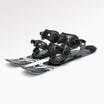
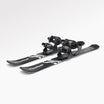
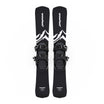
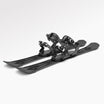
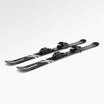
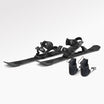
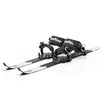
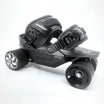
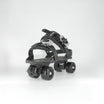
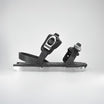
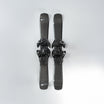

Snowblades and skiblades are two names for the same short-ski category. My advice: shop by length, core, and bindings - not the label. For casual resort laps, I’d start with the Snowfeet* 99 cm (39 in), then check boot fit and whether the bindings release.
Salomon helped popularize Snowblades in the late 1990s. Compared with those foam-core models, today’s wood-core Snowfeet* skis offer more boot and binding choices. Here’s how I’d narrow them down.
Quick Comparison
| Feature | Classic Salomon Snowblades | Snowfeet* 65 cm (25.6 in) | Snowfeet* 99 cm (39 in) | Snowfeet* 120 cm (47.2 in) |
|---|---|---|---|---|
| Core | Foam | Wood | Wood | Wood |
| Ride | Light and playful | Skate-like; tight turns | Balance of turns and stability | Most ski-like of these three |
| Boots | Ski boots | Ski or snowboard boots | Ski or snowboard boots | Ski boots |
| Bindings | Mostly non-release; varies by model | Non-release | Release or non-release | Pro release |
Boot fit depends on the binding version. <u>Non-release bindings don’t release in a fall.</u> I’d check the exact setup, size limits, and resort rules before buying - and have a ski shop set up release bindings.
Want spins and easy transport? Think 65 cm. Want a middle ground? Think 99 cm. Want longer carves and more stability? Think 120 cm. None replaces full-length skis for speed or deep powder.
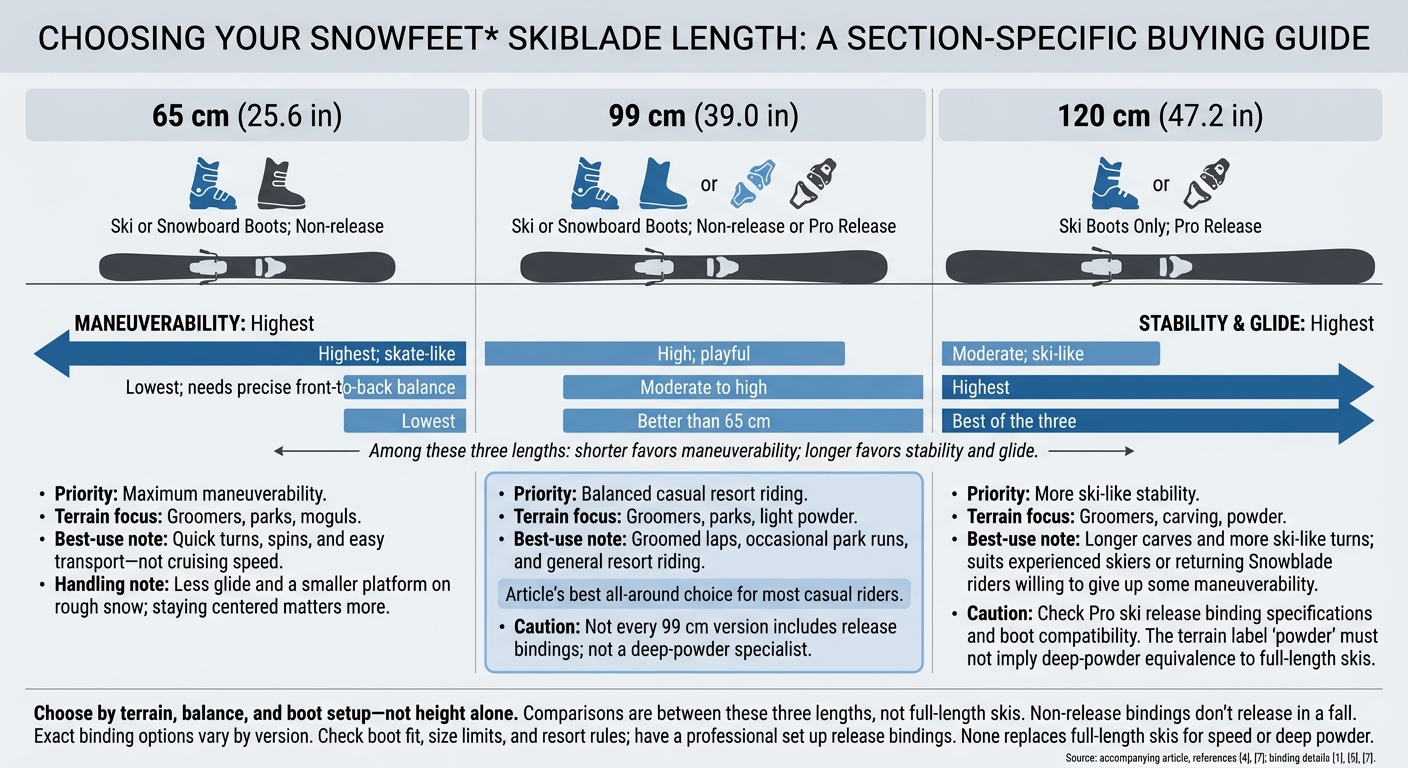
Snowfeet* Skiblades: 65 vs 99 vs 120 cm
Snowfeet* Snowblades | Skiboards | Skiblades | Short Skis - Complete Guide | All you need to know
Snowblades vs Skiblades: Names and History
Short skis is an umbrella term for snowblades, skiblades, and skiboards. Skiboards usually refers to broader twin-tip short skis built much like snowboards.
From Kneissl Bigfoot to Salomon Snowblades
Kneissl’s Bigfoot dates back to the 1970s. Salomon brought Snowblades into the mainstream in 1998, keeping the focus on quick turns and an easy learning curve.
Skiboarding also appeared in the Winter X Games from 1998 through 2000, putting the sport in front of a large audience.
But the name isn’t the main difference. The build and binding setup matter more.
What Changed in Short-Ski Design
The biggest change is the range of setups you can choose from. There’s no clear dividing line between “old snowblades” and “new skiblades.”
| Feature | Typical 1990s Snowblades | Modern Snowfeet* Skiblades |
|---|---|---|
| Construction | Foam cores were common | Wood cores add damping and stability |
| Bindings | Mostly non-release clip-on systems | Release and non-release ski-binding options, plus snowboard-boot bindings |
| Boot fit | Mostly ski boots, sometimes soft skiboard boots | Ski boots or snowboard boots |
Sources:
You can see those changes in the construction and bindings when comparing classic Salomon Snowblades with Snowfeet* Skiblades.
Classic Salomon Snowblades vs Snowfeet* Skiblades
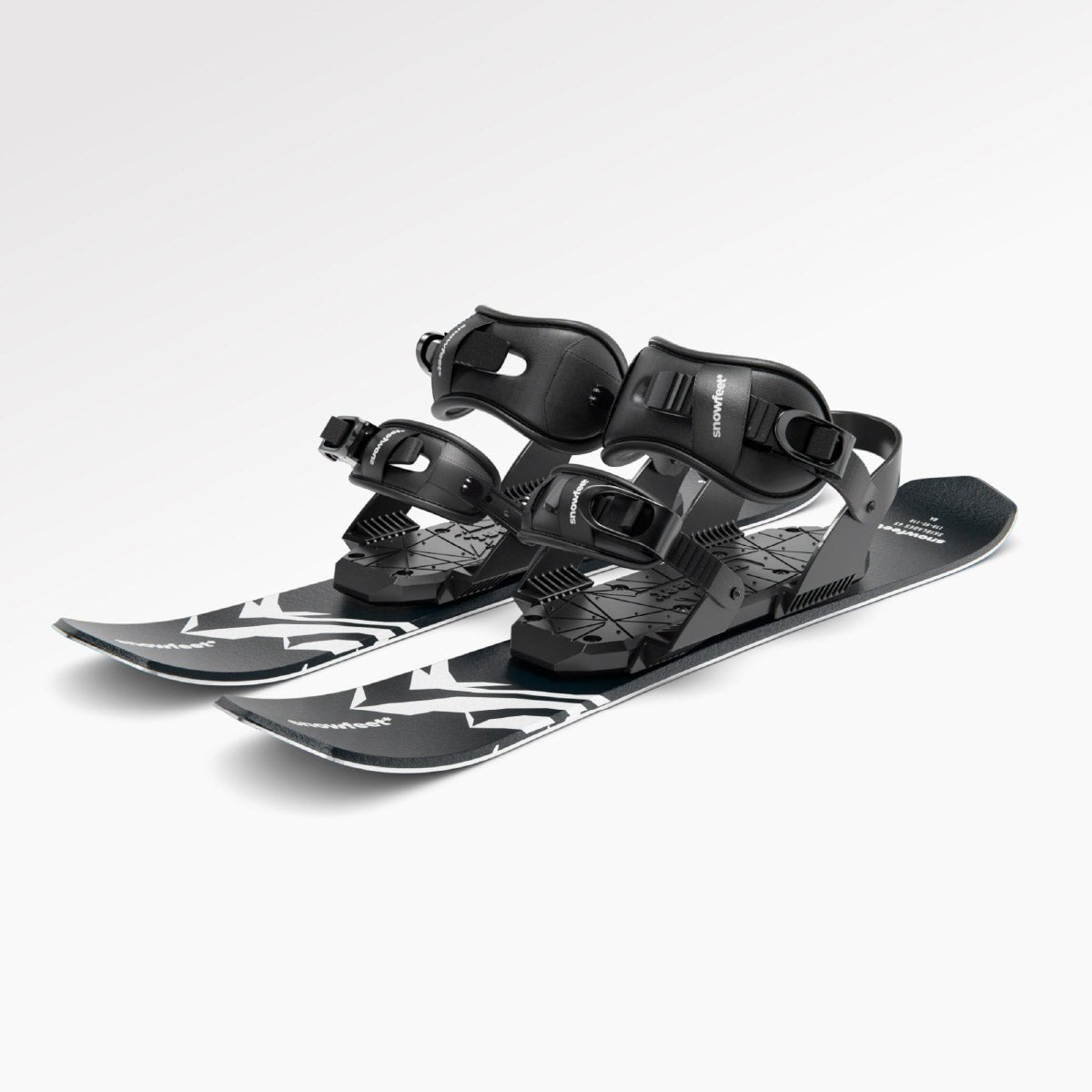
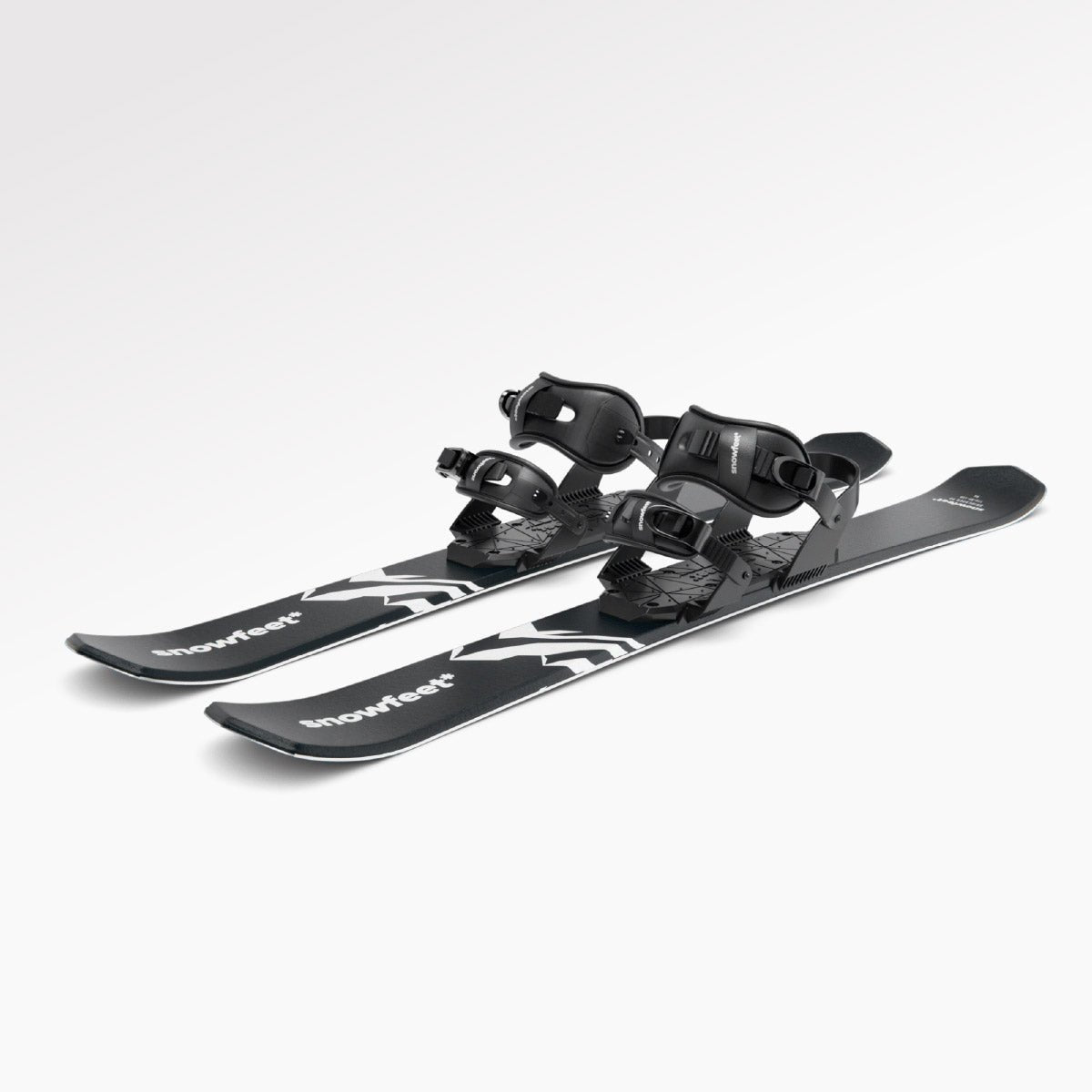
Classic Salomon Snowblades differed by model year, so check the exact pair. This comparison covers wood-core Snowfeet* models and their binding options. Here’s how the hardware differs - not just the name.
| Feature | Classic Salomon Snowblades | Snowfeet* 65 cm | Snowfeet* 99 cm | Snowfeet* 120 cm |
|---|---|---|---|---|
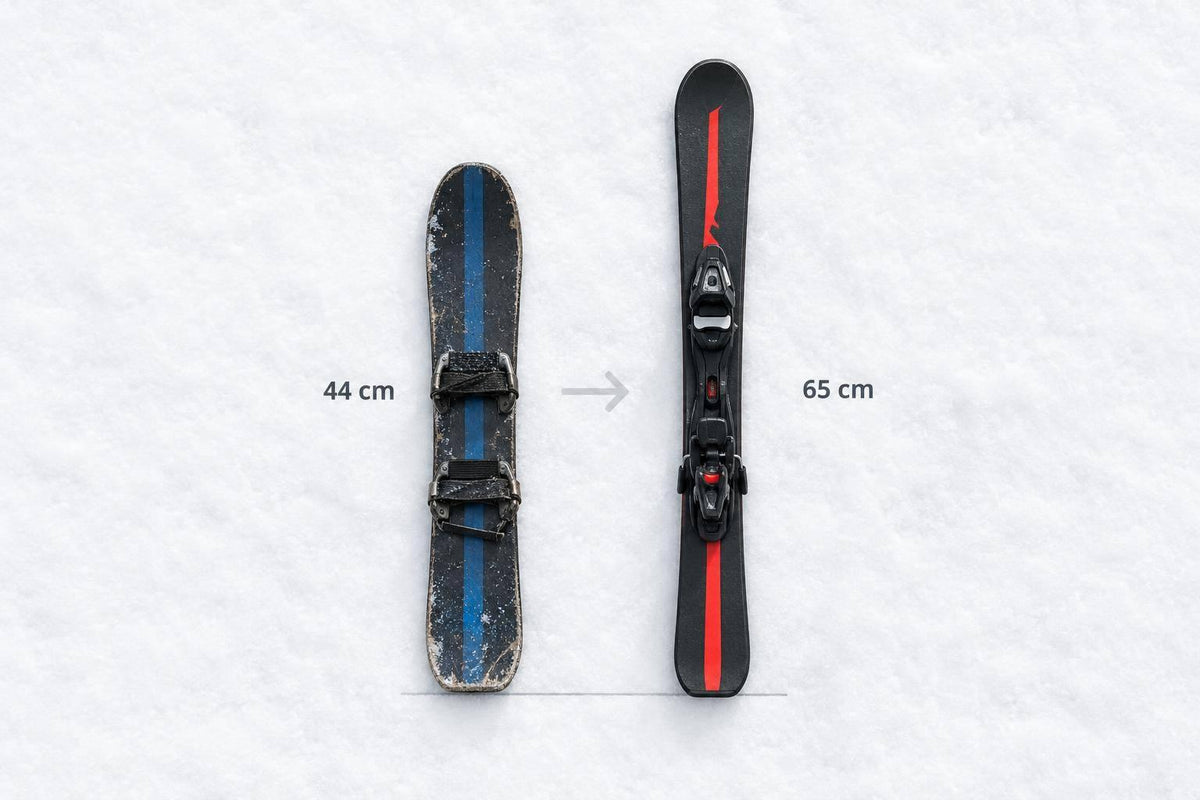
| Length | Typical lengths: 24.0–39.0 in (61–99 cm) | 25.6 in (65 cm) | 39.0 in (99 cm) | 47.2 in (120 cm) |
| Construction | Foam core; narrow profile | Wood core; twin-tip shape | Wood core | Wood core |
| Bindings | Mostly non-release; some later 90 and 99 cm models had release bindings | Non-release ski-boot or snowboard-boot bindings | Non-release ski-boot, snowboard-boot, or Pro release ski-boot bindings | Pro release ski-boot binding |
| Boot compatibility | Ski boots | Ski boots with ski-boot bindings; snowboard boots with snowboard-boot bindings | Ski or snowboard boots, depending on the binding | Ski boots |
| Riding feel | Light, playful, and ski-like; some models chatter at speed | Closest to skating on snow; quick turns call for centered balance | A balance of easy turns and stability | Most ski-like and stable of these three lengths |
Sources:. Binding availability depends on the version.
Construction, Shape, and Handling
Classic Salomon Snowblades used foam cores, which kept them light but less stable at speed. Snowfeet* wood cores add stability while keeping that short-ski feel.
The 65 cm model is the easiest to turn. The 99 cm and 120 cm models offer more stability.
Bindings, Release Options, and Boot Fit
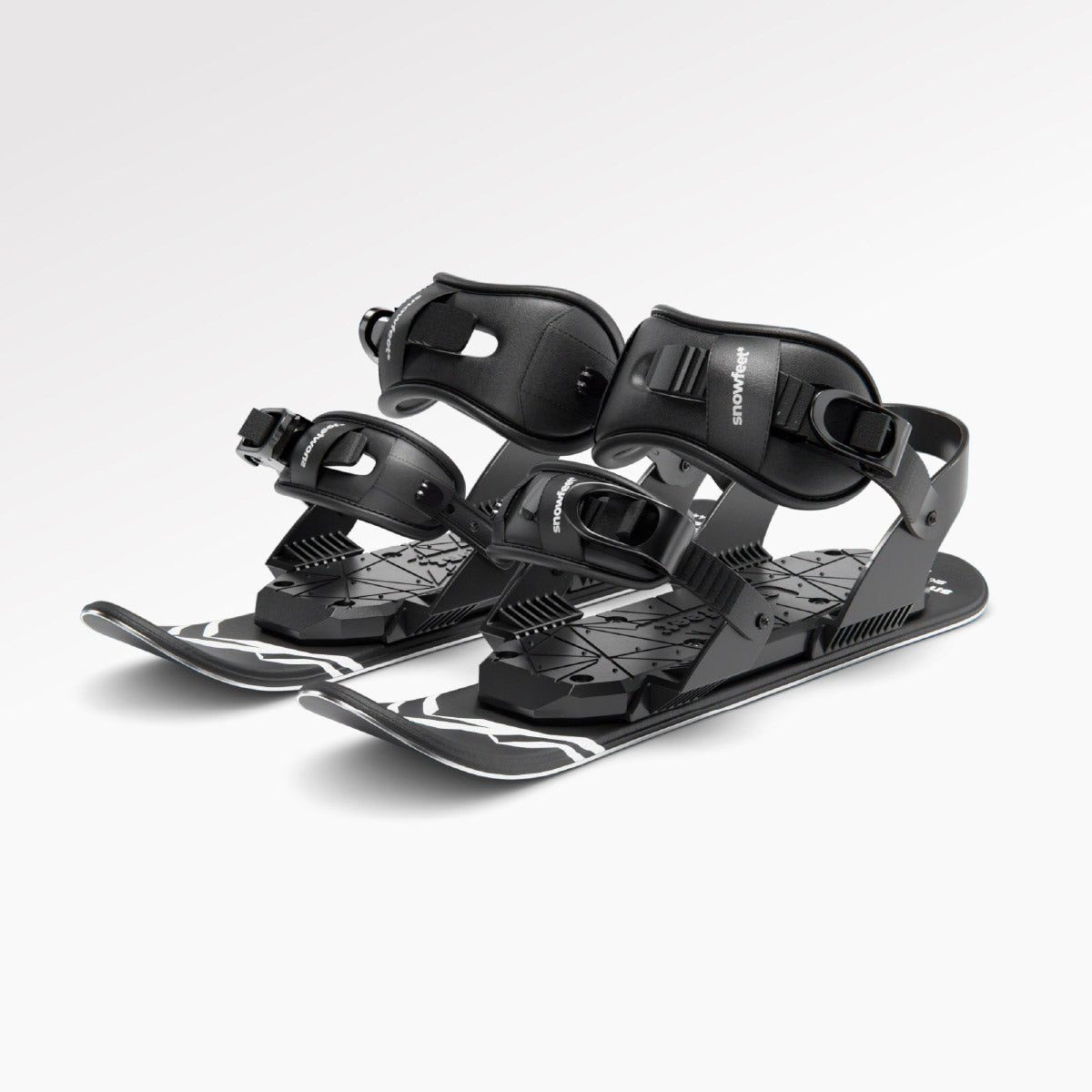
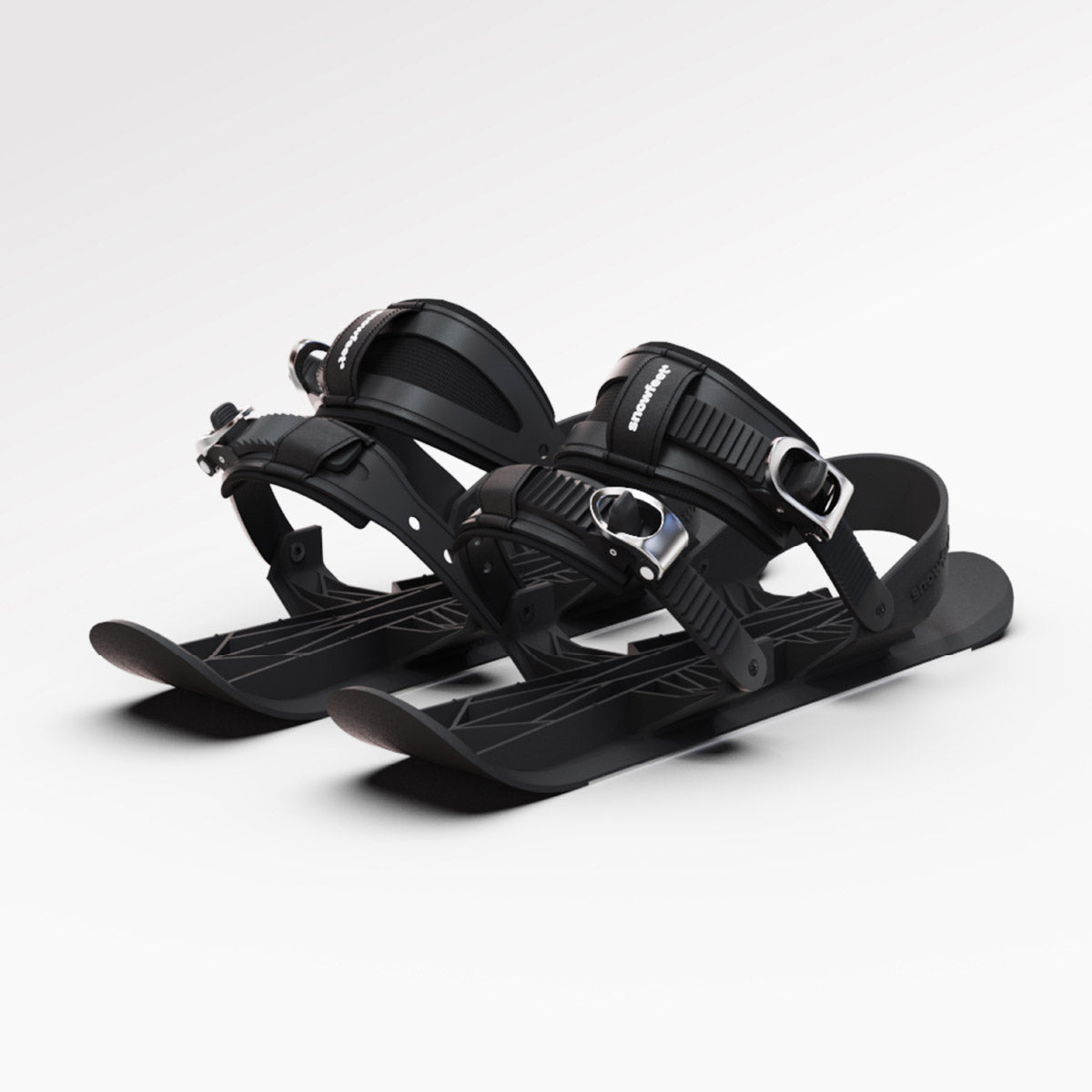
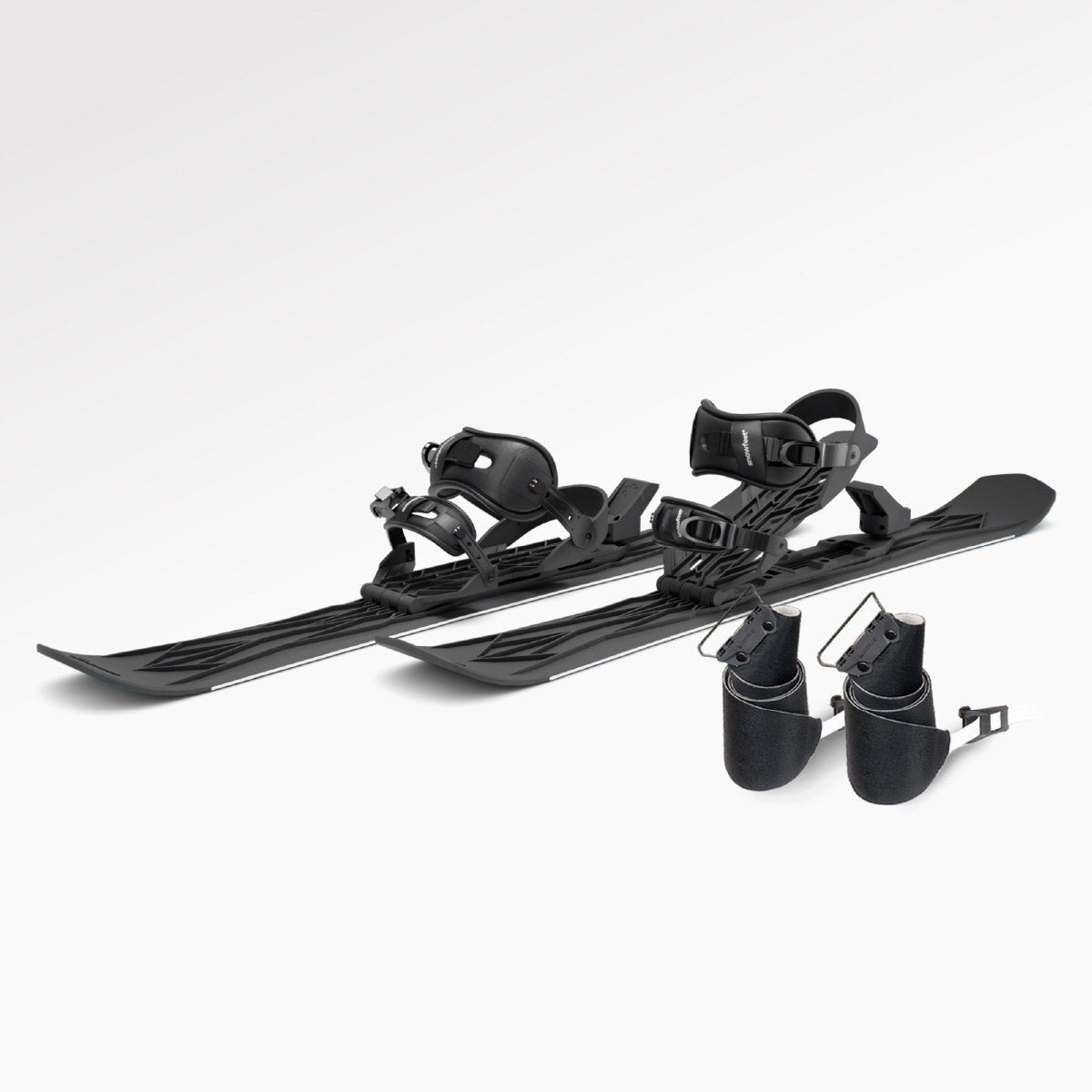
Non-release bindings don’t release in a fall. Snowfeet* 65 cm models use non-release bindings for either ski boots or snowboard boots. The 99 cm offers those choices plus a Pro release ski-boot option. The 120 cm comes with a Pro release ski-boot binding and works only with ski boots.
For most casual riders, the 99 cm is the best middle ground. Once you’ve picked your boot and binding setup, length is the next choice.
sbb-itb-17ade95
Which Snowfeet* Length Should You Choose?
Once you’ve picked your boots and bindings, it’s time to choose a length. Base your choice on terrain, balance, and boot setup - not height alone. These modern Snowfeet* models are part of the same evolved snowblade/skiblade category. The comparisons below are between these three lengths, not full-length skis.
| Factor | 65 cm (25.6 in) | 99 cm (39.0 in) | 120 cm (47.2 in) |
|---|---|---|---|
| Maneuverability | Highest; skate-like | High; playful | Moderate; ski-like |
| Relative stability | Lowest; needs precise front-to-back balance | Moderate to high | Highest |
| Glide | Lowest | Better than 65 cm | Best of the three |
| Terrain focus | Groomers, parks, moguls | Groomers, parks, light powder | Groomers, carving, powder |
| Typical binding options | Ski- or snowboard-boot bindings | Ski-boot, snowboard-boot, or release bindings | Pro ski release bindings |
Exact binding options vary by version.
65 cm: Compact and Playful
Choose 65 cm for quick turns, spins, and easy transport - not cruising speed. The skate-like feel makes pivots easy, but you get less glide and a smaller platform on rough snow. Staying centered matters more with this length. Check the boot requirements before buying: snowboard boots need the snowboard-binding version.
99 cm: A Balanced Choice for Casual Resort Riding
For most casual riders, 99 cm is the best all-around choice. It’s the easiest middle ground for groomed laps, occasional park runs, and general resort riding. It’s also the closest match to classic ’90s snowblades. Still, expect a learning curve, and don’t treat it as a deep-powder specialist. Want release bindings? Check the exact setup - not every 99 cm version includes them.
120 cm: More Stability and Ski-Like Turns
Choose 120 cm for the most stability, glide, and ski-like turns of the three. This length suits experienced skiers or returning Snowblade riders who like longer carves and don’t mind giving up some maneuverability. Before ordering, check the Pro ski release binding specs and boot compatibility.
Conclusion: Choose by Length and Setup, Not the Name
Snowblades and skiblades are overlapping names. What matters is their length, build, and bindings.
| Your priority | Best fit |
|---|---|
| Maximum maneuverability | Snowfeet* 65 cm (25.6 in) |
| Balanced casual resort riding | Snowfeet* 99 cm (39.0 in) |
| More ski-like stability | Snowfeet* 120 cm (47.2 in) |
Long skis still win for speed, deep powder, and advanced alpine skiing. The 120 cm option feels closest to a full-length ski, but it’s not a replacement.
Before buying, check the exact bindings, boot fit, size limits, and resort rules. Have a professional set up release bindings.
For most casual resort buyers, Snowfeet* 99 cm is the best pick.
FAQs
How hard is switching from long skis to Snowfeet* Skiblades?
Switching to Snowfeet Skiblades* is usually easy. They’re less bulky than long skis, and their forgiving flex helps prevent the twitchy feel of vintage snowblades. Turns start in a smooth, predictable way, so most riders get comfortable fast.
Depending on the model, you can use your own ski boots, snowboard boots, or winter shoes. That means less need for special gear.
How can I check whether my boots fit Snowfeet* bindings?
Check your Snowfeet model’s length and binding type* before choosing boots. The 65 cm (about 26 in) and 99 cm (about 39 in) Skiblades work with ski boots or snowboard boots, depending on their bindings. The 120 cm (about 47 in) models require standard ski boots for proper ankle support and safety.
All Snowfeet* bindings adjust to fit a wide range of boot sizes. Make sure your boots match the ski or snowboard binding type listed for your model.
What should I check before taking Snowfeet* Skiblades to a resort?
Match your boots to your Skiblades’ bindings. The 65 cm (about 26-inch) and 99 cm (about 39-inch) models work with ski boots or snowboard boots, depending on the bindings. The 120 cm (about 47-inch) model requires standard ski boots and integrated release bindings for safety and control.
Buying vintage snowblades? Check for cracked plastic, rust, and loose parts. Also, confirm that the bindings are still indemnified - many shops won’t service older gear that’s no longer covered by the manufacturer’s indemnification program.



Lämna en kommentar
Denna webbplats är skyddad av hCaptcha och hCaptchas integritetspolicy . Användarvillkor gäller.