
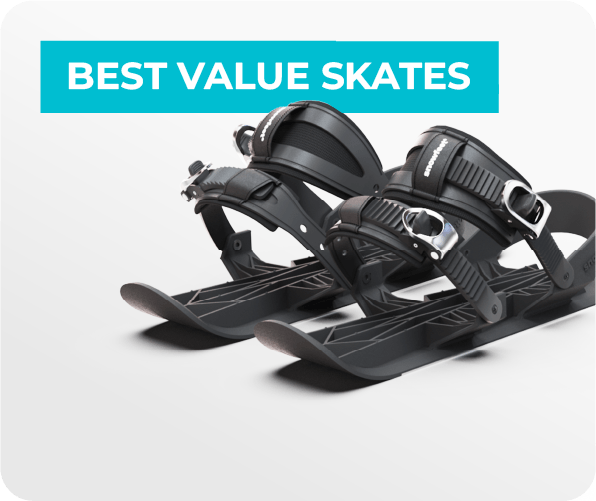
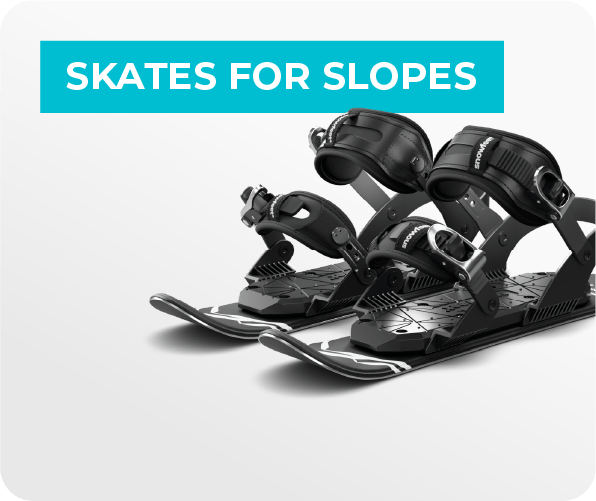
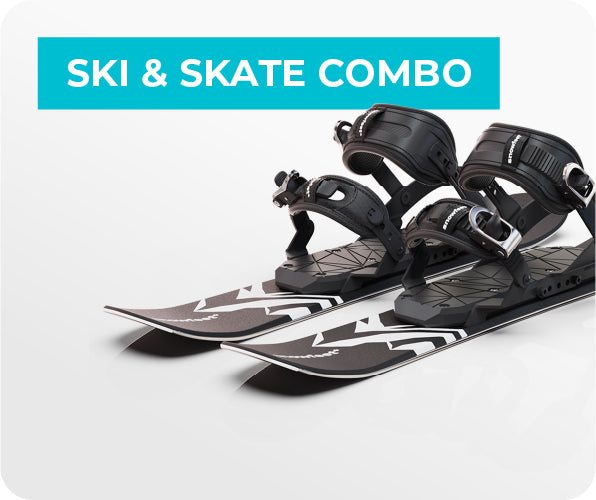
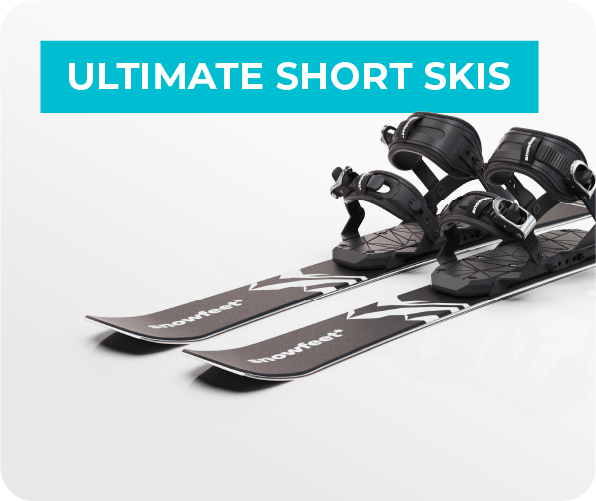
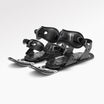
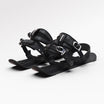
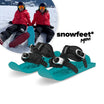
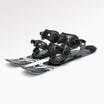
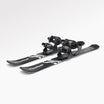
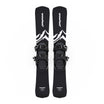
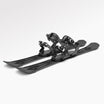
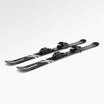
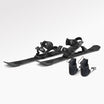
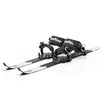
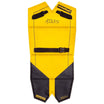
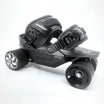
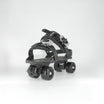
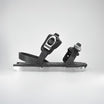
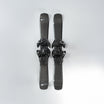
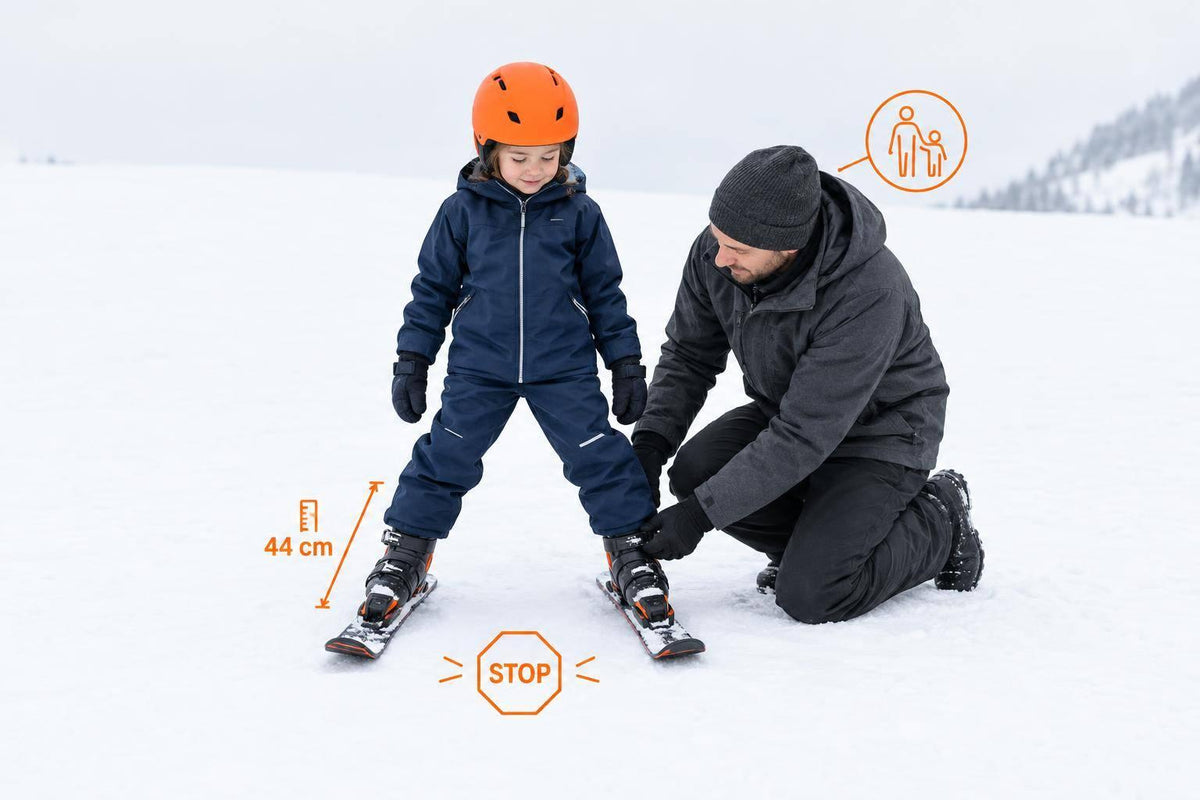
_My take: readiness matters more than size - but Snowfeet doesn’t recommend Skiskates for kids under 7._* For older kids, I’d check snug boot fit, balance, and the ability to stop on command before trying the 17.3-inch (44 cm) model.
Here’s what I’d check before heading out:
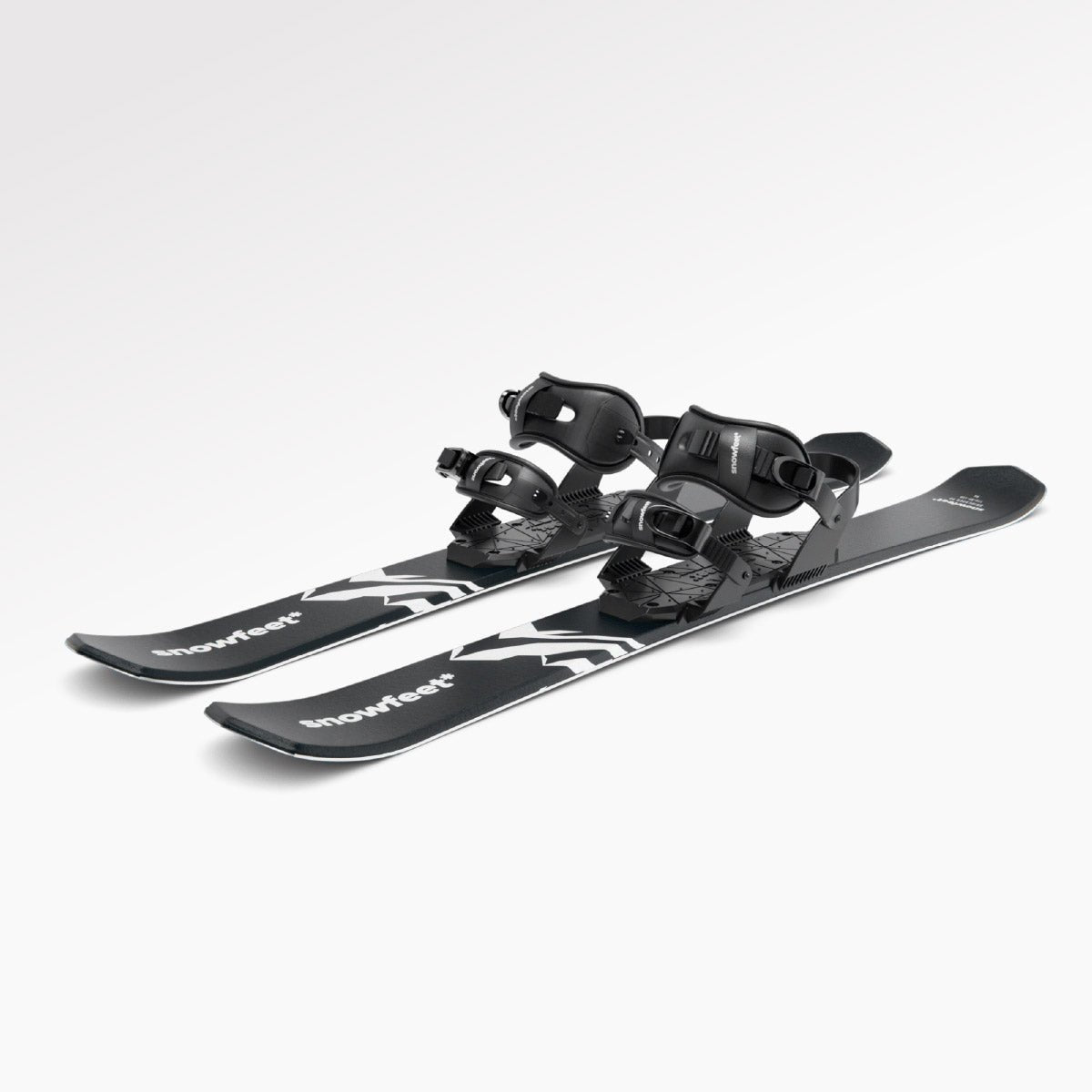
- Fit: The 44 cm model needs compatible ski or snowboard boots - not winter shoes. MINI KIDS may suit smaller feet, but check its fit limits and use guidance.
- Control: Your child needs to follow directions, turn, and stop. Short gear doesn’t mean easy braking; Snowfeet* warns that turning and stopping can be harder than on regular skis.
- Setup: Check resort rules, use a fitted snow-sport helmet, and stay close on gentle, clear terrain. Practice controlled stops before using lifts.
<u>If any readiness check gets a “no,” I’d wait.</u> Lessons or standard kids’ skis may be the better starting point. Small gear is no shortcut to control.
Snowfeet* & Skiskates Complete Guide | All you need to know about Skiskating
Is Your Child Ready for 44 cm Skiskates?
Experience helps, but control on snow and a secure boot fit determine whether your child is ready. Use this checklist to make a clear yes-or-no call.
A Yes-or-No Readiness Checklist
Check each skill in a supervised practice area where the resort allows Skiskates. Don’t assume your child can do it - watch them first.
| Readiness area | Observable behavior | Yes | No |
|---|---|---|---|
| Balance | Stands steadily and glides slowly with knees bent, without falling or grabbing support | ☐ | ☐ |
| Coordination | Moves both legs together in a controlled pattern | ☐ | ☐ |
| Stopping | Slows down and stops on command on gentle terrain | ☐ | ☐ |
| Instructions | Follows directions to slow down, stop, and wait | ☐ | ☐ |
| Boot fit | Boots fit securely, meet the model’s compatibility requirements, and allow safe walking | ☐ | ☐ |
| Discomfort | Speaks up about pain, looseness, or cold | ☐ | ☐ |
Stopping matters more than gliding. Your child must stop on command. Coasting until the ground flattens out doesn’t count. Snowfeet says the wedge slows speed; it doesn’t stop it.
When to Wait Before Riding
Any “no” means wait. If you haven’t tested a skill, readiness is still unconfirmed. Give your child more practice or get professional instruction. Don’t try a harder slope to see if they’ll figure it out.
If the boots fall outside the 44 cm (about 17.3-inch) model’s fit range, consider MINI KIDS instead - but only if your child meets its verified fit requirements and manufacturer guidance. A failed boot-fit check means checking which option, 44 cm Skiskates or MINI KIDS, fits before riding.
Choose Between 44 cm Skiskates and MINI KIDS
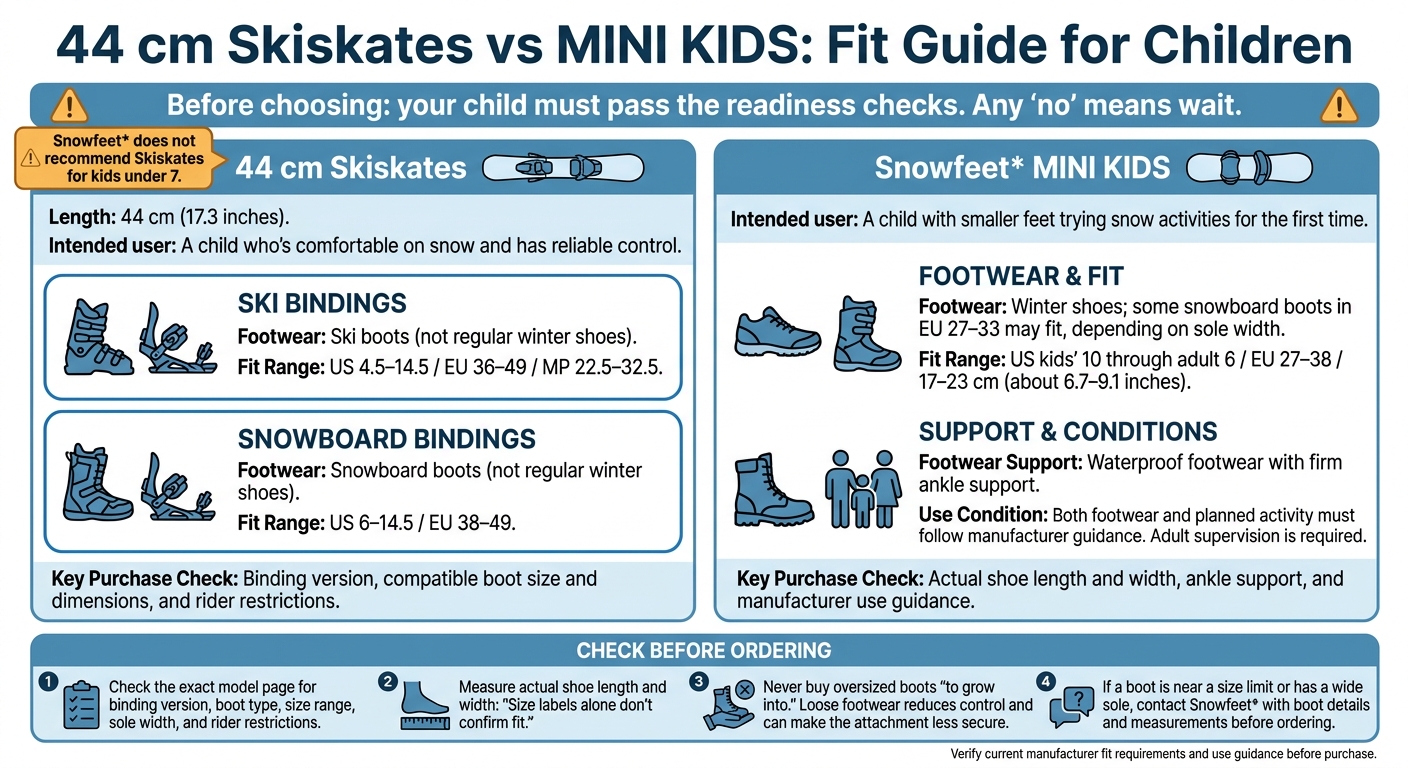
44 cm Skiskates vs MINI KIDS: Fit Guide for Children
Once your child passes the readiness check, compare boot fit, footwear type, and control on snow to choose the right option.
| Decision point | 44 cm Skiskates | Snowfeet* MINI KIDS |
|---|---|---|
| Intended user | A child who’s comfortable on snow and has reliable control | A child with smaller feet trying snow activities for the first time |
| Footwear type | Ski or snowboard boots, based on the binding version - not regular winter shoes | Winter shoes; some snowboard boots in EU 27–33 may fit, depending on sole width |
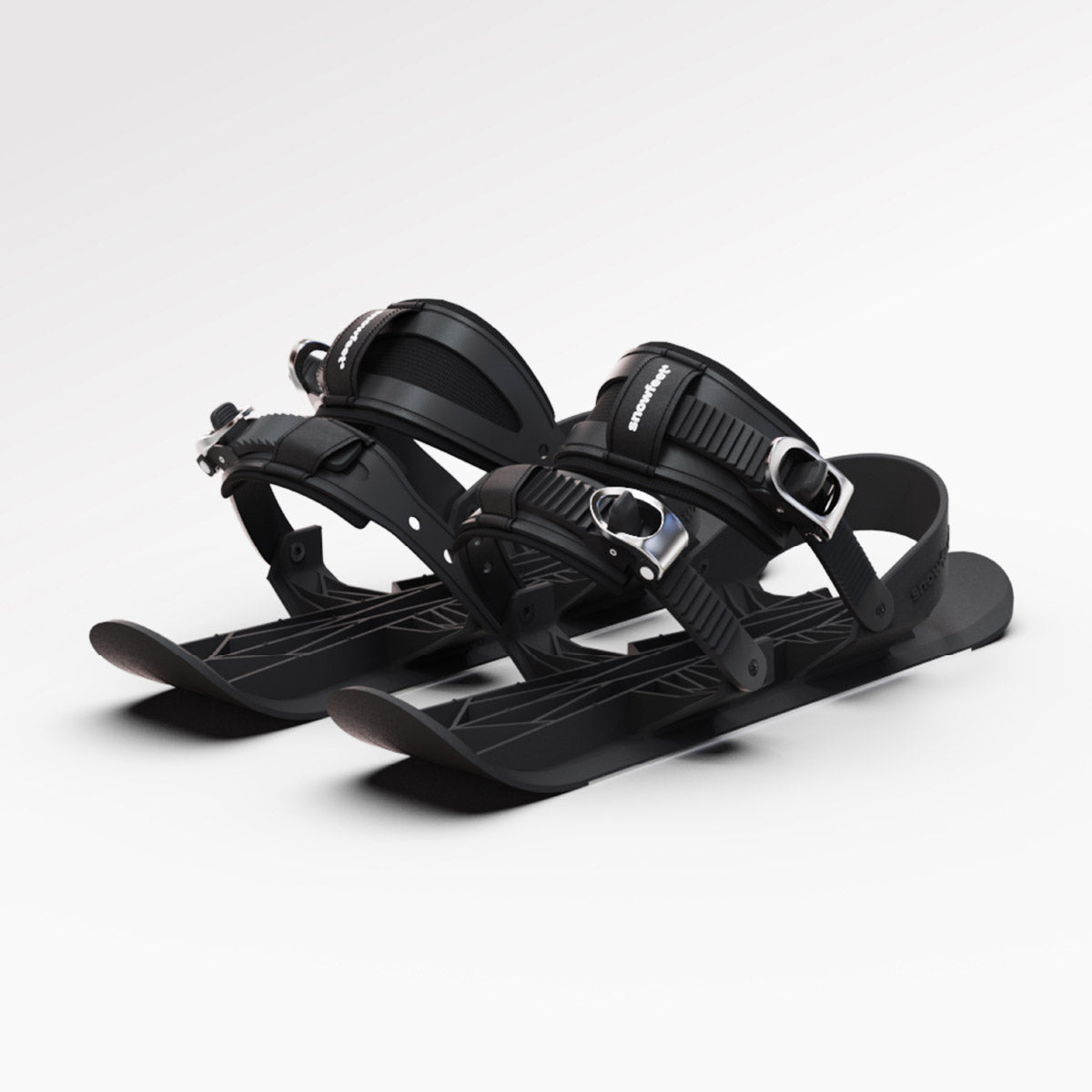
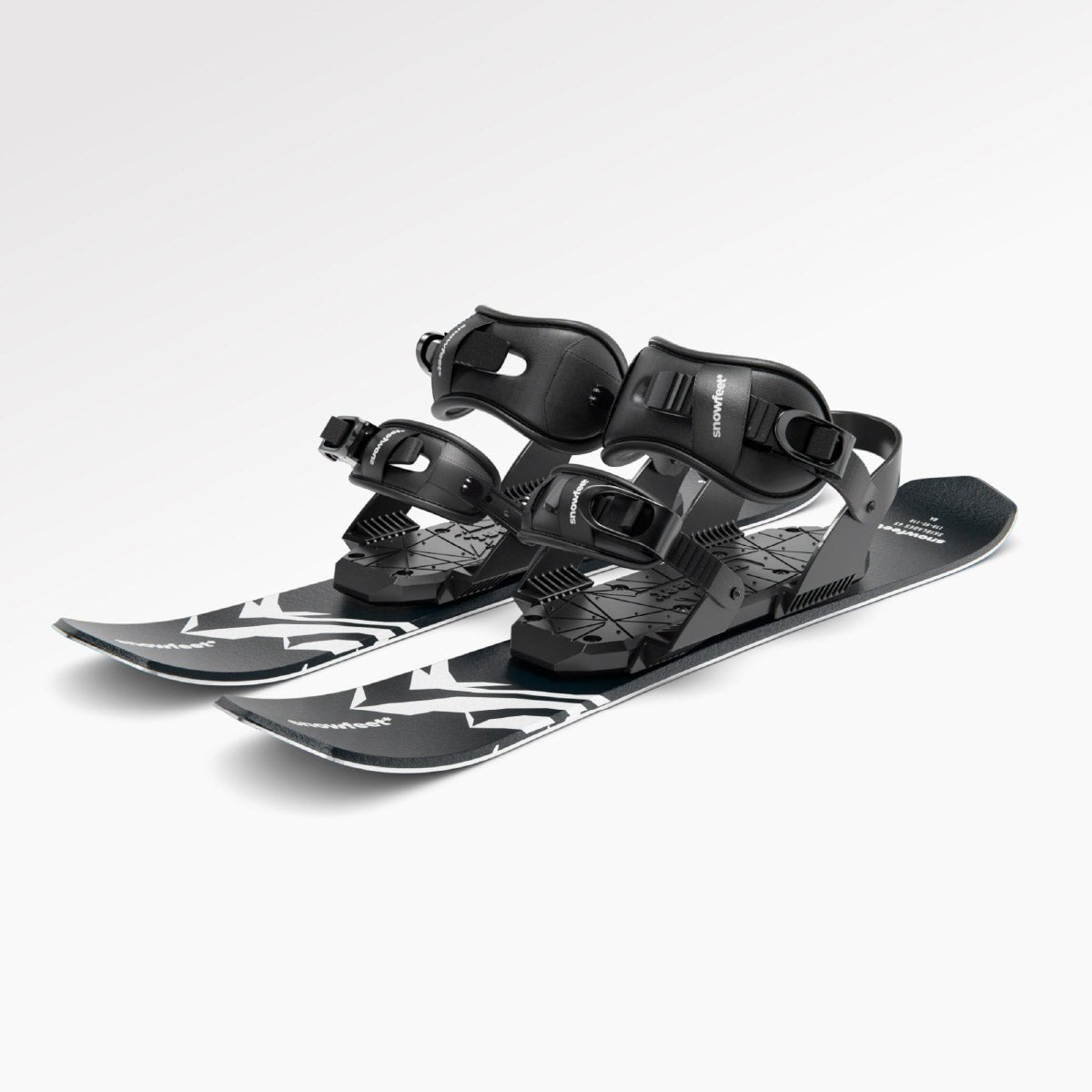
| Fit range | Ski bindings: US 4.5–14.5 / EU 36–49 / MP 22.5–32.5. Snowboard bindings: US 6–14.5 / EU 38–49 | US kids’ 10 through adult 6 / EU 27–38 / 17–23 cm (about 6.7–9.1 inches) |
| Key purchase check | Binding version, compatible boot size and dimensions, and rider restrictions | Actual shoe length and width, ankle support, and manufacturer use guidance |
When 44 cm Skiskates Fit Your Child's Needs
The 44 cm (17.3-inch) design works best for a child who’s already comfortable on snow. Choose the binding version that matches your child’s ski or snowboard boots.
When to Consider MINI KIDS
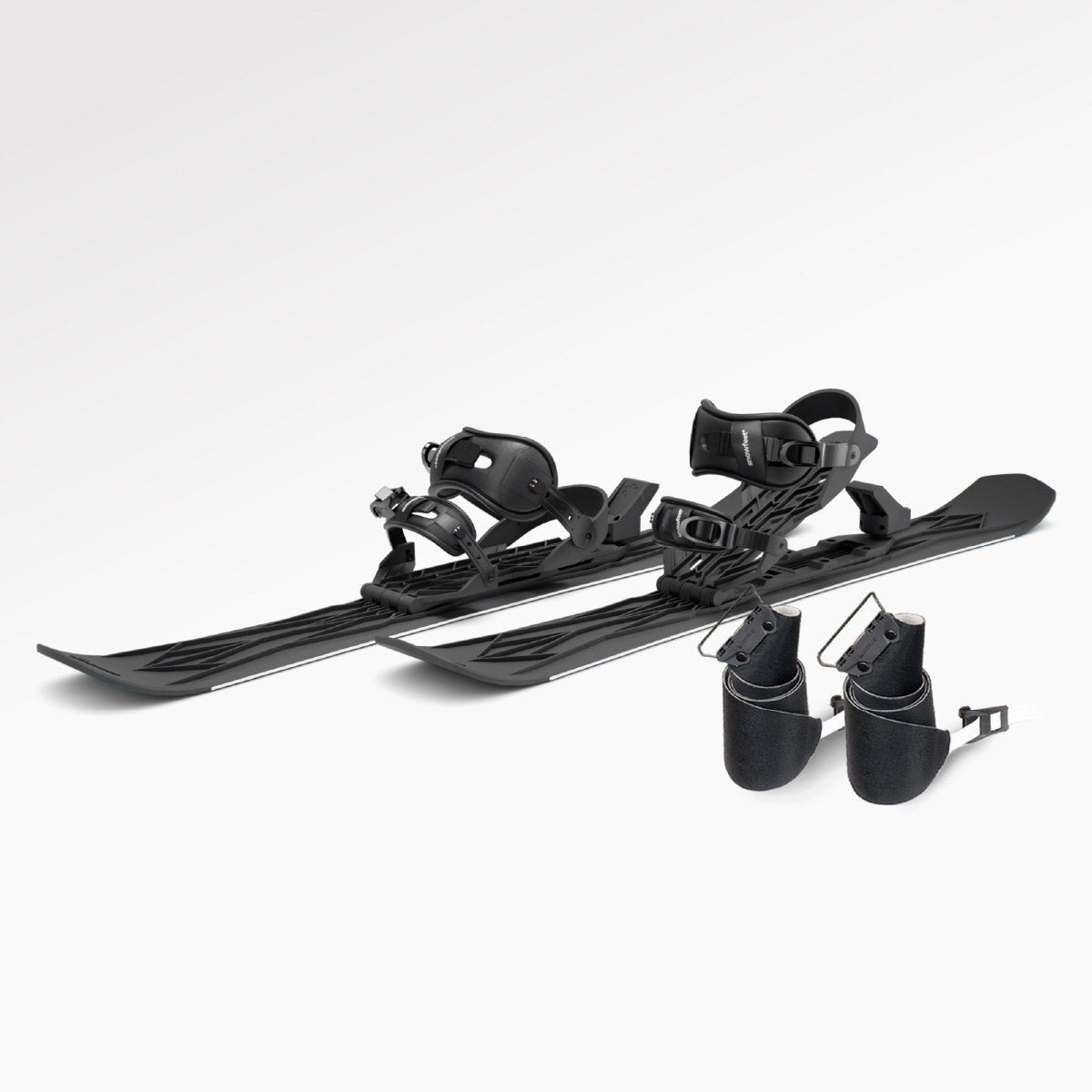
MINI KIDS is better suited to smaller feet and first-time snow use. Pair it with waterproof footwear with firm ankle support. Both the footwear and planned activity must follow manufacturer guidance. Adult supervision is required.
Check Boot and Binding Fit Before Ordering
Before buying, check the exact model page for the binding version, boot type, size range, sole width, and rider restrictions. Measure the actual shoe length and width - size labels alone don’t confirm fit.
Never buy oversized boots “to grow into.” Loose footwear reduces control and can make the attachment less secure. If a boot is near a size limit or has a wide sole, contact Snowfeet* with the boot details and measurements before ordering.
sbb-itb-17ade95
Plan Your Child's First Session
Once you’ve checked fit and readiness, keep your child’s first session simple and controlled.
Check Resort Rules and Safety Gear
Check the resort’s rules for lift access, leashes, and bindings. Inspect screws and bindings before use. Your child needs snug waterproof boots, a properly fitted snow-sport helmet, and gloves. Keep an adult beside them at all times.
Practice Stopping Before Using Lifts
Start in a permitted practice area with a gentle, groomed slope, no obstacles, and a long, flat runout. Work on a balanced stance with bent knees, then practice starting, turning, and stopping.
Snowfeet*’s guidance requires mastering the hockey stop - turning sideways to come to a complete stop. The heel brake only slows you down. Wait to use lifts until your child can repeat the same controlled stop several times.
Watch Snowfeet*’s official tutorial videos before heading out. Keep practice short, take breaks, and stop if your child gets tired or loses control.
Choose Terrain That Matches the Equipment
Stick to gentle, groomed snow with enough coverage. Stay clear of crowds, trees, rocks, fences, and other obstacles. Avoid steep runs, ice, and frozen surfaces.
Snowfeet* warns against using equipment shorter than 19.7 inches (50 cm) in powder deeper than 6 inches (15 cm).
Conclusion: Let Fit and Control Guide Your Choice
Choose based on fit, control, and supervision - not looks. Snowfeet* 44 cm Skiskates are an option only when your child meets the readiness checks. For smaller feet, consider MINI KIDS if its verified fit and guidance match your child’s needs. If your child still lacks basic control, start with lessons or standard children’s skis instead.
Snowfeet*’s compact design may make those first sessions feel less intimidating, but it’s no shortcut. Skiskates aren’t too advanced for every young child. Let readiness guide the choice: use them when your child is ready, wait if they’re not, or consider MINI KIDS if appropriate.
FAQs
Does ice-skating experience help with Skiskates?
Yes, ice-skating experience can give kids a big head start with Snowfeet Skiskates. Their natural, nimble feel calls for balance and moves much like those used in ice skating, inline skating, and hockey.
Kids with these skills often pick up the basics within a day, though each child learns at their own pace. Knowing how to shift their weight, use their edges, and bend their knees helps them get used to Skiskates’ playful, skate-like response.
Can my child take Skiskates lessons?
Yes - if the ski school allows them. Snowfeet notes that standard lessons are better suited to junior or adult skis. Check with the school before bringing 44 cm (about 17-inch) Skiskates.
Lessons should take place on gentle, groomed terrain. Your child should wear a well-fitting helmet and protective gear, and already know how to stop and turn on easy runs. These lessons aren’t for their first day on snow.
When should my child switch from MINI KIDS to Skiskates?
Switch to Skiskates (44 cm) only when your child can start, stop, and link basic turns on gentle terrain without help - and do so each time. Skill matters, not age.
Look for signs that they can balance on one foot for 5–10 seconds, squat and stand back up with ease, and shift their weight calmly.
If your child struggles to control speed, freezes when off balance, or can’t stop on command, stick with MINI KIDS while they build control.



Lämna en kommentar
Denna webbplats är skyddad av hCaptcha och hCaptchas integritetspolicy . Användarvillkor gäller.