
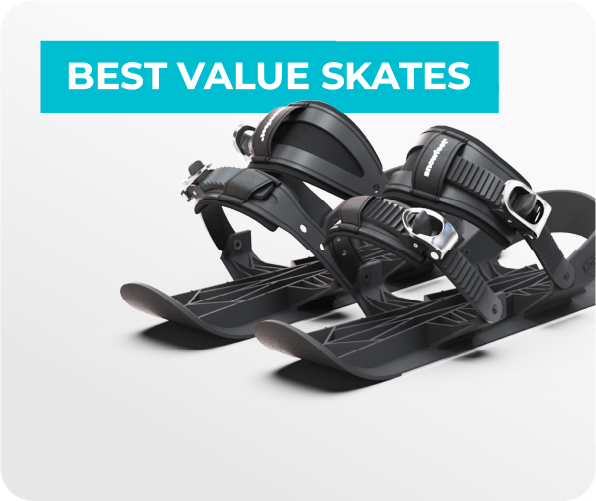
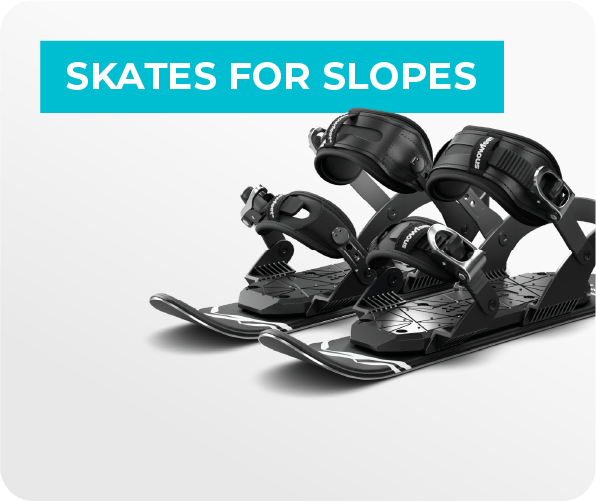
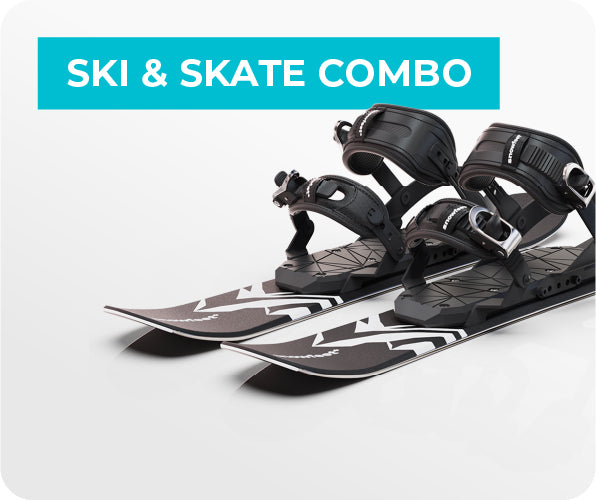
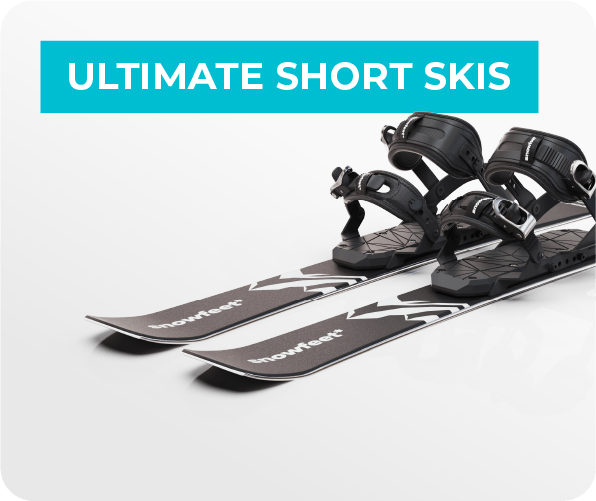
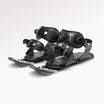
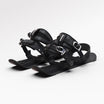
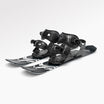
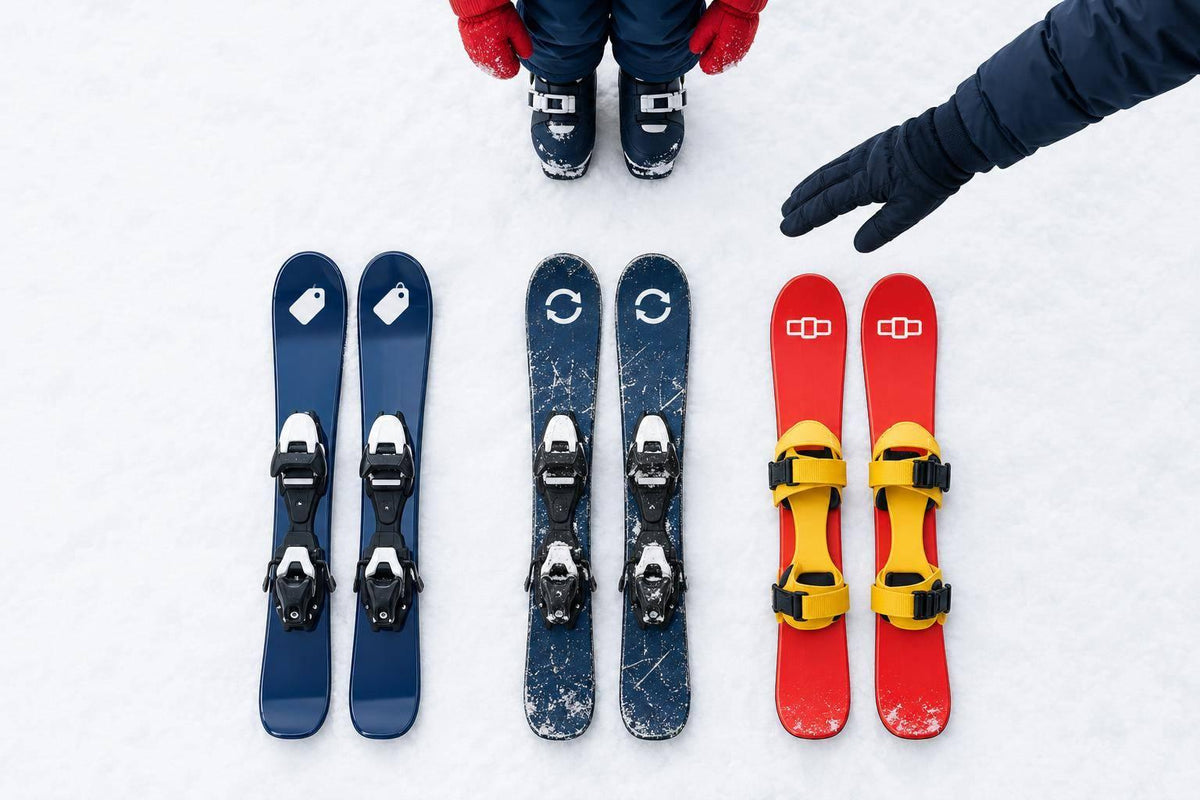
I’d choose skis that fit your child now - not gear they’ll grow into. Kids often outgrow ski gear in 1–2 years, so hand-me-downs can save money. But before you spend on boots or repairs, ask a ski shop to check the bindings, boot match, and condition.
Here’s how I’d weigh your options:
- Hand-me-down junior skis: A good choice for lessons and downhill skiing if they pass the shop’s checks. Free skis still need a budget for boots, service, and repairs.
- New junior skis: Worth considering when used gear doesn’t fit or can’t be serviced. A complete package runs about $250–$500, plus any setup costs.
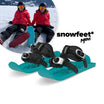
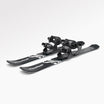
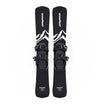
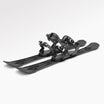
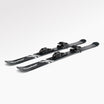
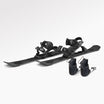
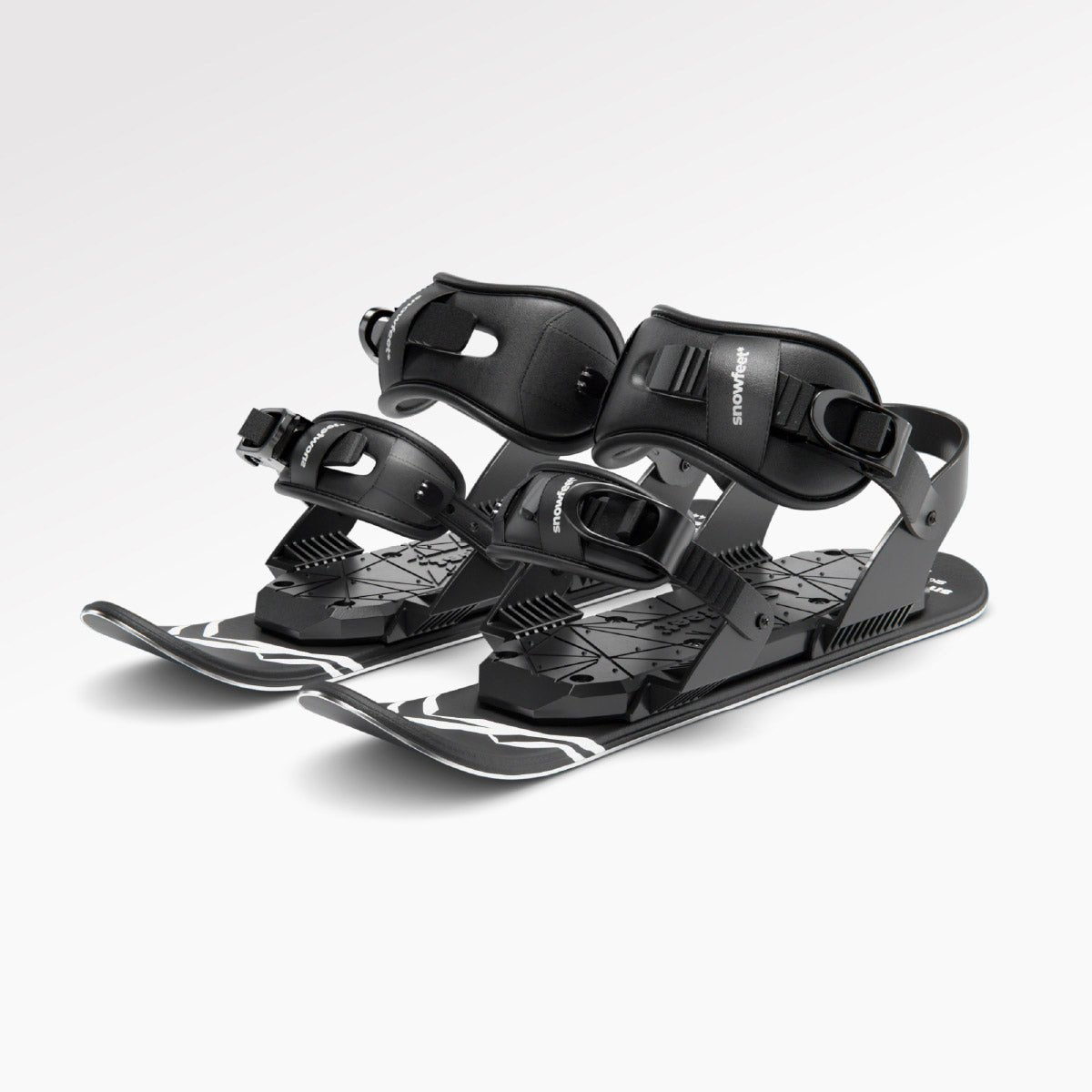
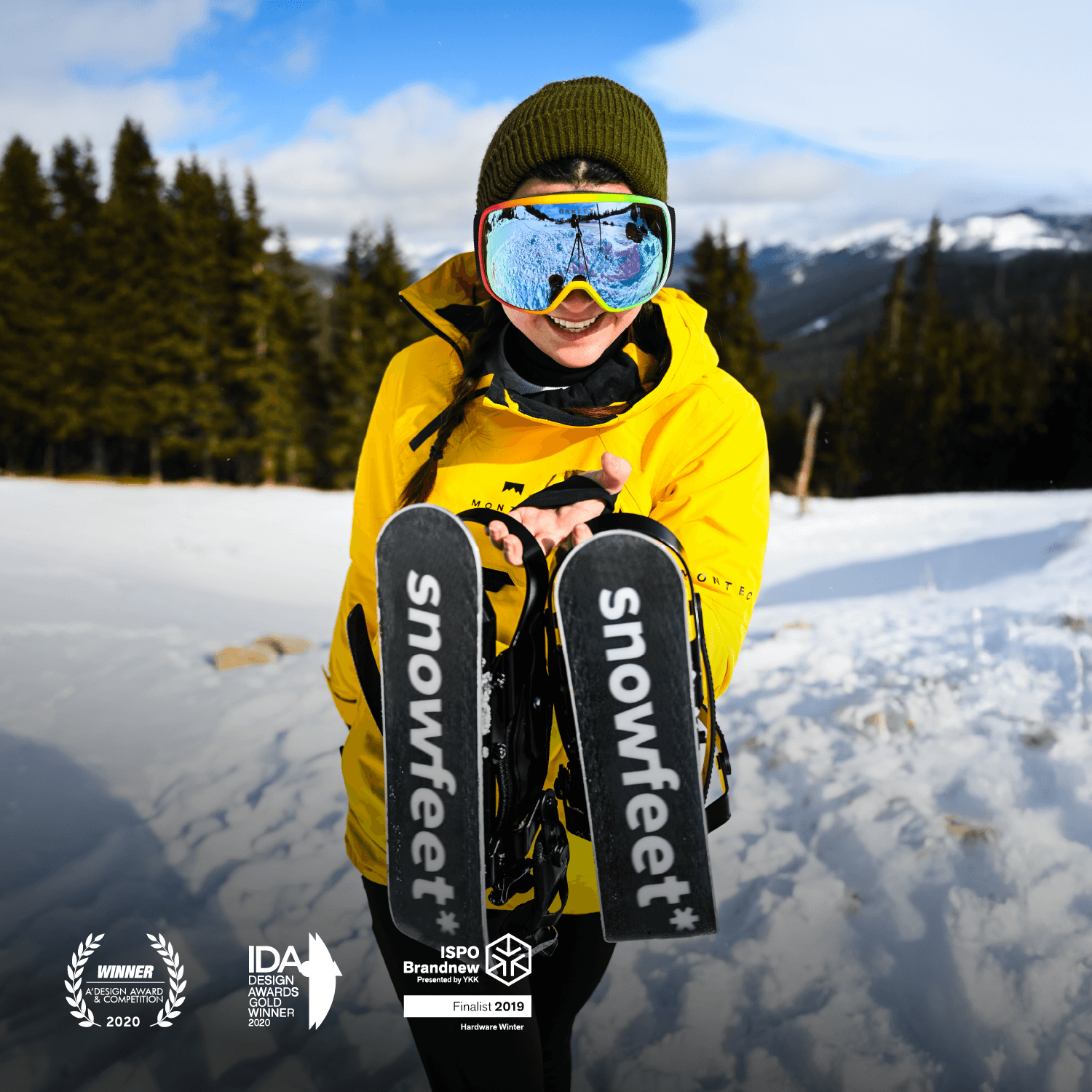
- Snowfeet* MINI KIDS: Listed at $250 for shoe sizes under US 6. An option for casual play, but check footwear fit and resort rules. Don’t assume its straps offer release-binding protection.
<u>My rule: compare the full setup cost, not just the ski price.</u> For lessons, I’d lean toward shop-checked junior skis. For short, casual outings, I’d weigh MINI KIDS once fit, terrain, and local rules check out.
Quick Comparison
| What I’d check | New junior skis | Hand-me-down junior skis | MINI KIDS |
|---|---|---|---|
| Price | About $250–$500 per package | $0 if inherited; used skis about $50–$100 | Listed at $250 |
| Fit | Child’s size, weight, and skill | Same checks as new | Shoe size under US 6; verify model fit |
| Footwear | Compatible ski boots | Compatible ski boots | Approved winter footwear |
| Safety checks | Shop setup and release test | Binding service support, damage check, and release test | Straps, retention devices, and maker’s instructions |
| Best use | Lessons and downhill skills | Same, if checks pass | Casual play where allowed |
The ultimate fun skis for kids. 🎿
New vs Hand-Me-Down Skis: Pros and Cons
Compare the whole setup, not just the skis. Count skis, boots, bindings, and setup costs.
| Factor | New junior skis | Hand-me-down or used junior skis |
|---|---|---|
| Fit and compatibility | Pick the right size and compatible boot sole type. Budget for professional setup. | Check fit and boot sole compatibility before paying for tuning or binding service. |
| Upfront cost | A new complete package costs about $250–$500. | Used skis cost about $50–$100, before boots, tuning, and binding setup. |
| Maintenance | Professional binding setup is required. Warranty coverage depends on the manufacturer’s terms. | May need base repairs, edge work, and binding service. The warranty may not transfer, and shops may limit service. |
| Total cost | Usually fits for 1–2 seasons. Reselling the gear or passing it to another child can help stretch your budget. | Worth choosing only if boots, repairs, and setup bring the total below a comparable new package. Remaining condition and resale value count, too. |
Buy for the size your child needs now. Junior skis and bindings must match your child’s weight, boot size, and release range. Short skis aren’t always made for kids.
After comparing costs and compatibility, use the fit and safety checklist below.
When to Buy New
Buy new if used gear doesn’t offer the right fit, flex, boot compatibility, or serviceable bindings. A known history and warranty coverage can mean fewer unknowns, but neither replaces professional setup.
Check the exact boot sole type, including Alpine, GripWalk, or GripWalk Junior. Fit and service matter more than whether the gear is new or used.
When to Use Hand-Me-Downs
Accept hand-me-down skis only if they fit this season, have no structural damage, and have serviceable bindings. The total after setup should also cost less than a comparable new package.
Before taking them home, send the shop the binding make, model, and approximate year. Bindings older than 10 years, or those the manufacturer no longer supports, usually can’t be serviced.
Skip skis with visible delamination or deep gouges into the core, and boots with cracked shells. Compressed boot liners can also make a low-cost setup a poor choice.
If the skis pass those checks, work through the checklist below.
Fit and Safety Checklist for Parents
Measure Your Child and Check Boot Fit
Record your child’s height, weight, age, and skill level. Use the manufacturer’s sizing guide - not age alone.
Ski boots should feel snug, with no heel lift. Record the boot-sole length in millimeters, not just the boot size, and bring those exact boots to the shop.
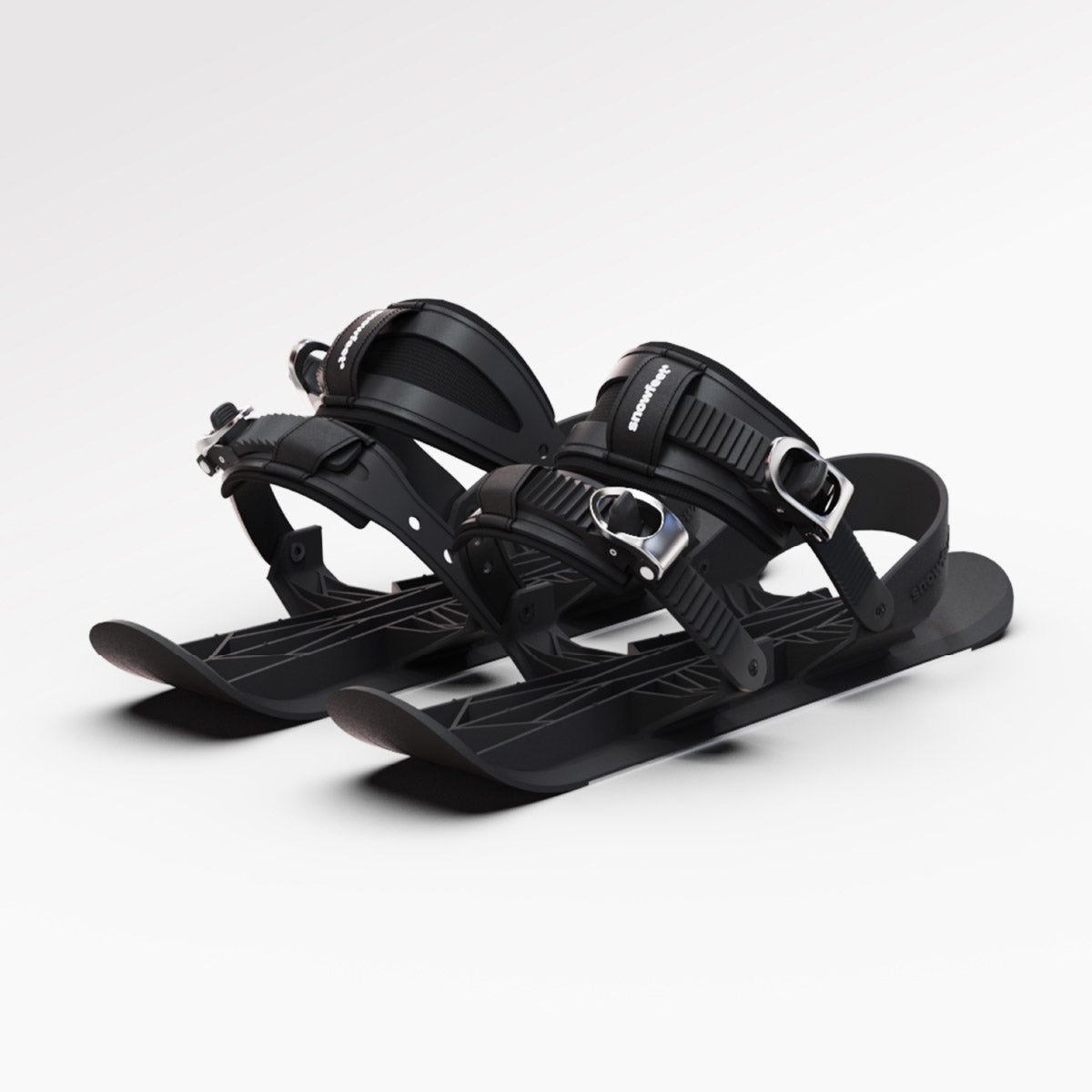
For Snowfeet* strap-on models, follow that model’s footwear and attachment instructions. Straps don’t replace a release binding.
Check Skis, Bindings, and Retention Devices
Inspect the gear in daylight. Check bases, edges, and mounting areas for core shots, edge separation, delamination, or loose mounting hardware. If anything looks questionable, stop using it until a shop checks it.
Look for missing parts, cracked buckles, and frayed straps. If the gear has brakes, make sure they spring down when you remove the boot. Check any required leash as directed by the manufacturer.
Home checks can spot damage. Only a shop can certify fit and release.
| System or task | Parent observation | Shop technician’s work |
|---|---|---|
| Conventional release bindings | Record model details; inspect visible parts and brakes. | Confirm service support; set and test release settings. |
| Ski boots | Check heel hold, buckles, and toe-and-heel sole wear. | Verify boot-sole length and boot compatibility. |
| Release performance | Report boot changes or unusual release behavior. | Perform calibrated release testing. |
| Strap-on or non-release attachments | Inspect straps, buckles, footwear security, and required retention devices. | Seek manufacturer-directed service for damage; a standard binding test does not prove release protection for these systems. |
Get Professional Checks and Recheck After Growth
- Book a preseason check. Bring both skis and the exact boots your child will wear. Never adjust DIN settings yourself.
- Recheck after changes. Return after a boot change, a major growth spurt, or a change in skill level. Stop using damaged gear until it has been assessed.
- Check the helmet’s history. Replace it after any major impact. Skip secondhand helmets if you don’t know their history.
sbb-itb-17ade95
Snowfeet* MINI KIDS vs Junior Skis
Verify MINI KIDS Sizing and Price
Once you’ve checked fit and safety, compare how your child will use each option.
Snowfeet* lists MINI KIDS at $250 for shoe sizes under 6 US. Before buying, check the exact model, footwear fit, and attachment system. Also confirm that your resort or ski school allows it.
| What matters | Snowfeet* MINI KIDS | New or hand-me-down junior skis |
|---|---|---|
| Sizing and length | Under 6 US; check the exact model. | Sized by height, weight, and ability. |
| Footwear | Fits only approved winter shoes/boots. | Requires compatible ski boots. |
| Best for | Casual play and short rides. | Lessons and downhill skill building. |
| Attachment checks | Check the retention system; don’t assume it offers release-binding safety. | Requires serviceable, boot-compatible release bindings. |
| Purchase price | $250. | New packages: $250–$500; used skis: $50–$100. |
The price tag matters, but where your child will ride matters more.
Choose Gear for Where Your Child Rides
Ask your resort or ski school about the exact MINI KIDS model and attachment system - not just “short skis.” For casual outings, check that the terrain matches Snowfeet* guidance.
Junior skis are the better fit for structured lessons and building downhill skills. Properly fitted hand-me-downs can serve that purpose without the cost of new gear.
For casual riders who meet the shoe-size limit, MINI KIDS offers portability, easier transport, and convenience. That’s worth weighing once you’ve confirmed footwear fit, intended use, and local acceptance.
When comparing total cost, use your child’s riding plans as the starting point.
Compare Total Costs Before You Choose
Kids’ Ski Gear: First-Season Cost Comparison
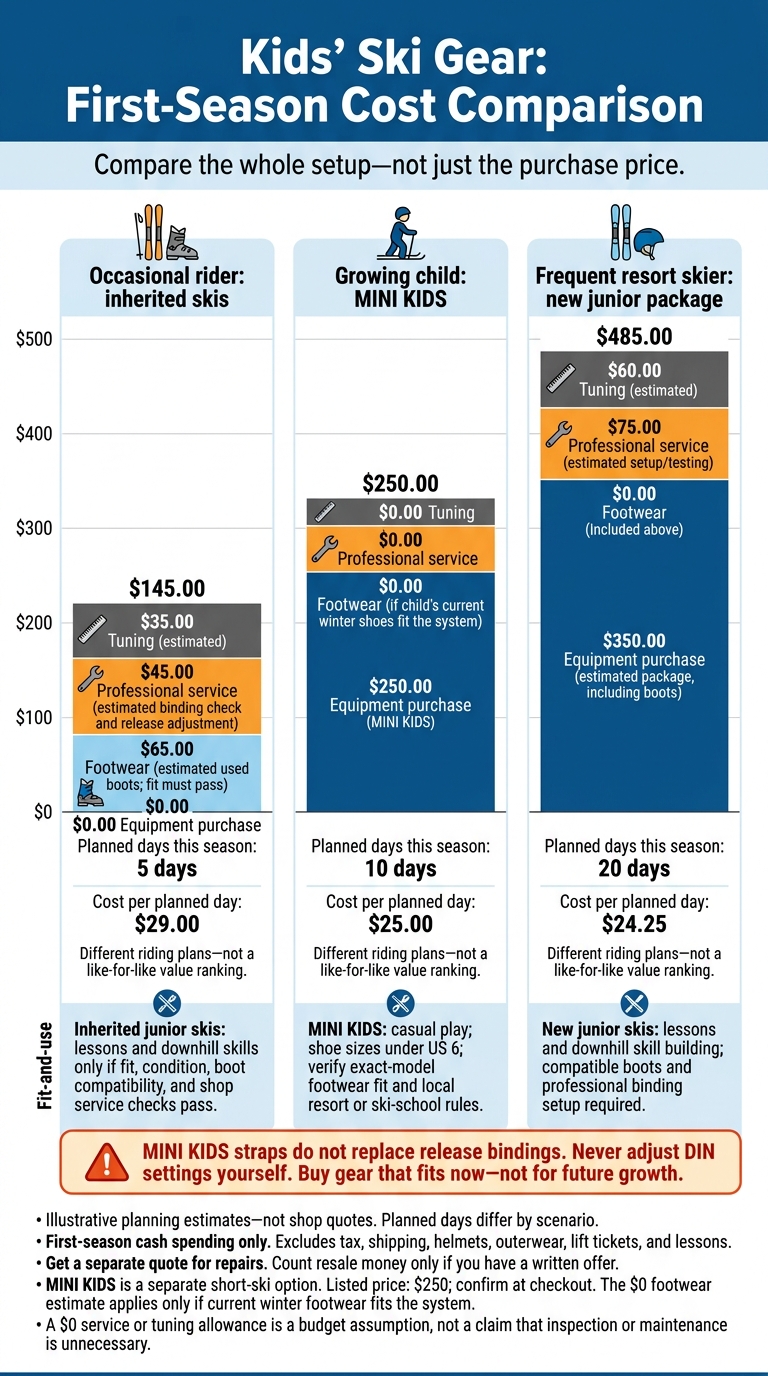
If both options pass the fit check, compare what you’ll spend this season. Look at first-season cost, not just the price tag. The figures below are planning estimates, not shop quotes. MINI KIDS is a separate short-ski option.
Snowfeet* MINI KIDS currently lists at $250 for kids with a US shoe size under 6. Check the price at checkout before buying.
| Seasonal budget item | Occasional rider: inherited skis | Growing child: MINI KIDS | Frequent resort skier: new junior package |
|---|---|---|---|
| Equipment purchase | $0.00 | $250.00 | $350.00 estimated package, including boots |
| Footwear | $65.00 estimated used boots; fit must pass | $0.00 if your child’s current winter shoes fit the system | Included above |
| Professional service | $45.00 estimated binding check and release adjustment | $0.00 | $75.00 estimated setup/testing |
| Tuning | $35.00 estimated | $0.00 | $60.00 estimated |
| Planned days this season | 5 days | 10 days | 20 days |
| First-season total | $145.00 | $250.00 | $485.00 |
| Cost per planned day | $29.00 | $25.00 | $24.25 |
These totals leave out tax, shipping, helmets, outerwear, lift tickets, and lessons. They cover first-season cash spending only. Get a separate quote for repairs, and count resale money only if you have a written offer.
Buy for This Season, Not Future Growth
Once you’ve compared costs, choose gear that fits now and is safe to use.
Reuse skis only if they pass checks for fit, condition, boot compatibility, and shop service. Before spending money on boots or repairs, ask the shop to check the binding model against its current service list. If the shop no longer services that binding, skip it. Never buy oversized boots or skis for growth room.
Choose new conventional junior skis when lessons and regular downhill skiing justify the added boot and binding costs. For casual sessions, Snowfeet* MINI KIDS is an option if your child’s footwear fits and local rules allow it. Its simpler setup avoids separate ski-boot purchases and release-binding setup.
FAQs
How can I tell if my child has outgrown their skis?
A growth spurt - or a jump in skill - can leave your child needing new skis. Match their skis to their height and weight, and expect to replace them every 1–2 years. Boots should fit snugly, with no heel lift.
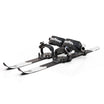
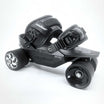
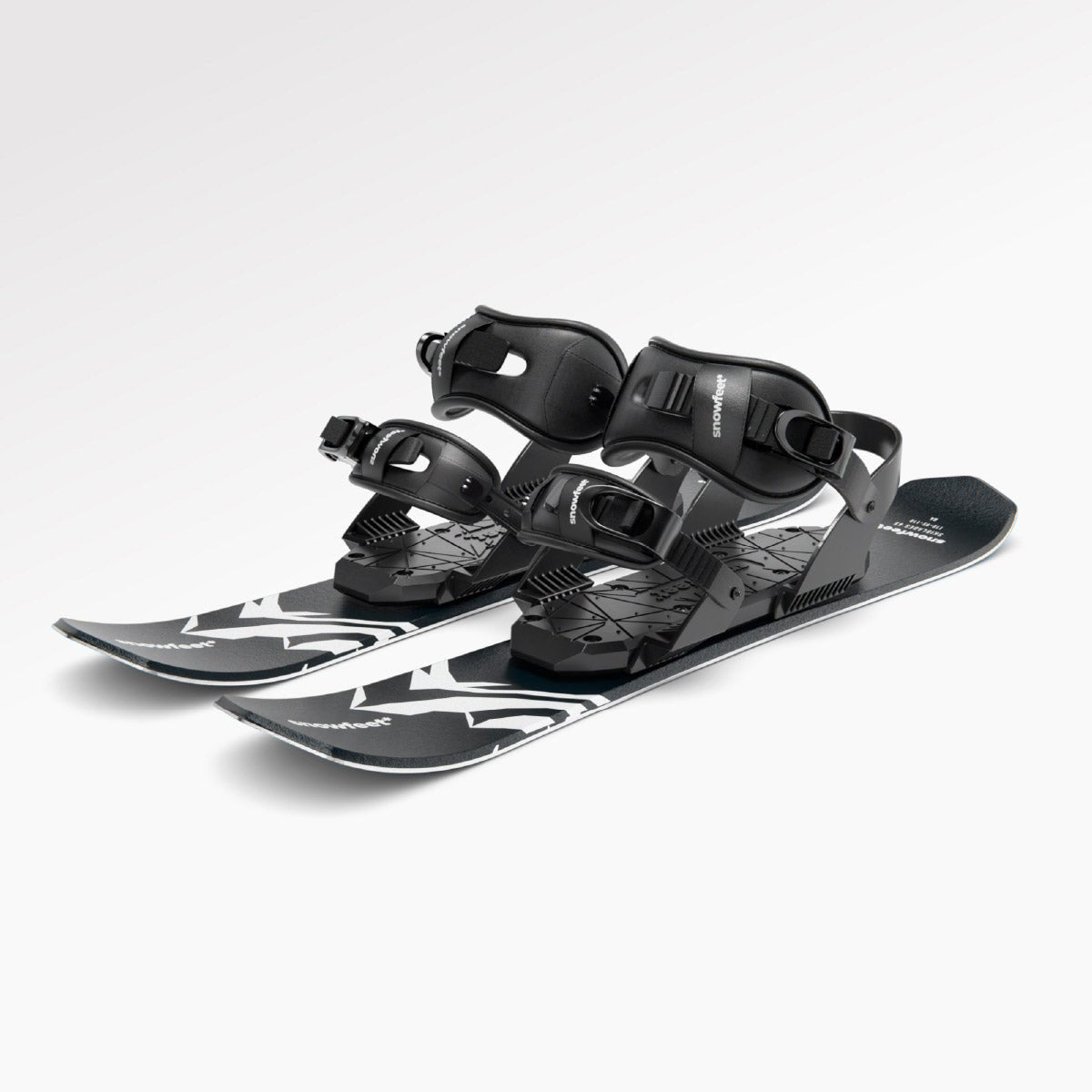
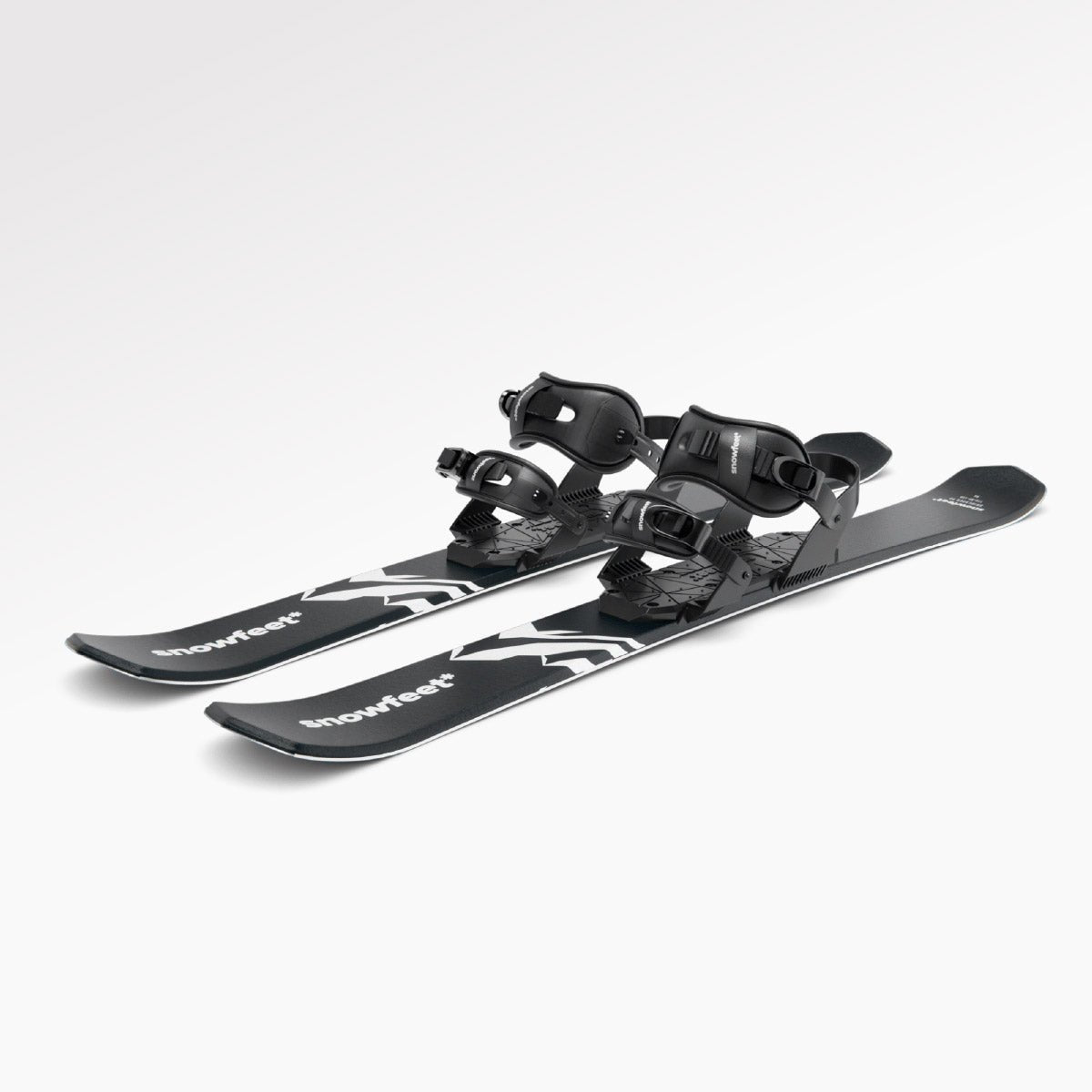
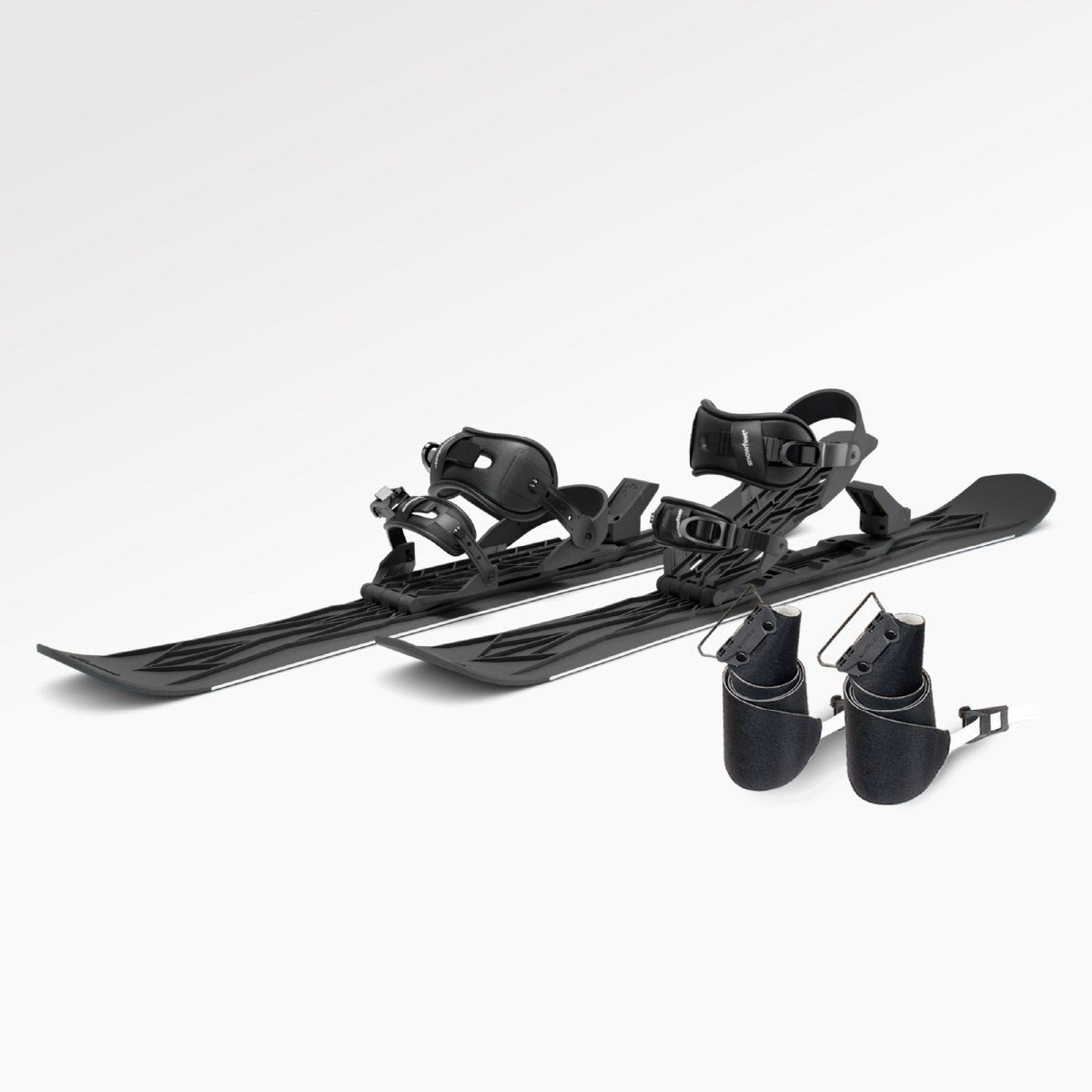
Snowfeet* options, such as 44 cm (17.3-inch) Skiskates or 65 cm (25.6-inch) Skiblades, may offer better value over time. They can support growing skills while reducing the need for frequent size changes.
When do hand-me-down ski repairs stop being worth it?
Repairs stop making sense when the total bill nears the cost of new, reliable gear. Add up tuning, base repairs, and professional binding service before you spend.
Skip skis whose bindings aren’t on the manufacturer’s current indemnification list. Reputable shops won’t service those bindings.
Skis with edge cracks, edge pull-out, or delamination aren’t worth the repair cost, either. For most families, new Snowfeet models offer a more practical, durable option - without the repair headaches.
Is my child ready to try Snowfeet* MINI KIDS?
Snowfeet* MINI KIDS are made for kids ages 3–6 who are new to skiing or a little nervous about getting started. These lightweight, 15-inch (38 cm) mini ski skates let kids slide, shuffle, and play on flat ground or very gentle slopes. They’re less intimidating than heavy ski gear.
Priced at $150, they fit your child’s existing winter boots, so kids can build confidence without needing special ski gear.


Lämna en kommentar
Denna webbplats är skyddad av hCaptcha och hCaptchas integritetspolicy . Användarvillkor gäller.