
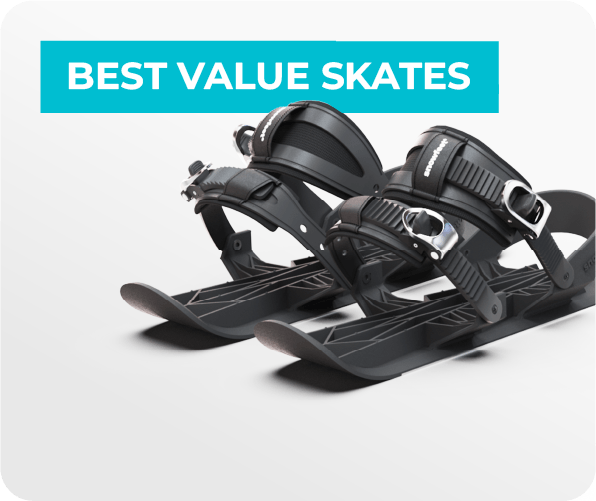
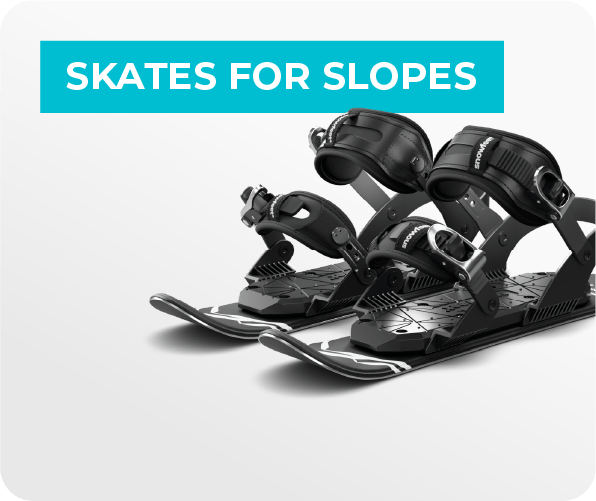
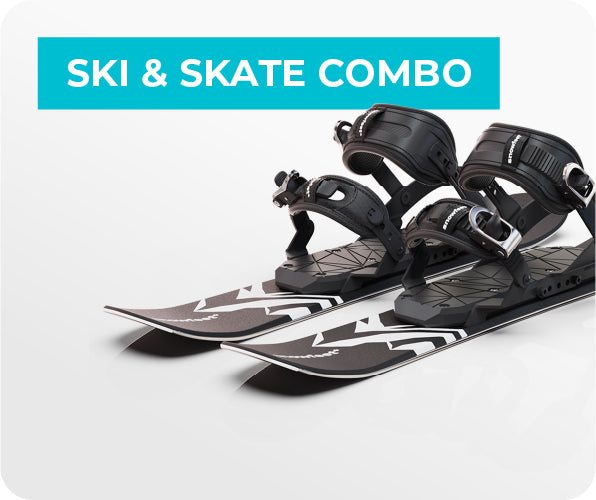
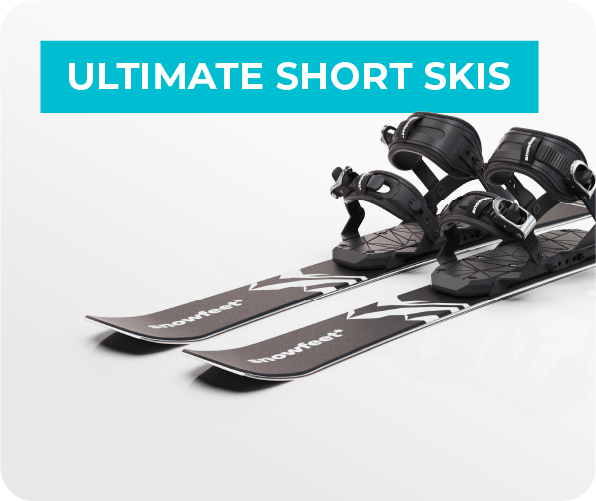
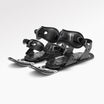
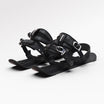
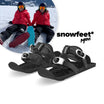
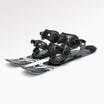
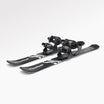
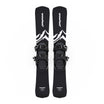
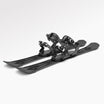
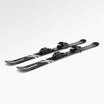
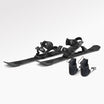
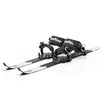
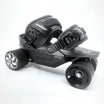
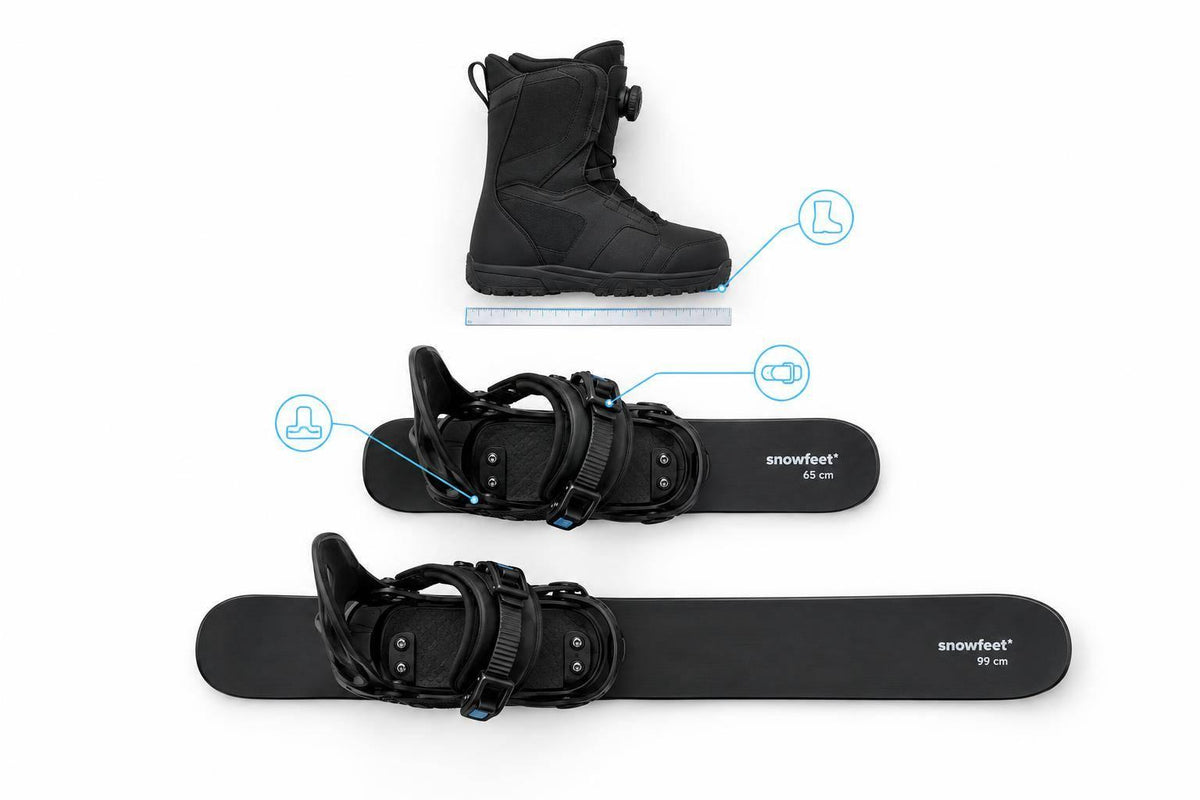
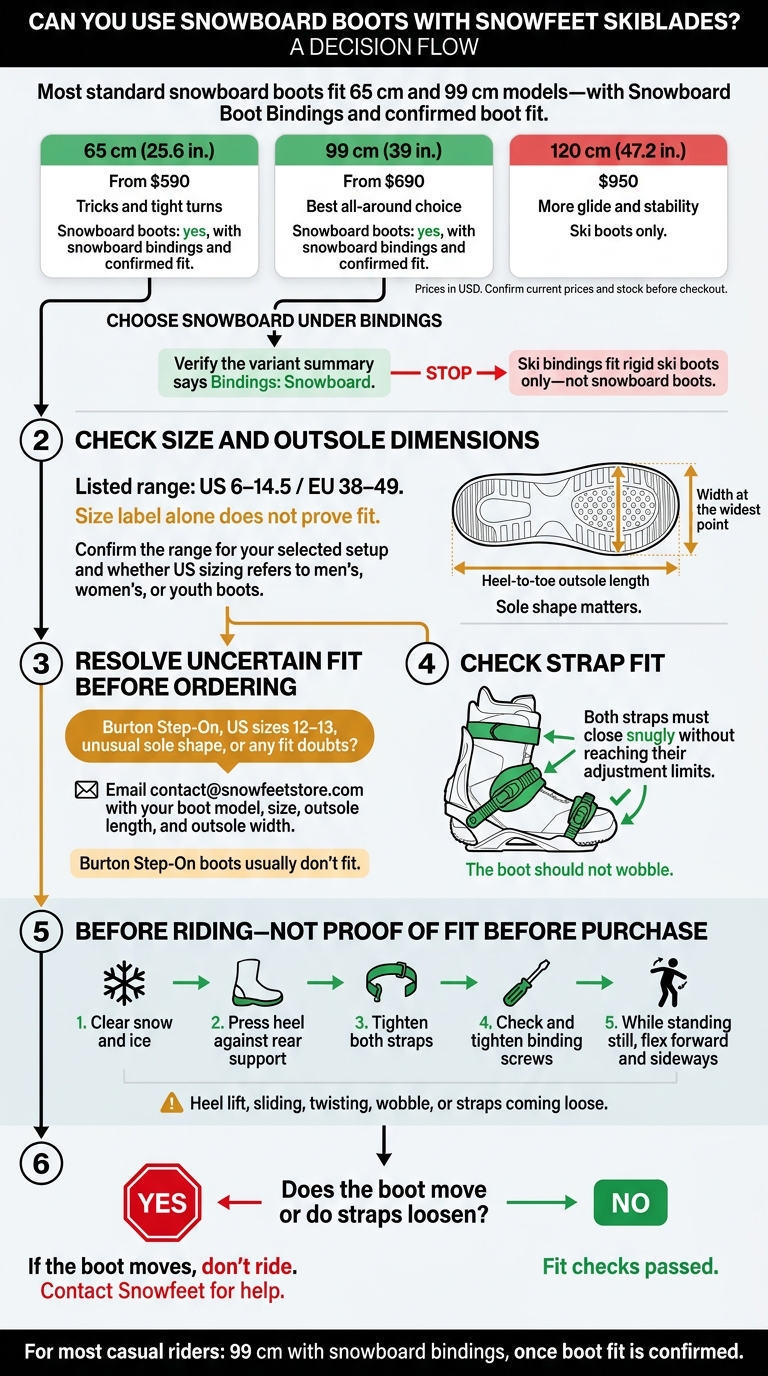
_Yes - most standard snowboard boots fit Snowfeet 65 cm and 99 cm Skiblades with Snowboard Boot Bindings._* My advice: check the binding option first, then your boot’s fit. The 120 cm model takes ski boots only.
Here’s what I’d check before buying:
- Length and price: The 65 cm (25.6 in.) model starts at $590 and suits tricks and tight turns. The 99 cm (39 in.) starts at $690 and is the all-around pick. The ski-boot-only 120 cm (47.2 in.) costs $950. Confirm current prices before checkout.
- Boot size: The listed range is US 6–14.5 / EU 38–49. But the size label alone doesn’t prove fit. Check outsole length, width, and strap adjustment.
- Boot type: Burton Step-On boots usually don’t fit. For these boots, US sizes 12–13, or any fit doubts, I’d email contact@snowfeetstore.com with the boot model, size, and outsole measurements.
- Fit before riding: Clear snow and ice, secure both straps, check the screws, and test for heel lift or wobble. <u>If the boot moves, don’t ride.</u>
My pick for most casual riders? 99 cm with snowboard bindings, once boot fit is confirmed.
Will Your Snowboard Boots Fit Snowfeet Skiblades?
These guys tried Snowfeet* Snowblades for the first time | Watch what they think | Short Ski Review
Choose the Right Binding for Snowboard Boots
On the product page, choose Snowboard under Bindings. Before checkout, make sure the variant summary says Bindings: Snowboard.
Snowboard Boot Bindings vs. Ski Boot Bindings
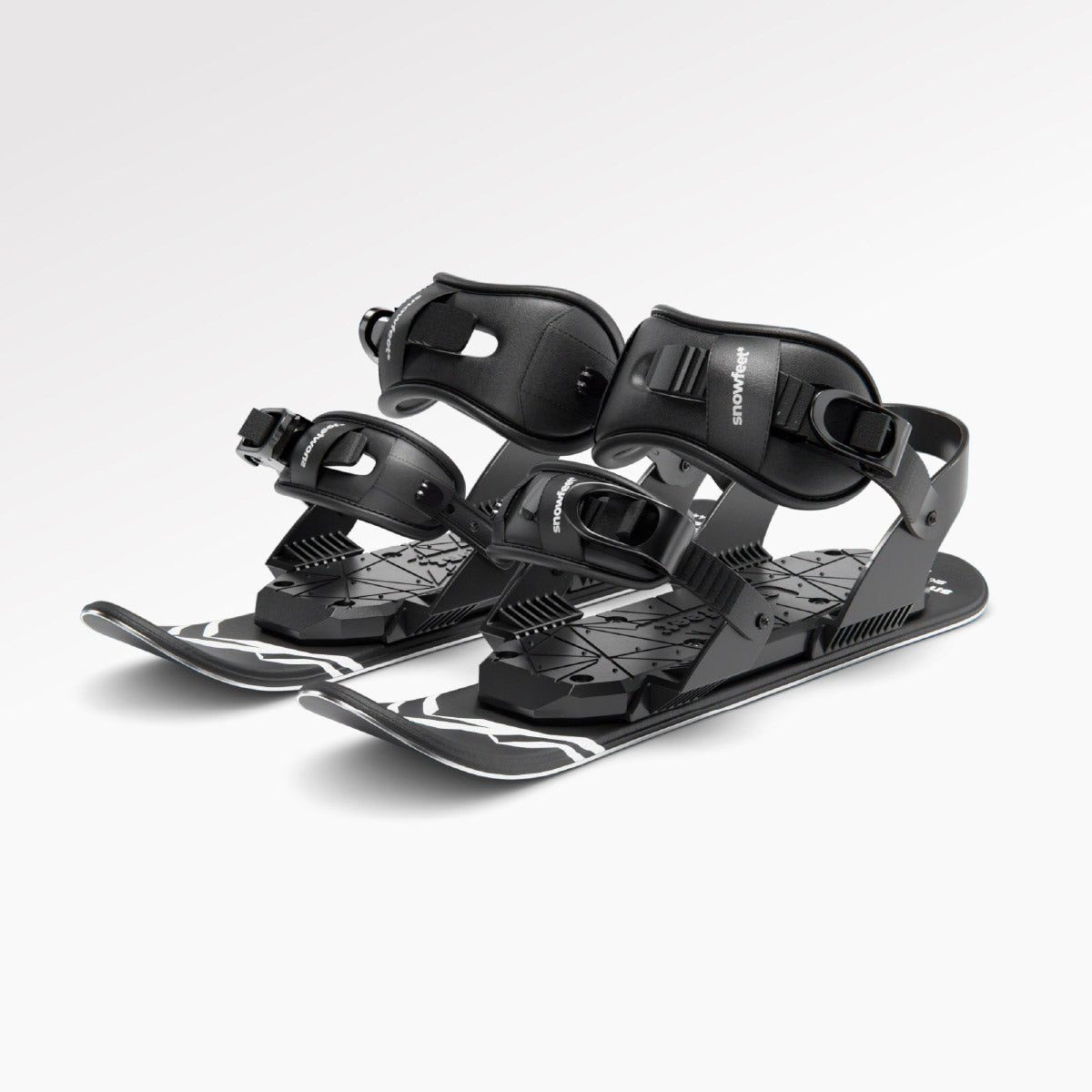
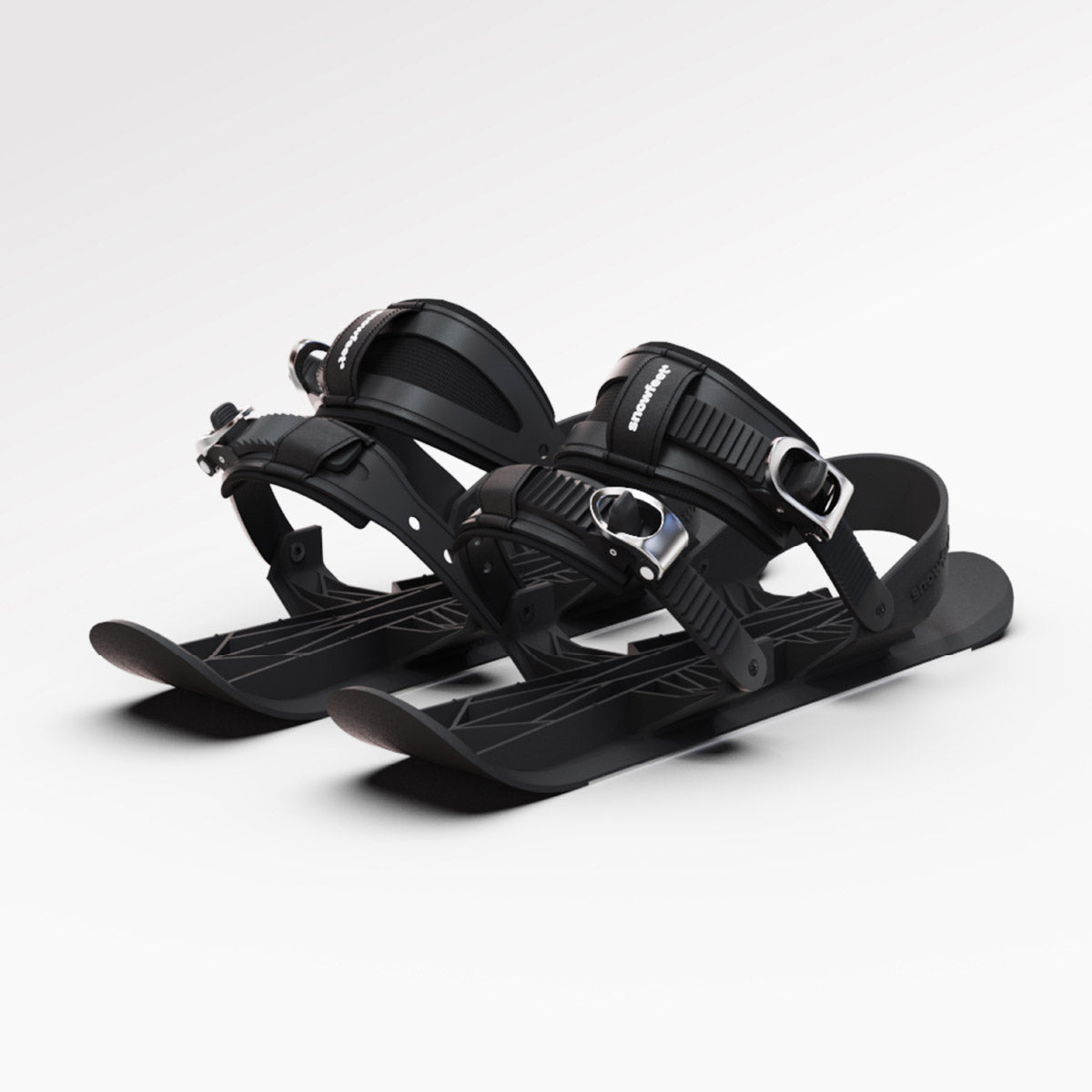
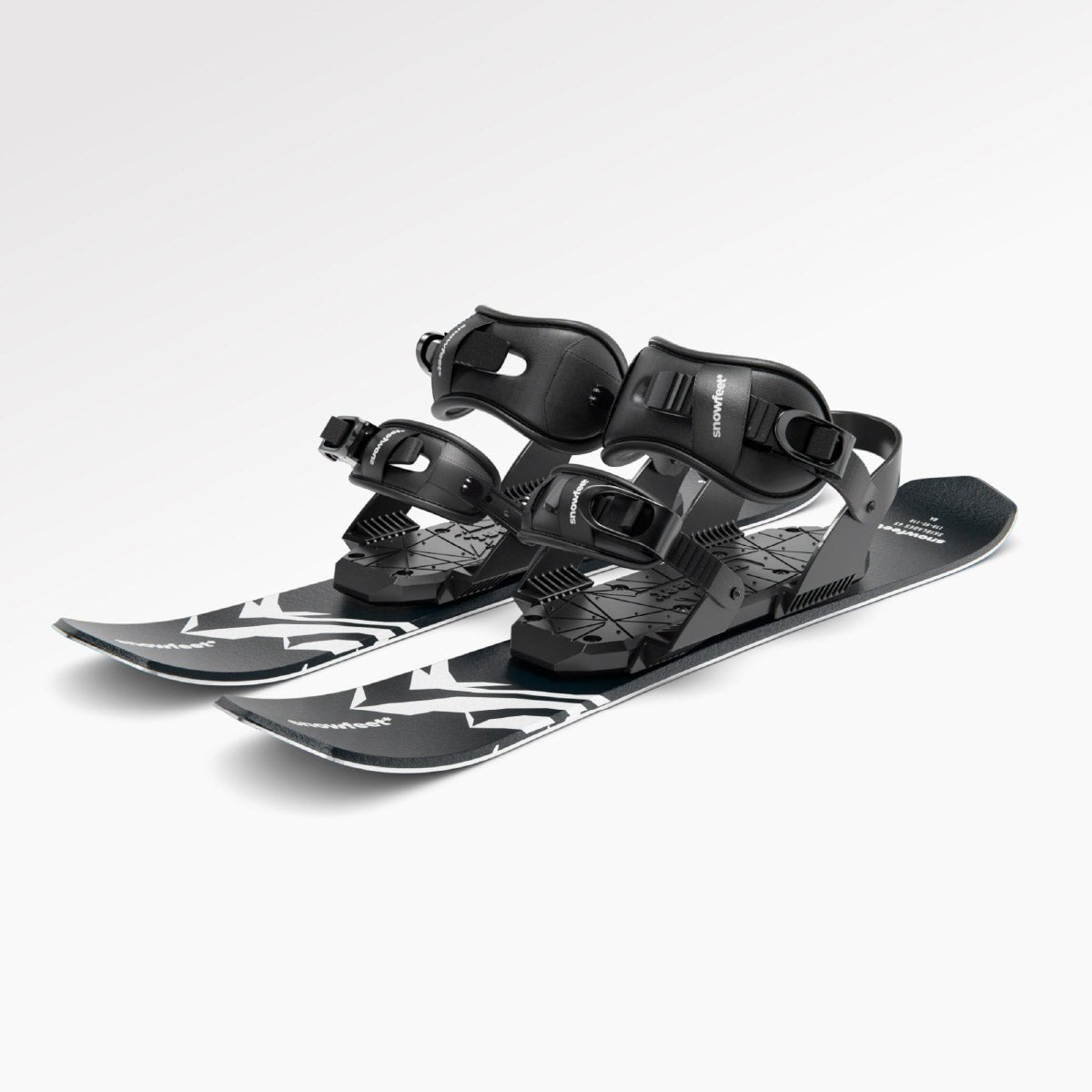
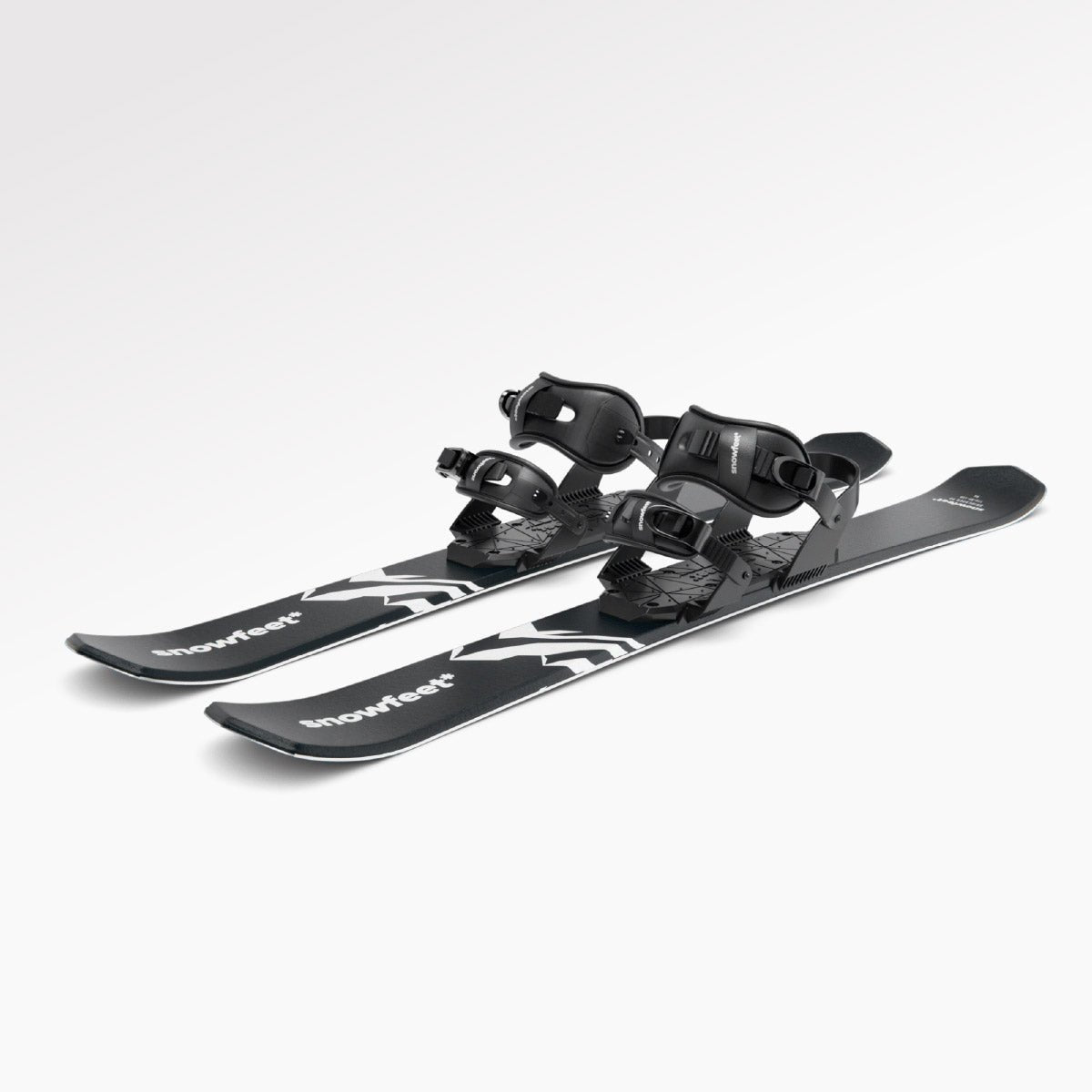
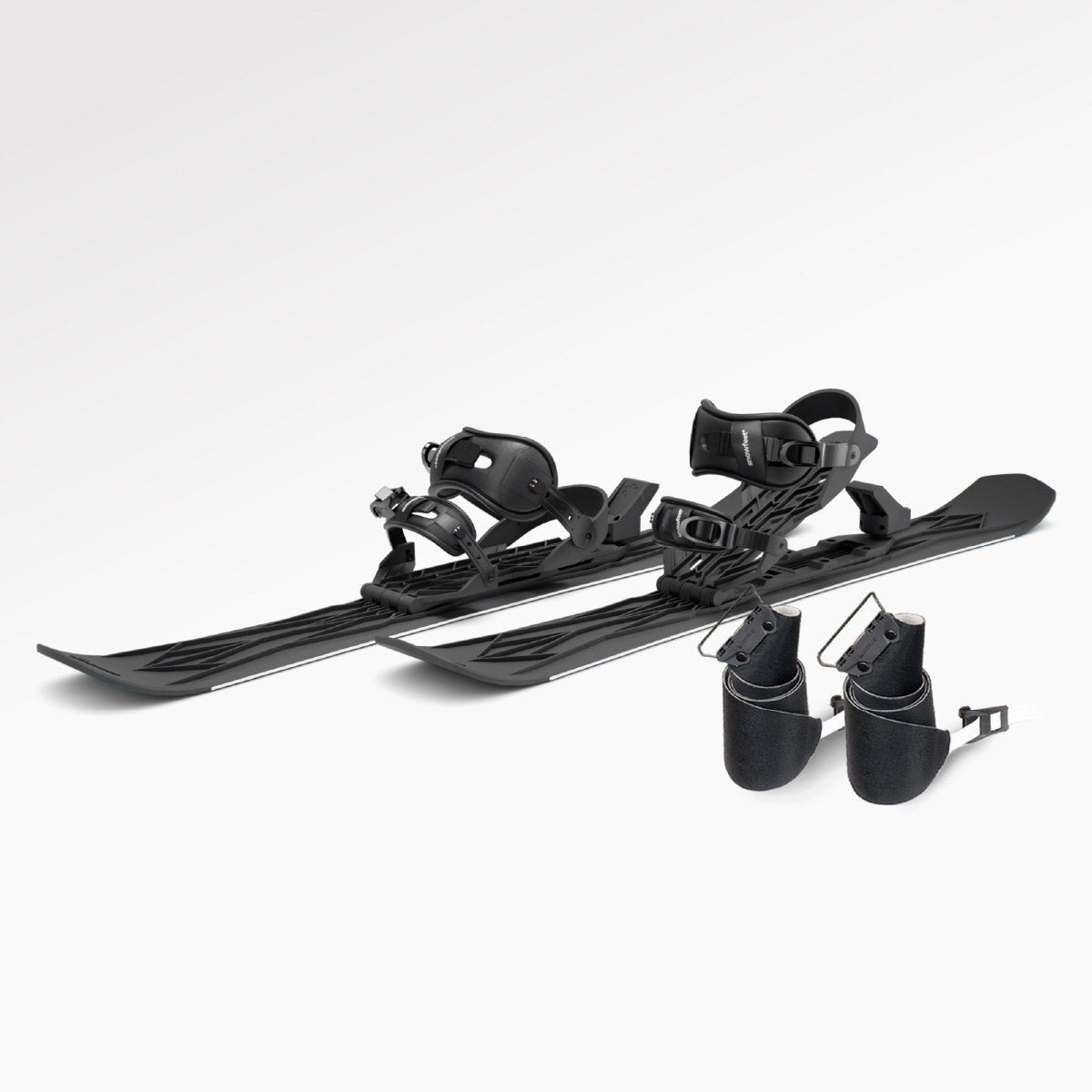
Snowfeet* snowboard bindings have adjustable straps and an anti-slip contact surface for snowboard boots. Ski bindings fit rigid ski boots only. The 120 cm model is ski-boot only.
| Binding option | Accepted boots | Available lengths |
|---|---|---|
| Snowboard Boot Bindings | Snowboard boots | 65 cm and 99 cm |
| Non-release ski bindings | Rigid alpine ski boots | 65 cm and 99 cm |
| Pro/release ski bindings | Rigid alpine ski boots | 99 cm and 120 cm |
After choosing Snowboard, check your boot size, outsole dimensions, and heel hold before you order.
Check Your Snowboard Boots Before Buying
Check Boot Size, Outsole Dimensions, and Strap Fit
Once you’ve chosen Snowboard Boot Bindings, check your boots before you order. Compare your boot’s size tag with the binding’s listed size range. Snowfeet* lists US 6–14.5 / EU 38–49, but confirm the range for your setup - and whether US sizes refer to men’s, women’s, or youth boots.
Measure the outsole from heel to toe and across its widest point. Sole shape matters, too. If yours has an unusual shape or you’re unsure about fit, email contact@snowfeetstore.com with your boot model and measurements.
Place the boot in the binding and check that both straps close snugly without reaching their adjustment limits. The boot shouldn’t wobble.
Test Heel Hold Before Riding
Clear away snow and ice, press the heel against the rear support, and tighten both straps. While standing still, flex forward and sideways. Check for heel lift, sliding, twisting, or straps coming loose. Tighten the binding screws before riding.
If the boot still moves, don’t ride the setup. Contact Snowfeet* for help. If your boots pass these checks, the next step is choosing the right skiblades length.
sbb-itb-17ade95
Choose a Skiblades Length for Your Riding
Once your boots pass the fit check, pick a length that suits how you ride. Length shapes how playful or stable your setup feels.
65 vs. 99 vs. 120 cm: How They Ride
| Length | How it rides | Can you keep snowboard boots? | Price (USD) |
|---|---|---|---|
| 65 cm (about 26 in.) | Most agile; best for tricks and park riding | Yes - with snowboard bindings and a confirmed boot fit | From $590 |
| 99 cm (about 39 in.) | Best all-around choice for carving, park laps, and light powder | Yes - with snowboard bindings and a confirmed boot fit | From $690 |
| 120 cm (about 47 in.) | More glide and stability; feels closest to a full-length ski | No - ski-boot bindings only | $950 |
For most casual riders, 99 cm is the best all-around choice. If keeping your snowboard boots tops your list, here’s how the setups compare.
When You Can Keep Your Snowboard Boots
| Setup | Can you keep snowboard boots? | Main trade-off |
|---|---|---|
| Snowfeet* 65 or 99 cm with snowboard bindings | Yes, if your boots fit the selected binding | Compact gear that lets you reuse compatible boots |
| Conventional skiblades | Many setups require alpine ski boots | Short and easy to turn, but fewer options for reusing boots |
| Typical long skis | Generally require alpine ski boots | Better speed and glide, but less compact |
For most casual riders who want compact gear and the option to use snowboard boots, 65 cm and 99 cm Snowfeet* setups are the smarter buy.
Before Ordering: Confirm the Binding and Boot Fit
The binding - not the length - determines whether you can use your snowboard boots. Choose Snowboard bindings for the 65 cm or 99 cm models. The 120 cm model uses ski-boot bindings only.
Check these details before checkout:
- Length and binding: Select Snowboard on the 65 cm or 99 cm product page. Don’t choose ski-boot bindings for snowboard boots. That includes the 120 cm setup.
- Boot fit: Check the listed size range and measure your boot’s outsole length and width. Adjust the straps for a snug fit, then check for wobble or heel lift. Make sure the screws are tight before riding. Don’t ride if your boots move. For US 12–13, Burton Step-On, or any fit doubts, email contact@snowfeetstore.com before ordering.
- Price and stock: Check the product page for the current price in USD and stock status before checkout.
FAQs
Can I switch binding types on my Snowfeet* Skiblades?
No, you can’t swap binding types after purchase. The bindings are built into your Snowfeet* Skiblades during manufacturing. At checkout, choose the version that fits your boots: ski boots or snowboard boots.
Both binding options are tool-free and need no professional mounting. Want to use your current snowboard boots? Select the snowboard-boot-compatible version, and check the binding’s supported boot sizes and fit before you buy.
Does snowboard boot stiffness affect skiblade control?
Yes. Snowboard boots are softer and more flexible than rigid ski boots, giving you a more forgiving, comfortable ride for casual cruising and park laps. The trade-off? That flex transfers less energy straight to the skiblades, so edge control feels less precise.
For most casual riders, snowboard boots are a comfortable choice. Stiffer ski boots offer more control at higher speeds and when carving hard.
What if my boots fit but my heels still lift?
Loosen the straps and center your boot on the non-slip footbed. Tighten the toe strap first, then the ankle strap to keep your heel seated in the heel cup.
If your heel still lifts, use a screwdriver to adjust the strap positions or heel cup. Aim for a snug fit with no wobble or pain. If your boot still moves, recheck boot-sole compatibility. Designs such as Burton Step-On aren’t supported.


Оставить комментарий
Этот веб-сайт защищается hCaptcha. Применяются Политика конфиденциальности и Условия использования hCaptcha.