
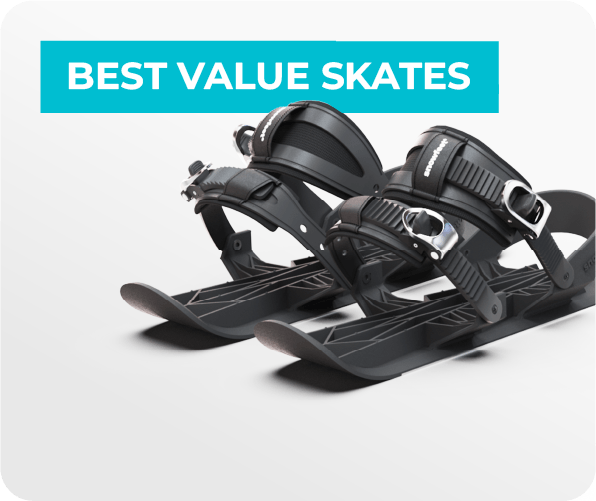
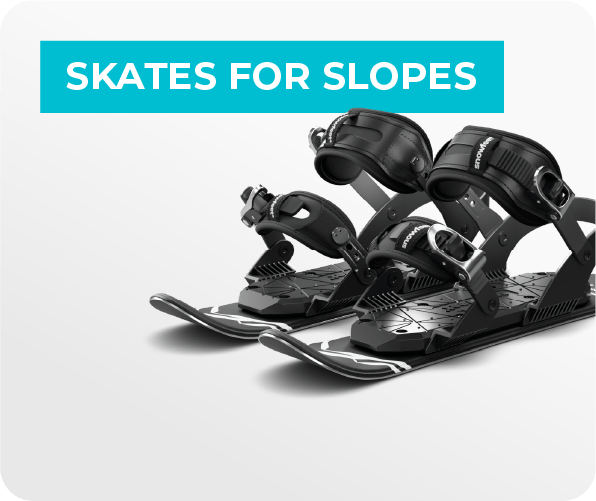
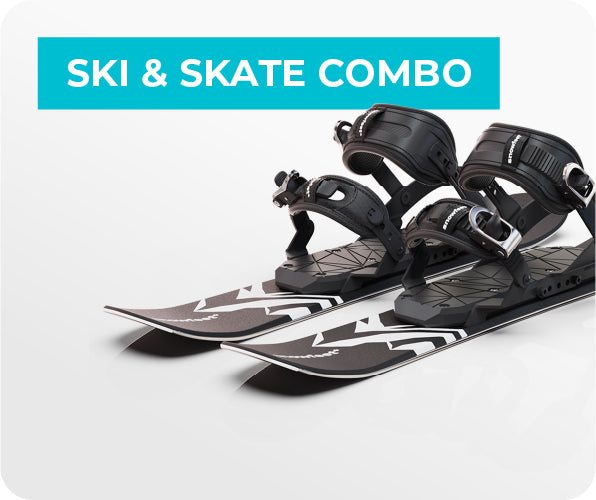
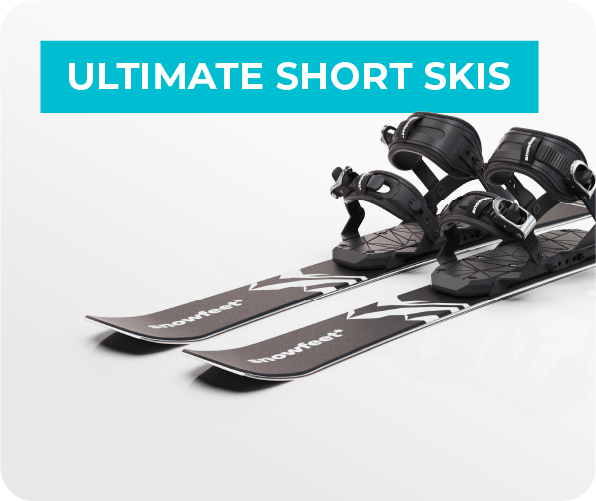
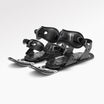
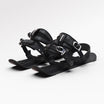
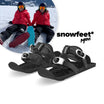
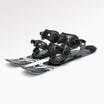
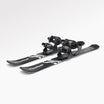
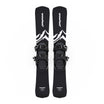
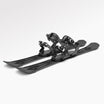
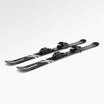
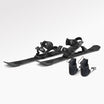
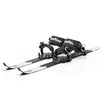
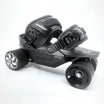
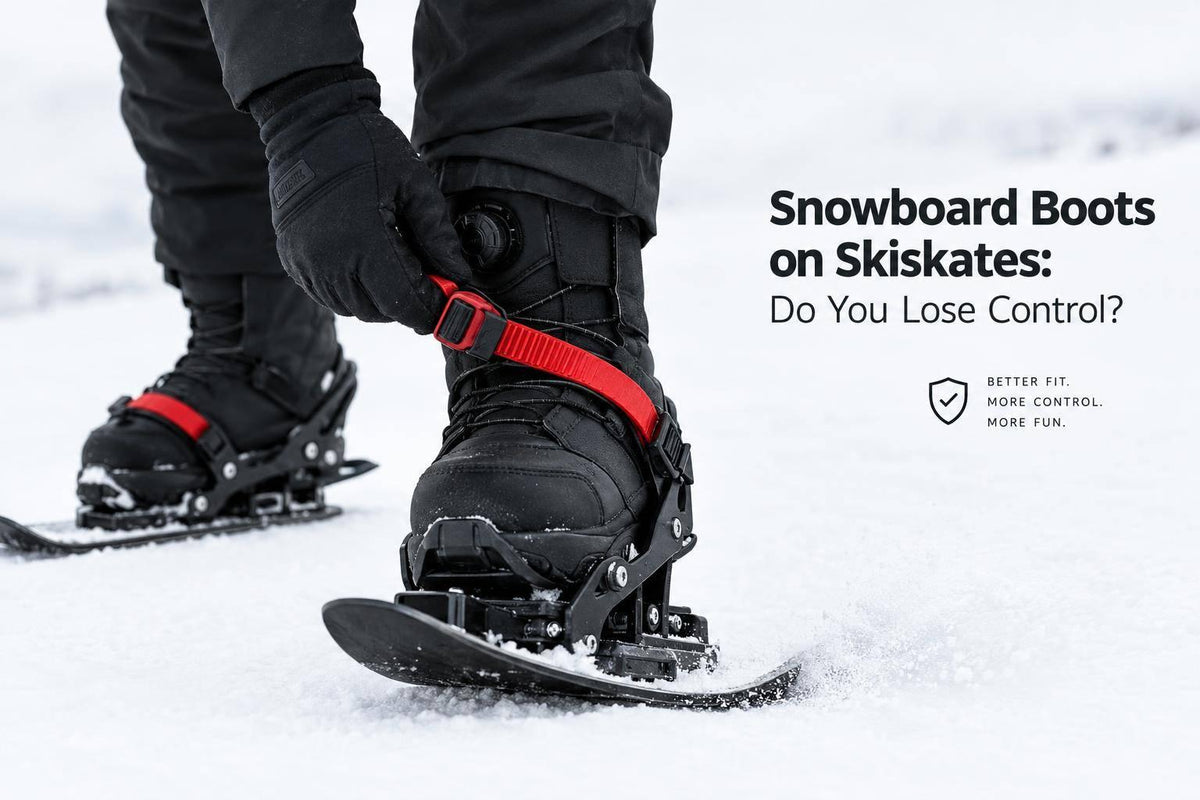
No - snowboard boots don’t automatically mean less control on Skiskates. My advice: match your boots to the right binding version, then check for heel lift, sliding, or twisting before you ride.
Here’s how I’d choose:
- Snowboard boots: Easier walking and enough support for casual groomed runs - if the boots fit snugly and aren’t too soft.
- Ski boots: Firmer ankle support and more direct input for turns and stops, with less walking comfort.
- Either setup: Boot fit, heel hold, and binding adjustment matter. Boot flex is normal. A boot shifting inside the binding isn’t.
On a 17.3-inch (44 cm) Skiskate, more boot support doesn’t mean more speed is safe. I’d start with slow turns and stops on gentle snow, then recheck the straps. <u>If your boots shift or you can’t stop with control, don’t keep riding.</u> Avoid ice, frozen surfaces, and extremely steep slopes, as Snowfeet warns.
All you need to know - Snowfeet* | Skiskates | Skiboards | Snowblades | Skiblades FAQ
Snowboard Boots vs. Ski Boots on Snowfeet* Skiskates
Once you have the right binding version, boot choice affects how much control you get on snow.
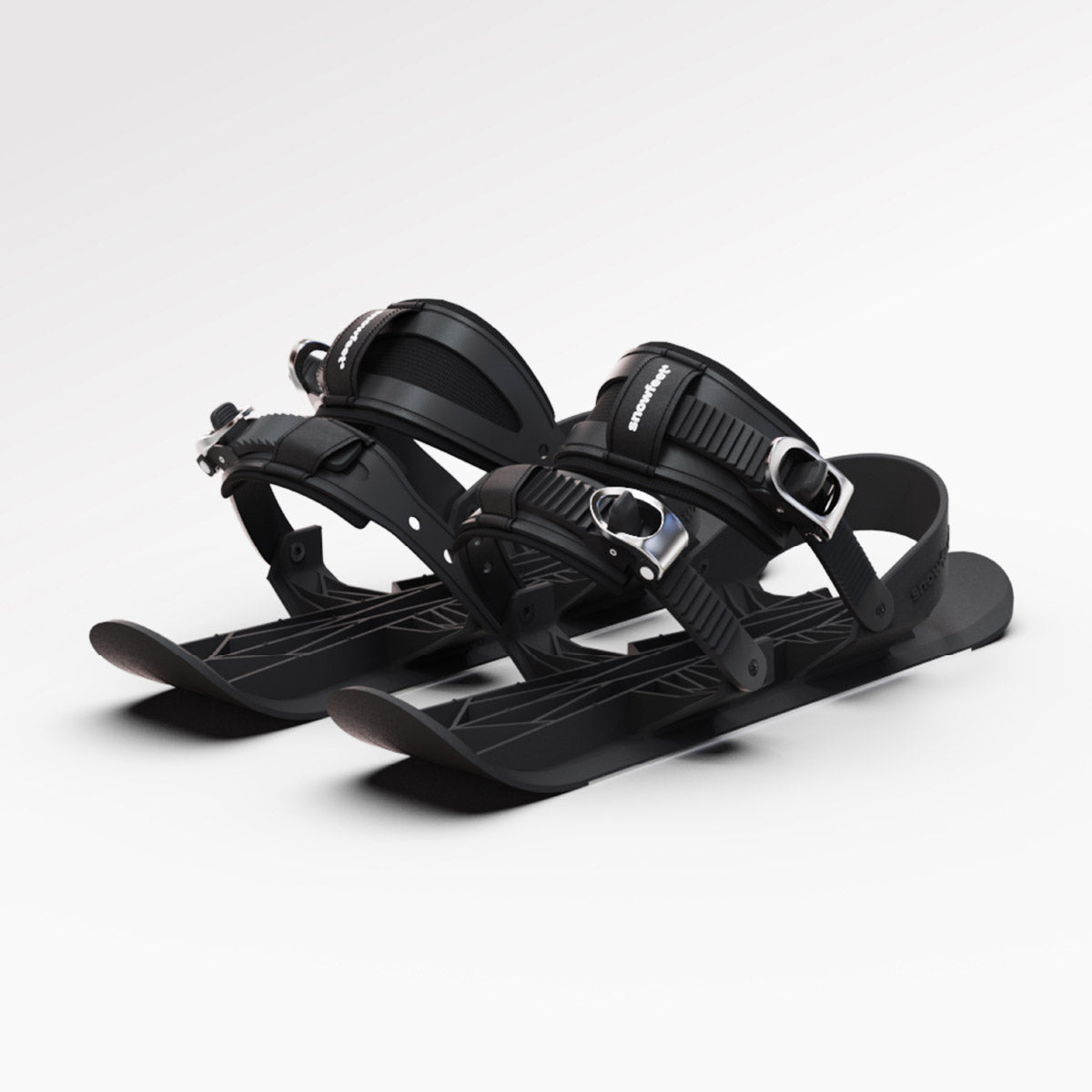
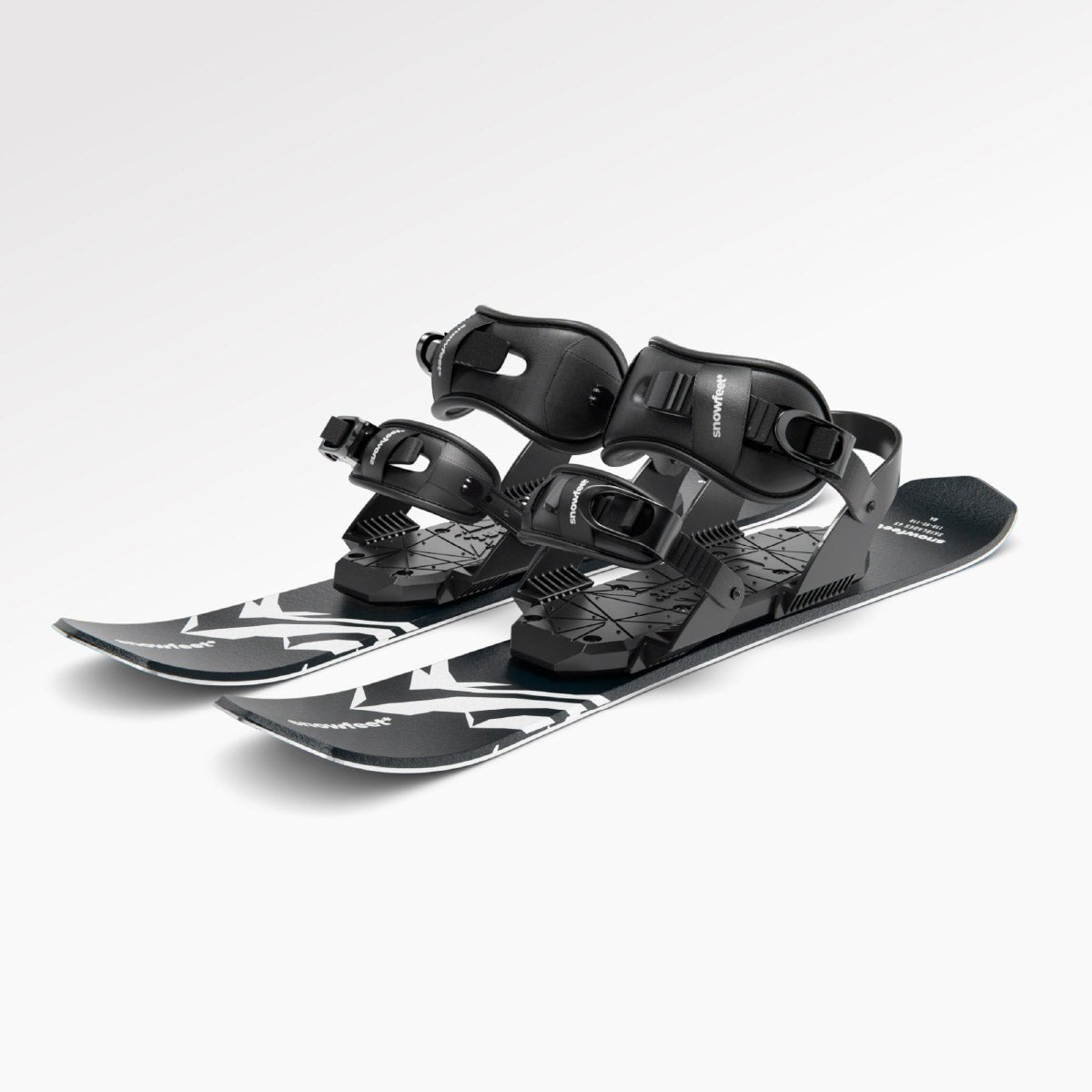
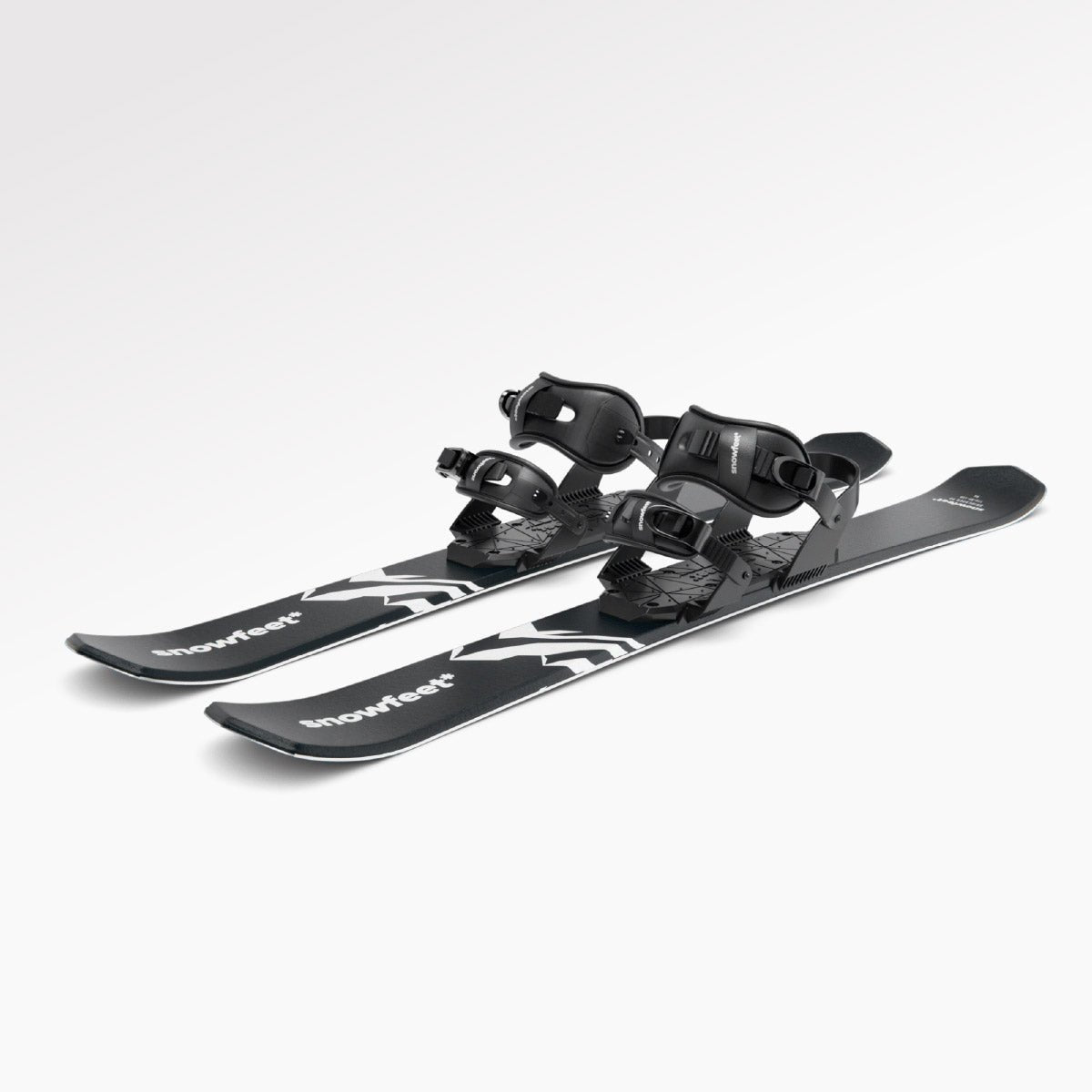
Snowfeet* offers separate snowboard-boot and ski-boot binding versions for its 44 cm (about 17.3-inch) Skiskates. The main differences come down to edge bite, heel hold, and steering speed.
| Control factor | Snowboard boots + snowboard-boot bindings | Ski boots + ski-boot bindings |
|---|---|---|
| Edge engagement | Softer boots feel less direct; supportive boots send input to the edges faster. | The hard shell usually sends input to the edges faster for a more direct feel. |
| Ankle support | Depends on the boot and fit; comfortable, but may allow more flex. | Firm, consistent lower-leg support. |
| Heel hold | Depends on a snug fit and binding setup; heel lift reduces precision. | Usually more secure because the boot shape matches the binding. |
| Responsiveness | Supportive boots work well for casual riding; softer boots feel slower. | Usually faster to respond when steering and braking. |
| Walking comfort | Generally easier to walk in. | More restrictive off-snow. |
| Best use | Casual riding and convenience. | Steeper terrain, higher speeds, and repeated aggressive turns. |
Control still depends on boot construction, fit, binding setup, snow, terrain, and technique. You’ll feel these differences most when holding an edge through turns and stops.
Match Your Boots to the Binding Version
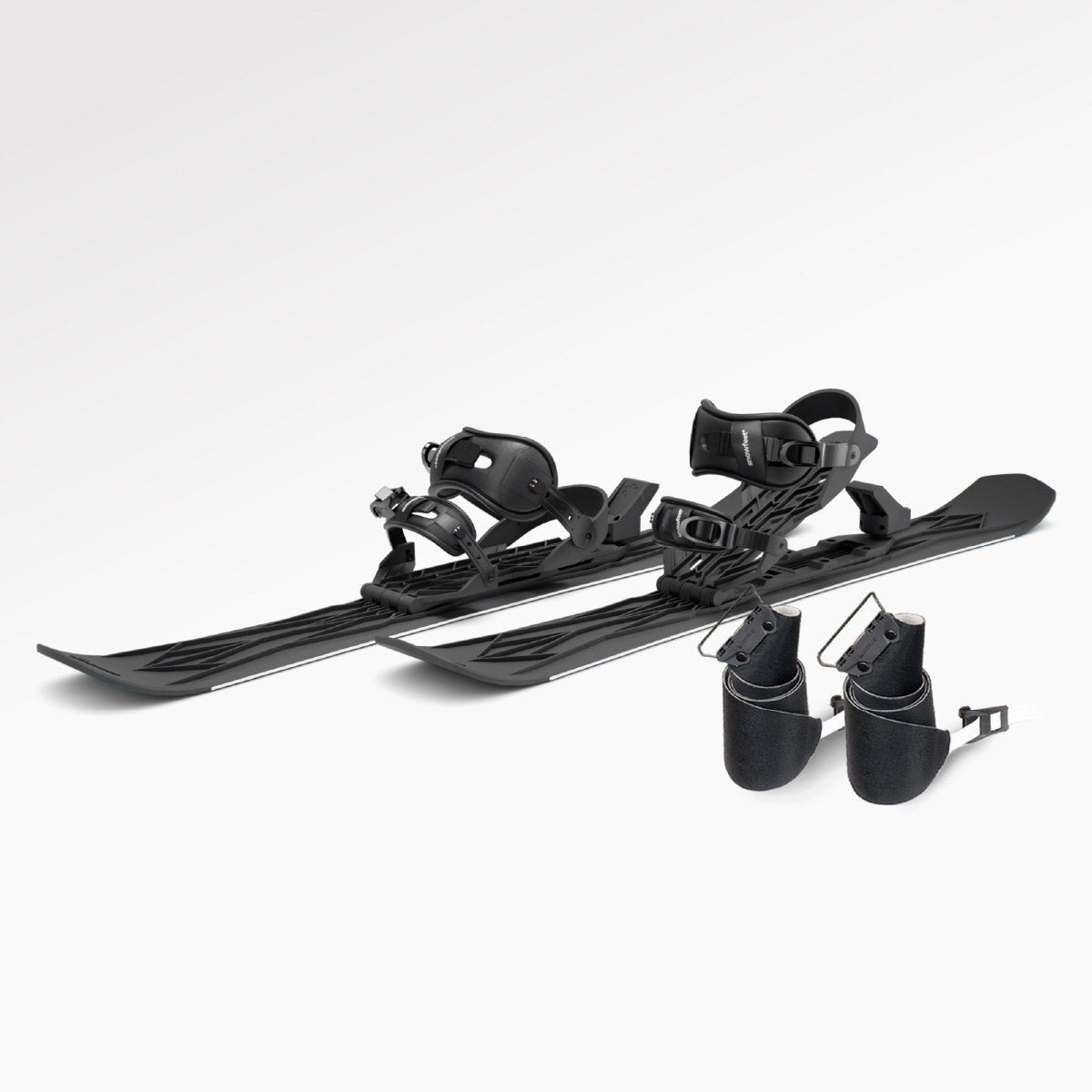
Boot shape matters as much as the size on the label. Snowboard-boot bindings fit softer, broader snowboard boots. Ski-boot bindings fit rigid alpine ski boots with defined heel-and-toe interfaces. Do not mix boot types and binding versions.
The boot must sit fully in the binding, without heel lift or too much binding compression. Cranking the binding tighter won’t fix the wrong boot shape.
The manufacturer lists these approximate size ranges: US 6–14.5 / EU 38–49 for snowboard boots and US 4.5–14.5 / EU 36–49 for ski boots. Check the current listing before buying. Sole length, width, and heel shape still determine fit.
How Boot Stiffness Affects Turning and Stopping
Boot stiffness matters most when you need the Skiskate to grip, steer, or stop. A supportive boot transfers pressure faster because less flex absorbs your input. Too much flex can delay edge engagement, steering, and braking.
A stiffer boot helps only if it fits well. It can’t fix poor heel hold or a boot that doesn’t match the binding.
Check Binding Fit Before Riding
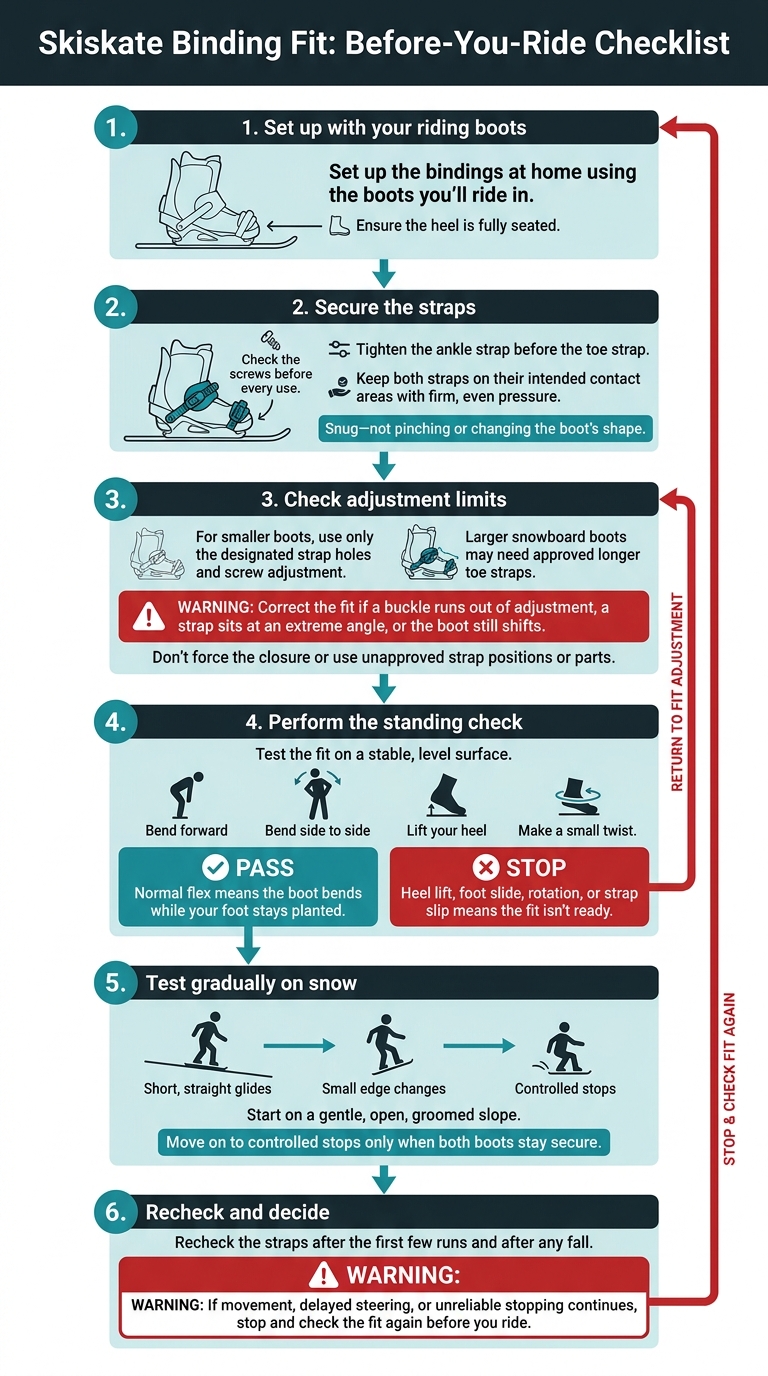
Skiskate Binding Fit: Before-You-Ride Checklist
Boot fit comes first - not the label. On the 17.3-inch (44 cm) platform of Snowfeet* Skiskates, fit determines whether snowboard boots feel controlled or vague.
Set up the bindings at home using the boots you’ll ride in. Center each boot, seat the heel fully, and tighten the ankle strap before the toe strap. Keep both straps on their intended contact areas with firm, even pressure. Aim for snug - not pinching or changing the boot’s shape. Check the screws before every use.
For smaller boots, use only the designated strap holes and screw adjustment. Larger snowboard boots may need approved longer toe straps. Correct the fit if a buckle runs out of adjustment, a strap sits at an extreme angle, or the boot still shifts. Don’t force the closure or use unapproved strap positions or parts.
Once you’ve set the straps, check that the boot moves with your leg - not inside the binding.
Standing Check: Boot Flex vs. Loose Movement
Test the fit on a stable, level surface. Bend forward and side to side, lift your heel, and make a small twist.
Normal flex means the boot bends while your foot stays planted. Heel lift, foot slide, rotation, or strap slip means the fit isn’t ready. This check helps separate normal boot flex from unsafe heel movement.
If the boot stays planted on flat ground, move on to slow edge tests on snow.
Slope Check: Gradual Turns and Controlled Stops
Start on a gentle, open, groomed slope. Use short, straight glides and small edge changes. Move on to controlled stops only when both boots stay secure.
Recheck the straps after the first few runs and after any fall. If movement, delayed steering, or unreliable stopping continues, stop and check the fit again before you ride.
sbb-itb-17ade95
Choose Boots for Your Terrain and Riding Style
Once you have a secure fit, your terrain guides your boot choice. Supportive snowboard boots usually offer enough control for casual groomed laps. For harder carving or firmer snow, a compatible ski-boot setup feels more direct. You’ll notice the difference in edge engagement, heel hold, and braking precision.
More support helps with control, but it doesn’t mean you can ride tougher terrain. Keep steeper groomers within the product’s limits. Snowfeet* warns against riding on ice, frozen surfaces, and extremely steep slopes.
Even with the right boots, the short platform limits stability.
How the 44 cm Length Affects Control
At 17.3 inches (44 cm), Snowfeet* Skiskates turn quickly but offer less stability at speed. Supportive boots help you steer more precisely - not ride faster. Supportive snowboard boots work well for casual riding with this compact setup, as long as you stay within its limits.
Conclusion: Put Secure Fit First
After the fit checks above, choose Snowfeet* Skiskates with snowboard-boot bindings for casual riding only if your boots support your ankles, keep your heels in place, and fit the bindings. For stronger lateral support and faster edge response, choose the compatible ski-boot version.
If the fit fails, don’t ride yet. Fix heel lift, twisting, loose straps, or delayed stopping first. Recenter your boots, adjust the bindings, and repeat the checks. If your boots still move, contact Snowfeet* for fit help or switch to the compatible ski-boot version.
Before ordering, check snowfeetstore.com for current binding options, boot sizing, and adjustment instructions. Match the binding version to the boots you’ll wear - not just your shoe size - for better control.
FAQs
How can I tell if my snowboard boots are too soft for Skiskates?
With your Snowfeet* Skiskates strapped on, check for wobbling, ankles folding too far inward, or boots shifting inside the bindings. Some flex is normal. But if steering or stopping feels mushy or slow to respond, you need more support. Check your boot fit and binding adjustment first.
Well-made, medium-stiff freestyle boots work for most riders. Stiffer freeride boots add stability at higher speeds. Avoid soles that flex too much - they can make it harder to engage your edges.
How do I distinguish heel lift inside my boot from binding movement?
Before you ride, secure your boots in the Snowfeet* bindings, tighten every strap, and stand in your riding stance. Heel moving inside the boot? That’s heel lift. If the whole boot shifts against the binding base, check the binding adjustment.
Clear away packed snow, center your boot, and tighten the heel piece with the tool-free adjustments. If it still wobbles, make sure the straps are locked and your boots give your ankles firm support.
When should I switch to a compatible ski-boot setup?
Choose a compatible ski-boot setup if speed, precision, and fast carving on groomed slopes matter more to you than comfort and freestyle movement. Rigid ski boots give you firm ankle support, stability, and direct power transfer for aggressive, technical riding.
Snowboard boots suit most casual riders better. They let your ankles flex naturally for spins and jumps, and they’re easier to walk in.


Оставить комментарий
Этот веб-сайт защищается hCaptcha. Применяются Политика конфиденциальности и Условия использования hCaptcha.