



















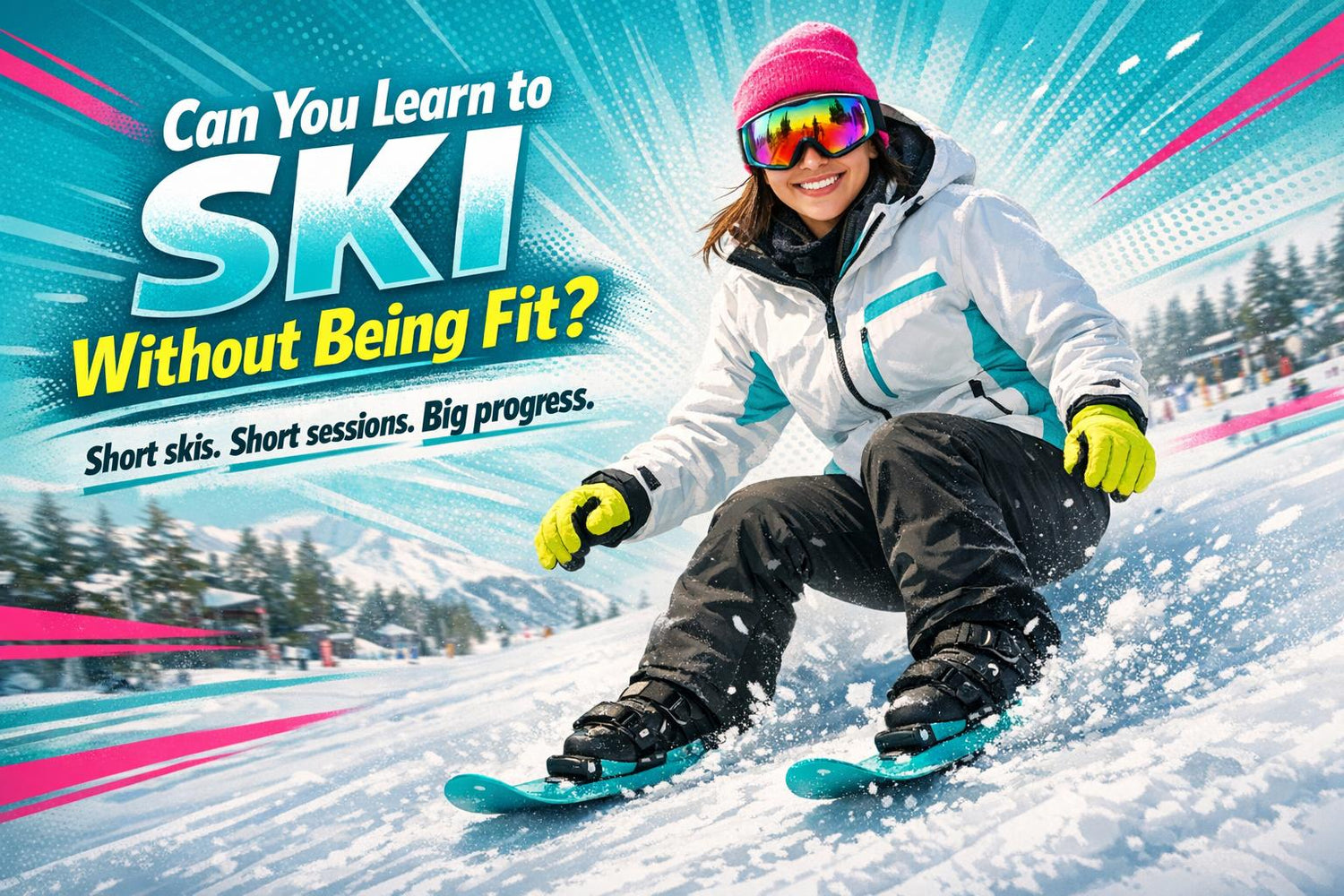
Yes, you can! Skiing doesn’t require top-tier fitness to get started. If you can walk for 20–30 minutes, climb a few stairs, and balance on one leg, you’re ready to hit beginner slopes. Most of the challenge lies in managing the gear - not your fitness level.
Here’s the secret: shorter, lighter equipment like Snowfeet Skiblades or Skiskates can make learning way easier. Unlike long skis, these compact options are less tiring, simpler to maneuver, and even work with regular winter boots. That means less hassle and more fun as you learn the basics of balance, turning, and stopping.
Quick Tips for Beginners:
- Stick to gentle green runs and soft snow.
- Rest often and keep sessions short (60–75 minutes).
- Practice simple exercises like squats and lunges before your trip.
- Use lightweight gear to conserve energy and build confidence.
Snowfeet gear is designed to simplify the experience, so you can focus on enjoying your first day on the slopes, not battling heavy equipment. 😊
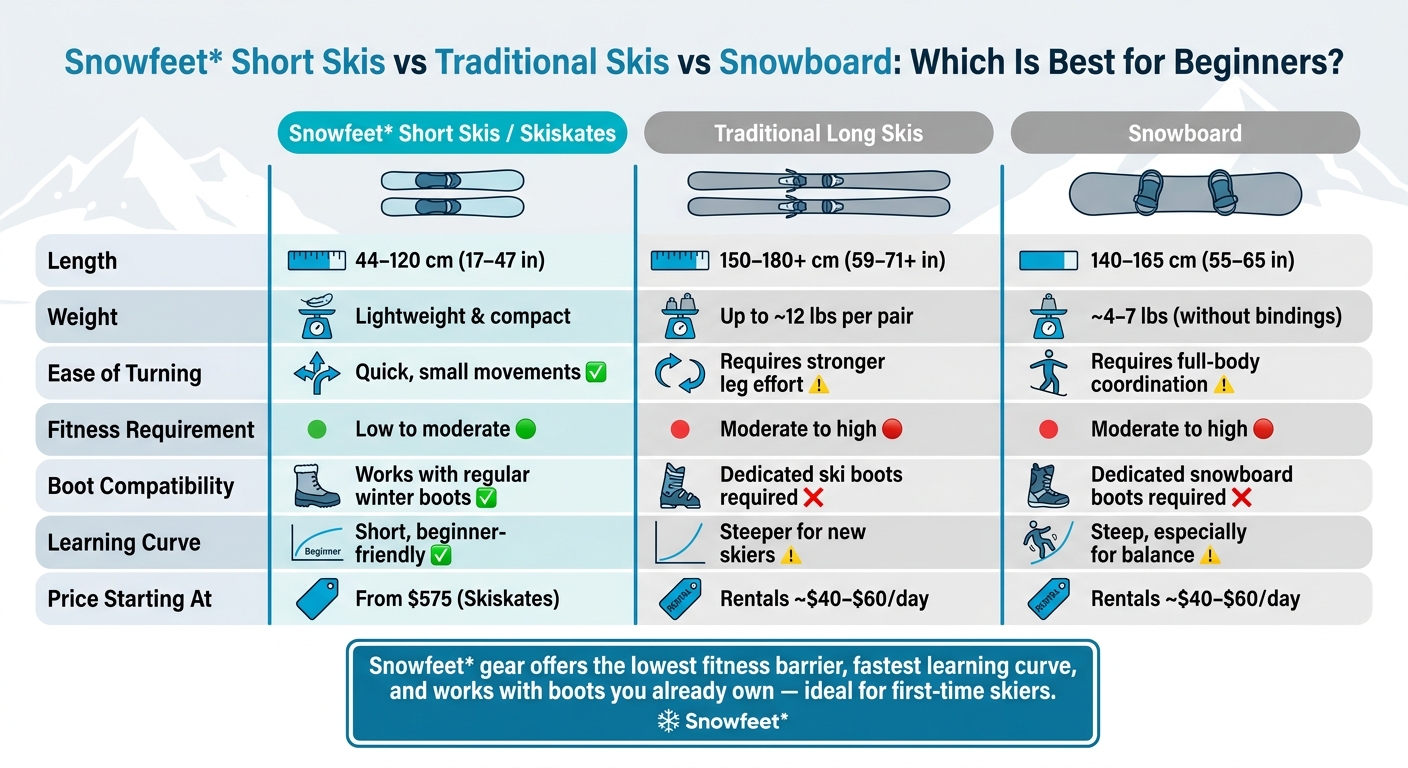
Snowfeet Short Skis vs Traditional Skis vs Snowboard: Beginner Comparison
Fitness Requirements for Beginner Skiers
How Fit Do You Need to Be to Start Skiing?
Good news: you don’t need to be in peak physical shape to give skiing a shot. If you can walk around a mall for 20–30 minutes, climb a few flights of stairs without needing a break, and stand up on your own without help, you’re already meeting the basic physical needs for beginner skiing on green runs.
What actually counts? Balance, basic leg endurance, and normal joint mobility. You don’t need to be a marathon runner or a gym regular. If you can stand on one leg for 5–10 seconds and comfortably do a shallow squat, you’ve got the stability and range of motion you need. Skiing on beginner-friendly, groomed trails feels similar to taking a brisk 30–45 minute walk - it’s moderate activity, not a workout marathon.
Your legs, especially your quads and glutes, do the work of holding a relaxed, semi-crouched stance. Think of it as maintaining a comfortable squat, not trying to lift heavy weights. Using Snowfeet* gear can also make things easier, as it reduces the physical demands compared to traditional skis.
Once you’ve got the basics of balance and endurance, let’s tackle some common concerns that beginners with lower fitness levels often have.
Common Worries for Less-Fit Beginners
It’s natural to have worries like burning thighs, getting winded, or falling and struggling to get back up. Here’s the deal: these concerns are real but totally manageable.
- Burning thighs: This happens because your legs aren’t used to holding a skiing stance. The solution? Stand a bit more upright and take short breaks. Pull over to the side of the trail for 20–30 seconds, and your legs will recover quickly since the effort is low-intensity.
- Falling and getting back up: Gear makes a big difference here. With Snowfeet* short skis or Skiskates, there’s less weight and material to deal with. Getting up after a fall is almost like standing up from your living room floor. Less effort spent recovering means you’ll have more energy to enjoy your time on the slopes.
One thing to keep in mind: skiing at higher elevations (think Colorado, Utah, or Wyoming) can affect everyone, no matter their fitness level. To avoid feeling drained, drink plenty of water and keep your first day’s sessions short.
Knowing these challenges helps you prepare and build confidence, especially with Snowfeet* gear making things simpler and more fun.
Why Long Skis Are Hard for Beginners
The Physical Demands of Long Skis
At most U.S. ski resorts, adult skis typically range from 150 cm (about 59 inches) to over 180 cm (roughly 71 inches). For beginners, this extra length can feel like trying to steer a long wooden plank - it takes a lot more effort.
Here’s why: turning long skis requires your quads, glutes, and hip flexors to work harder because of the increased leverage. On top of that, longer skis often have a bigger sidecut radius, which means they naturally carve wider turns. While this is great for cruising down expert groomers at high speeds, it’s not so ideal on beginner-friendly green slopes. On those slower runs, you’ll need to force the ski into tighter turns, which can quickly wear out your legs.
And if you happen to fall? Getting back up with a 170 cm ski strapped to your foot is no easy task. The weight of the gear adds up fast, draining your energy with every attempt to reposition it. In comparison, lightweight Snowfeet* gear makes recovery way less exhausting.
How Heavy Gear Affects Beginner Confidence
Long skis don’t just test your muscles - they can also chip away at your confidence. When your equipment feels like it’s working against you, it’s easy to tense up. That tension throws off your balance, making falls more likely and turning a fun day on the slopes into a frustrating one.
Now, imagine dealing with this on a crowded beginner run at resorts like Vail, Park City, or Breckenridge. Long skis take up more space and require extra time to react, which can make it tricky to avoid other skiers. For someone still learning the ropes, this can feel overwhelming. On the other hand, Snowfeet* gear is easier to maneuver and less intimidating, helping beginners feel more in control and enjoy their time on the mountain.
Are Short Skis Better for Beginners?
sbb-itb-17ade95
Why Snowfeet* Short Skis and Skiskates Work Better for Beginners
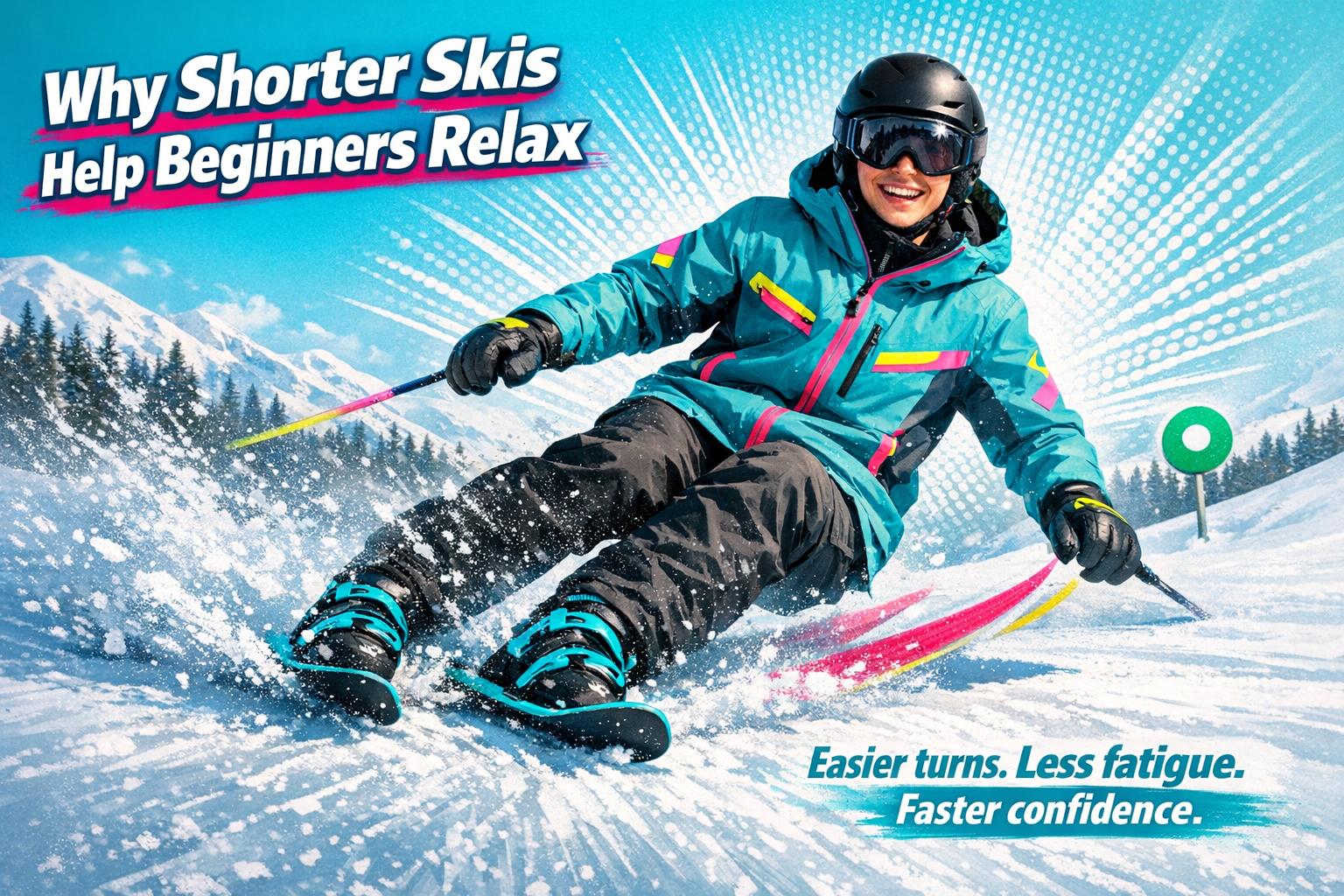
Traditional ski gear can feel like an uphill battle for beginners, but Snowfeet* flips the script with its compact design. The idea is simple: shorter skis are easier to handle, demand less effort, and give you better control. That means you can spend less time struggling and more time enjoying your time on the mountain.
Lighter and Easier to Carry
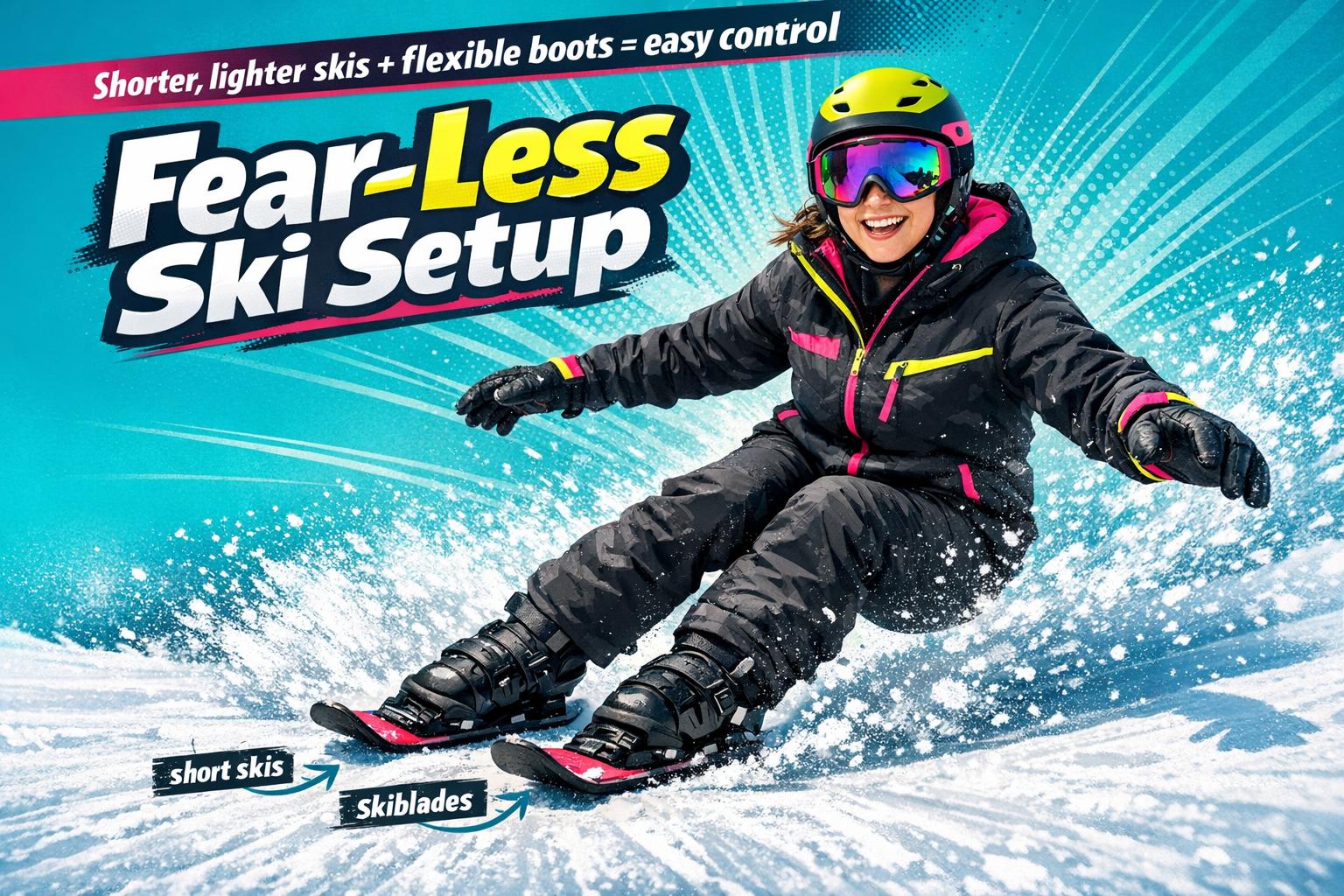
Let’s face it, lugging around traditional skis isn’t fun. Most adult skis are between 59 and 71 inches long and can weigh up to 12 pounds per pair. Snowfeet* gear, on the other hand, is a game-changer. Skiskates are just 44 cm (about 17 inches), and Skiblades start at 65 cm (about 26 inches). This compact size makes a huge difference. From the parking lot to the lift, lighter gear is easier to carry, and when you take a tumble, recovering is much less of a hassle.
Easier to Control and Learn On
Here’s where the shorter length really shines: control. Snowfeet* products, whether it’s the 44 cm Skiskates or the 65–99 cm Skiblades, offer a tighter turning radius. A small shift in weight is all it takes to steer, so you don’t need super strong legs or flawless technique to get the hang of it. This makes the learning process way less intimidating and much more fun.
Works with Regular Winter Boots
One of the biggest hurdles for beginners is dealing with traditional ski boots. They’re stiff, heavy, and honestly, pretty uncomfortable. Snowfeet* short skis and Skiskates solve this problem by being compatible with regular winter boots. No need to rent or wrestle with clunky alpine ski boots. This not only keeps your feet happier but also lets you focus on getting your balance and movements down without the distraction of painful footwear.
The table below breaks down how Snowfeet* gear stacks up against traditional options.
Snowfeet* vs. Standard Ski Gear: Side-by-Side Comparison
| Feature | Snowfeet* Short Skis / Skiskates | Traditional Long Skis | Snowboard |
|---|---|---|---|
| Length | 44–120 cm (17–47 in) | 150–180+ cm (59–71+ in) | 140–165 cm (55–65 in) |
| Weight | Lighter, compact | Up to ~12 lbs per pair | ~4–7 lbs (without bindings) |
| Ease of Turning | Quick, small movements | Requires stronger leg effort | Requires full-body coordination |
| Fitness Requirement | Low to moderate | Moderate to high | Moderate to high |
| Boot Compatibility | Works with regular winter boots | Dedicated ski boots required | Dedicated snowboard boots required |
| Learning Curve | Short, beginner-friendly | Steeper for new skiers | Steep, especially for balance |
| Price Starting At | From $575 (Skiskates) | Varies; rentals ~$40–$60/day | Varies; rentals ~$40–$60/day |
With these beginner-friendly advantages, Snowfeet* gear makes hitting the slopes a smoother and more enjoyable experience right from the start.
Practical Tips for Learning to Ski When You Are Not at Peak Fitness
Start on Easy Terrain and Soft Snow
Stick to green runs with a gentle 10–15° slope. These beginner-friendly areas are perfect for building confidence. Groomed snow, typically found in the morning after overnight grooming, makes it easier for Snowfeet* short skis and Skiskates to grip naturally. Avoid icy or hard-packed snow - it requires more strength and precision, which can be tough for beginners.
Go at Your Own Pace and Rest Often
Take it slow and give yourself plenty of breaks. Plan for short sessions, around 60–75 minutes on the slopes, followed by a 15–20 minute rest. This approach lets you get in 6–10 runs on easy green terrain without overexerting yourself. Pay attention to signs of fatigue, like burning thighs that don't ease up after a minute, trouble keeping a slight knee bend, or more frequent falls. When you notice these, it’s time for a break. The lightweight Snowfeet* gear can help you recover faster between runs, so you’ll have more energy to keep going.
Simple Exercises to Do Before Your First Ski Trip
A little off-slope prep can go a long way. Even 2–3 weeks of light exercise before your trip can make a noticeable difference. Aim for three short sessions a week, about 20–30 minutes each. Here’s a simple routine to get you ready:
- Bodyweight squats: 2–3 sets of 8–12 reps to strengthen your quads and glutes.
- Supported lunges: 2 sets of 6–8 reps per leg, using a chair or wall for balance, to mimic weight shifts during turns.
- Wall-sits: Hold for 20–30 seconds to build endurance.
- Light cardio: Do 10–15 minutes of brisk walking or easy cycling to improve stamina.
- Single-leg balance holds: Hold for 20–30 seconds per side to enhance stability.
This routine helps reduce soreness and improves balance, making your first day with Snowfeet* gear smoother.
Beginner Techniques for Snowfeet* Gear
Once you’re warmed up, focus on mastering the basics. Start with a relaxed, athletic stance. Keep your feet hip-width apart, knees slightly bent, and hips centered above your feet. Hold your hands forward at about waist height, and keep your weight on the balls of your feet. This stance allows the skis to respond easily to small movements, so you won’t need to make big, forceful shifts.
For turning, gently shift your weight to the outside foot while angling the tips of your skis slightly inward. Snowfeet* gear is very responsive, so small, controlled movements are all you need to change direction.
If you take a tumble, don’t panic! Roll onto your side, bring your knees toward your chest, and position the skis beneath you. Use one hand on the snow for support as you push yourself into a kneeling position, then stand up. Practicing this recovery move on flat terrain beforehand can save energy and boost your confidence.
Conclusion: Skiing Is for Everyone with Snowfeet*
You don’t need to be in top shape to hit the slopes. What truly matters is having the right equipment, taking it slow, and building confidence over time. Traditional long skis can feel heavy and tricky for beginners to manage. That’s where Snowfeet* short skis and Skiskates come in. Designed to be lighter, shorter, and easier to handle, they make skiing more approachable and fun, so you can focus on improving your skills and soaking in the thrill of each run.
FAQs
How do I know if I’m fit enough to ski safely?
You don’t have to be a pro athlete to enjoy skiing safely. Traditional skis from brands like Rossignol or Atomic tend to be long and heavy, which can demand more strength and skill to handle. On the other hand, Snowfeet products, like their 44 cm Skiskates or 65–120 cm Skiblades, are lightweight and compact. This means less physical strain and a more manageable experience on the slopes. With their intuitive, skate-like design, they make skiing simpler and more fun - perfect for beginners or anyone with an average fitness level.
Are Snowfeet* Skiblades or Skiskates allowed at U.S. ski resorts?
Yes, you can use Snowfeet Skiblades and Skiskates at U.S. ski resorts. These compact and lightweight options are a great alternative to traditional skis and snowboards. Designed for easy maneuvering on groomed slopes, they’re ideal for beginners learning the ropes or seasoned riders looking for more agility. Plus, they’re a low-maintenance and affordable way to hit the slopes without the hassle of bulky gear.
What size Snowfeet* should a beginner choose (44 cm, 65 cm, 99 cm, or 120 cm)?
For those just starting out, the 44 cm Skiskates are a fantastic choice. Their small, lightweight build helps make balancing, stopping, and gaining confidence much simpler than using regular skis. If you're looking for a bit more stability and a smoother carving experience, the 65 cm Skiblades are another excellent option for beginners. Both options offer improved control and easier maneuverability compared to the long, heavy gear typical of traditional skiing.











Оставить комментарий
Этот веб-сайт защищается hCaptcha. Применяются Политика конфиденциальности и Условия использования hCaptcha.