
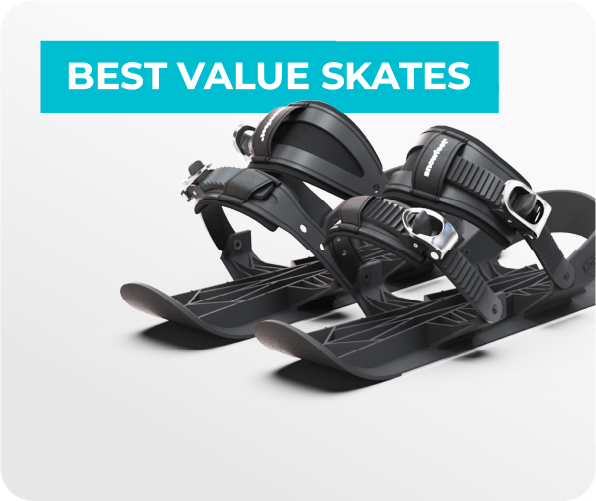
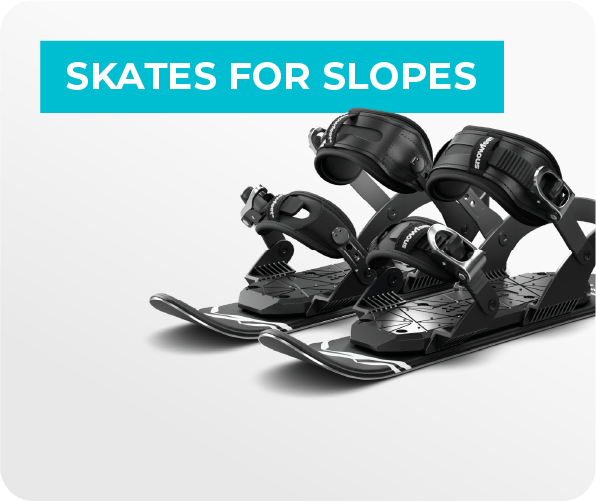
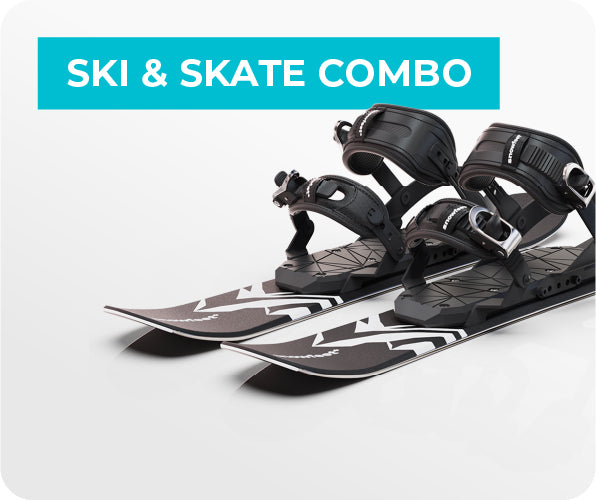
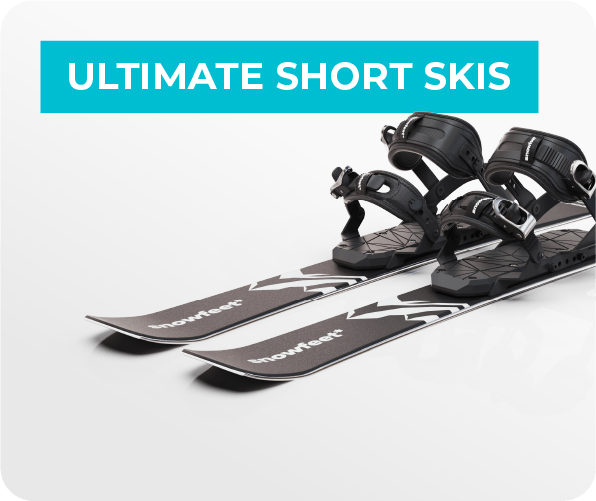
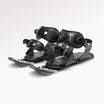
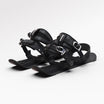
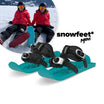
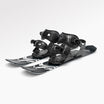
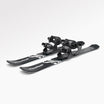
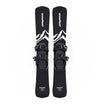
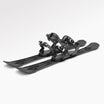
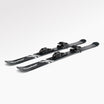
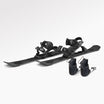
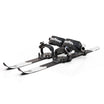
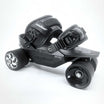
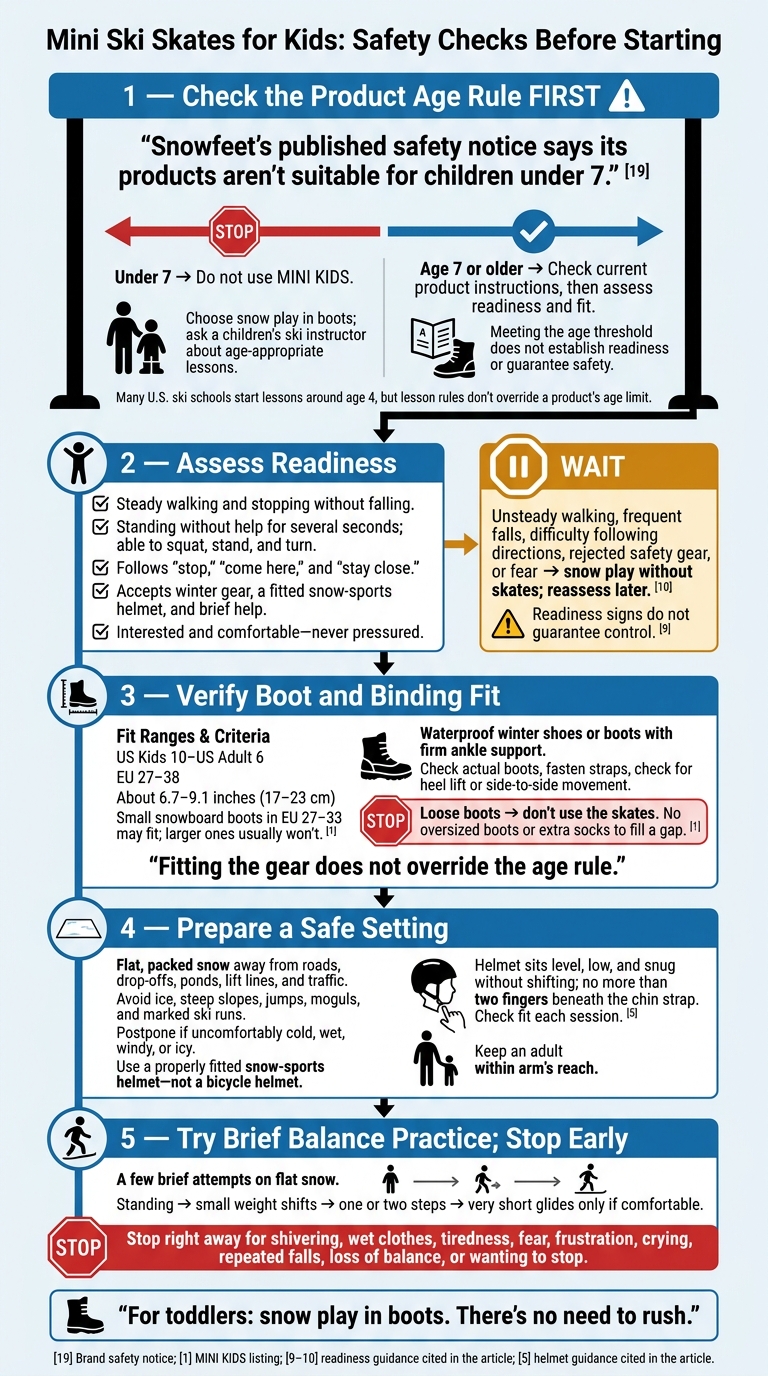
I wouldn’t put a toddler on Snowfeet MINI KIDS: the brand’s published safety notice says its products aren’t suitable for children under 7. That limit comes before balance, boot size, or a child’s wish to try.
Here’s what I’d check before planning a first session:
- Age rules: Many U.S. ski schools start lessons around age 4, but lesson rules don’t override a product’s age limit.
- Readiness and fit: Look for steady walking, simple direction-following, and interest. MINI KIDS lists sizes US Kids 10–US Adult 6, but fitting the gear doesn’t mean a child should use it.
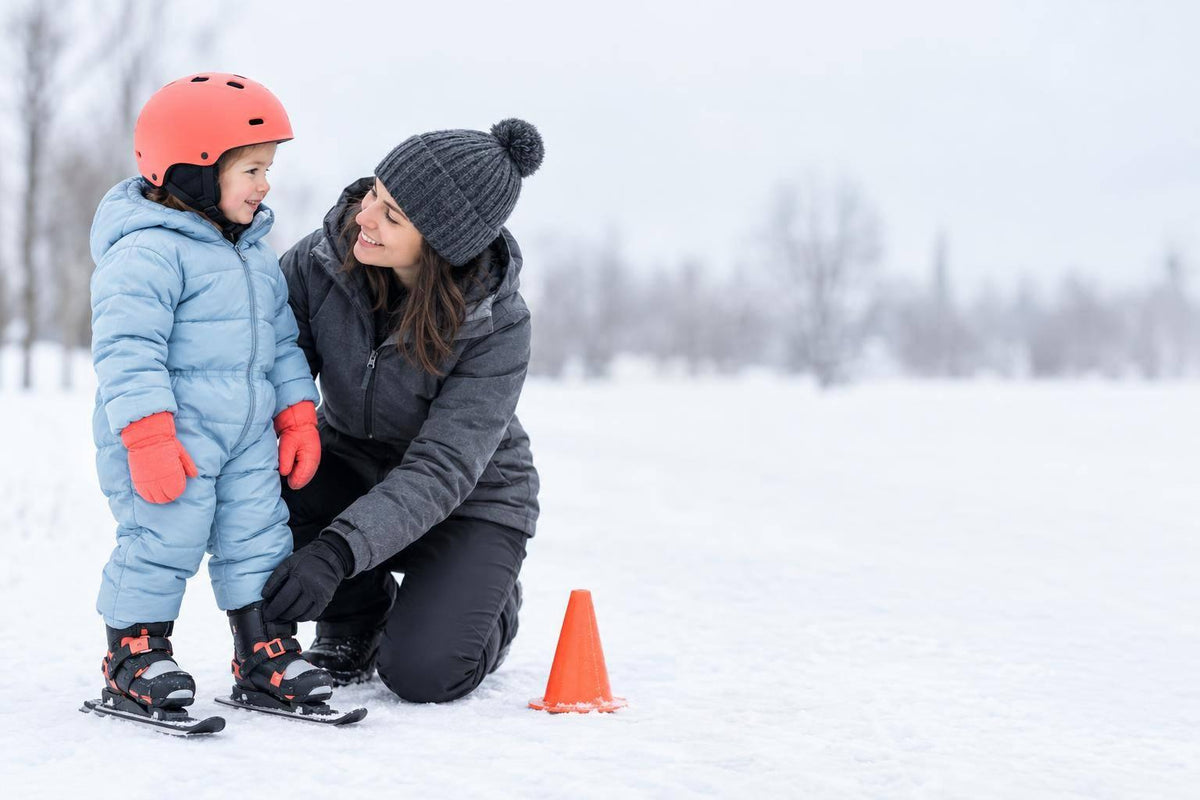
- A safe first try: For children who meet the product’s rules, I’d choose flat snow, a fitted snow-sports helmet, and an adult within arm’s reach. Keep it brief and stop at signs of cold, fear, or fatigue.
For toddlers, my advice is simple: start with snow play in boots and ask a children’s ski instructor about age-appropriate lessons. <u>There’s no need to rush.</u>
Mini Ski Skates for Kids: Safety Checks Before Starting
Check Your Toddler’s Readiness
AAP guidance focuses on strength and cooperation, not age alone. It’s general advice - not an age cutoff or endorsement for mini ski skates. If your child shows these signs, check fit next.
Look for Steady Walking, Balance, and Cooperation
Start with a short check on level ground, in winter boots and without skates. Look for steady walking, stopping without falling, and standing without help for several seconds. Ask your child to squat, stand, and turn.
During normal play, see if your child follows simple directions like stop, come here, and stay close without constant reminders. They should accept boots, gloves or mittens, and a fitted snow sports helmet. They should also stay calm during a short try-on and accept brief help.
Let your child’s interest lead - don’t pressure them to join in. These signs suggest readiness, but they don’t guarantee control.
Know When to Wait
Wait if walking is unsteady, falls are frequent, directions are hard to follow, safety gear is rejected, or fear shows up.
Choose winter play without skates instead:
Make snow shapes, walk together on flat packed snow, or practice stopping in boots.
Check again as balance and cooperation improve, rather than setting a deadline. If you’re unsure, ask a qualified children’s ski instructor to assess readiness. Talk with your pediatrician about concerns with strength, coordination, development, or past injuries.
If your child seems ready, check boot size and binding fit next.
Check Snowfeet* MINI KIDS Fit and Requirements
Once you’ve checked readiness, review the current MINI KIDS listing for size limits, footwear, and binding requirements.
Verify Shoe Size, Footwear, and Binding Fit
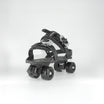
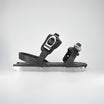
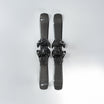
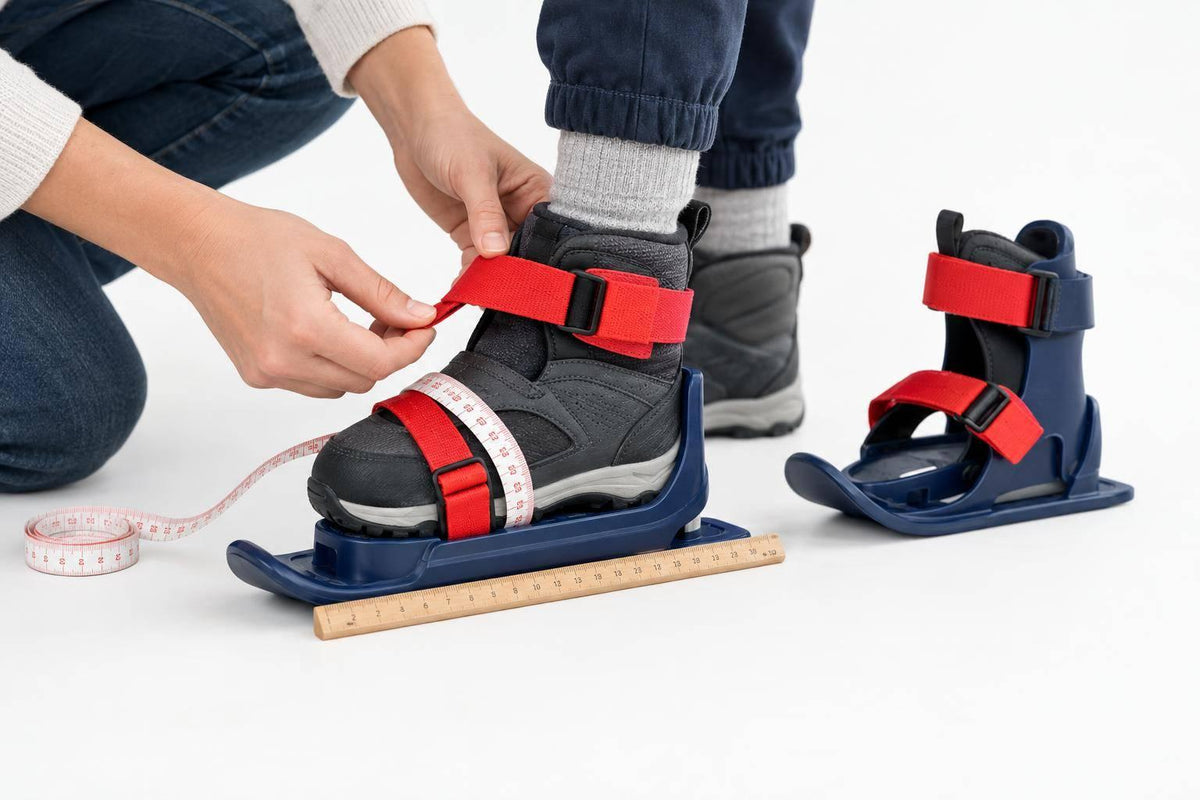
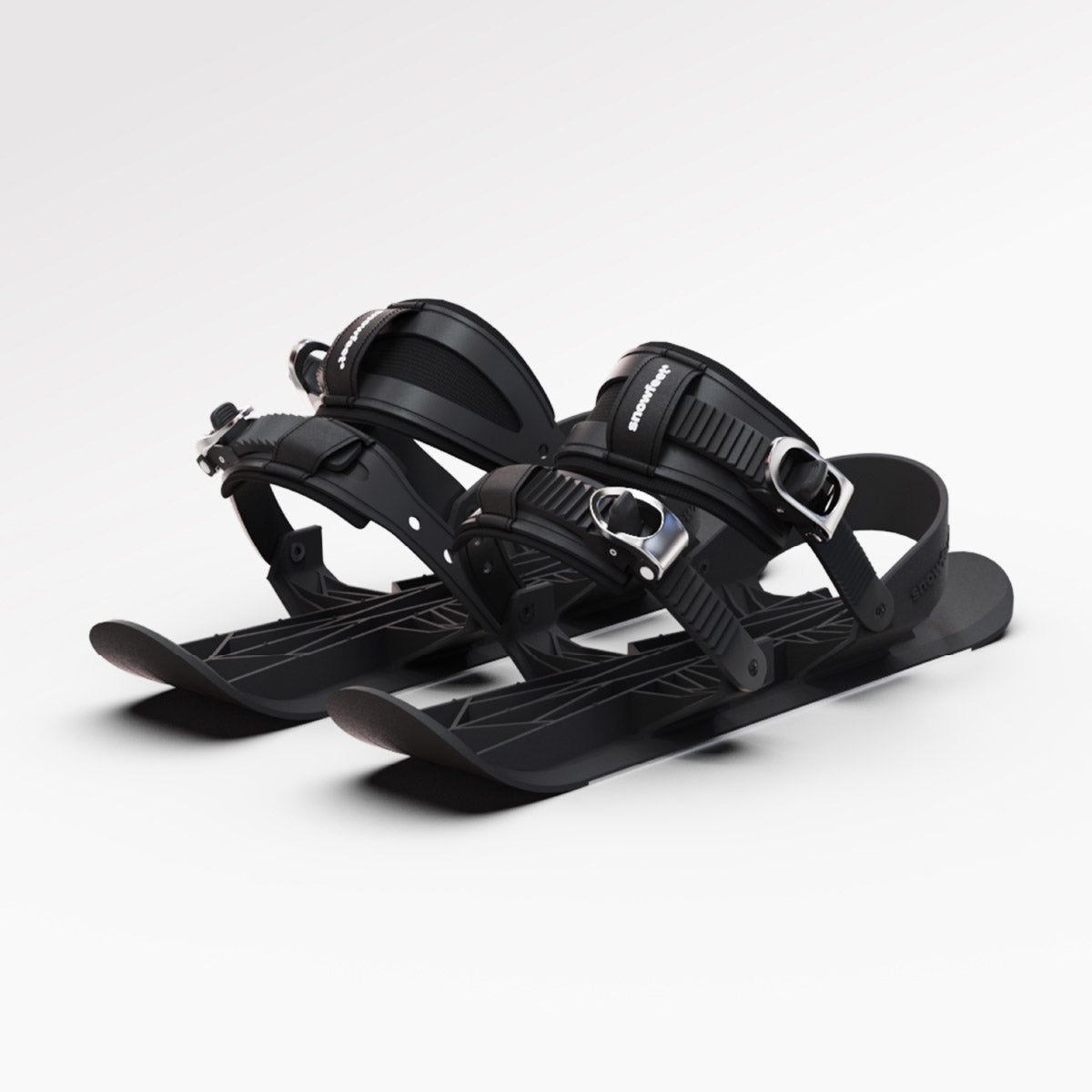
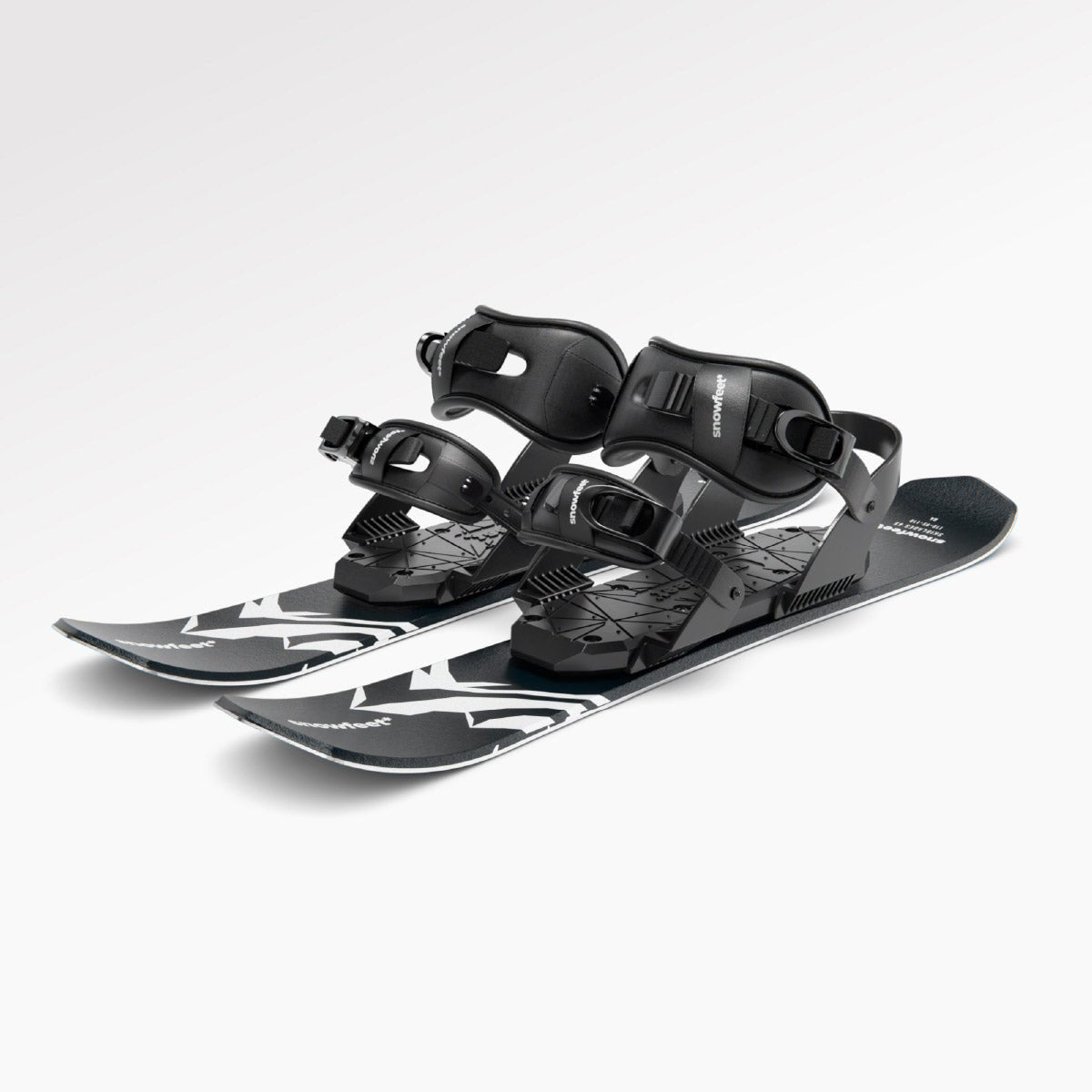
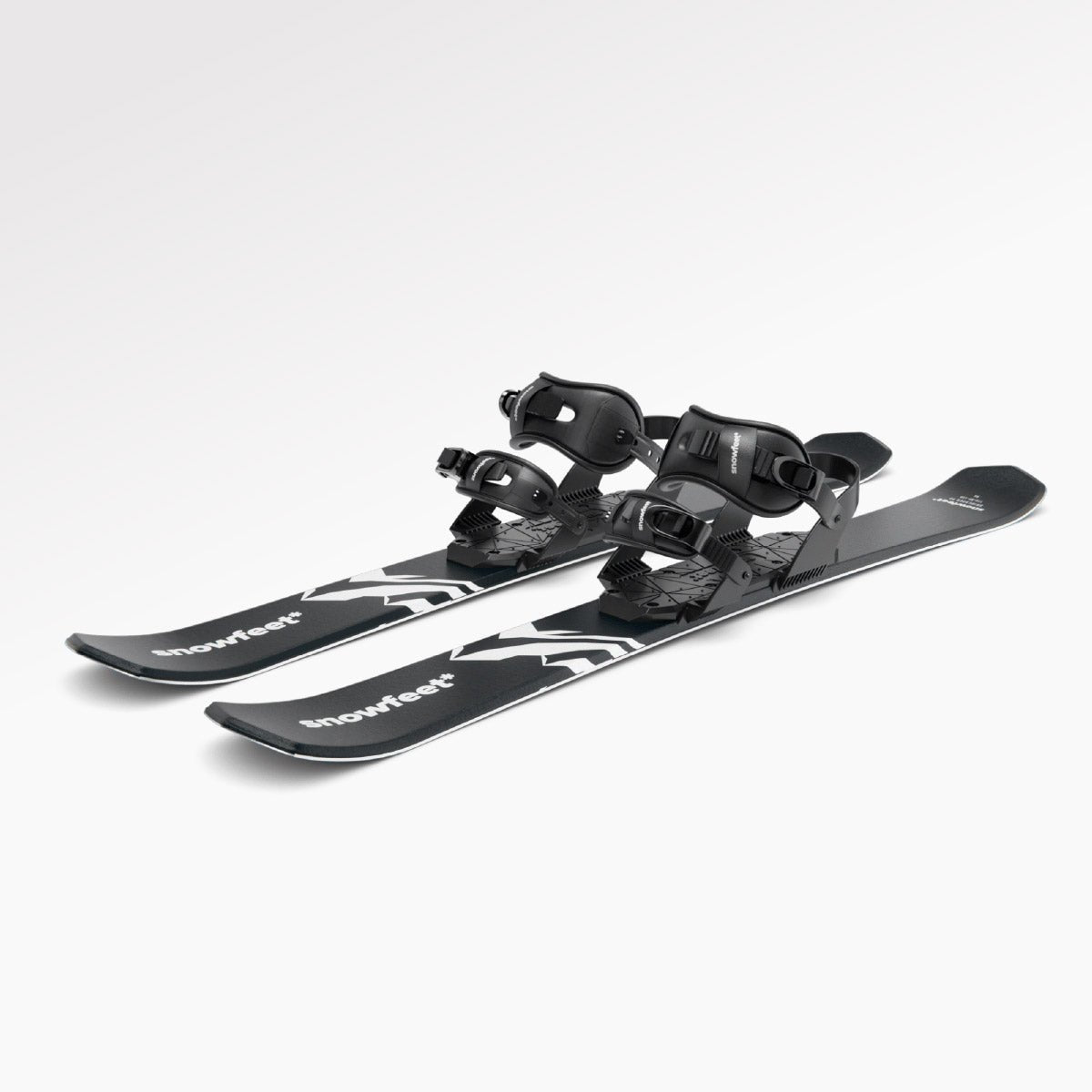
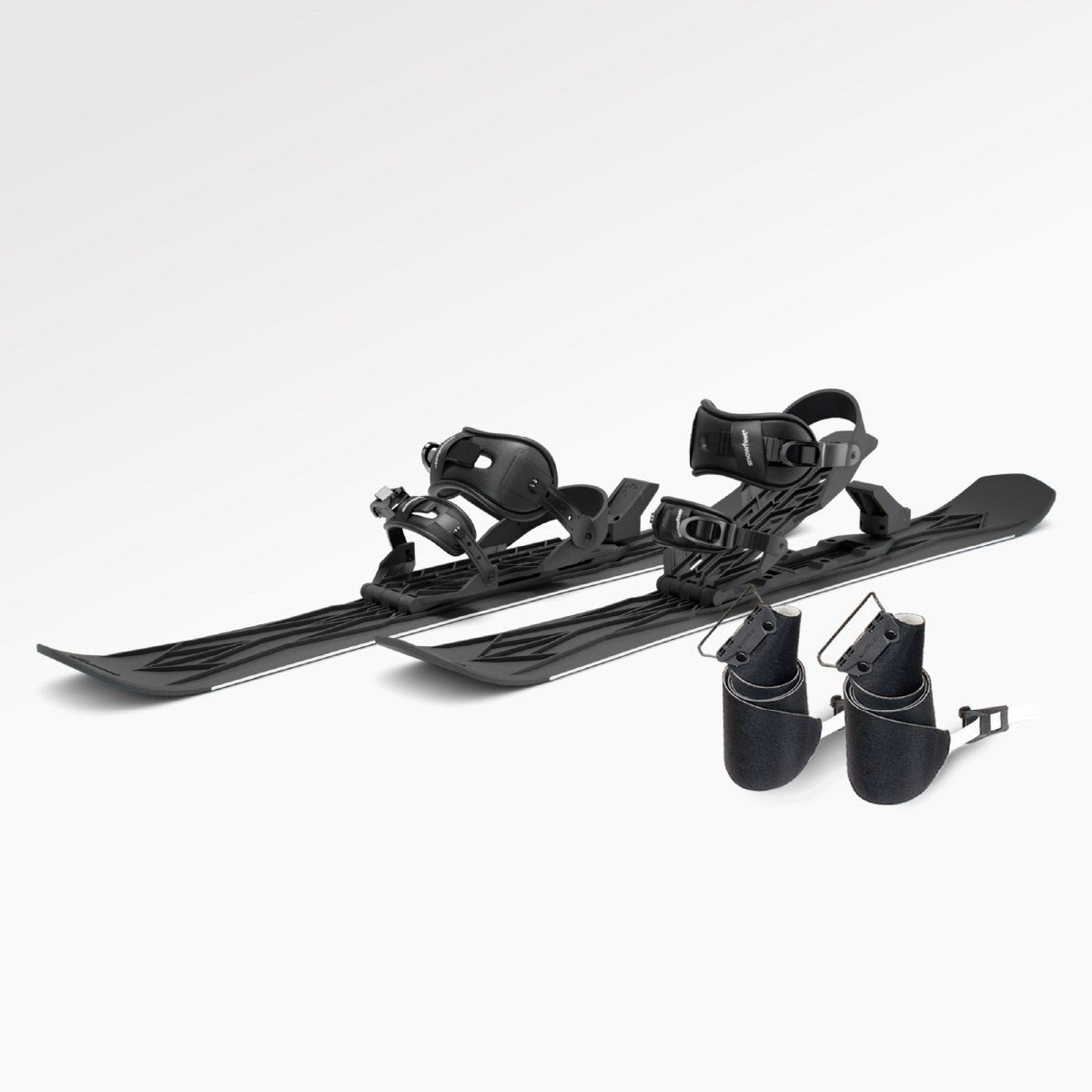
MINI KIDS fits US Kids 10 through US Adult 6, or EU 27–38 - about 6.7–9.1 inches (17–23 cm). Choose waterproof winter shoes or boots with firm ankle support. Small snowboard boots in EU 27–33 may fit, but larger ones usually won’t.
Check the fit with the child’s actual winter boots. Don’t rely on the size label alone. Fasten the straps as instructed, then check whether the heel lifts or the boot shifts from side to side. If the boot stays loose, don’t use the skates. Don’t use oversized boots or add extra socks to fill a gap.
Compare MINI KIDS, Children’s Skis, and Lesson Rentals
| Fit or setup factor | Snowfeet* MINI KIDS | Children’s skis | Lesson rentals |
|---|---|---|---|
| Footwear | Suitable waterproof winter shoes; some small snowboard boots | Dedicated ski boots | Professionally fitted ski boots |
| Portability | Fits in a backpack; a pair weighs about 2.52 lb. | Longer equipment to carry and store | Picked up and returned at the resort |
| Learning setup | Closely supervised play on gentle snow, using a skating-style motion | Structured downhill learning and skill building | Instructor-led lessons |
| Required fit checks | Shoe size range, ankle support, secure straps, and heel movement | Boot fit, ski sizing, and professional binding adjustment | Technician checks boot fit, equipment size, and binding settings |
For casual first tries, MINI KIDS offers the simplest setup. Children’s skis and lesson rentals are better suited to building skills with an instructor.
If the fit checks out, keep the first session short and stick to flat snow.
sbb-itb-17ade95
Plan a Short First Session With Close Supervision
If your child passes the readiness and fit checks, review Snowfeet’s MINI KIDS age guidance before their first try: Snowfeet’s published safety notice says its products are not suitable for children under 7.
Choose Flat Snow and Fit a Snow-Sports Helmet
Pick flat, packed snow away from roads, drop-offs, ponds, lift lines, and traffic. Stay clear of ice, steep slopes, jumps, moguls, and marked ski runs. Check the air temperature and wind chill. Postpone the session if it’s uncomfortably cold, wet, windy, or icy.
Use a properly fitted snow-sports helmet - not a bicycle helmet. It should sit level and low on your child’s forehead. The fit should be snug, with no shifting when they shake their head. Adjust the chin strap so no more than two fingers fit beneath it. Check the fit each session, especially with a hat or balaclava underneath.
Practice Standing, Small Steps, and Short Glides
Start with simple balance drills once the setup is ready. Practice outdoors unless the product instructions explicitly allow indoor use. Stay within arm’s reach and face your child. Steady them without pulling.
Begin with standing, then try small weight shifts and one or two steps. Move to very short glides only if your child still feels comfortable.
Keep the session to a few brief attempts on flat snow, focused only on balance practice. Stop right away if your child shivers, has wet clothes, feels tired, scared, or frustrated, cries, falls repeatedly, loses their balance, or wants to stop.
Conclusion: Start Only When Readiness and Fit Align
There’s no single age to start. A good fit doesn’t mean your toddler is ready. Reassess only when your child’s readiness lines up with the current size and fit requirements.
MINI KIDS can be a convenient option once your child is ready. Before buying, check the current MINI KIDS fit requirements.
If readiness and fit line up, try a short session on flat snow with close supervision and a snow-sports helmet. Otherwise, wait.
FAQs
Can my child take ski lessons before age 7?
Yes. Some resort ski programs start at age 3 or 4, but heavy gear and complex equipment can make formal lessons tough for younger kids.
Snowfeet MINI KIDS is a better starting option for younger children who meet its age and fit requirements. It works with comfy winter boots, which means less fuss with boots and less fatigue. Kids can build balance and confidence on gentle terrain before joining a formal resort program.
How can I prepare my toddler for skiing without skates?
Start indoors. Have your toddler wear winter boots for 15 to 20 minutes. Play Simon Says on the carpet, with squats and one-foot lifts to help them practice balance.
Then head to the backyard. Practice putting gear on and taking it off, taking high steps, and falling safely on soft grass or flat, packed snow. Once your toddler is ready for snow, Snowfeet MINI KIDS attach to winter boots and offer a lighter, more compact option than long skis.
Are mini ski skates allowed at my local ski resort?
Snowfeet mini ski skates are typically allowed at most U.S. ski resorts because they have metal edges like standard skis. Rules vary, though, so check with your resort before you go.
If staff ask, explain that they work like regular skis. Stick to groomed trails, and tell lift operators you’re using mini skis so they can help you stay safe.


Lasă un comentariu
Acest site este protejat de hCaptcha și hCaptcha. Se aplică Politica de confidențialitate și Condițiile de furnizare a serviciului.