
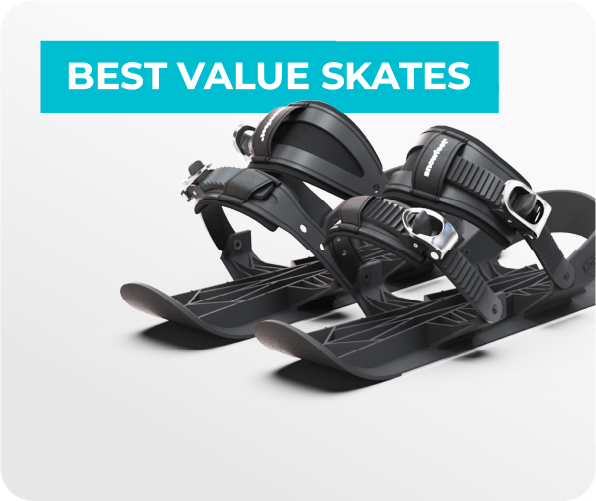
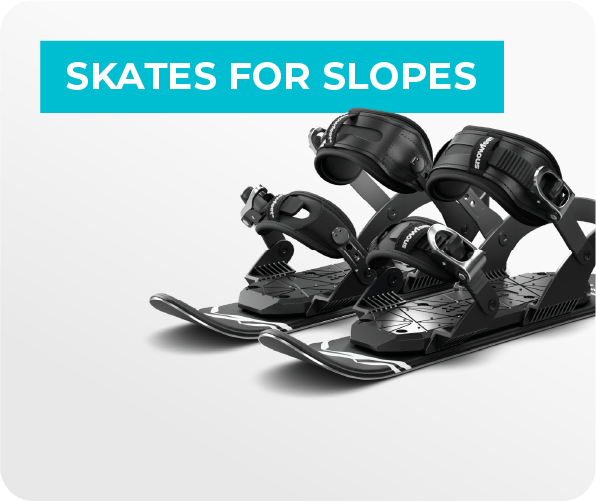
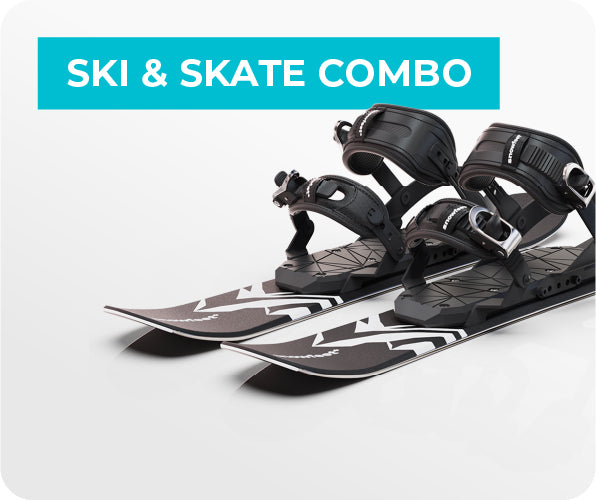
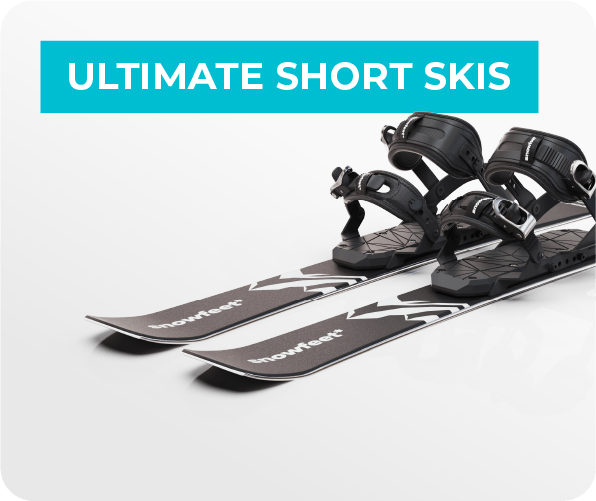
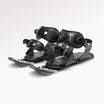
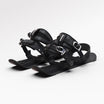
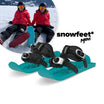
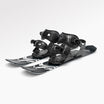
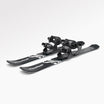
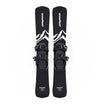
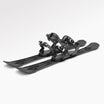
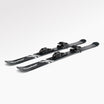
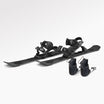
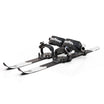
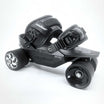
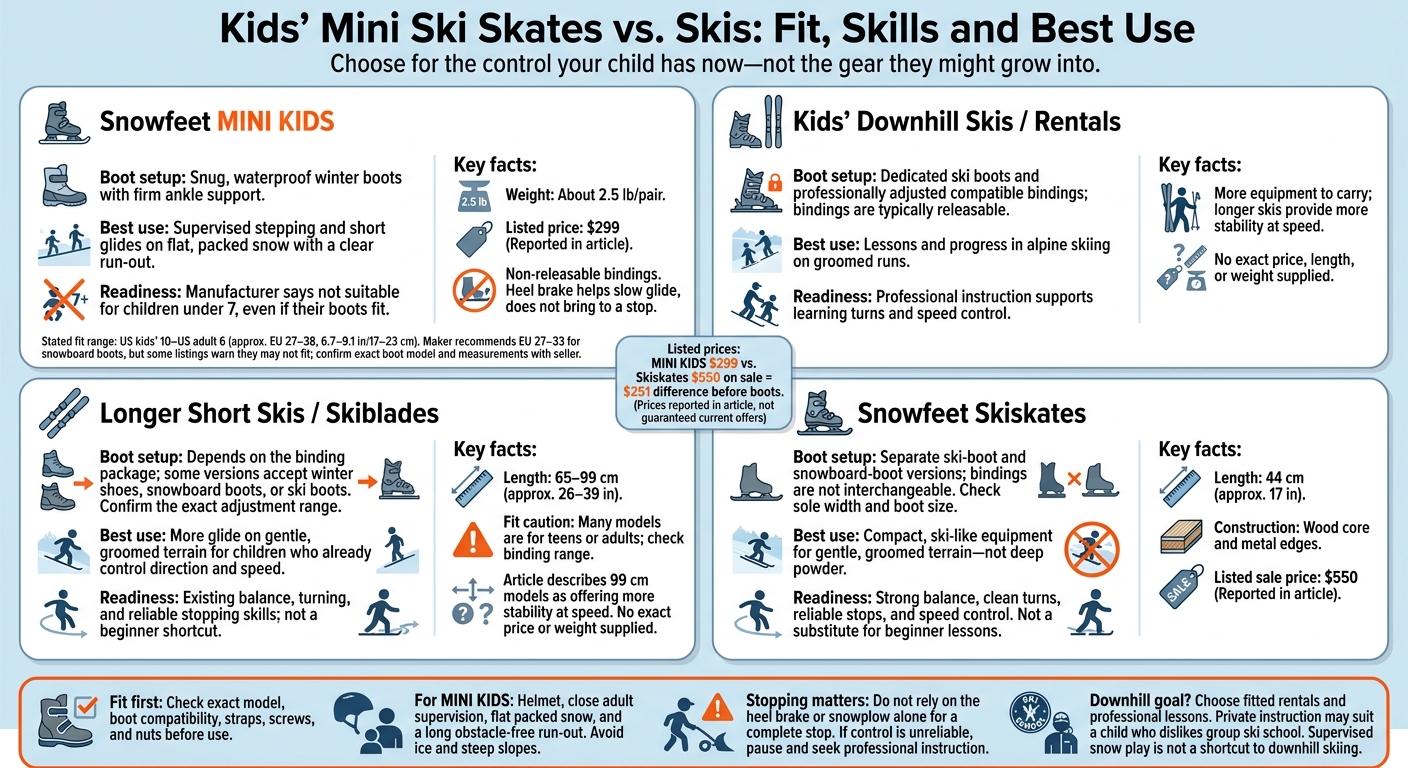
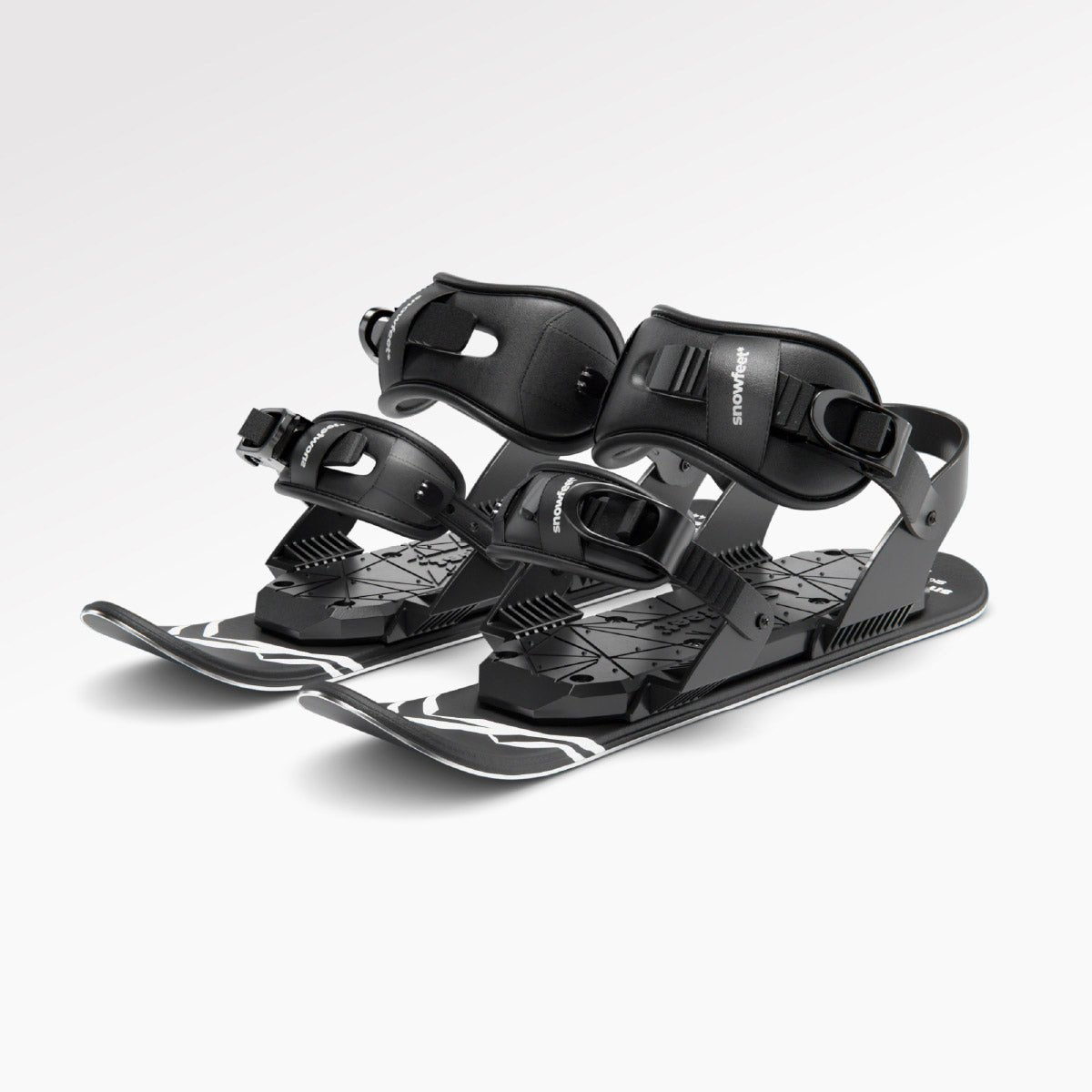
I’d choose Snowfeet MINI KIDS for supervised snow play - not as a shortcut to downhill skiing. They weigh about 2.5 pounds per pair and work with well-fitted winter boots. But the maker says they’re not for kids under 7, even if their boots fit.
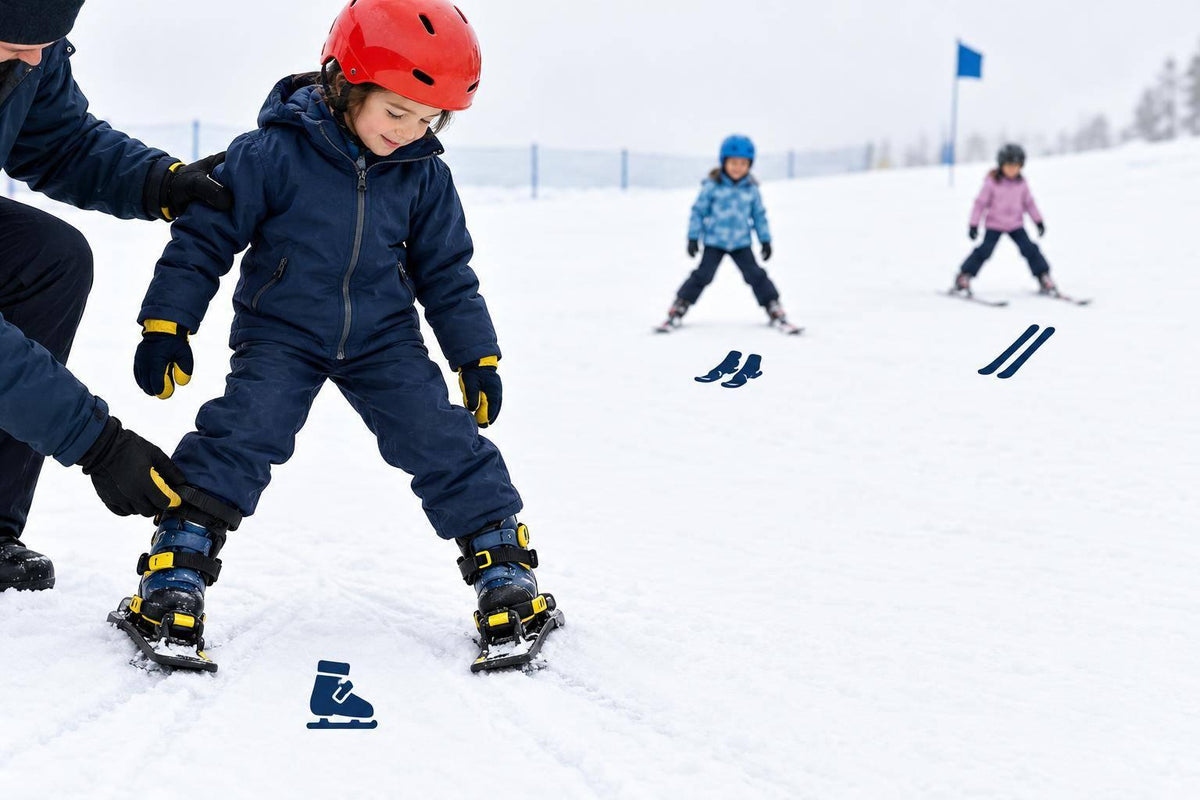
My first check? Boot fit, then stopping control. Start on flat, packed snow with a clear run-out, a helmet, and close adult supervision. The heel brake helps slow a glide; it doesn’t bring it to a stop.
Here’s how I’d sort the four choices:
Quick Comparison
| Option | Boot setup | Where I’d start |
|---|---|---|
| MINI KIDS | Snug winter boots with firm ankle support | Low-pressure stepping and short glides |
| Kids’ downhill skis or rentals | Ski boots and professionally adjusted bindings | Lessons and progress in downhill skiing |
| 65–99 cm skiblades | Depends on the binding package | Kids who already control turns and speed |
| 44 cm Skiskates | Model-specific ski or snowboard boots | Kids with strong balance and reliable stops |
The article lists MINI KIDS at $299 and Skiskates at $550 on sale - a $251 gap before boots. I’d check today’s price, boot requirements, and return terms before buying.
My rule: <u>pick gear for what your child can control now</u>. If group lessons didn’t click, I’d try private instruction rather than skip help with stopping. Snow time can feel like play without turning into a downhill guessing game. :)
Kids’ Mini Ski Skates vs. Skis: Fit, Skills and Best Use
Snowfeet Mini hit the slopes | for Kids & Adults with small feet
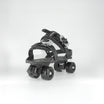
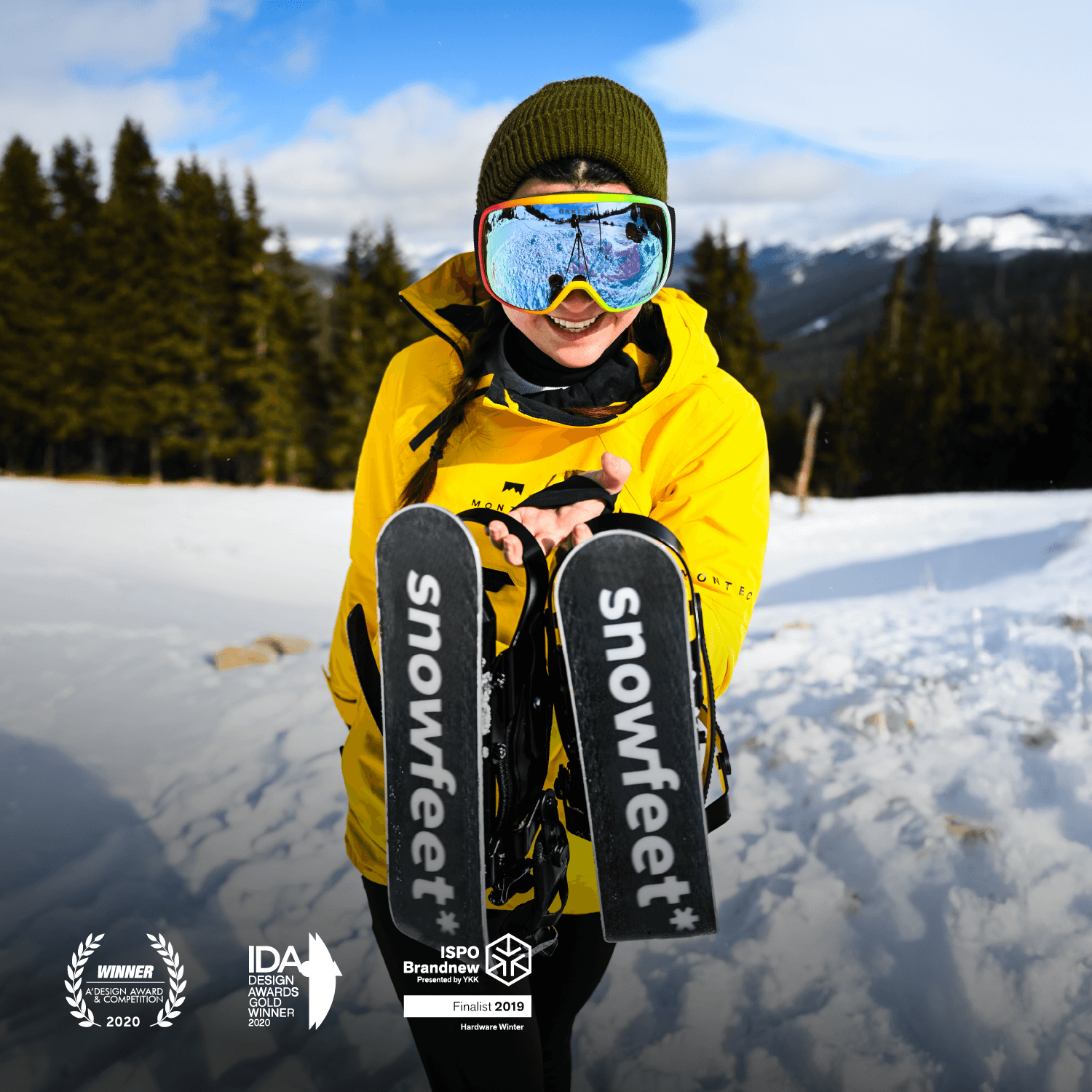
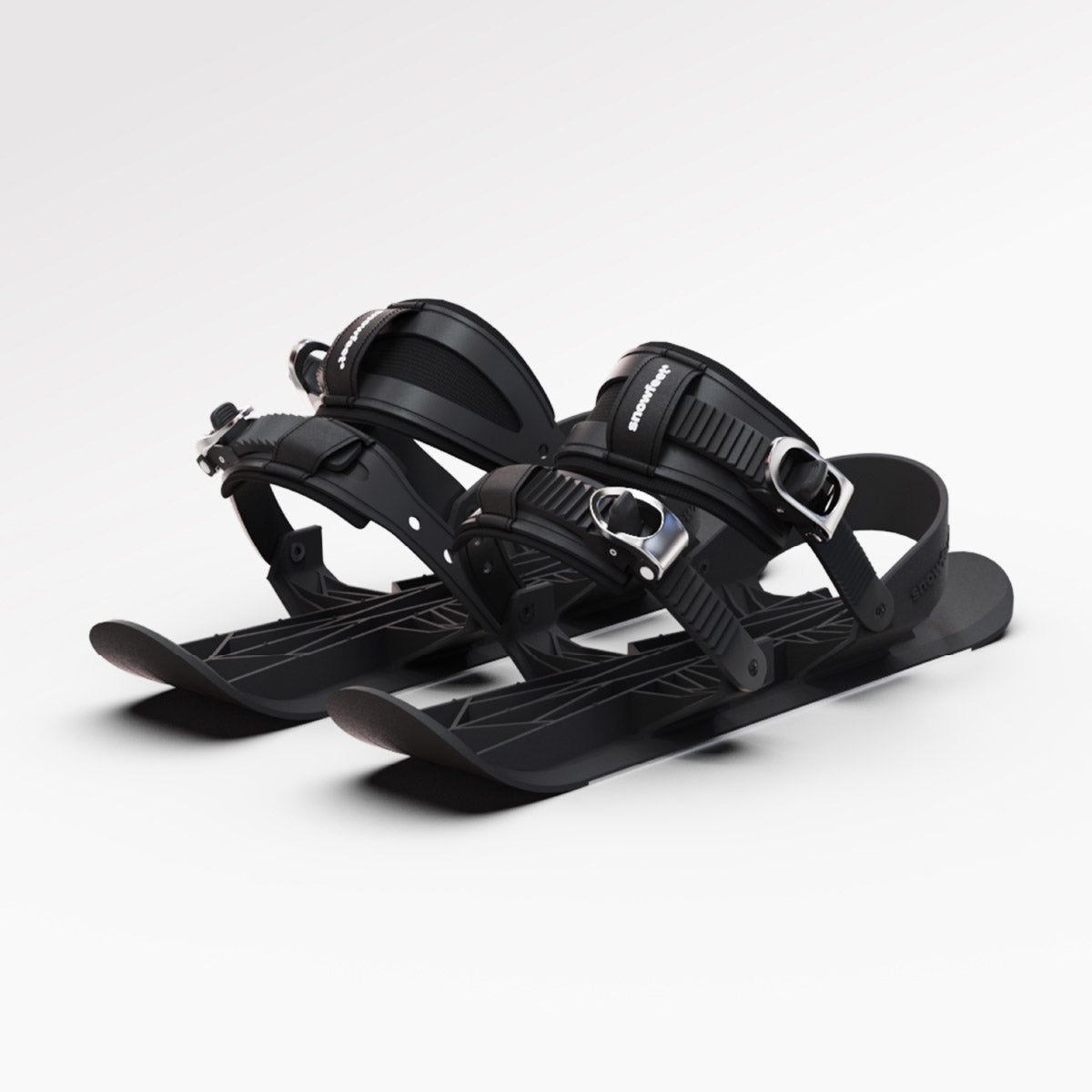
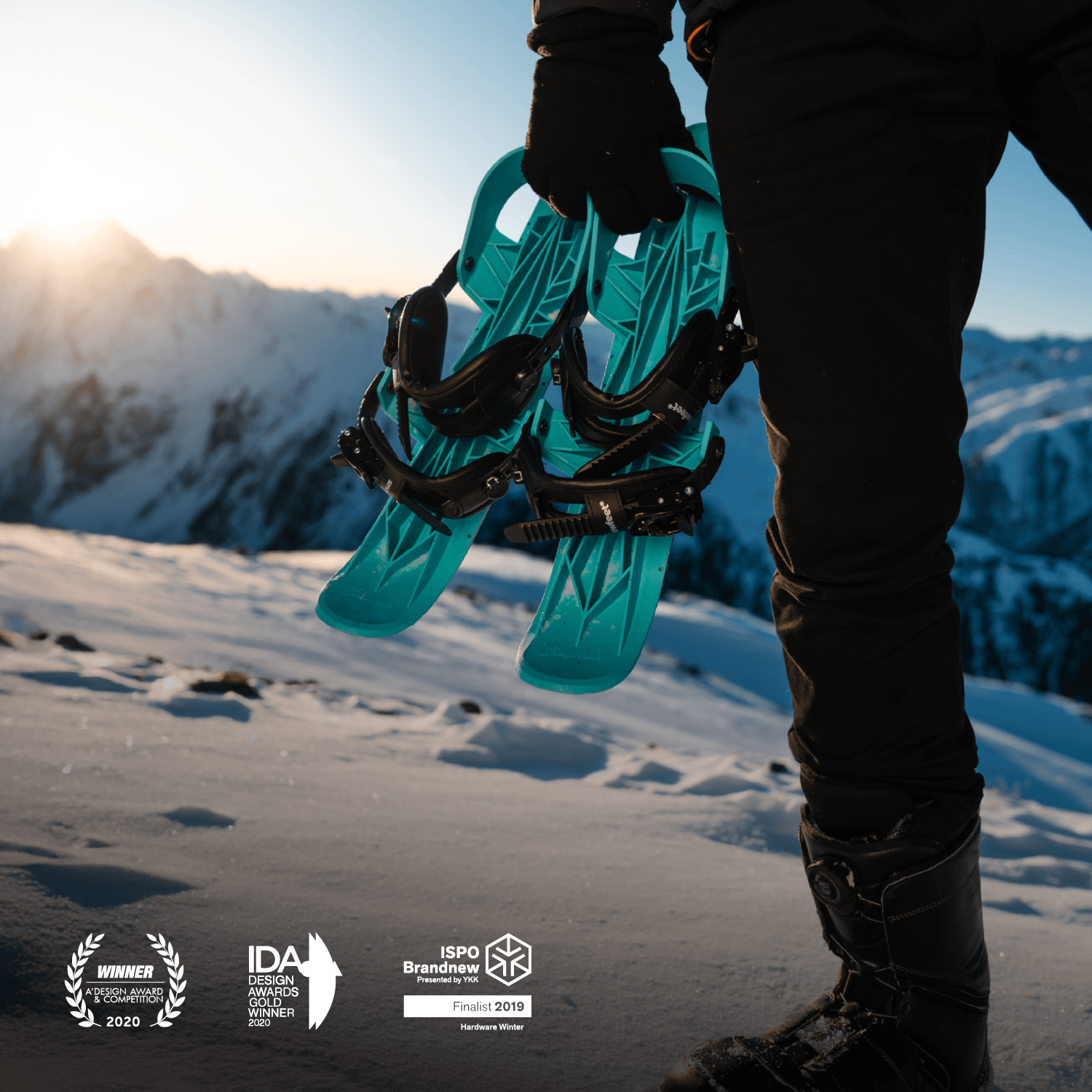
1. Snowfeet* MINI KIDS
MINI KIDS weigh about 2.5 pounds per pair, which keeps them light and easy to carry. The official store listed them at $299 at last check, so check the current price before buying. The manufacturer says they’re not suitable for children under 7, even if the size range matches.
Boot fit matters more than price. The stated range is US kids’ size 10 to US adult 6, or about EU 27–38 and 6.7–9.1 inches (17–23 cm). Treat those numbers as a guide, not a promise. Choose waterproof winter boots with firm ankle support, then measure the actual boot length and sole width.
Snowboard boots need a closer check. Snowfeet recommends about EU 27–33, but some listings warn that snowboard boots may not fit this kids’ model. Send the seller your boot model and measurements before you order.
Set the bindings indoors. Changing the size may take a screwdriver or a different strap hole. Check that the screws are tight, secure both straps, and check for too much heel lift. Then have your child try a few steps on flat, packed snow. If the boots twist, pinch, or have loose straps, stop and readjust.
Pick a spot with a long, flat run-out and no obstacles. Stay off ice and steep slopes, and make sure your child wears a helmet and has close adult supervision. The heel brake slows the run; it doesn’t stop it. If your child can’t slow down and stop reliably, use lessons to work on speed control. If MINI KIDS feel too limited, compare them with the ski-like options next.
2. Kids’ Downhill Skis and Ski-School Rentals
Downhill skis suit kids who are ready for ski school. They help kids learn turns and speed control on groomed runs. Longer skis also offer more stability at speed. For snow play, MINI KIDS are easier to use.
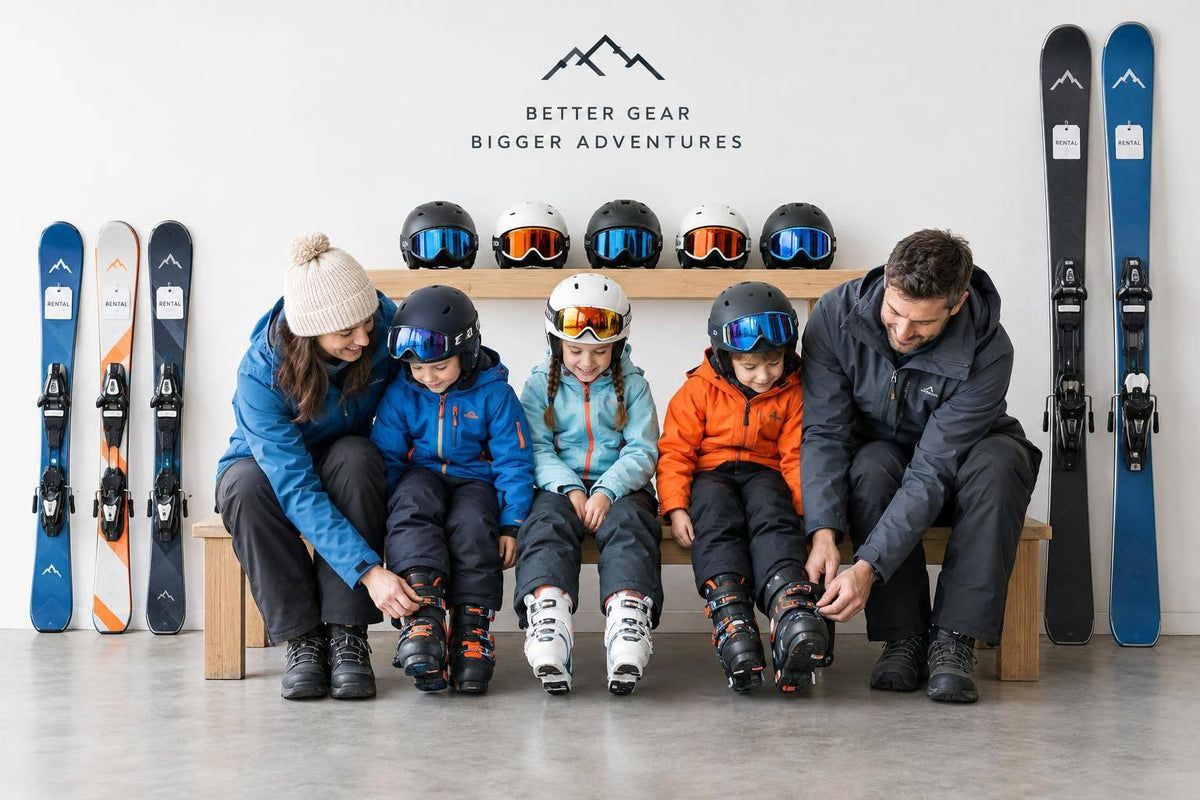
Downhill skis need ski boots and professionally adjusted bindings. Their bindings are typically releasable, while Snowfeet* bindings are non-releasable.
These setups are heavier, harder to handle, and cost more than mini-ski options. There’s also more gear to carry between the car, rental shop, and snow. For low-pressure snow play, Snowfeet MINI KIDS are simpler, lighter, and easier to handle*.
If your child wants more glide without full-size skis, the next option is longer short skis or skiblades.
3. Longer Short Skis or Skiblades
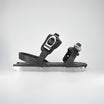
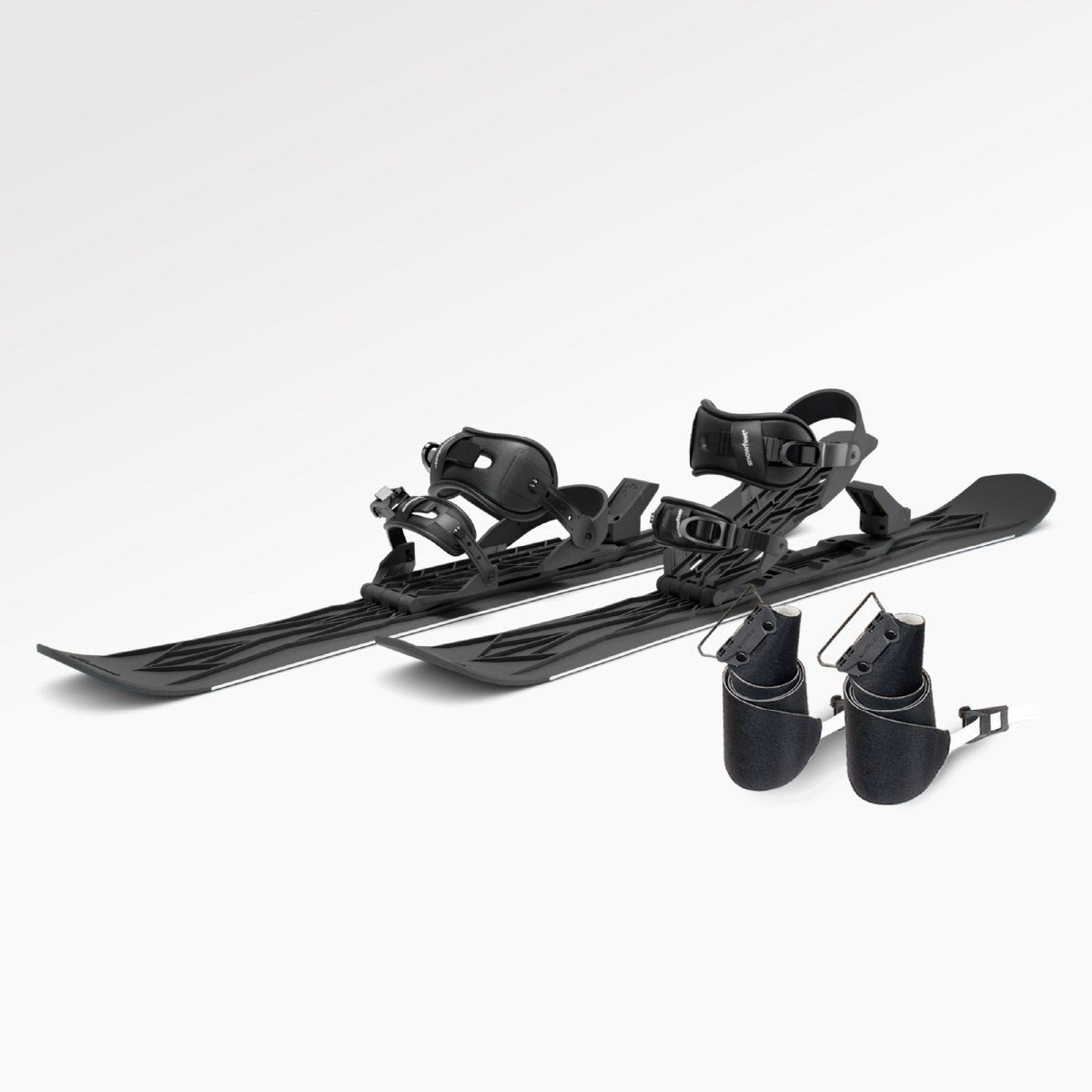
Snowfeet 65 CM Skiblades* are a step up from MINI KIDS. The 99 CM models offer more stability at speed and work better on groomed runs. Both take practice with balance, turns, and stops. They give kids more glide without moving straight to full skis.
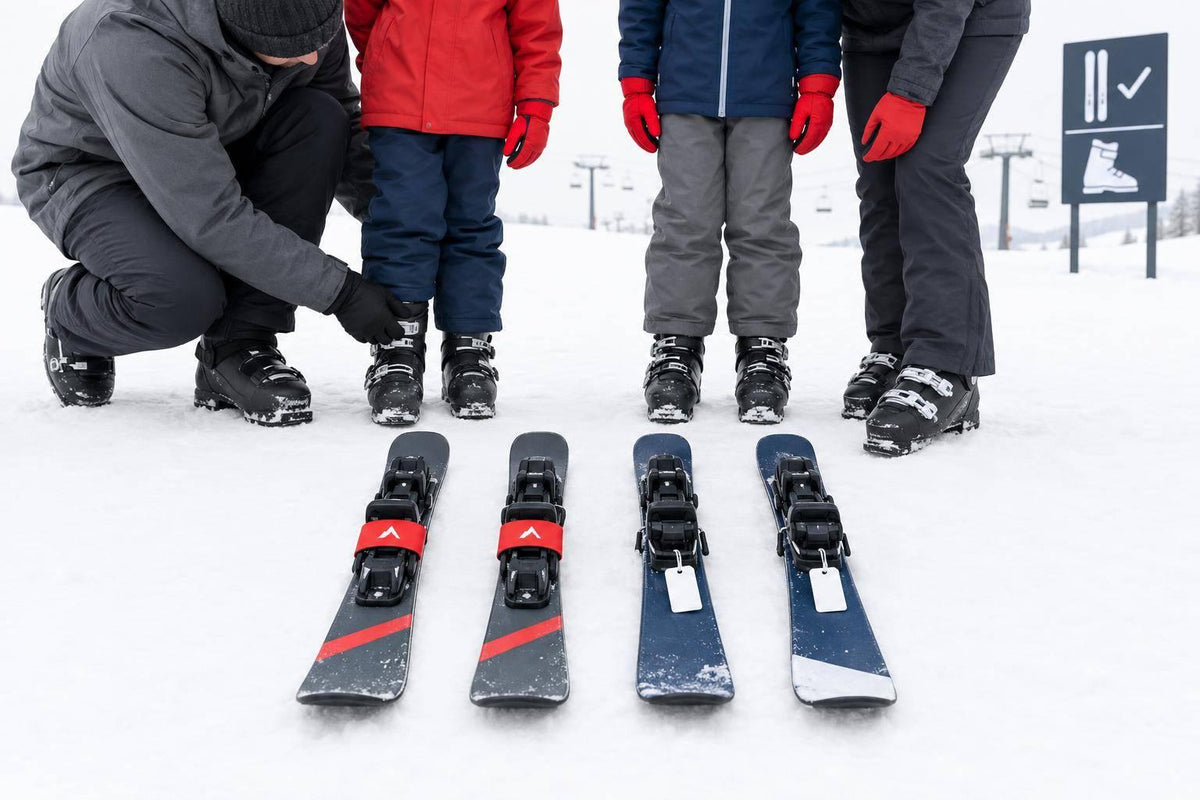
Check the binding package first. Some versions fit winter shoes, snowboard boots, or ski boots. The binding’s adjustment range must match your child’s boots.
Skiblades aren’t as easy to pack as MINI KIDS, which weigh about 2.5 pounds per pair. Move up when your child can control their direction and speed and wants more glide on gentle, groomed terrain. Otherwise, stick with MINI KIDS for supervised stepping and stopping practice.
For an even shorter, more skate-like feel, Skiskates are the next option.
sbb-itb-17ade95
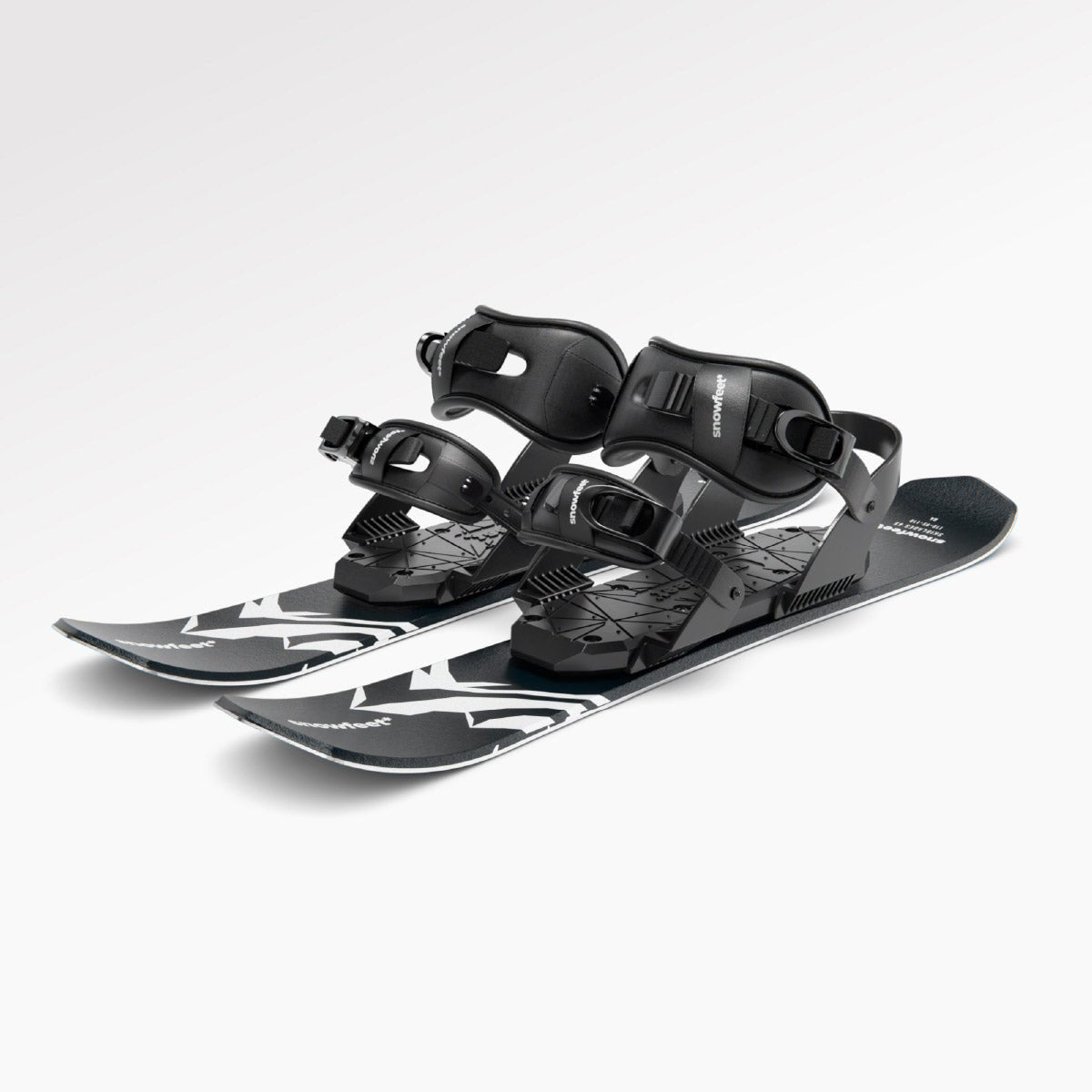
4. Snowfeet* Skiskates
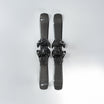
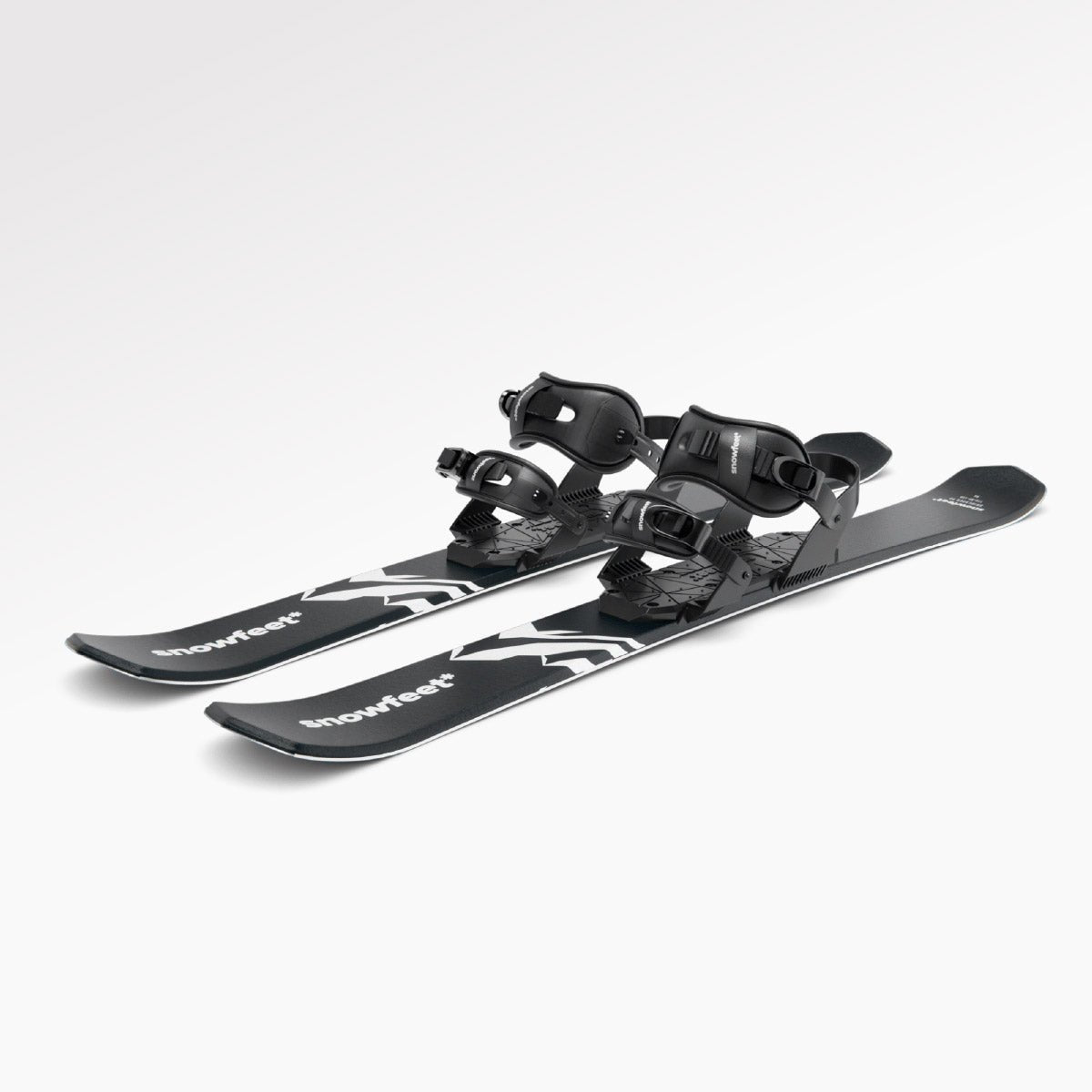
Snowfeet* Skiskates offer a more ski-like step up from MINI KIDS, not a way to skip beginner lessons. At 44 cm (17 inches), their wood core and metal edges give kids better control on groomed runs. They’re for kids who can already balance well, turn cleanly, and stop on command.
Choose the ski-boot or snowboard-boot version to match your child’s boots. The bindings aren’t interchangeable, so check sole width and boot size before buying.
Skiskates are currently listed at $550 on sale, compared with $299 for MINI KIDS. That’s a $251 gap before boots.
Stick to gentle, groomed terrain, and use Skiskates only once your child can stop reliably and control their direction. With those skills in place, the next step is planning the first session.
Plan the First Session: Terrain, Games, and Stopping
Aim for low-pressure play, not a lesson-sized hill. Pick a wide, packed, nearly flat area with a long run-out so your child has room to practice stopping. Keep MINI KIDS away from roads, parking lots, ponds, trees, fences, rocks, bumps, and lift lines.
| Child’s ability | Equipment choice | Control to practice | When lessons are preferable |
|---|---|---|---|
| Hesitant first-timer | MINI KIDS with waterproof winter boots | Balance and small steps on flat snow | If balance is still hard on flat ground |
| Cautious beginner | MINI KIDS with snug boots that support the ankle | Short glides and snowplow stop practice | Before trying any slope, or if slowing down is hard |
| Confident glider | MINI KIDS or Skiskates | Basic turns and stopping in a flat run-out | To learn a proper hockey stop |
| Child who already skis | MINI KIDS or Skiblades | Carving, hockey stops, and using new equipment on groomed slopes | For snow-park moves or steeper terrain |
Before every use, check boot fit, strap tension, screws, and nuts.
Keep the games simple: step → glide → stop. Start with small steps on nearly flat snow, with an adult watching. Then try short glides into the flat run-out. Have your child end each glide with small steps or gentle turns, and work toward a hockey stop as their skills grow. Don’t count on the heel brake or snowplow alone for a complete stop. The safety guidance describes both as ways to reduce speed.
Stop the session if your child gets tired, frustrated, or starts losing control. If they struggle to control speed or follow safety directions, pause and seek professional instruction. Check that the resort allows the equipment before using lifts or groomed runs.
During this first session, watch whether MINI KIDS feel fun and easy for your child to control, or whether they seem ready for more ski-like gear. Look for both enjoyment and progress - they aren’t always the same thing.
Pros and Cons: Snow Play vs. Skiing Progress
The choice comes down to fit, control, and how well your child handles ski-school structure. After the first test run, compare the options with what you saw: boot fit, balance, stopping control, and comfort on packed snow.
| Option | Carry and boot setup | Boot-fit limits | Best use | Limits |
|---|---|---|---|---|
| Snowfeet MINI KIDS | Lightweight at about 2.52 lb per pair; works with waterproof winter boots. | Check the current size chart and whether the boots fit. | Low-pressure snow play without dedicated ski boots. | Best on packed snow. Edge control takes practice, and the heel brake only helps slow down. |
| Kids’ downhill skis, including rentals | More gear to carry; needs dedicated ski boots and compatible bindings. | Rental fitting matches the boots and gear to your child. | Formal ski lessons and progress in alpine skiing. | Learning is more structured. Kids need instruction to turn and stop. Longer skis provide more stability at higher speeds. |
| Longer short skis/skiblades | Models measure 65–99 cm (about 26–39 inches); boot needs depend on the bindings. | Many models are made for teens or adults. Check the exact binding range. | Easier turns for kids who already have basic ski skills. | Kids still need balance and edge control on groomed slopes. |
| Snowfeet Skiskates | Compact 44 cm (about 17-inch) wood-core design, with separate ski-boot and snowboard-boot versions. | Check that your child’s boots fit the chosen binding. | A compact choice for a child with strong balance and stopping skills. | Quick turns take control. Best on packed or groomed snow, not deep powder. Skating skills don’t replace stopping lessons. |
Fit matters more than length or price. Check the exact model and boot match. For MINI KIDS, winter boots need a secure fit and firm ankle support.
For a lesson-first approach, fitted rentals and lessons remain the better path for progress in alpine skiing. For play-first use, MINI KIDS are simpler and easier to use, but your child still needs a helmet, supervision, and speed control.
Final Verdict: Choose Gear for Your Child’s Next Step
Fit, terrain, and stopping control point to one simple rule: Choose well-fitted MINI KIDS for supervised snow play, not downhill progress. They’re for kids who want to play before they want to ski.
- Fit: Check the exact model and binding - not just the length. Make sure your child’s boots fit securely.
- Terrain: Stick to flat or gentle packed snow with a clear run-out.
- Stopping ability: Save longer skiblades and Skiskates for children who can make a reliable hockey stop and control their speed. For downhill progress, choose fitted rentals and professional lessons.
Before buying, check the current price and return terms. Make sure your child has a helmet and gloves, plus a practice area with a flat start and a clear run-out.
Use step → glide → stop as the first goal: stepping, short glides, and a controlled stop. If group ski school didn’t work out, a private lesson or skating-focused instruction may be a better fit. One fun session doesn’t mean your child is ready for downhill skiing.
FAQs
How can I check my child’s boot fit before ordering MINI KIDS?
Check that your child’s boots fit the MINI KIDS size range: US Kids 10 to US Adult 6 (EU 27–38). Pick waterproof, insulated winter boots with firm soles and solid ankle support. Skip soft, bendy fashion boots.
Before heading to the snow, have your child wear those boots and adjust the straps at home. Heels should stay snug without lifting, and toes should have room to wiggle. Have your child walk and try a few light jumps - the boots shouldn’t shift.
What stopping skills should my child learn before trying a slope?
Before your child tries a slope, have them practice stopping on flat ground or a very gentle incline. Wait until they can stop reliably. With Snowfeet MINI KIDS, start by teaching them to use the built-in heel brake to slow down and stop.
As their skills and confidence grow, introduce a gentle skid stop. Have them turn their feet across the slope and press into the downhill metal edges. From there, they can work toward a hockey stop.
How can I tell whether my child needs lessons rather than more practice?
Your child may just need more practice if they balance well, follow instructions, and glide 20–30 yards while turning and stopping without looking stiff or nervous.
If they keep sitting down, tense up, or refuse to move, head back to flatter ground. Snowfeet MINI KIDS offer a low-pressure way to get started. For full days of alpine training or moving beyond beginner-friendly terrain, professional lessons are the better choice.


Legg igjen en kommentar
This site is protected by hCaptcha and the hCaptcha Privacy Policy and Terms of Service apply.