
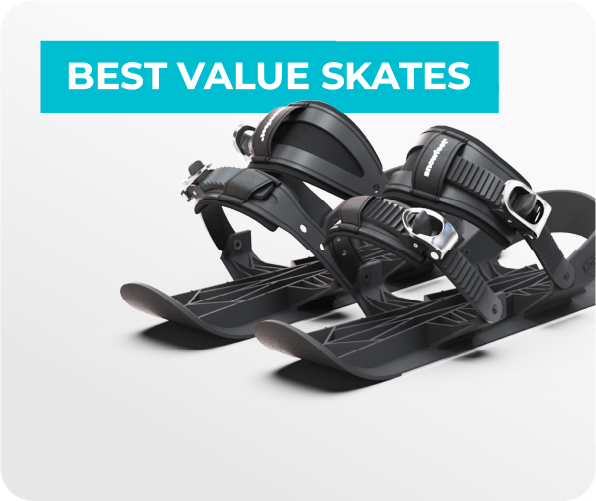
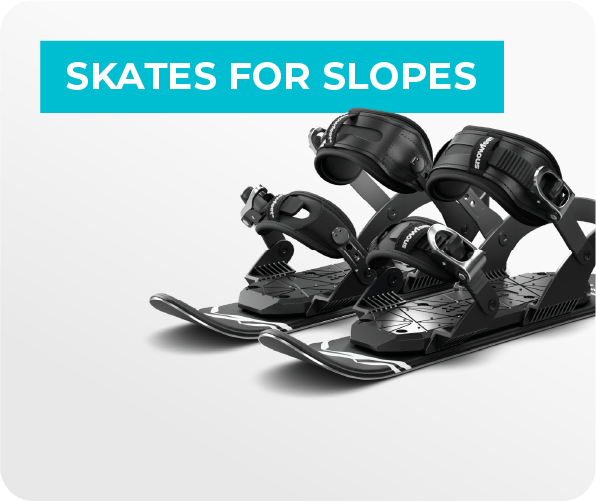
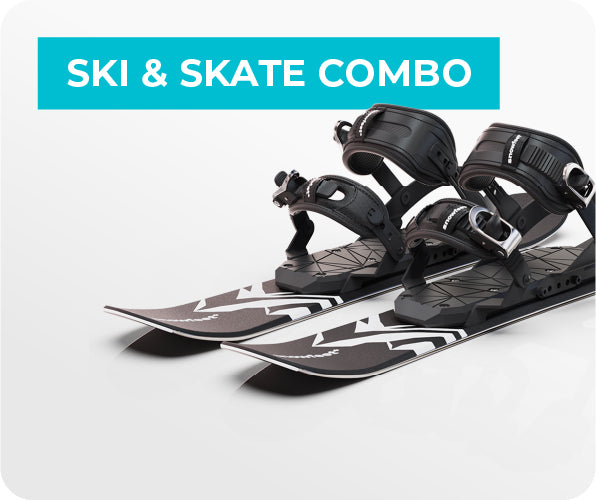
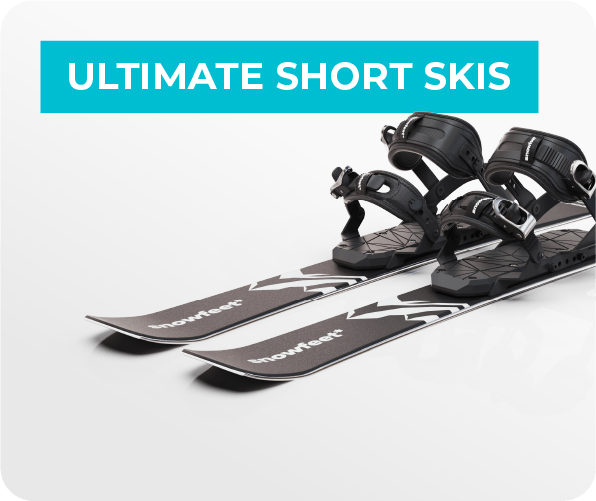
My advice: buy for the boots your child wears now - not next winter’s size. Check the exact binding’s boot range and weight guidance, then test for heel lift, twisting, or slipping. Room to grow helps only if the boot stays secure.
Here’s how I’d narrow the choices:
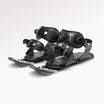
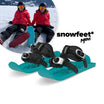
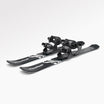
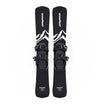
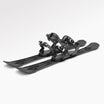
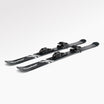
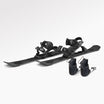
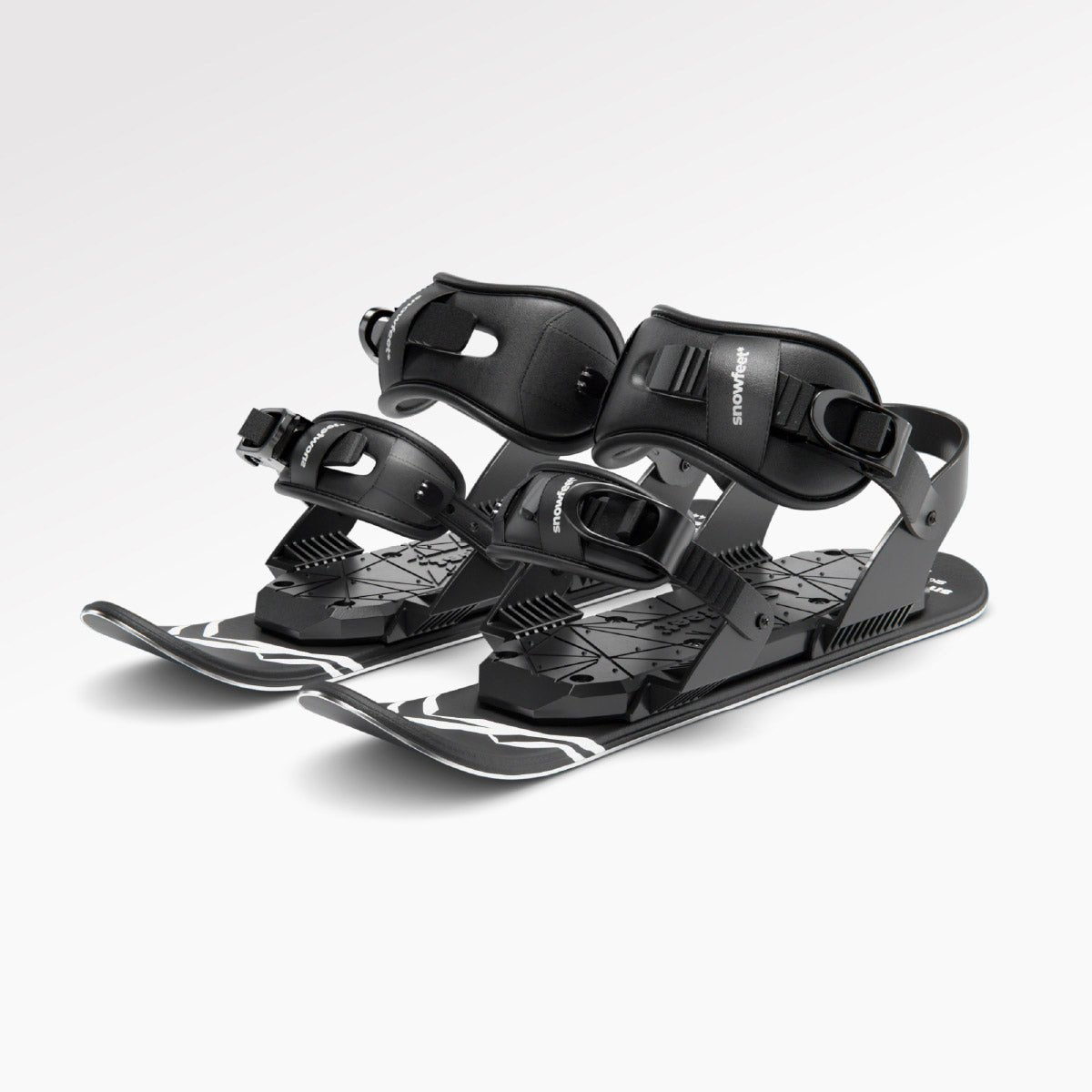
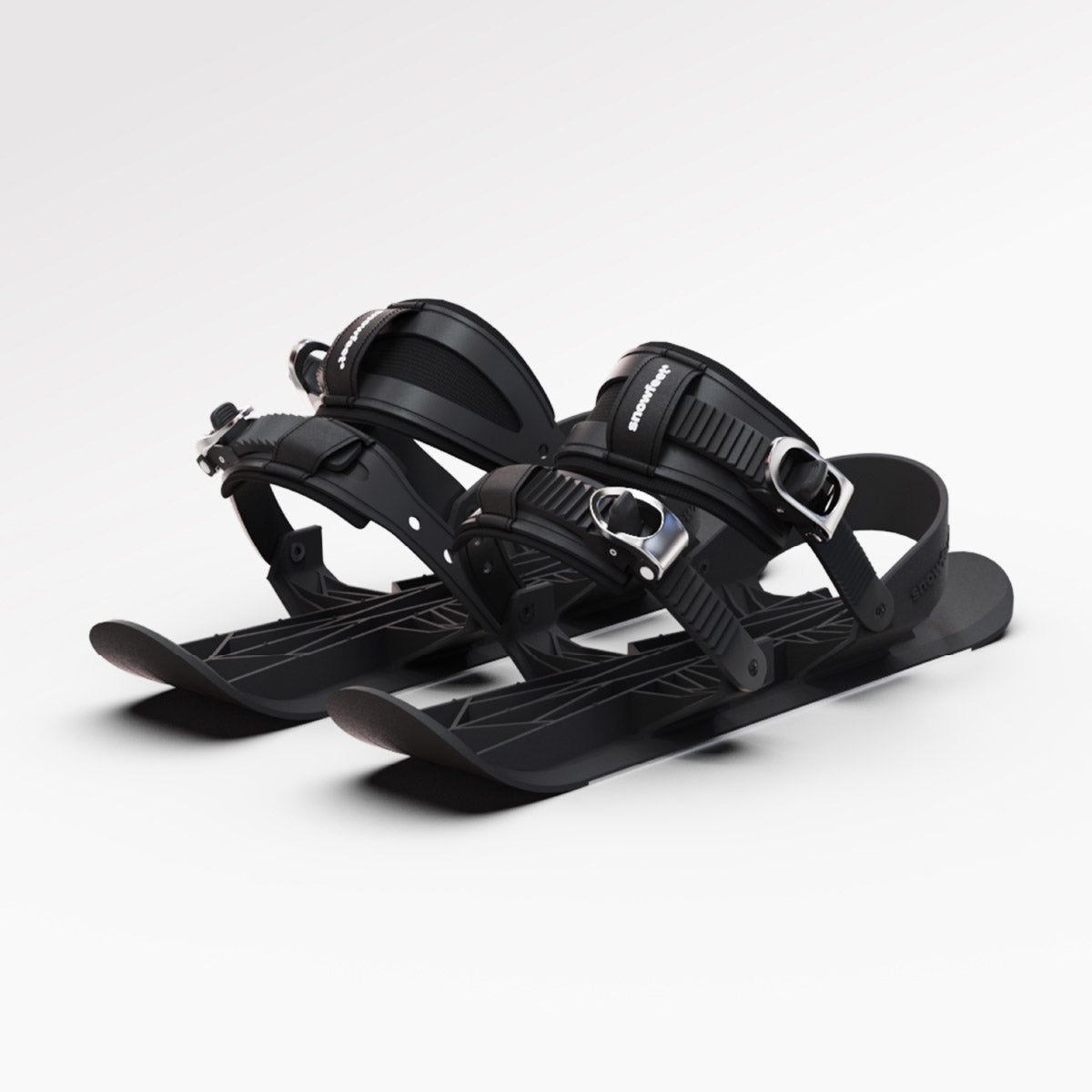
- Snowfeet MINI KIDS: Listed for US Kids 10–US Adult 6 (EU 27–38). Check sole width, too.
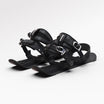
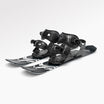
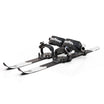
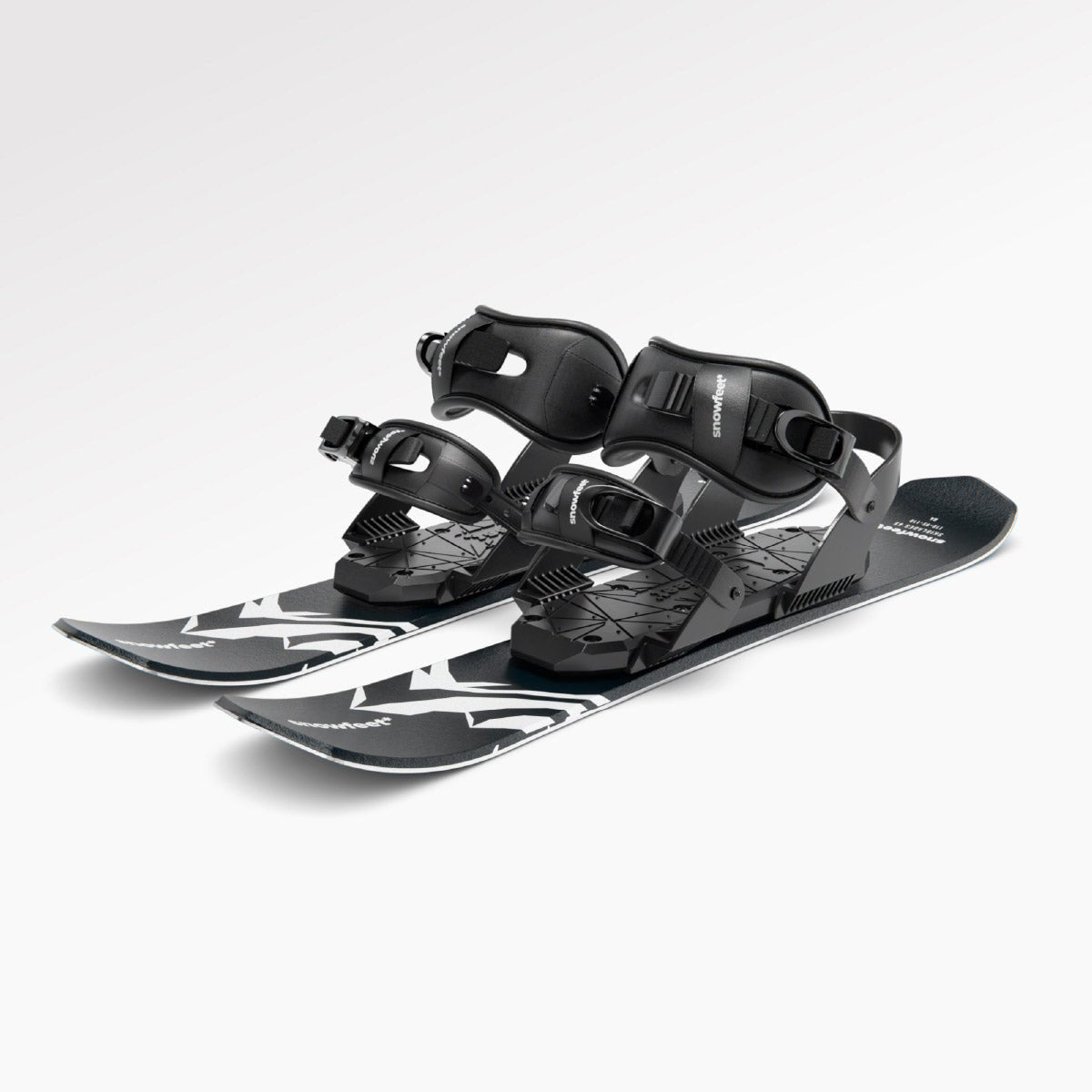
- Snowfeet 38 cm: The standard setup lists US 6–13 (EU 38–47). A kids’ setup has a different range, so check which binding you’re buying.
- Standard children’s skis: My pick for ski school and long outings.
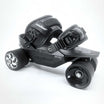
- Other short skis or snowblades: Check each model’s boot, binding, and terrain rules.
For mini ski skates, I’d start on flat, packed snow with close adult supervision, a helmet, and protective gear. Snowfeet’s safety guidance excludes children under 7. Before lift-served use, check the resort’s rules.
I’d also compare the total cost, return terms, and room left to adjust. Then I’d check fit and wear after each outing. <u>Move up when fit or control fails</u> - not just because your child hits a new shoe size. Growing feet don’t need loose gear.
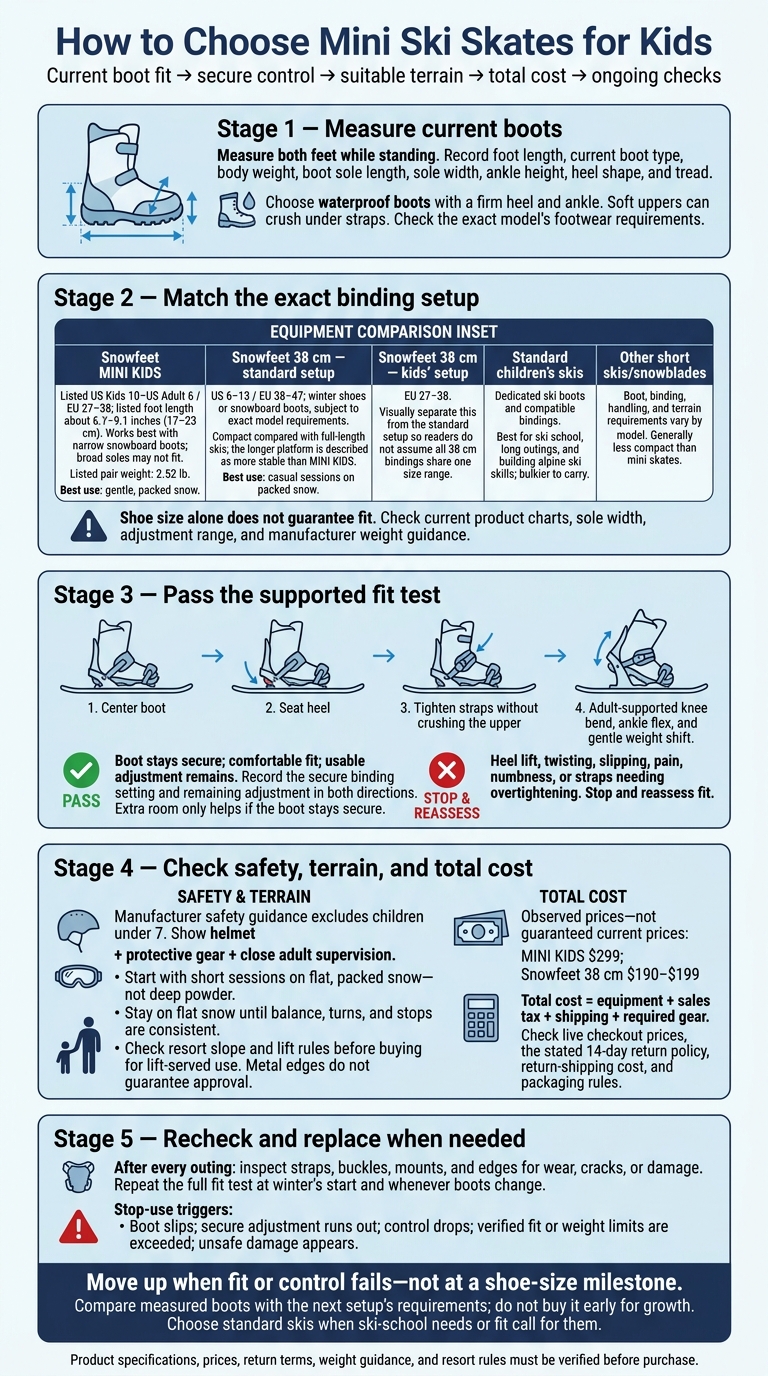
How to Choose Mini Ski Skates for Kids
1. Check Boot Fit and Binding Adjustment
Measure Feet and Check Boot Dimensions
Check the boots your child wears now - not the size they might wear next season. Measure both feet while your child stands. Record foot length, current boot type, and body weight. Then measure each boot’s sole length, width, and ankle height. Check the heel shape and tread, too. A bulky sole can keep the boot from sitting centered, even if the size label looks right.
Choose waterproof boots with a firm heel and ankle. Soft uppers can crush under the straps and loosen the hold. Winter boots, snowboard boots, and ski boots aren’t interchangeable, so check the model’s footwear requirements. These measurements help you check whether MINI KIDS or Snowfeet 38 cm will work with your child’s current boots.
Check MINI KIDS and Snowfeet 38 cm Fit Requirements
Check the current MINI KIDS and Snowfeet 38 cm product pages for fit charts and any weight guidance. Compare those details with your child’s boot measurements. MINI KIDS works best with narrow snowboard boots; broad soles may not fit.
The boot should sit centered, with room left to adjust the binding. Judge fit by control, not size alone. Even a match on the size chart needs a secure test fit before you buy.
Test Binding Security and Room to Adjust
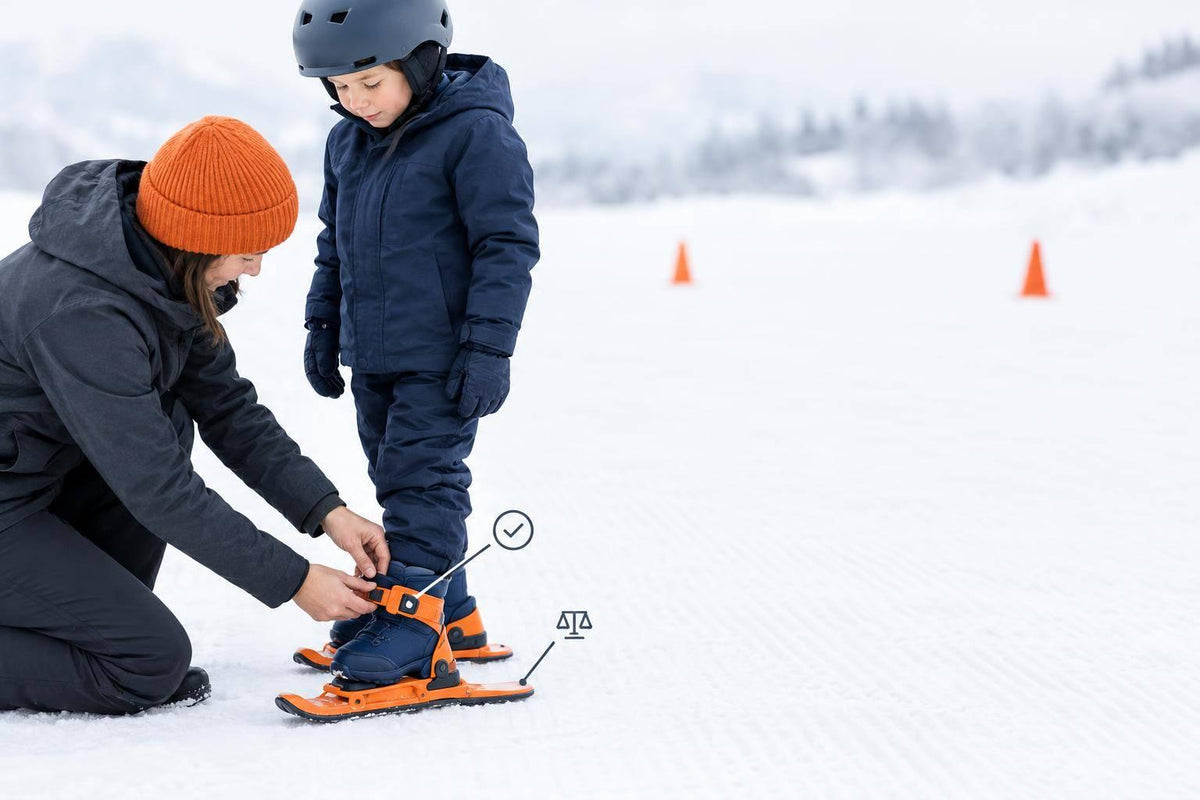
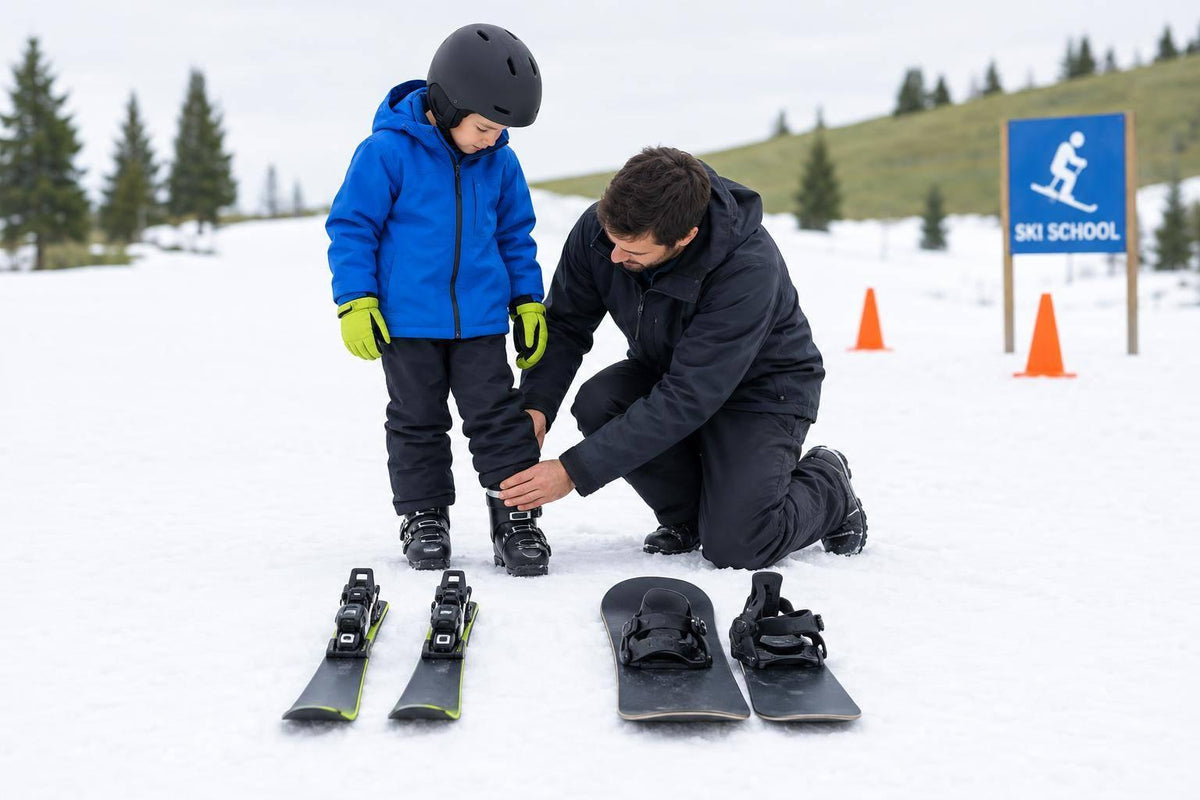
Follow the model-specific fitting instructions, with your child wearing the boots they’ll use. Center each boot, seat the heel fully, and tighten the straps without crushing the upper.
With an adult supporting them, have your child bend their knees, flex their ankles, and gently shift their weight. Watch for heel lift, twisting, or sliding. Pain, numbness, or straps that need overtightening are signs the setup isn’t right.
Record the binding setting and how much adjustment remains in both directions. Repeat this check whenever your child changes boots. If you’re still unsure about fit, send Snowfeet or the seller the boot’s sole length, width, and photos before buying.
Extra adjustment only helps if the boot stays secure and your child can steer, stop, and balance.
2. Match the Equipment to Skills and Terrain
Start on Gentle, Packed Snow
Start with short sessions on flat, packed snow in a backyard or on a flat area at a local sledding hill. Snowfeet MINI KIDS and Snowfeet 38 cm work best on packed snow, not deep powder. This lets you test control before comparing models.
Check control before trying a slope. Your child should be able to balance, turn, and stop reliably. Skating experience can help, but control on snow comes first. Choose the model they can control now, and stay on flat snow until their stops and turns are consistent.
If the setup feels unstable, stop and check the boot fit before moving on.
Check Safety Gear and Resort Rules
Use boots that fit securely in the bindings.
Before buying for lift-served use, check that the resort allows mini ski skates on both slopes and lifts. Metal edges don’t guarantee approval.
Once you’ve checked fit and terrain, compare mini ski skates by size, adjustment range, and price.
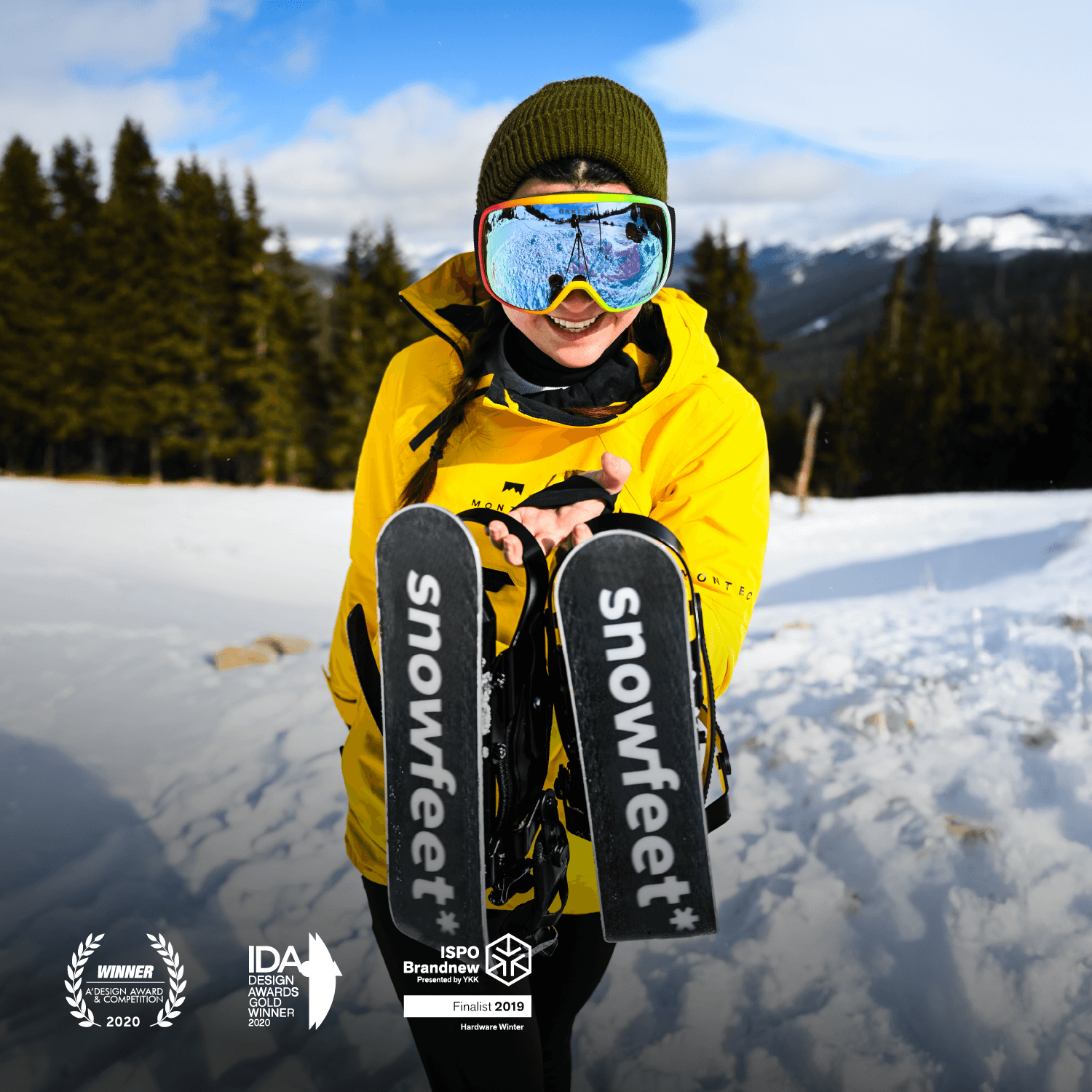
Snowfeet Mini hit the slopes | for Kids & Adults with small feet
sbb-itb-17ade95
3. Compare Snowfeet Models and Other Ski Options
Once the boots pass the fit check, compare models by boot size, control, and where your child will ski. Check the binding version - not just the product name.
| Option | Footwear compatibility | Control | Ease of carrying | Best use |
|---|---|---|---|---|
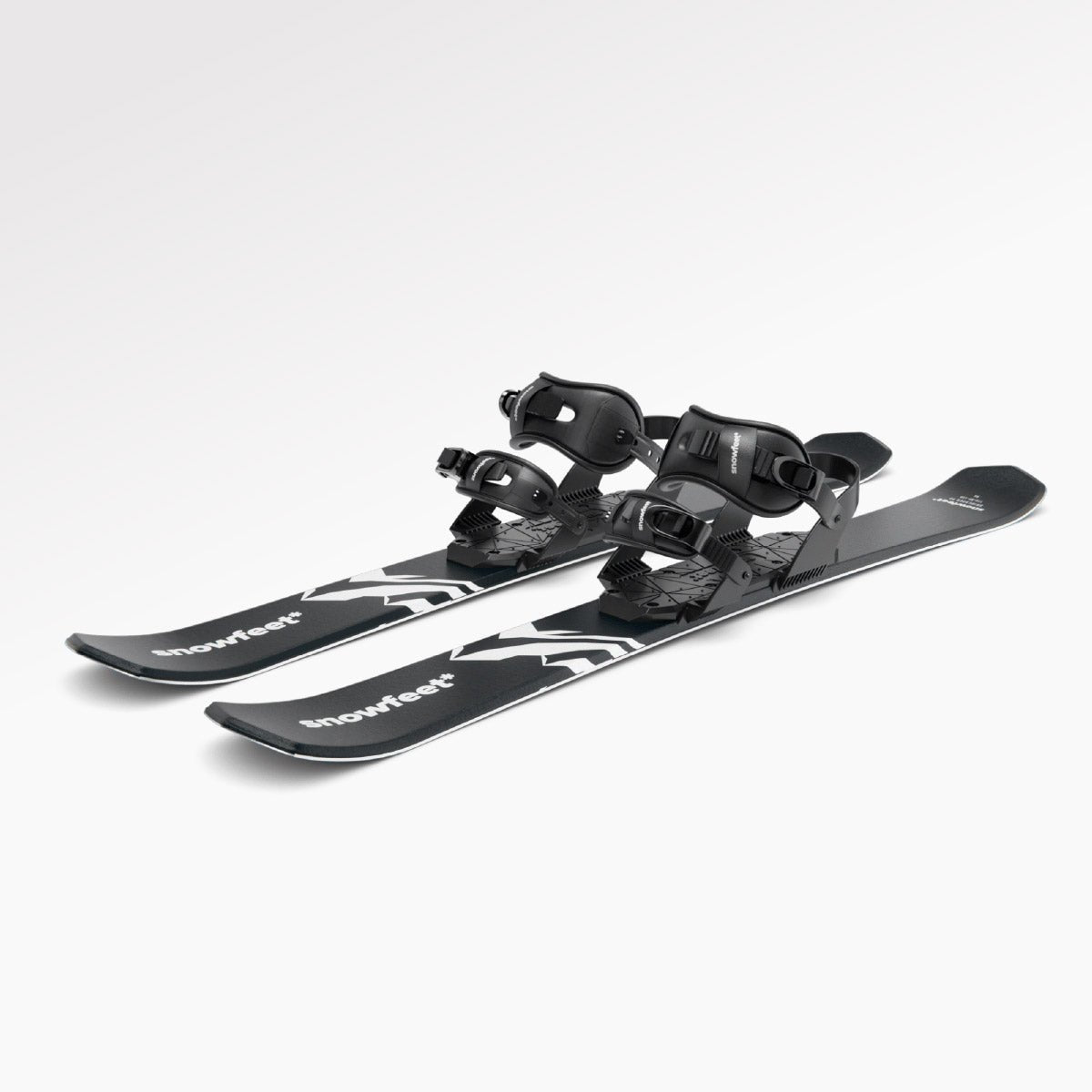
| Snowfeet MINI KIDS | EU 27–38, about US Kids 10–US Adult 6; broad boots may not fit. | Compact, skating-style design. | Very compact; listed pair weight is 2.52 lb. | Gentle, packed snow. |
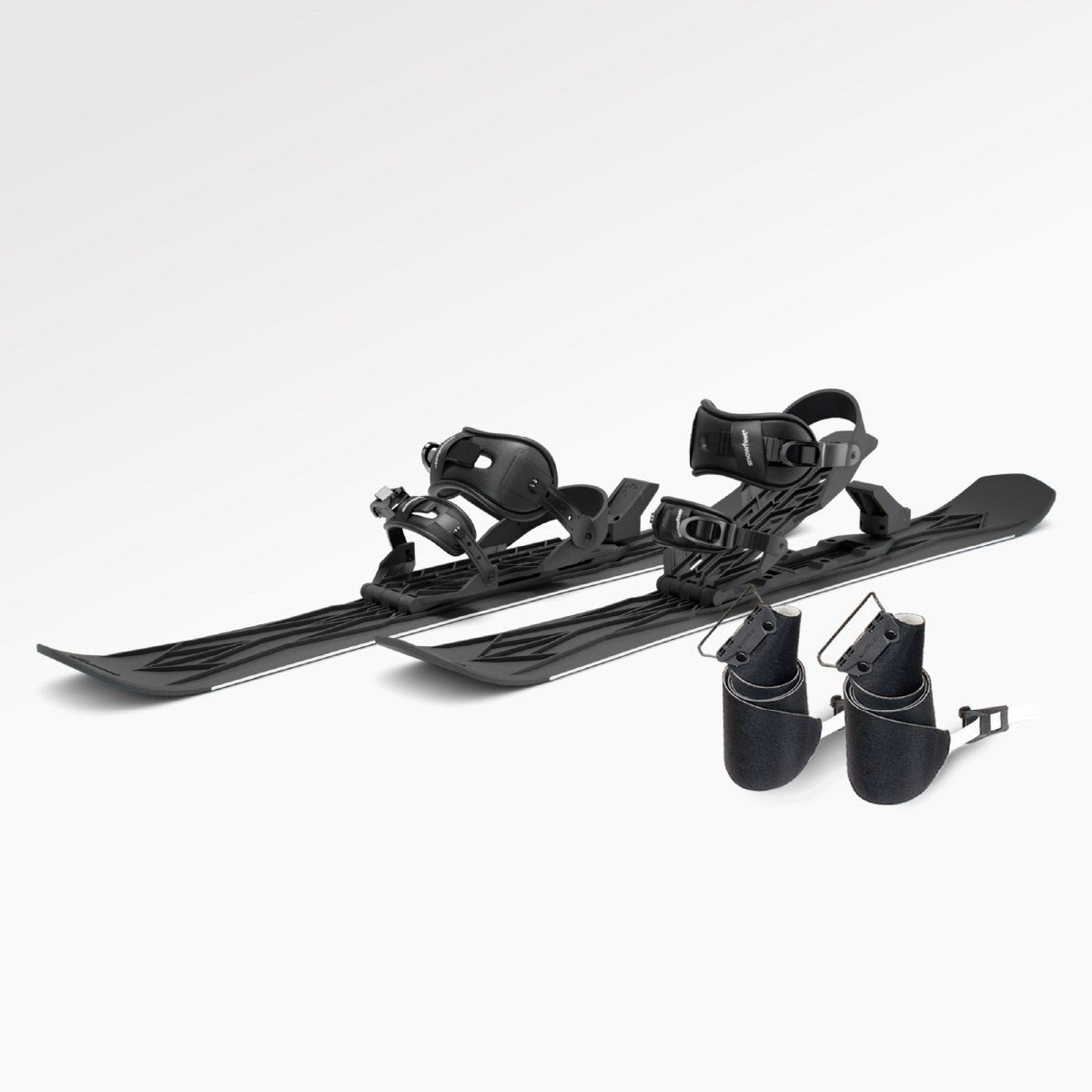
| Snowfeet 38 cm | Standard: US 6–13/EU 38–47 winter shoes or snowboard boots. Kids’ setup: EU 27–38. | The longer platform is described as more stable than MINI KIDS. | Compact compared with full-length skis. | Casual use on packed snow. |
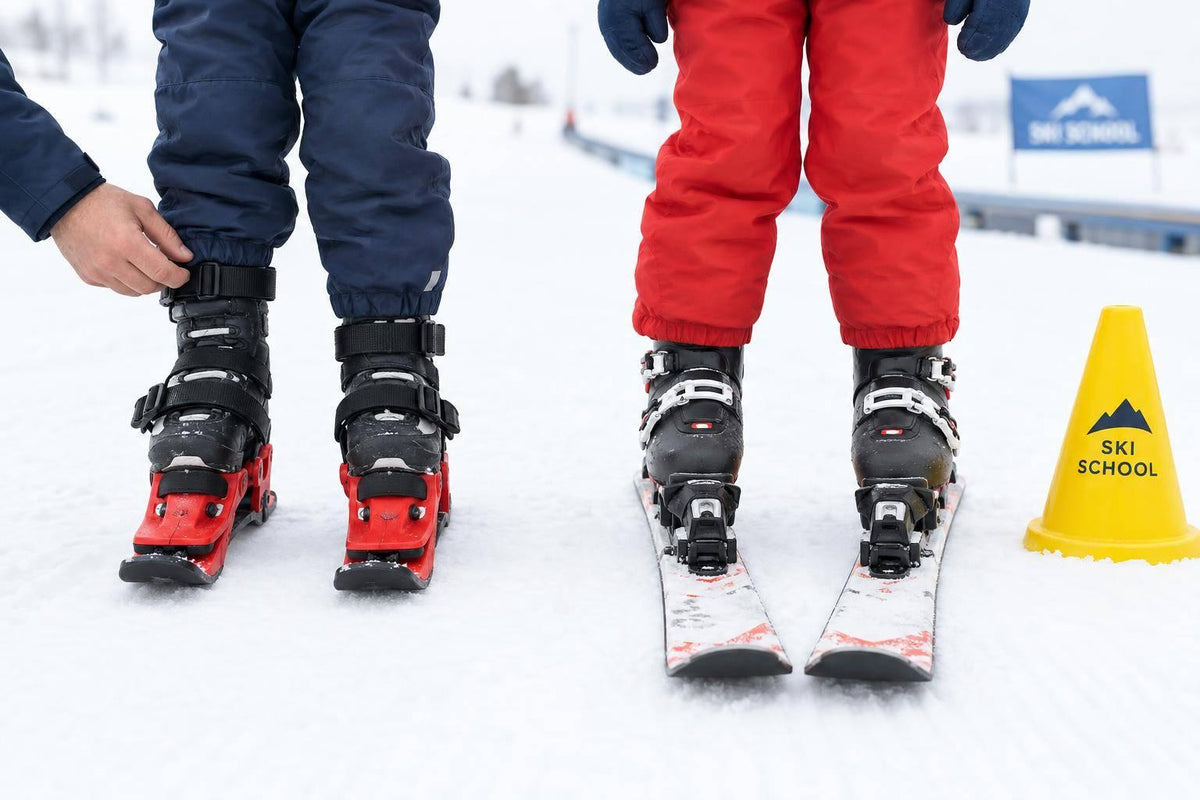
| Standard children’s skis | Dedicated ski boots and compatible bindings. | Built for learning and building alpine ski skills. | Bulkier, with separate ski boots. | Ski school and long runs. |
| Other short skis/snowblades | Boot and binding needs vary by model. | More platform and glide; handling varies. | Less compact than mini skates. | Depends on the model; check the intended terrain. |
Shoe size alone doesn’t guarantee fit. Check the product page for the approved weight and adjustment range.
For ski school, check the equipment rules before buying. Standard children’s skis are a better fit for repeated lessons.
For short, casual sessions, match the Snowfeet model to your child’s current boots: MINI KIDS for smaller footwear, or 38 cm for the larger listed size range.
Use that fit and intended use to compare price, total cost, and when your child may need to move up.
4. Review Fit, Cost, and When to Replace
Record Fit, Weight Limits, and Adjustment Range
Use the live fit test from the last section to complete this checklist before buying. Check the exact binding setup you plan to buy.
- ☐ Measurements: Record U.S. shoe size, foot length in inches and centimeters, boot type, sole width, body weight, and skill level.
- ☐ MINI KIDS fit: Confirm EU 27–38 and a foot length of about 6.7–9.1 inches (17–23 cm). Larger boots may not fit, depending on sole width.
- ☐ Snowfeet 38 cm fit: Confirm US 6–13 / EU 38–47 for your chosen setup.
- ☐ Usable adjustment: Record the setting that holds your child’s current boot securely and how much secure adjustment room remains. Don’t rely on the binding’s endpoints alone.
- ☐ Weight guidance: Confirm the manufacturer’s current weight guidance and check it against the product page before buying.
- ☐ Replacement triggers: Stop use if the boot slips, adjustment runs out, control drops, your child exceeds a verified fit or weight limit, or damage makes the setup unsafe.
Check Current Prices and Total Cost
Observed prices were $299 for MINI KIDS and $190–$199 for Snowfeet 38 cm. Check live pricing at checkout. Add sales tax, shipping, and required gear to get the total cost. Even if the fit and price work, buy only a setup that leaves secure adjustment room.
Before ordering, check the 14-day return policy, return-shipping cost, and packaging rules.
After the first outing, check that the setup still holds securely during use.
Inspect After Use and Move Up Only When Fit or Control Fails
After each outing, check straps, buckles, mounts, and edges for wear, cracks, or damage. Repeat the full fit test at the start of winter and whenever boots change. Stop use if the boot no longer stays secure or your child loses control.
Replace damaged equipment. Move up when fit or control fails - not at a shoe-size milestone. When MINI KIDS no longer fits securely, compare your child’s measured boots with the Snowfeet 38 cm requirements instead of buying it early. Choose standard skis when your child outgrows suitable mini setups or needs ski-school equipment.
FAQs
How much growing room is safe in mini ski skate bindings?
Choose a snug, secure fit - not extra room to grow. Your child’s feet shouldn’t shift side to side in the bindings. Loose gear is harder to control and less safe.
If your child falls between sizes, go with the shorter option for better control. You can adjust Snowfeet bindings at home with a screwdriver to keep the fit secure as your child grows.
Which Snowfeet model should I choose if both fit?
For first-time riders or backyard sledding hills, go with MINI KIDS. It’s the most forgiving, lightweight option, made for smaller feet.
The 38 cm (about 15 in) model suits cautious beginners who want more glide or need room to grow. Choose the 50 cm (about 20 in) model ONLY if your child can already stop and steer well. It offers stability on groomed resort slopes.
How can I tell whether slipping comes from fit or technique?
Slipping often starts with a loose boot-to-binding connection - not the skates themselves. Tighten your child’s boot laces or buckles, then pull on the boot to check for wobbling or shifting. Front-to-back movement should be minimal, and heel lift should stay at or below 0.5 inches.
Have your child bend their knees and move side to side. If the boot twists or slides in the binding, adjust the straps or buckles until snug.


Legg igjen en kommentar
This site is protected by hCaptcha and the hCaptcha Privacy Policy and Terms of Service apply.