
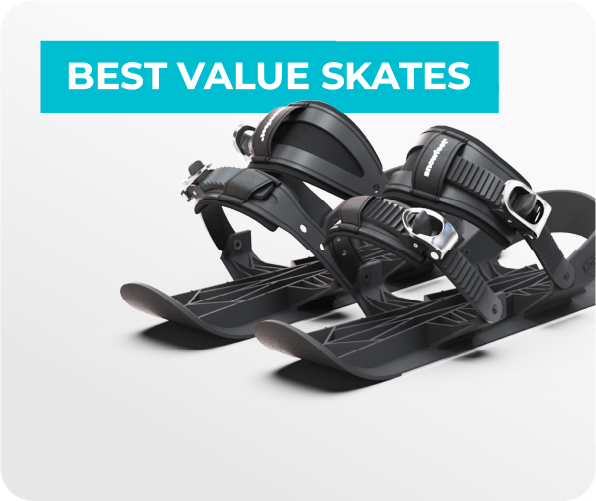
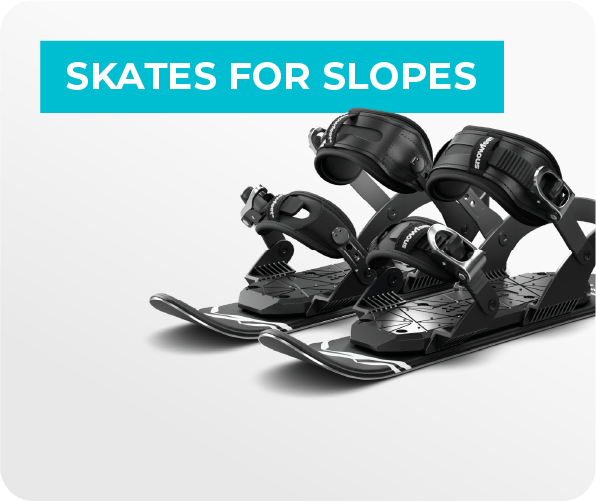
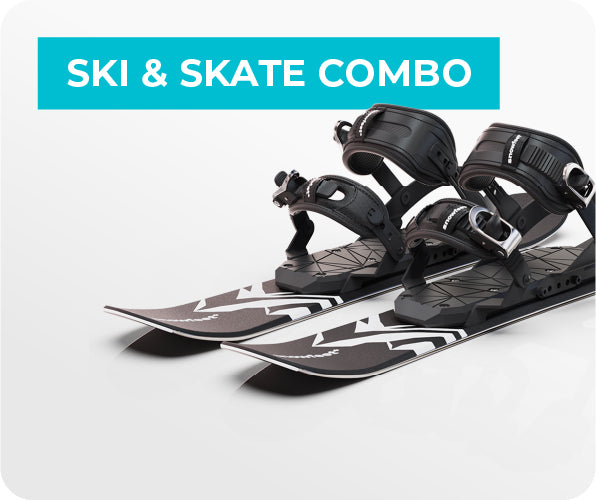
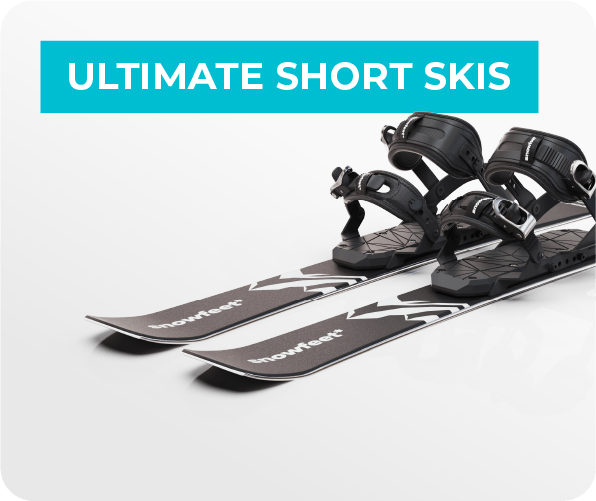
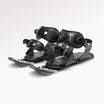
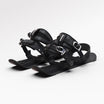
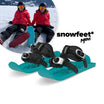
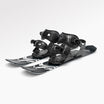
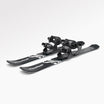
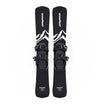
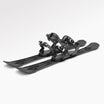
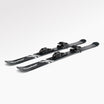
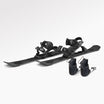
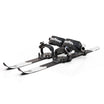
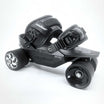
My advice: choose properly fitted conventional skates for lessons - not Icefeet just because they have two blades. Icefeet may suit casual skating, but I’d first confirm your child’s age, shoe size, weight, and footwear meet the manufacturer’s current limits.
Here’s what I’d check before heading onto the ice:
- Fit and support: Straps must stay secure, and boots must hold the heels and ankles firmly.
- Control: Your child needs to balance, glide, and stop. Two blades don’t guarantee those skills.
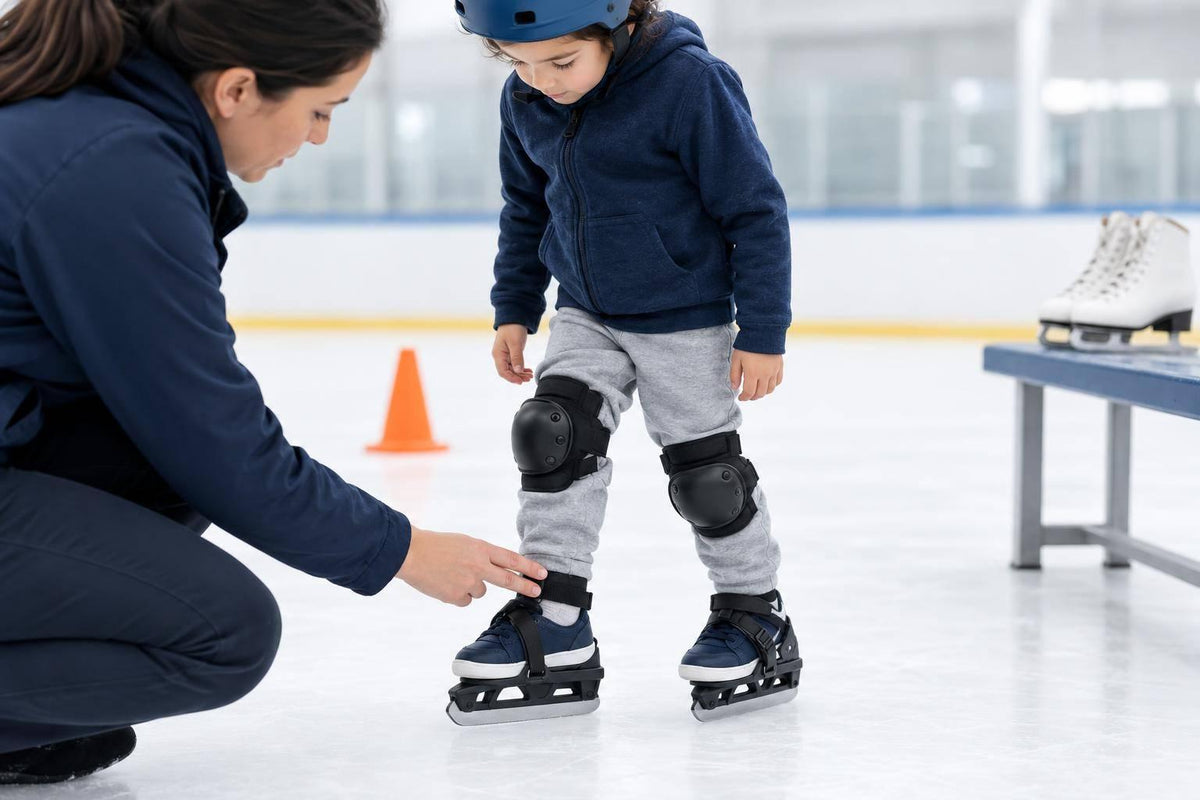
- Gear and setting: Use a helmet and wrist, knee, and elbow pads. Stick to maintained ice with adult supervision.
- Skating goals: For lessons, I’d choose figure or hockey skates and check the instructor’s equipment rules.
At the article’s listed price of $199, I’d confirm the fit limits before buying. <u>If the attachments shift or your child can’t stop, end the session.</u>
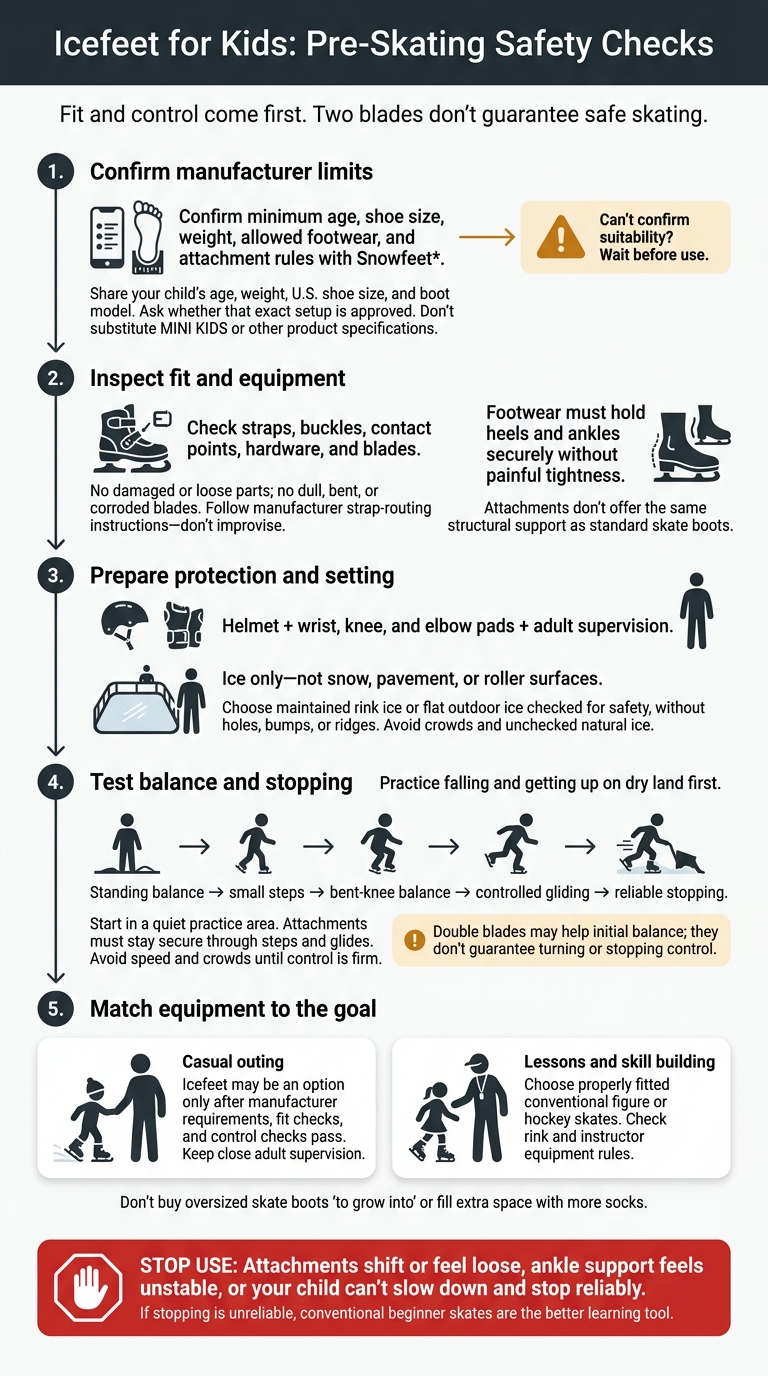
Icefeet for Kids: Pre-Skating Safety Checks
What Icefeet Are and Who Can Use Them
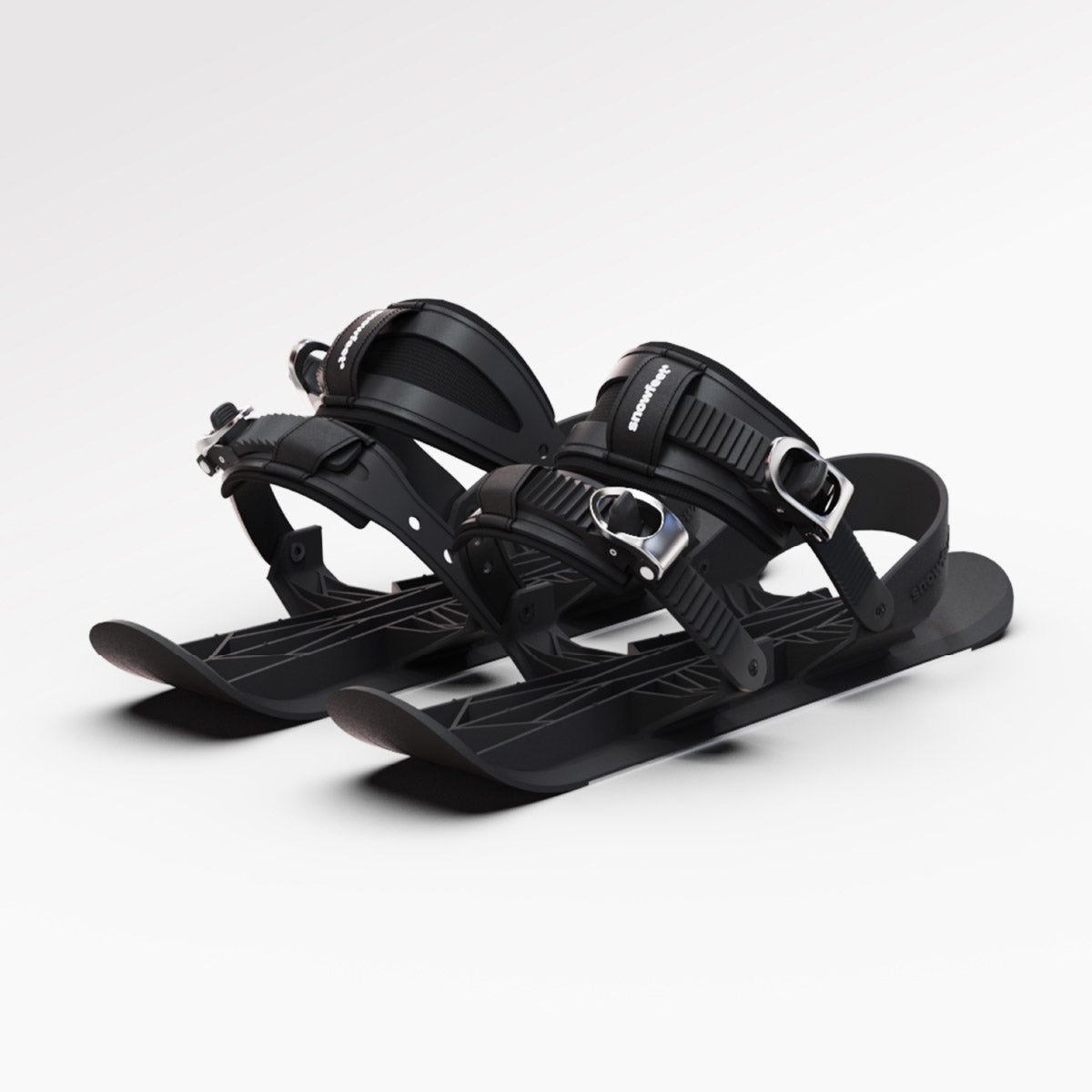
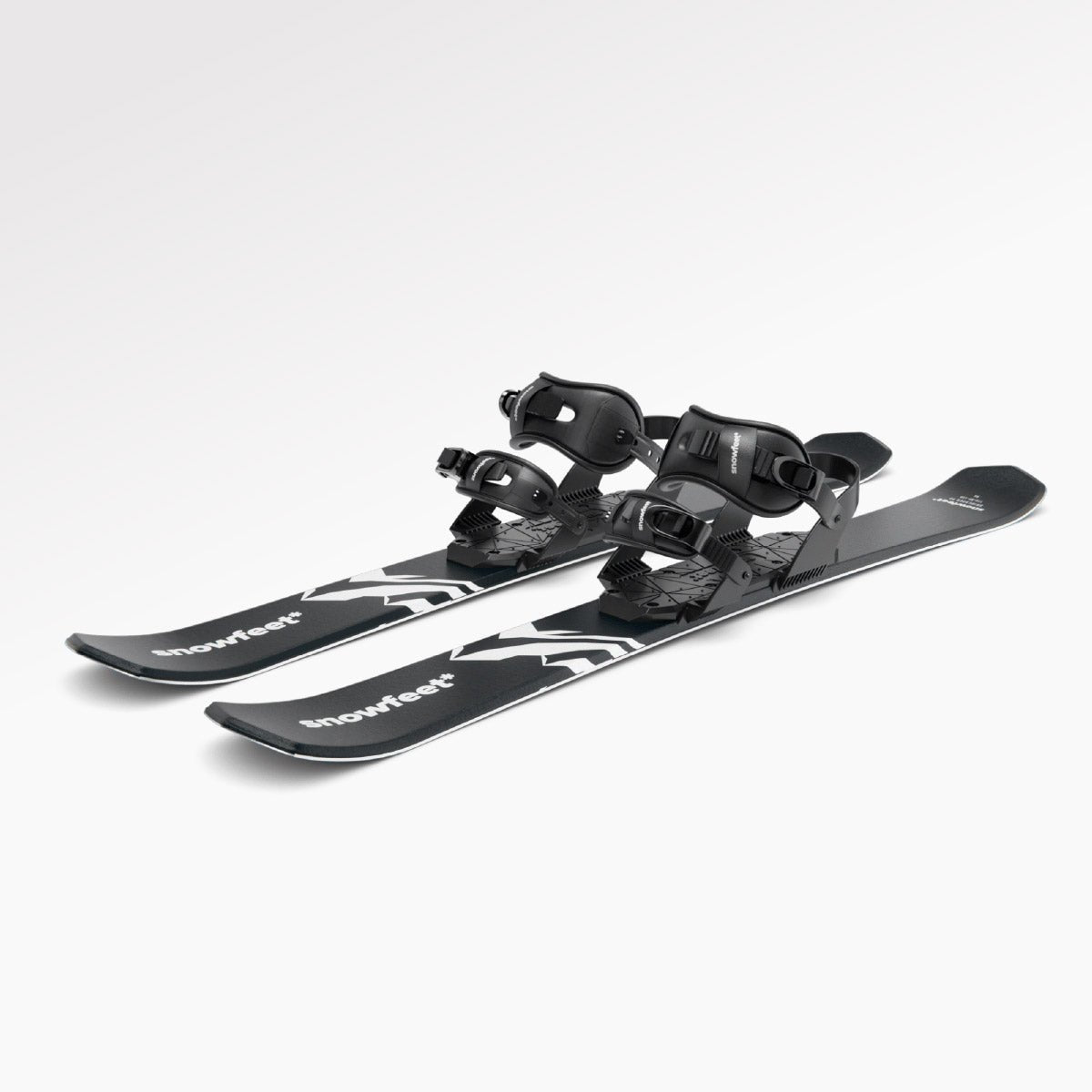
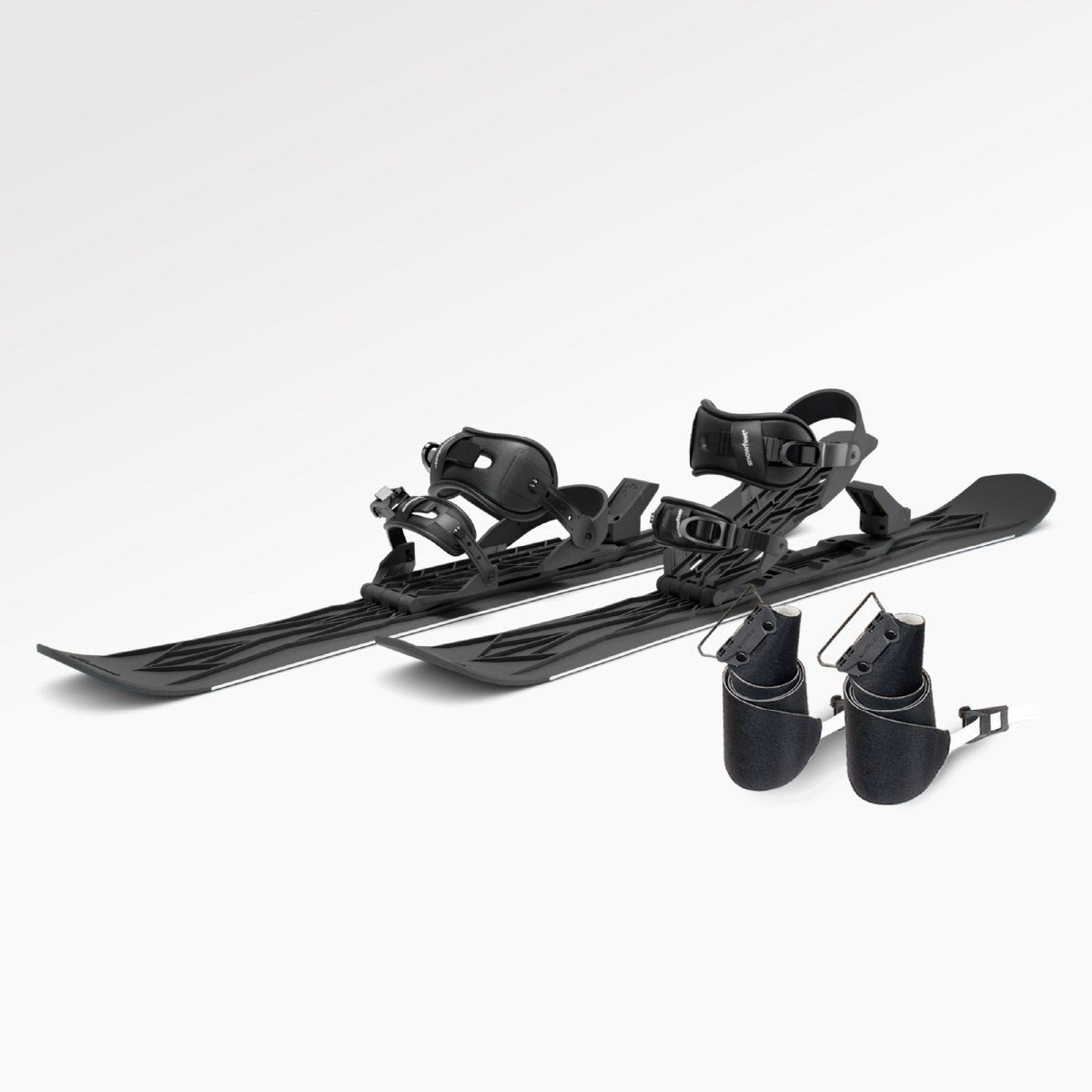
Snowfeet* Icefeet let you skate in winter shoes or boots. That convenience alone doesn’t mean they’re safe for beginners. For kids, fit and control come first.
Intended Surface, Footwear, and Price
Use Icefeet only on ice - not snow, pavement, or roller surfaces. Check that they work with your child’s shoes or boots.
List price: $199.
Confirm Age, Size, Weight, and Fit Limits
Ask Snowfeet* for the current Icefeet limits, including minimum age, shoe size, weight, allowed footwear, and attachment rules. Don’t use MINI KIDS specs or specs for other products in their place.
Before buying, share your child’s age, weight, U.S. shoe size, and boot model. Ask whether Snowfeet* approves that exact setup. Follow the manufacturer’s strap-routing instructions - don’t improvise.
If you can’t confirm that the setup suits your child, it’s safer to wait. Once you’ve checked those details, do a hands-on safety check of attachment, balance, and stopping ability before any skating.
Safety Checks Before Skating
After checking the fit, test the setup on land and ice before letting a child skate.
Inspect Attachment, Shoes, and Blades
Check straps, buckles, contact points, and hardware for damage or loose parts. Look for dull, bent, or corroded blades. The attachments should stay in place through a few steps and glides.
Shoes must hold the heel and ankle securely without being painfully tight. Attachments don’t offer the same structural support as standard skate boots.
If everything stays secure, move on to balance and stopping tests.
Check Balance, Movement, and Stopping
Start in a quiet practice area. Check standing balance, small steps, balance with bent knees, controlled gliding, and stopping. Practice falling and getting up on dry land first.
Double blades may help with balance at first, but they don’t provide turning or stopping control. Stop practice if the attachments shift or the child can’t slow down and stop reliably. Avoid speed and crowds until the child has firm control.
If a child can’t stop reliably, conventional beginner skates are the better tool for learning.
Use Protective Gear and a Safe Practice Area
Keep the helmet and pads on, and have an adult supervise. Choose a maintained rink or flat outdoor ice with no holes, bumps, or ridges. Avoid crowds and natural ice that hasn’t been checked for safety.
sbb-itb-17ade95
Icefeet vs. Conventional Beginner Ice Skates
After the fit, balance, and stopping checks above, the choice comes down to how your child will skate. Icefeet can work for casual outings, but conventional beginner skates are better for lessons and building skills.
| Safety or learning factor | Snowfeet* Icefeet | Conventional beginner figure or hockey skates |
|---|---|---|
| Footwear and ankle support | Attach over winter shoes or boots; support depends on the footwear | Rigid boots provide better ankle support when properly fitted |
| Balance | Two blades may make standing feel steadier | Takes practice to balance on a single blade |
| Turning and stopping | Your child must show control before casual use | Stopping and turning are standard lesson skills |
| Lesson compatibility | Ask the rink and instructor whether they accept Icefeet | Standard equipment for figure or hockey instruction |
| Best use | Casual, supervised skating | Lessons and structured skill building |
Icefeet for Casual Skating
Icefeet are an option for casual sessions on approved ice with close supervision. First, confirm that your child meets the size requirements and that their footwear and attachments meet the product’s requirements. They’re convenient for this kind of outing, but they don’t replace lesson equipment.
Conventional Skates for Lessons and Skill Development
Properly fitted figure or hockey skates are the better choice for formal lessons and lesson-based goals. Don’t buy oversized boots “to grow into” or try to fill extra space with more socks. Check the class’s equipment requirements before booking.
Conclusion: Choose Based on Fit, Control, and Learning Goals
Snowfeet* Icefeet can be safe for casual skating if fit and control checks pass, but they aren’t the best choice for learning. Before use, check the current fit, footwear requirements, and use limits. If everything checks out, try a hands-on safety test.
For casual skating, make sure attachments are secure. Use supportive footwear, a helmet, and full pads. Keep an adult present to supervise, and skate only on approved ice.
Stop use immediately if attachments feel loose, ankle support feels unstable, or your child can’t stop with confidence. Use Icefeet for supervised casual skating. For lessons and skill building, properly fitted conventional ice skates are the safer choice.
FAQs
How can I check my child’s ankle support?
Icefeet rely on your child’s footwear for ankle support. Choose stiff, well-structured winter or snowboard boots with a firm heel counter and a snug fit.
With the boots and Icefeet secured, have your child stand and walk on a flat surface. The boots should stay firmly in the bindings with little movement.
Watch for heel lift, loose straps, or pain - these are signs of poor support. Softer, bulkier boots can let your child’s foot shift.
What stopping skills should my child demonstrate?
Children using Icefeet may need three to five sessions to feel in control. Icefeet are made for casual fun, not high-performance techniques.
Start with coasting to a stop, keeping both blades flat against the ice. As children gain confidence, they can try a gentle snowplow at low speeds. Stopping takes time, so they need to keep their speed in check and leave a safe gap between themselves and others.
Will Icefeet habits transfer to conventional skates?
Yes. Icefeet let children practice balance, standing, marching, and gliding. These skills build confidence and coordination before they move to standard single-blade skates. Gliding and turning with little help are signs they may be ready to switch.
Most children make the switch by alternating between Icefeet and single-blade skates over two weeks. The double-blade design gives them a steady base as they learn.



Legg igjen en kommentar
This site is protected by hCaptcha and the hCaptcha Privacy Policy and Terms of Service apply.