



















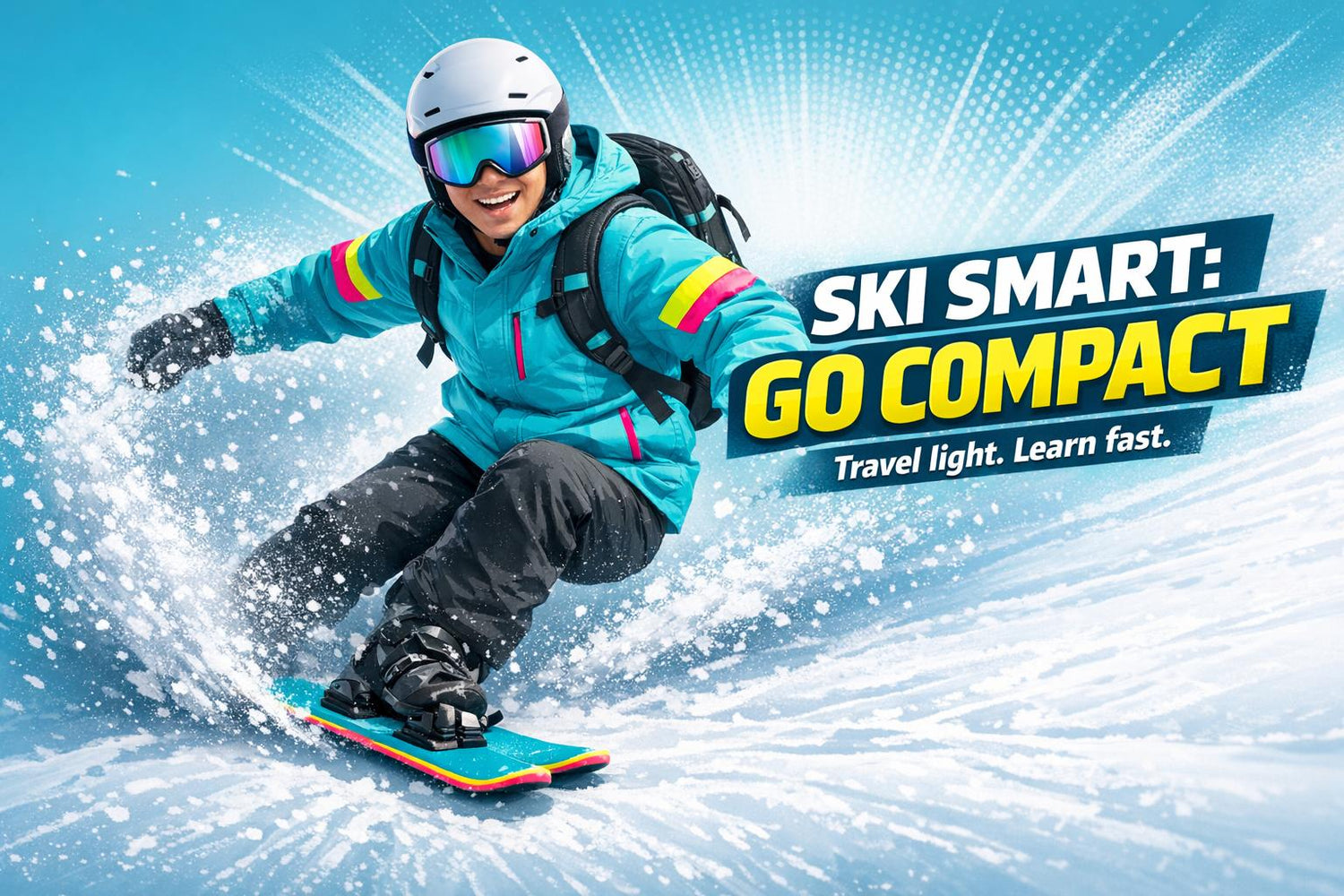
Ever feel like lugging around long skis is more of a workout than skiing itself? From hefty airline fees to awkward storage and transport, traditional skis can be a hassle. But there’s a smarter way to hit the slopes: compact skis. These shorter, lightweight alternatives make skiing easier to learn, carry, and store without sacrificing the fun.
Why Compact Skis Are a Game-Changer:
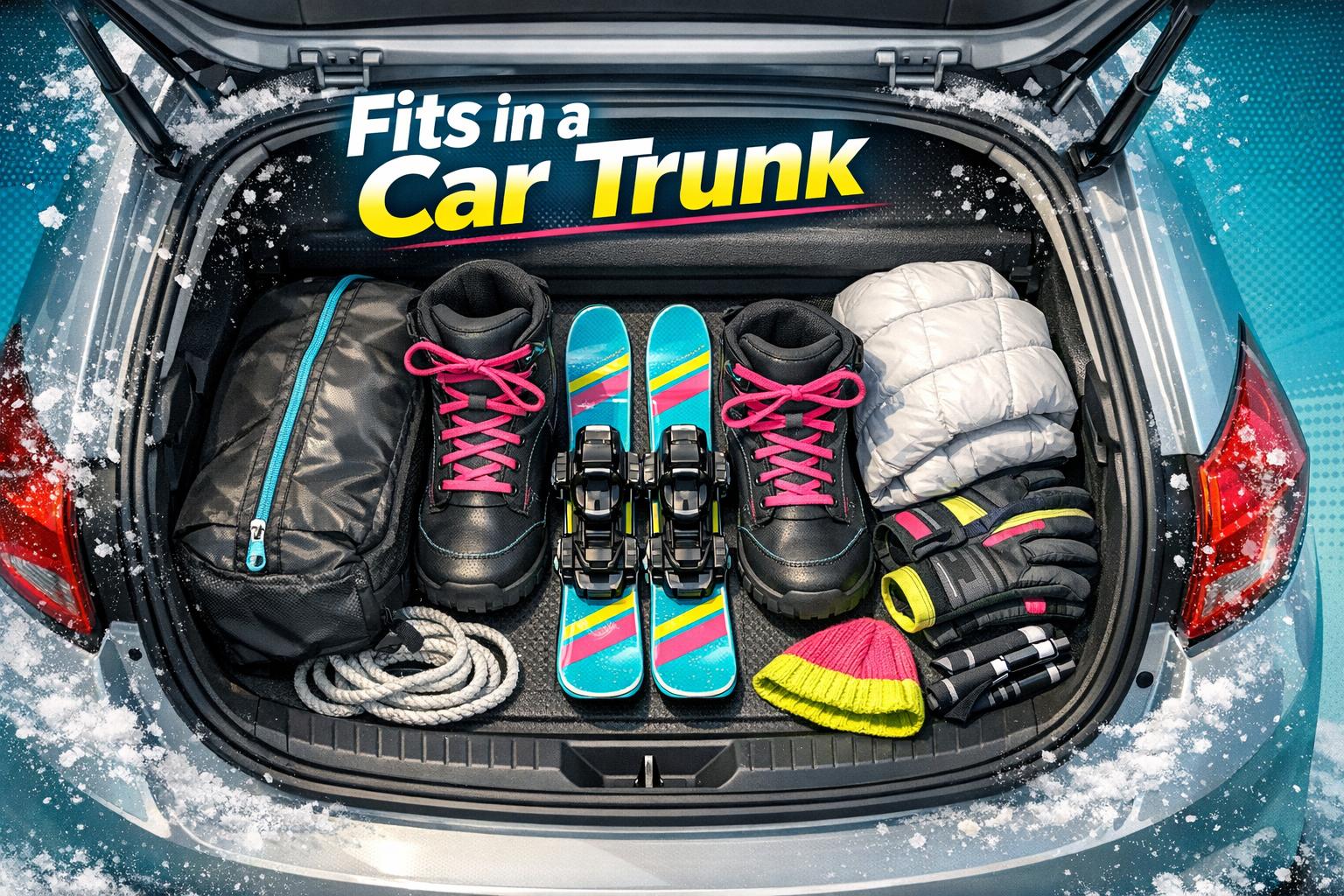
- Portable: Models range from 15–47 inches, small enough to fit in a backpack or car trunk.
- No bulky boots: Some work with regular winter boots or snowboard boots.
- Easier travel: Avoid oversized baggage fees and simplify public transit.
- Great performance: Perfect for groomed slopes, terrain parks, or casual runs.
Popular Compact Ski Options:
- Mini Ski Skates (38 cm): Ultra-light and ideal for small hills or travel.
- Skiskates (44 cm): Best for tricks and groomed slopes.
- Snowfeet PRO (50 cm): Works with winter boots; versatile for icy trails.
- Skiblades (65–99 cm): Agile for sharp turns and moguls.
- Short Skis (120 cm): Closest to traditional skiing, but easier to handle.
Quick Comparison:
| Model | Length | Price Range | Best For |
|---|---|---|---|
| Mini Ski Skates | 38 cm (15 in) | From $250 | Small hills, travel |
| Skiskates | 44 cm (17 in) | From $575 | Tricks, groomed slopes |
| Snowfeet PRO | 50 cm (20 in) | $275 | Casual slopes, winter boots |
| Skiblades | 65–99 cm | From $635 | Moguls, quick turns |
| Short Skis | 120 cm (47 in) | $775 | Resort runs, blue trails |
Whether you're tired of lugging around long skis or just want a simpler way to enjoy winter sports, compact skis offer a practical, fun alternative. Ready to ditch the hassle? Let’s dive into the details.
Compact Skiing Options Explained
Snowfeet* Product Lineup at a Glance
When it comes to compact skiing gear, Snowfeet* has carved out a niche with a lineup tailored for different skiing styles. Here’s a breakdown of their five main products:
- Mini Ski Skates (38 cm / 15 in): These are the most portable option, small enough to fit in a daypack. Perfect for casual fun on small hills or as a travel-friendly choice.
-
Skiskates (44 cm / 17 in): Built with a wood core and metal edges, these are ideal for groomed slopes and terrain parks. As Zbyněk, Snowfeet*’s founder, puts it:
"Skiskates is the best product for slopes we developed so far. I love how easy they are to ski and skate and how many different kinds of tricks I can perform without much effort."
- Snowfeet* PRO (50 cm / 20 in): Designed to work with regular waterproof winter boots - no ski boots needed. These handle groomed slopes, icy surfaces, and even hiking trails, thanks to a built-in heel brake and metal edges.
- Skiblades: Available in two sizes. The 65 cm (26 in) version is quick and nimble, great for moguls, park features, and sharp turns. The 99 cm (39 in) version offers more stability for longer runs while staying more maneuverable than traditional skis.
- Short Skis (120 cm / 47 in): These deliver a more traditional skiing experience, handling blue runs and tougher trails with ease, but they’re still much shorter than standard adult skis.
Here’s a quick comparison to help you choose the right model:
| Model | Length | Starting Price | Best For |
|---|---|---|---|
| Mini Ski Skates | 38 cm (15 in) | From $250 | Casual fun, small hills, travel |
| Skiskates | 44 cm (17 in) | From $575 | Groomed slopes, terrain parks |
| Snowfeet* PRO | 50 cm (20 in) | $275 | Versatile use, winter boots |
| Skiblades | 65 cm (26 in) | From $635 | Moguls, parks, tight turns |
| Skiblades | 99 cm (39 in) | From $675 | All-mountain carving |
| Short Skis | 120 cm (47 in) | $775 | Resort skiing, groomed runs |
Each model is designed to balance portability and performance, making them great for skiers looking to simplify their gear without sacrificing fun.
How Compact Skis Differ from Long Skis
Compact skis bring convenience to a whole new level. Unlike traditional long skis, which often require special bags, roof racks, or hefty baggage fees, compact skis are easy to transport. The shorter models (38–50 cm) fit neatly into a backpack, while even the 120 cm Short Skis slide effortlessly into a car trunk.
But the benefits don’t stop there. On the slopes, compact skis shine with their quick-turning ability and forgiving nature, making them easier to control for most recreational skiers. Long skis, on the other hand, excel at high speeds and in deep powder - situations that aren’t part of most skiers’ everyday experiences.
Brad Tolin, a Snowfeet* customer, sums it up perfectly:
"These ski blades are a blast to use. Super easy to control, quick to turn, and way more forgiving than traditional skis."
For the average skier - whether you’re out for a weekend on groomed trails, taking the kids to the slopes, or exploring a new resort - compact skis offer a practical and fun alternative to traditional gear. Long skis may have their place in extreme conditions, but for most of us, compact options check all the right boxes.
Snowboarder tries Snowfeet* | Which Snowfeet* Short Ski is the Best? | Snowblades 44, 65, 99 Review
How to Pick the Right Snowfeet* Gear
Snowfeet* gear is compact, making it easy to carry while still offering performance tailored to various skiing styles. It’s a great alternative to lugging around traditional skis or snowboards.
Matching Gear to Your Skiing Style
First, think about where and how you plan to ski. For smooth resort runs, the Skiblades 99 cm or 120 cm are a solid choice. They’re great for carving and maintaining speed on blue or intermediate trails. If you’re into tricks, jumps, or hitting the terrain park, go for the Skiskates (44 cm). Their compact size makes spins and quick turns a breeze.
For more laid-back outings, like small hills or quick post-hike sessions, the Snowfeet PRO (50 cm) is lightweight, easy to strap on, and doesn’t require prior skiing experience. If you’re looking for a balance between groomed runs and playful riding, the Skiblades 65 cm offers versatility:
"65 cm is the sweet spot - quick to learn, fast on groomers and super agile even between trees."
This model is perfect if you want more agility than traditional skis but more stability than the smaller options. It’s a great pick for moguls, tight turns, and weaving through trees.
Once you’ve narrowed down your choice, make sure your boots are compatible with the gear.
Boot Compatibility and Terrain Options
Here’s a quick guide to match your boots with the right Snowfeet* model:
| Boot Type | Compatible Models | Best Terrain |
|---|---|---|
| Winter boots | Snowfeet PRO (50 cm) | Casual hills, hiking trails, backyard |
| Snowboard boots | Skiskates (44 cm) | Groomed slopes, terrain parks |
| Ski boots | Skiblades (65, 99, 120 cm) | Resort runs, carving, all-mountain skiing |
The Snowfeet PRO (50 cm) is designed to work with waterproof winter boots, so you don’t need ski or snowboard boots. This makes it a convenient option if you want to skip the rental process entirely. If you have snowboard boots, the Skiskates (44 cm) are a great fit, especially for park-style riding. For those with ski boots - or if you plan to rent ski boots at the resort - any of the Skiblades models will provide a compact, downhill experience. Just keep in mind that the 120 cm Short Skis require professional ski bindings and won’t work with snowboard boots. Double-check compatibility before making your purchase.
sbb-itb-17ade95
Transporting and Storing Compact Skis
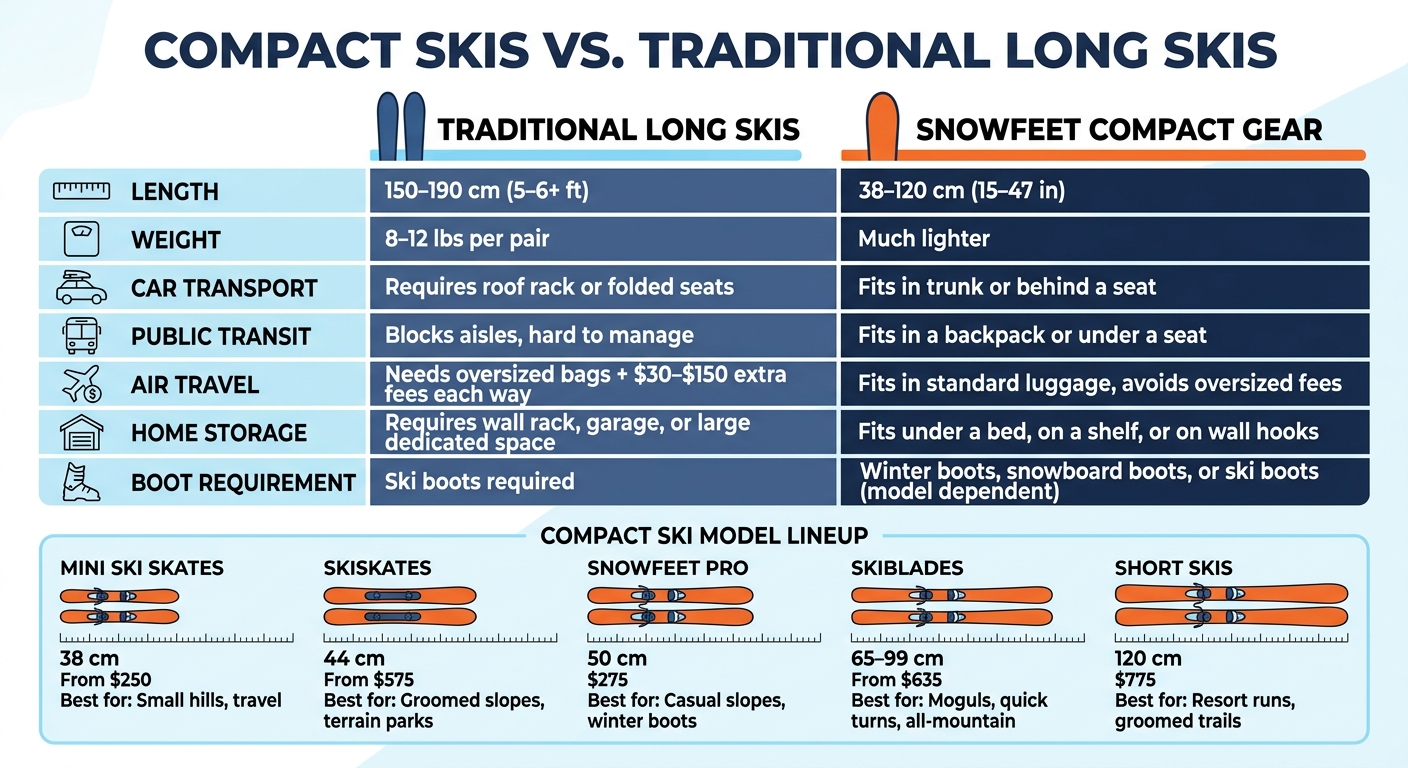
Compact Skis vs Traditional Skis: Size, Cost & Performance Compared
Once you've chosen your perfect Snowfeet* model, you'll quickly see how its compact design makes transport and storage a breeze.
Traditional skis, which are 5–6+ feet long and weigh 8–12 pounds, usually require roof racks or bulky bags for transport. Snowfeet* gear flips the script. Its small size not only makes it easier to carry but also simplifies storage at home or on the go.
Why Compact Gear Is Easier to Carry
Snowfeet* Skiskates (44 cm / 17 in) and Snowfeet PRO (50 cm / 20 in) are roughly the size of a large laptop. They fit snugly into a standard daypack alongside your helmet and extra layers. Even the longer Skiblades, which range from 65 to 120 cm, can slide effortlessly into a car trunk - no need to fold down seats or wrestle with awkward angles.
Taking public transit? This is where compact gear really shines. Unlike traditional skis that block aisles and inconvenience everyone around you, Snowfeet* gear can be carried like any regular bag.
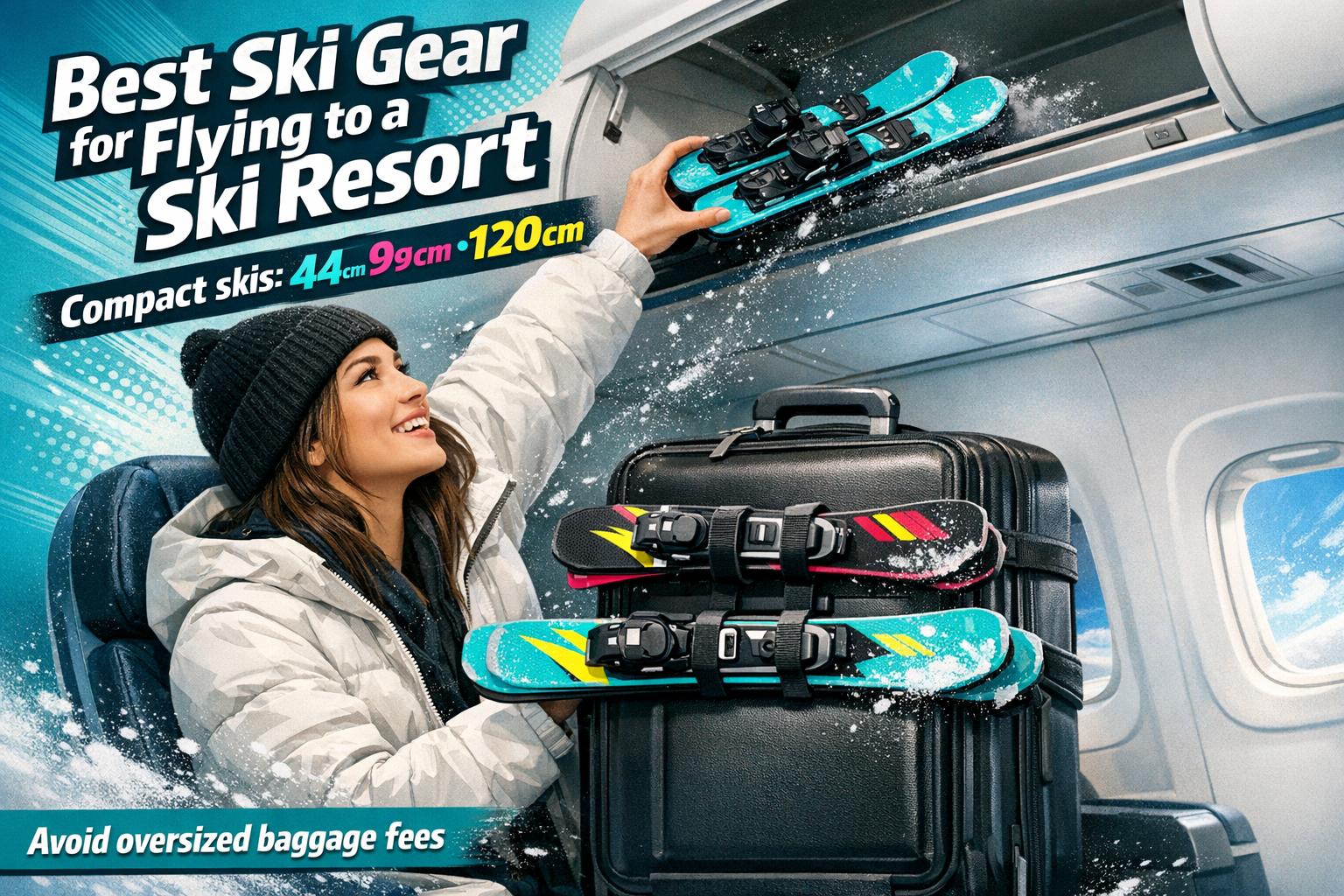
And if you're flying, the compact size can save you some serious cash. Many U.S. airlines charge $30–$150 each way for oversized ski bags. But Snowfeet* models are often small enough to fit into standard checked or carry-on luggage, potentially avoiding those extra fees.
Long Skis vs. Snowfeet* Compact Gear: A Side-by-Side Look
| Feature | Traditional Long Skis | Snowfeet* Compact Gear |
|---|---|---|
| Length | 150–190 cm (5–6+ ft) | 44–120 cm (17–47 in) |
| Weight | 8–12 lbs per pair | Much lighter |
| Car Transport | Requires roof rack or folded seats | Fits in a trunk or behind a seat |
| Public Transit | Blocks aisles, hard to manage | Fits in a backpack or under a seat |
| Air Travel | Needs oversized bags, extra fees | Fits in standard luggage, avoiding fees |
| Home Storage | Requires a wall rack, garage, or large space | Fits under a bed, on a shelf, or wall hooks |
At home, the difference is just as noticeable. A pair of Skiskates takes up no more room than tall winter boots. Slide them under your bed, place them on a closet shelf, or hang them on wall hooks. There's no need for a dedicated ski rack or a garage wall, making them perfect for small apartments or dorm rooms.
After you're done using them, just wipe off any moisture and apply a layer of storage wax to prevent rust. Thanks to their compact size, you can handle all the maintenance on a tabletop - no big workbench or fancy tools required. These features make Snowfeet* a practical and convenient alternative to traditional skis.
Getting Started with Compact Skiing
Thanks to the versatility of Snowfeet* gear, diving into compact skiing is both easy and enjoyable. If you have basic balance skills or any skating experience, you'll likely pick it up quickly. Snowfeet* even claims you can learn basic movement in just 5 minutes. That’s not hard to believe when you consider that 90% of the 2,297 reviewers for the Snowfeet PRO 50 cm gave it a glowing 5-star rating. Clearly, people are finding their footing fast.
Key Techniques for Short Skis
Short skis, like those from Snowfeet*, make learning the basics feel natural. Start on a gentle, well-groomed slope - steeper terrain can wait. Keep your feet about shoulder-width apart, with knees slightly bent and your weight centered over your feet. And here’s a big one: don’t lean back. Even a small backward lean can throw you off balance much faster on short skis compared to traditional 59–75 inch (150–190 cm) skis.
Turning is a breeze with these compact skis. To turn, shift your weight to the opposite foot - short skis pivot quickly, so smooth, gradual movements are all you need. When it’s time to stop, the hockey stop is your best bet: twist both skis across the slope and press the uphill edges into the snow. If you’re using the Snowfeet PRO (50 cm / 20 in), there’s even a built-in heel brake for extra control. If you’re on longer Skiblades (26–47 inches or 65–120 cm), a simple wedge stop works well on beginner slopes until you’re ready to progress to parallel turns.
Setup and Maintenance Tips
Before hitting the slopes, adjust your bindings in a warm, indoor space. Each Snowfeet* model has its own binding system, so follow the manual carefully. The goal? Center your boot over the ski and tighten the straps in stages, starting at the toe and working up to the ankle. The straps should be snug but not so tight they cut off circulation. If your boot wiggles once fastened, it’s time to recheck - loose straps are a common beginner mistake and can make control much harder.
After skiing, take a few minutes for maintenance. Wipe off any moisture to prevent rust and check for loose screws. Wax the base regularly - daily if you’re on a ski trip - to keep the skis gliding smoothly and to stop snow from sticking. And always store your gear completely dry. As the Snowfeet* FAQ puts it:
"Maintenance is minimal. It's recommended to regularly check for any loose screws, use wax, ensure the bindings are secure, and wipe off any snow or moisture after use." - Snowfeet* PRO FAQ
Once you’ve got these basics down, you’re ready to enjoy the fun and freedom of compact skiing on just about any slope!
Conclusion: Why Compact Skiing Makes Sense
Snowfeet* gear brings a fresh approach to skiing, offering a lighter, more convenient way to hit the slopes. The concept is straightforward: less equipment to lug around, quicker to pick up, and packed with fun. Here’s a quick rundown of why Snowfeet* might be the perfect choice for your next mountain adventure.
Key Takeaways
- Compact size: Snowfeet* products are significantly shorter than traditional skis, ranging from just 15 inches (38 cm) to 47 inches (120 cm), compared to the typical 59–71 inches (150–180 cm) of standard adult skis.
- Simple to transport and store: Forget roof racks or oversized ski bags. These fit easily into a car trunk, closet, or even a checked suitcase, making them perfect for weekend getaways or trips involving air travel.
- Performance that delivers: With features like metal edges, wood cores (on select models), and proper bindings, you can carve turns and tackle groomed trails, terrain parks, or casual resort runs with confidence.
- Versatile and convenient: Snowfeet* gear isn’t just about skiing - it’s about enhancing the entire experience, from hassle-free travel and storage to improved agility on the slopes.
With these advantages, compact skiing could be the game-changer you’ve been looking for.
Next Steps
If you’re someone who enjoys weekend ski trips, travels frequently, or has limited storage space, compact gear could revolutionize how you ski. Check out the full lineup at snowfeetstore.com. Whether it’s the Snowfeet PRO (50 cm, made for winter boots) or the 120 cm Short Skis, there’s an option for everyone. Not sure where to begin? A mid-length skiblade around 99 cm offers a great balance of stability and agility, especially for groomed resort conditions.
FAQs
Can I use Snowfeet* with regular winter boots?
Snowfeet* mini skis are built to work with regular winter boots or snowboard boots. The key is that the boots should offer good ankle support and, ideally, be waterproof. Thanks to their adjustable bindings, these mini skis fit most types of winter footwear. That means you can skip the traditional ski boots, making Snowfeet* a super portable and convenient option compared to standard ski gear.
Are compact skis allowed at most ski resorts?
Most ski resorts across the U.S. generally permit compact skis, such as Snowfeet's Skiblades and Skiskates. These smaller skis are popular because they’re versatile and work well on different types of terrain. That said, it’s always smart to double-check the specific rules at the resort you’re visiting, as some may have restrictions. Compared to traditional skis, compact skis are easier to carry and handle, which makes them a convenient option that’s gaining traction among skiers.
Which Snowfeet* length is best for beginners?
The 44 cm Snowfeet* are a great choice for beginners, thanks to their quick learning curve and user-friendly design. These super-short skis are lightweight, easy to handle, and very responsive, making them a fantastic option for both kids and adults who are just starting out. Their compact size allows new skiers to gain confidence quickly while having a fun and nimble experience on the slopes.











Laat een reactie achter
Deze site wordt beschermd door hCaptcha en het privacybeleid en de servicevoorwaarden van hCaptcha zijn van toepassing.