
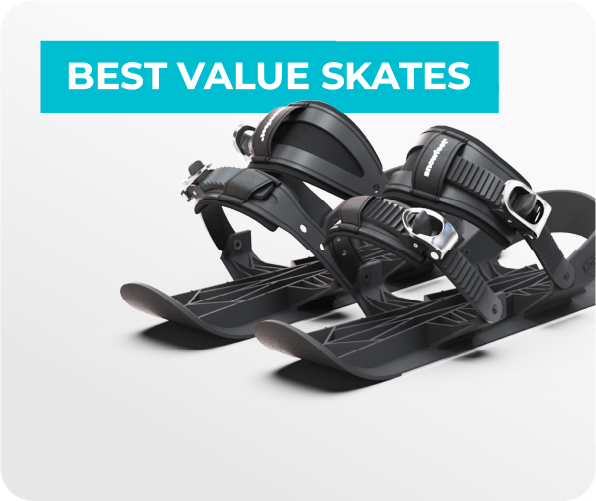
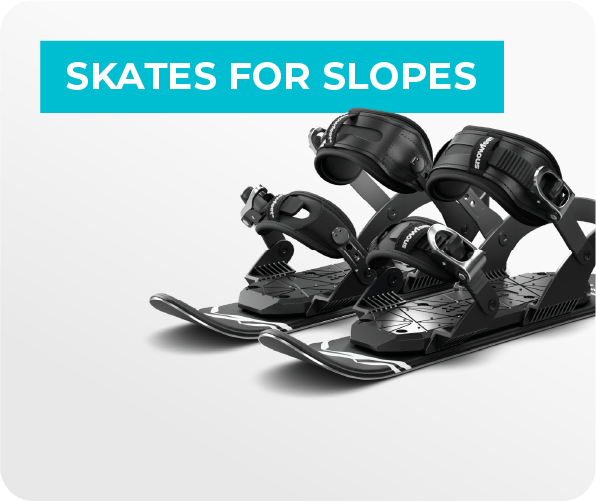
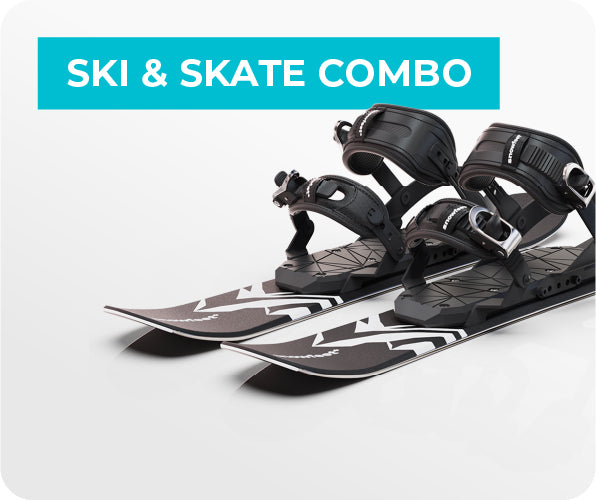
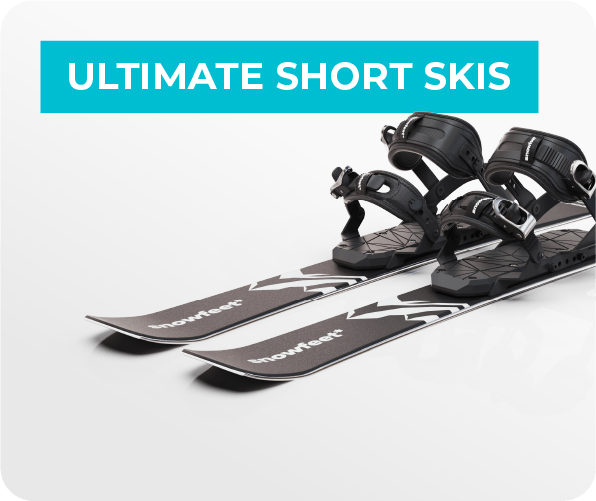
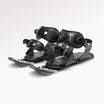
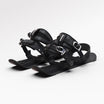
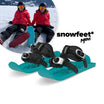
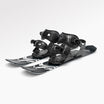
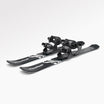
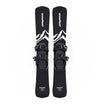
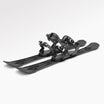
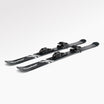
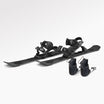
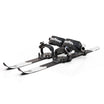
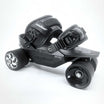
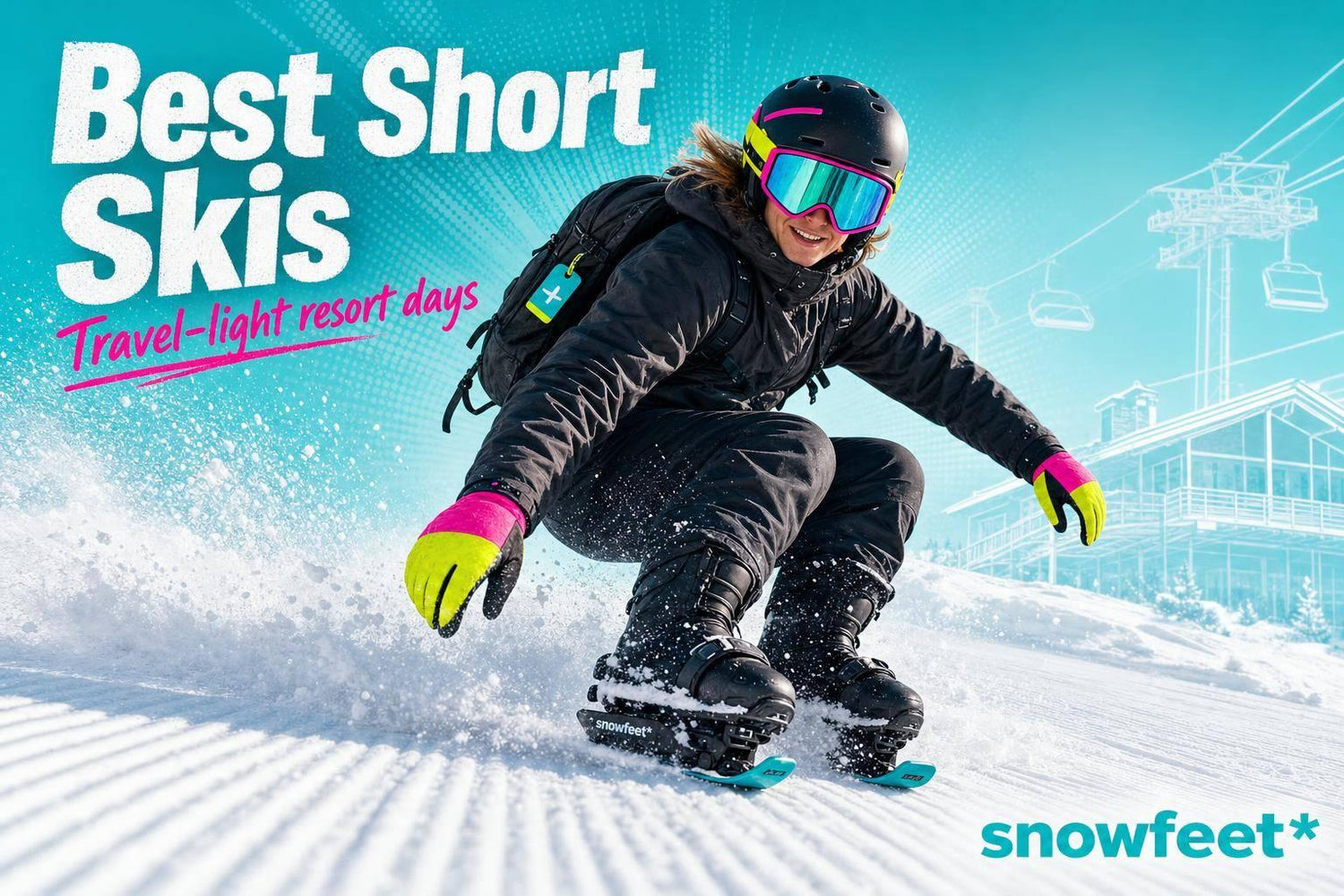
If I only skied once a year, I wouldn’t buy long beginner skis first. I’d start with a short ski that’s easier to turn, easier to pack, and less work on day one. Based on the article, the best default pick is the Snowfeet* Skiblades 99 cm. If I wanted the smallest travel setup, I’d look at the 44 cm Skiskates. If I wanted more calm on groomers, I’d move to the 120 cm Short Skis.
That matters because most skiers don’t ski that often. The U.S. saw 61.5 million skier and snowboarder visits in the 2024–25 season, and about 11.6 million people skied or snowboarded at least once in 2022–23. So, uh, a lot of people are not chasing race-level gear. They just want something fun, simple, and easy to bring on a short trip.
Here’s the short version:
- Best for most once-a-year skiers: Snowfeet* Skiblades 99 cm
- Best for travel and tiny packing space: Snowfeet* Skiskates 44 cm
- Best if you want more stability: Snowfeet* Short Skis 120 cm
- Best for soft snow trips: Snowfeet* POWDER 99 cm
- Best if you ski fast on big groomers: 160–170 cm beginner skis
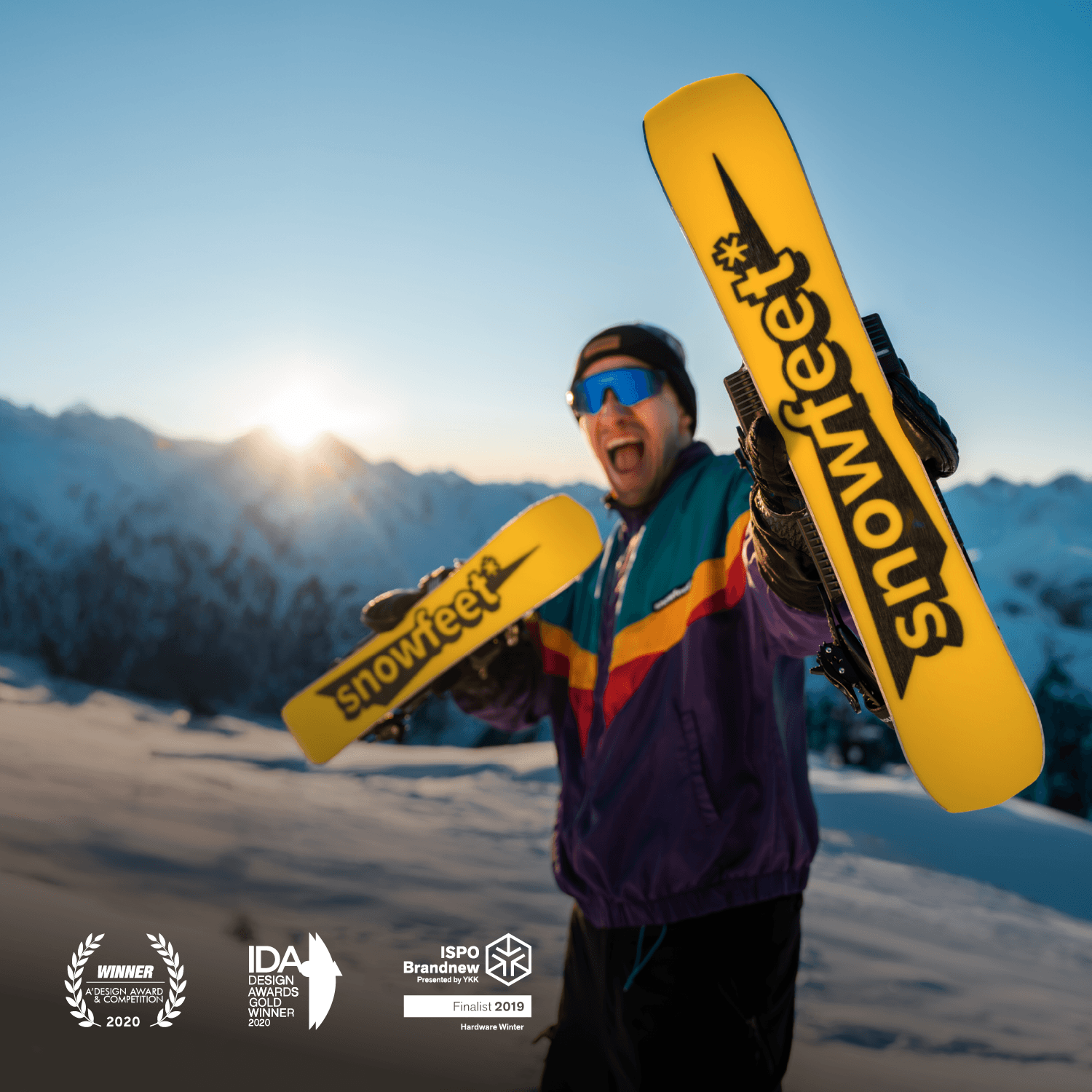
- Main edge of Snowfeet*: short length, easy turning, and options for ski boots or snowboard boots on many models
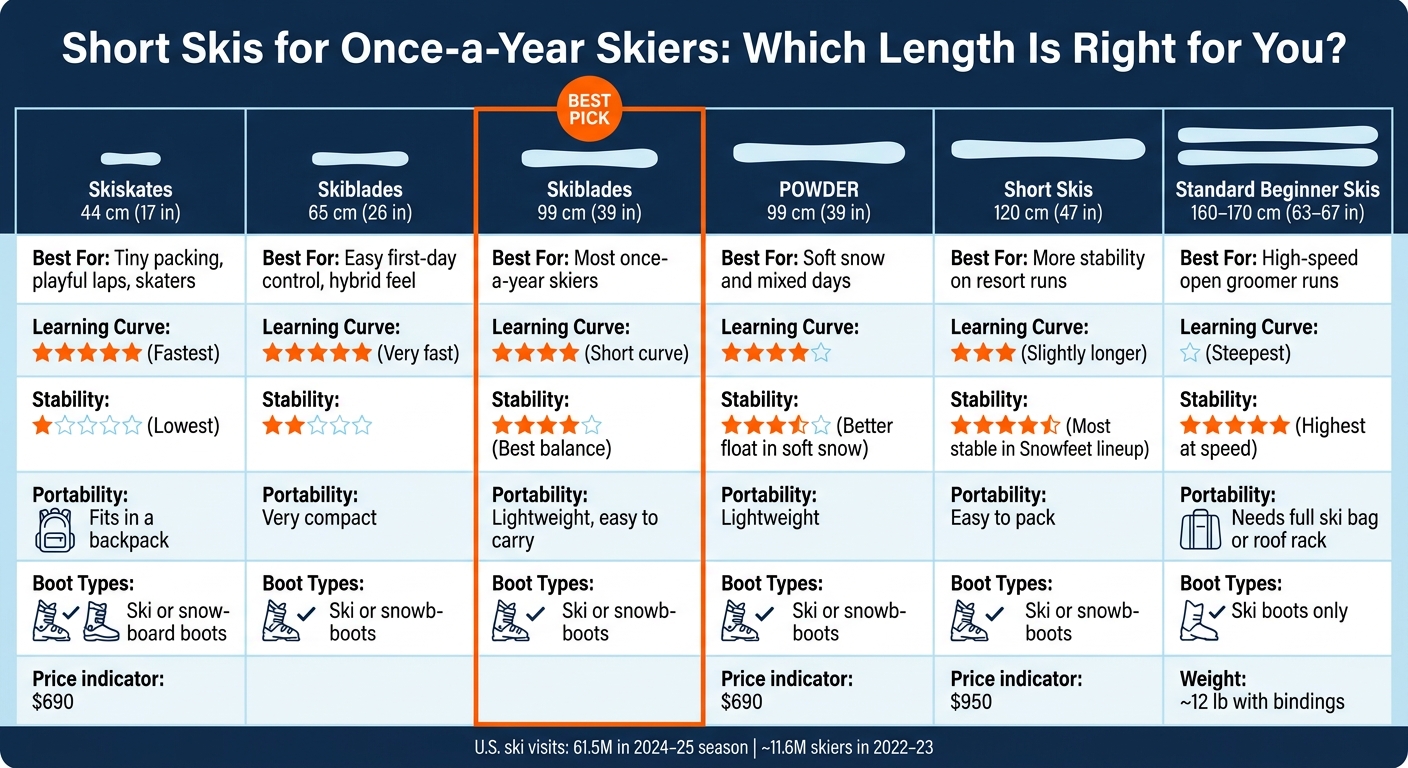
Short Skis for Once-a-Year Skiers: Side-by-Side Comparison
Snowboarder tries Snowfeet* | Which Snowfeet* Short Ski is the Best? | Snowblades 44, 65, 99 Review
Quick Comparison
| Option | Best For | Main Tradeoff | Portability |
|---|---|---|---|
| Snowfeet* Skiskates 44 cm | Tiny packing, playful laps, skaters | Least stable at speed | Fits in a backpack |
| Snowfeet* Skiblades 65 cm | Easy first-day control | Less calm than 99 cm | Very easy to carry |
| Snowfeet* Skiblades 99 cm | Most once-a-year skiers | Not as planted as long skis at speed | Easy to pack |
| Snowfeet* POWDER 99 cm | Soft snow and mixed days | Less ideal if you stay on groomers | Easy to pack |
| Snowfeet* Short Skis 120 cm | More stability on resort runs | Less playful than shorter picks | Easy to pack |
| 160–170 cm beginner skis | Faster skiing on open runs | More bulk, harder at low speed | Hardest to travel with |
| Bigfoot / Figl / ODR / Salomon-style | Other short-ski options | Fewer boot setup choices | Better than long skis |
If I had to boil the whole thing down to one line, it’s this: buy the shortest ski that still matches how you ski now, not how you wish you skied after two coffees and a YouTube montage :)
For a quick visual on short skis and skiblades, these videos can help:
1. Snowfeet* Skiskates 44 cm (17 in)
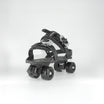
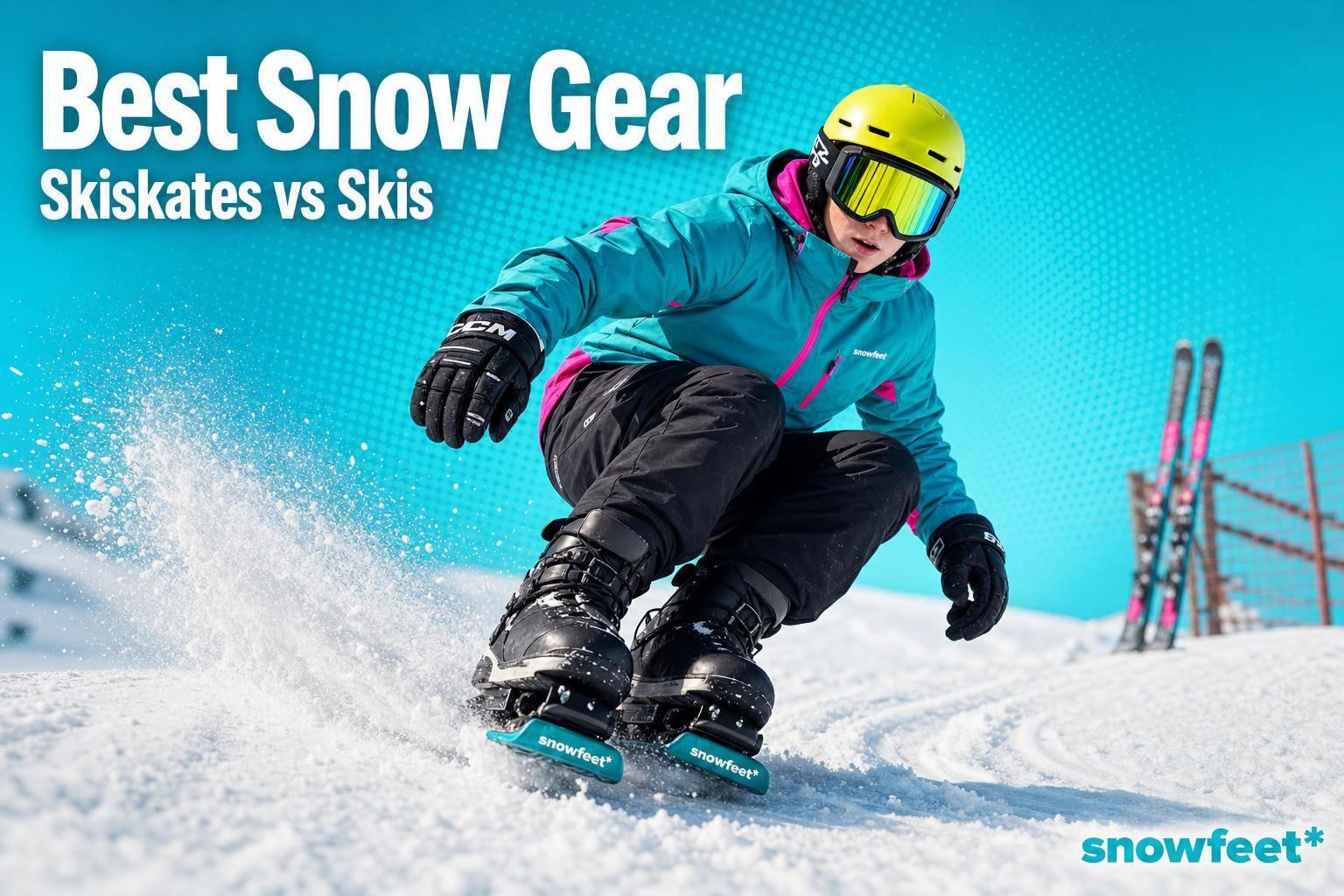
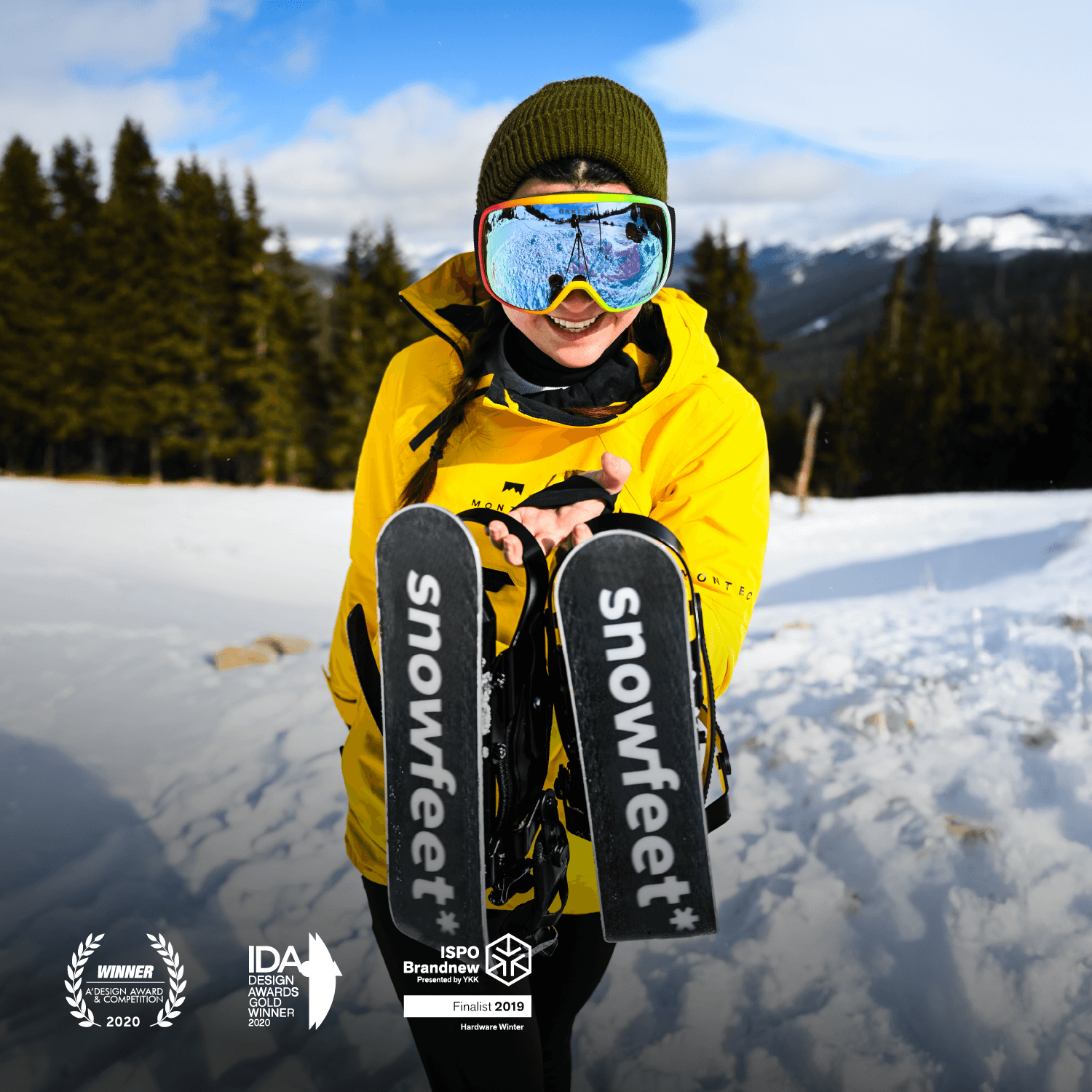
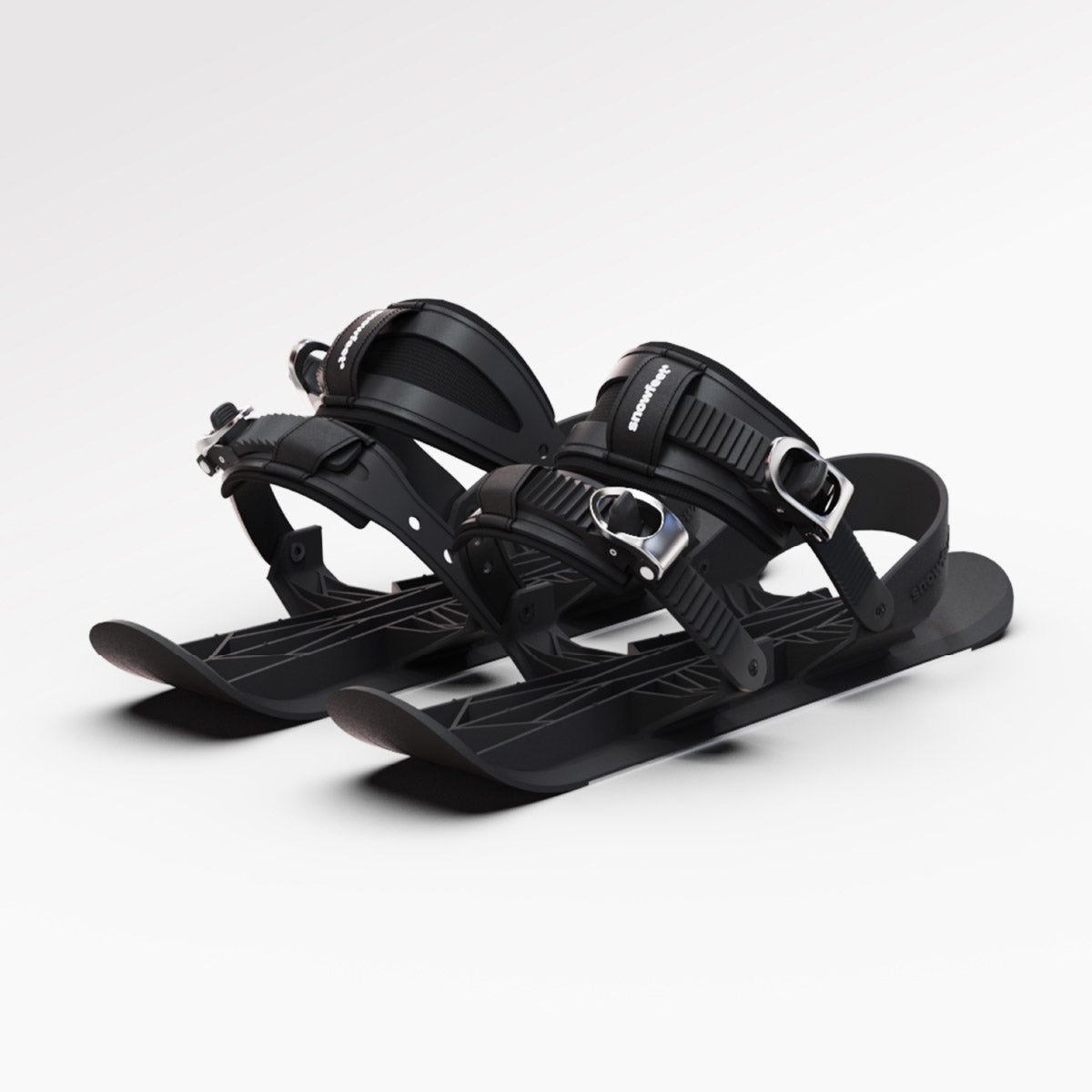
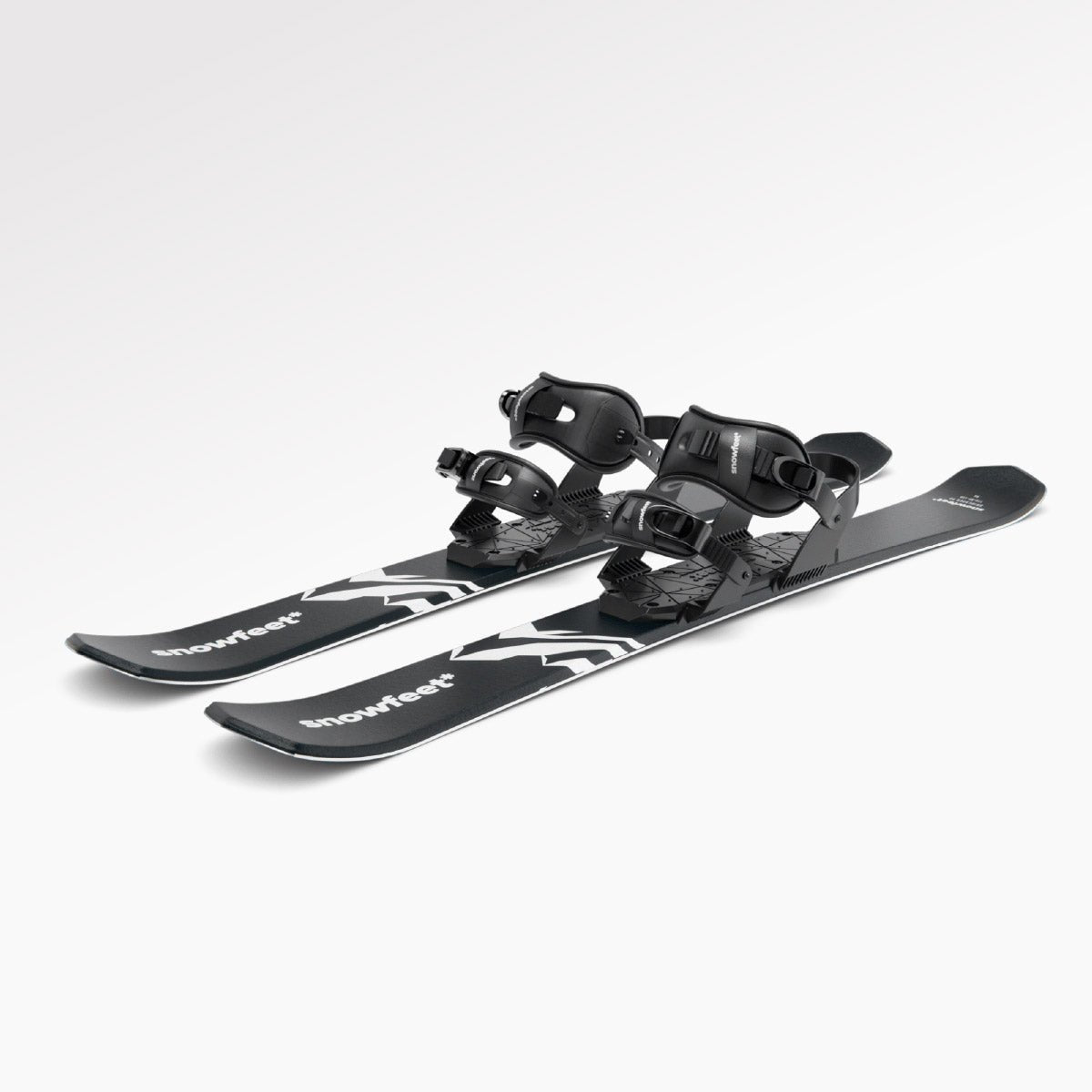
At just 17 inches long, Snowfeet* Skiskates are sold as the "World's Shortest Skis". They’re built for riders who want gear that’s easy to carry and easy to pick up fast. For someone who skis once in a while, that usually means one thing: easy control matters more than speed.
The official product page lists some setups at $690. As for the build, you get a certified sustainable wood core, metal edges, and a graphite base.
Learning Curve
This is where Skiskates stand out. Snowfeet* says most people can learn the basics in about 5 minutes, mainly if they already know ice skating, inline skating, or hockey. That makes sense. These ride more like skates than full skis, so you’re dealing with less length and less material under each foot.
The basic stance is simple: keep your knees bent and put one foot a bit ahead of the other.
"Takes a little getting used to, but super fun once you do. A lot easier to haul around... than traditional skis!" - heyjerz, Verified Reviewer
Stability vs. Agility
At 44 cm, these lean hard toward agility. They’re built for quick turns, spins, and playful laps on groomed runs. That short length makes them easy to move around, but there’s no magic here: they won’t feel as steady at higher speeds.
That trade-off is often fine for casual resort skiing. If you’re taking mellow laps and want something fun, quick, and less intimidating, this setup makes a lot of sense. If the 44 cm version sounds a bit too loose, the 65 cm Skiblades give you more stability without a huge jump in size.
Boot Compatibility
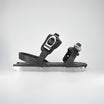
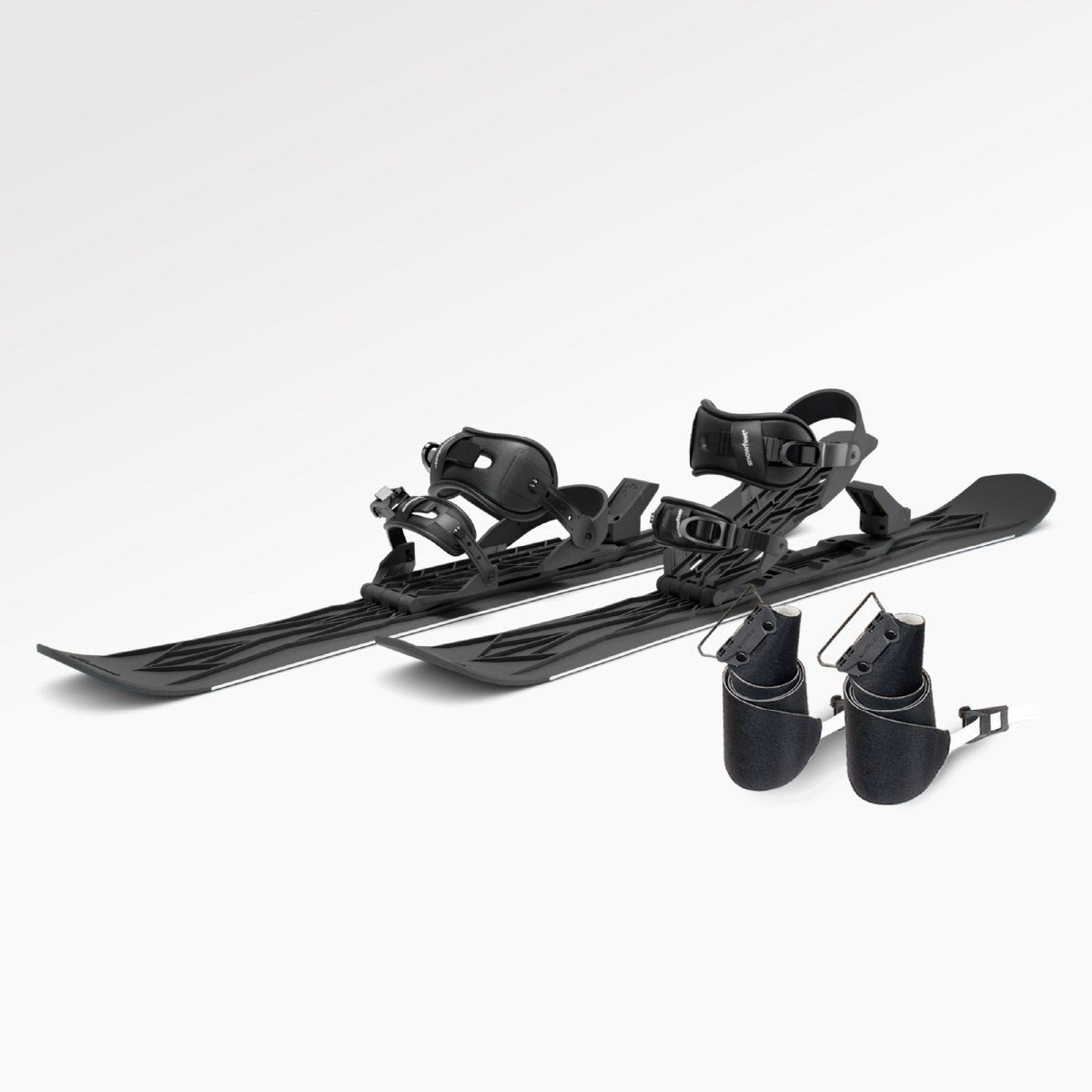
Skiskates come with two binding choices: one for standard ski boots and one for snowboard boots. The snowboard boot version can also fit sturdy winter boots, which is a nice touch if comfort matters more to you than a locked-in race feel.
Here’s the simple split:
- Choose ski boots for more control.
- Choose snowboard boots or winter boots for comfort and an easier setup.
Travel Portability
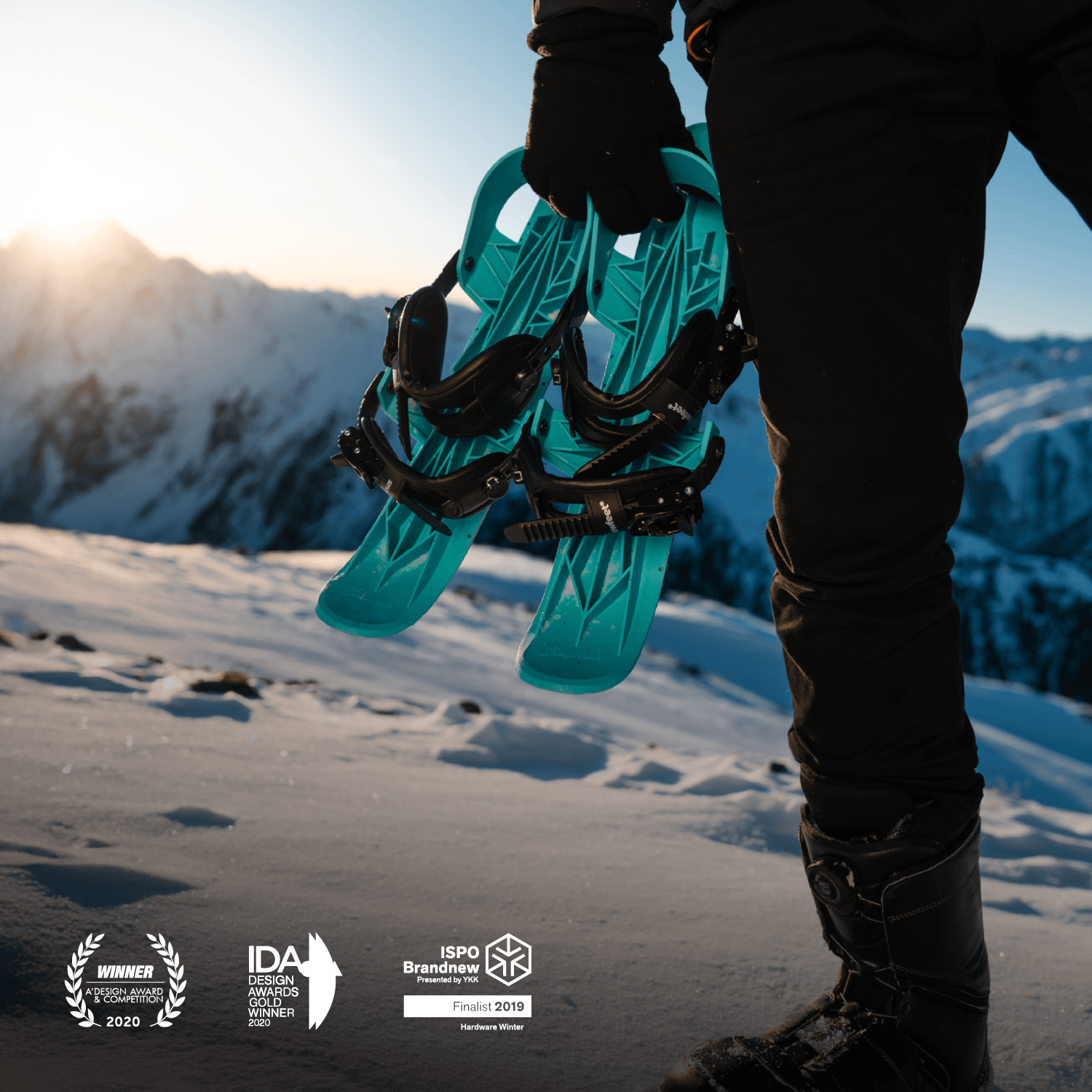
For once-a-year skiers, packing can be half the battle. And this is where Skiskates make people grin. They fit inside a standard backpack, so they’re much easier to bring on flights or toss in the car for a road trip.
If you like the easy handling here but want a bit more balance underfoot, the 65 cm Skiblades are the next move.
2. Snowfeet* Skiblades 65 cm (26 in)
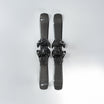
If the 44 cm Skiskates feel a bit too loose, the 65 cm Skiblades are the next step that tends to click for a lot of people. At 26 inches long, they land in a sweet spot between skate-like quickness and ski-like balance. You get enough length to carve with more control, but they’re still short enough to feel quick under your feet. For someone who skis once a year, that usually means less stress on run one.
That added length gives them a calmer feel than the 44 cm Skiskates. But they still don’t feel big or clunky. And because they’re much shorter than standard 160–170 cm skis, they’re easier to control, turn, and stop. They feel light and quick, which is a big deal when you don’t want to spend half the day getting used to your gear.
For most once-a-year skiers, 65 cm is the best mix of control and stability. They have a 4-meter turning radius, so they turn fast but still hold speed on groomed runs. That makes them a strong pick for moguls or tree runs too.
"The learning curve was quick. They maneuver as easily as skates, but are surprisingly fast down the mountain. The most fun was weaving through the woods." - Tripp, Verified User
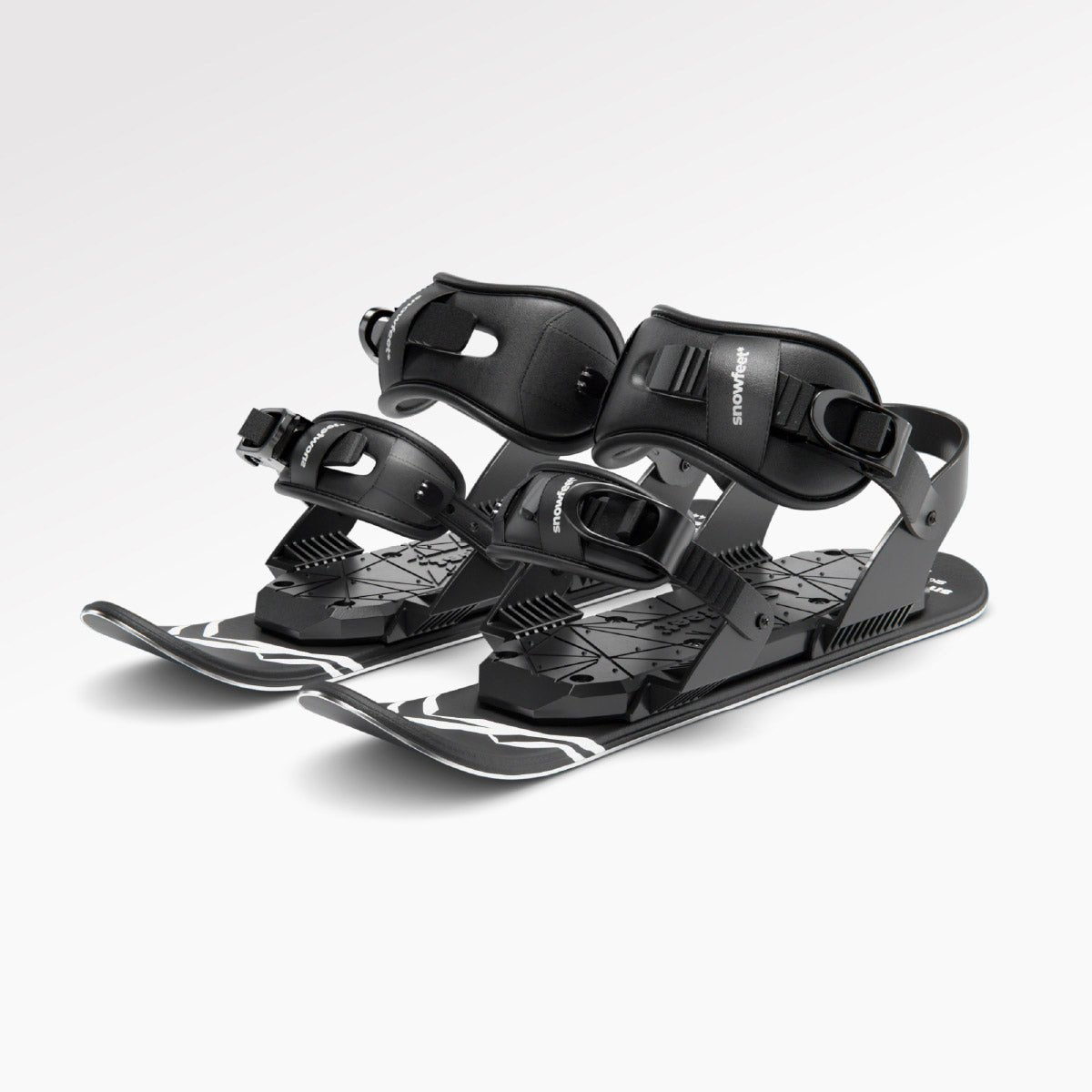
For occasional skiers, the appeal is pretty simple: more control than 44 cm, less bulk than standard skis. These skiblades come with two binding options:
- Ski boot bindings for US sizes 4.5–14.5
- Snowboard boot bindings for US sizes 6–14.5
The ski-boot version weighs 3.79 lbs per pair, while the snowboard-boot version weighs 5.89 lbs. If you already use ski boots, the ski-boot setup is the easy call. If comfort matters more, the snowboard-boot setup may suit you better. Either way, they’re still much easier to pack than full-length skis. If you want a bit more stability and speed, the 99 cm Skiblades are the next move.
3. Snowfeet* Skiblades 99 cm (39 in)
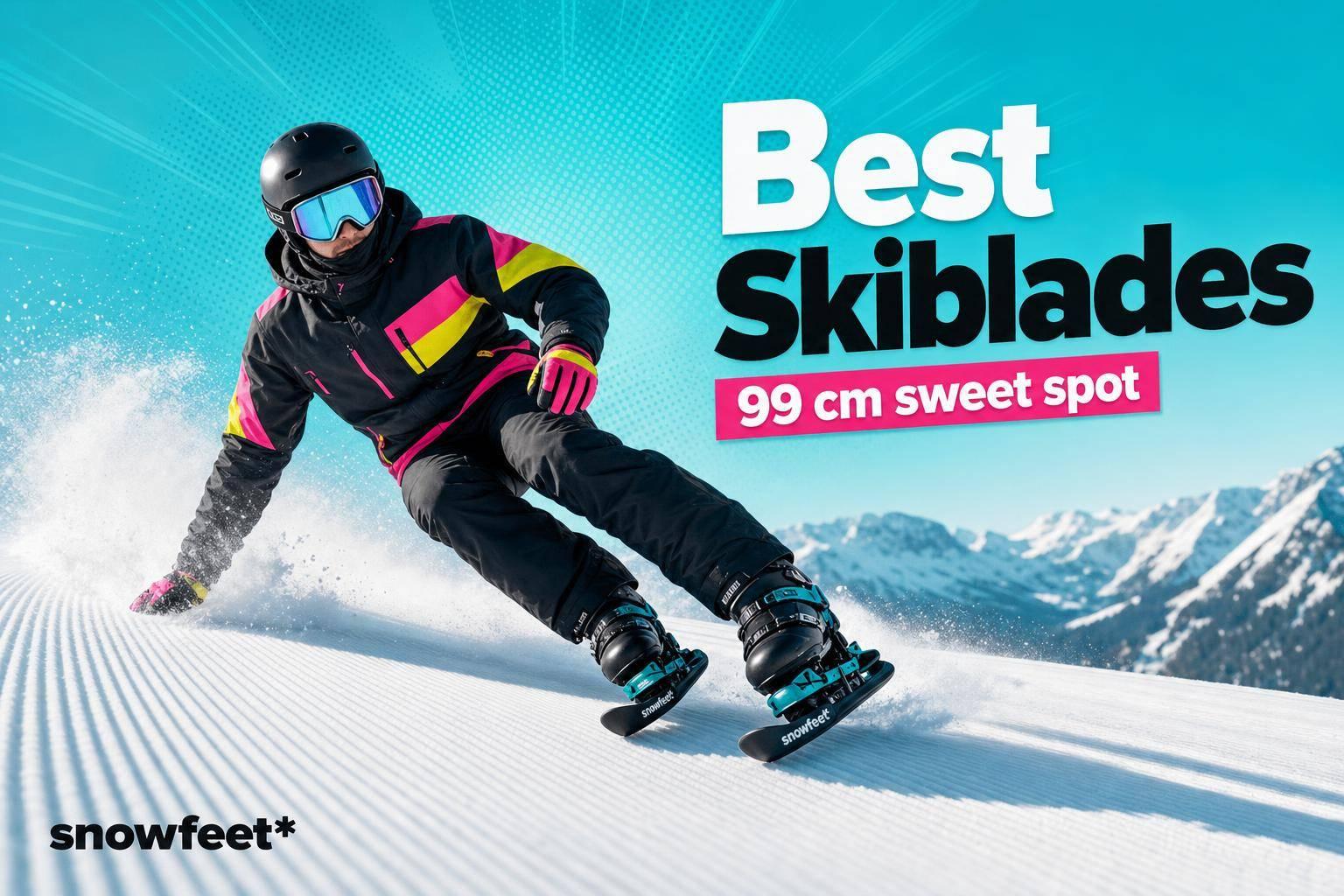
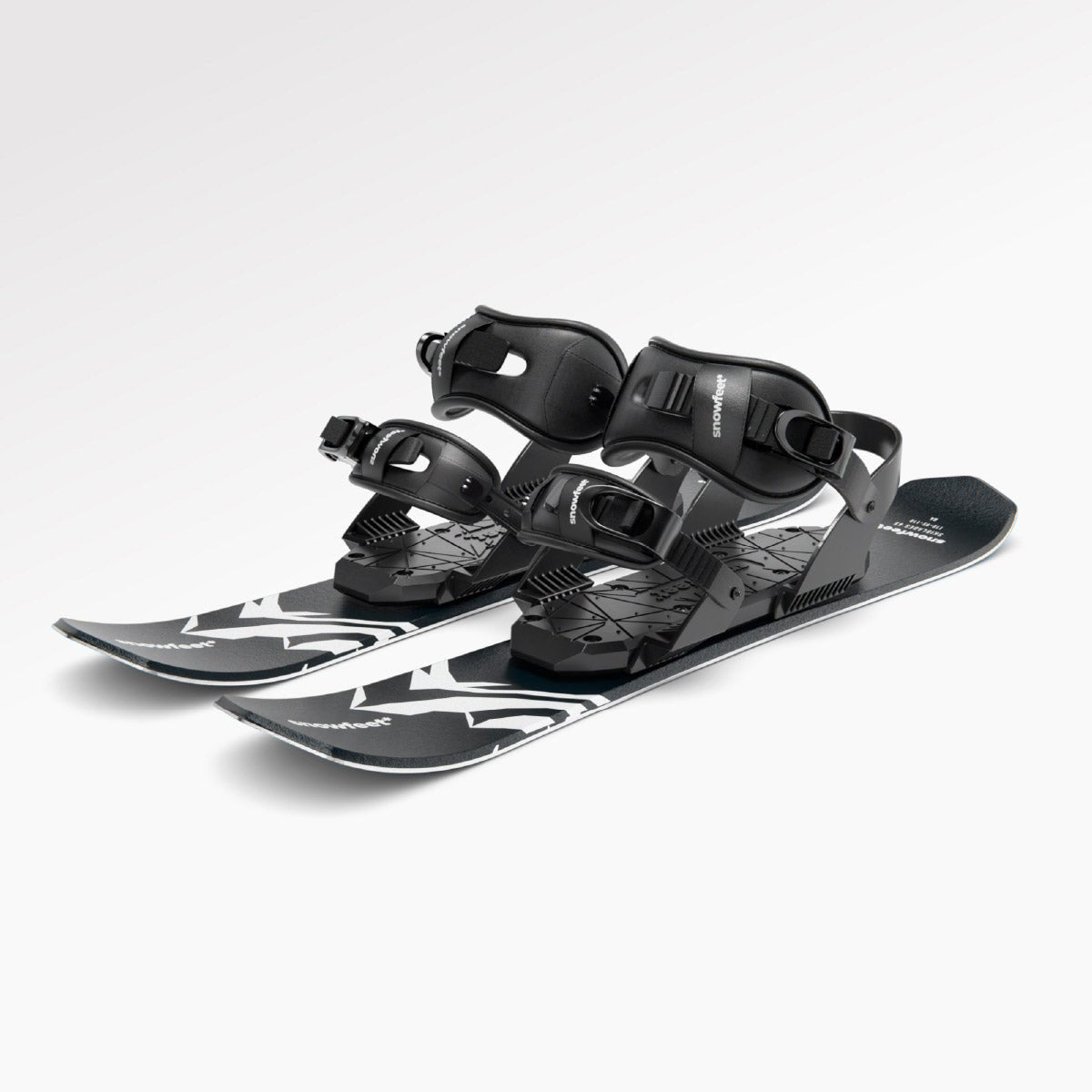
The 99 cm Skiblades are the most ski-like Snowfeet* pick for occasional skiers. They give you more stability and more confidence in carved turns, but without the awkward bulk of full-length skis. If you ski once a year and want more control than the 65 cm model, but don’t want to lug around a big setup, this is the sweet spot in the lineup.
Learning Curve
These still feel friendly on day one, but the extra length helps them stay more planted than the 65 cm version. The curved sidecut makes turn entry feel quick and natural, not twitchy. Verified user Brad Tolin said it best:
"These ski blades are a blast to use. Super easy to control, quick to turn, and way more forgiving than traditional skis. I felt comfortable on them within just a few runs."
For a once-a-year skier, that kind of fast comfort is a big deal. You don’t want to spend half the day just trying to get your legs back under you.
Stability vs. Agility
Compared with the 65 cm model, these carve with more confidence and feel calmer underfoot. At the same time, they still stay nimble in bumps and mixed terrain. That’s the nice part: you get more grip and control without feeling like you’re steering a bus :)
At very high speeds, longer skis still feel steadier. But for casual resort skiers, that trade-off usually makes sense.
If you want a bit more float and more confidence on downhill runs, the next move is the 120 cm Short Ski.
Boot Compatibility
You’ve got a few binding choices here:
- Choose the Simple Ski Boot binding for standard ski boots
- Pick the Pro Ski Boot for a wider boot range
- Go with the Snowboard Boot binding if you want a softer, more comfortable setup
That makes the 99 cm model the middle-ground pick for relaxed resort days.
Travel Portability
They’re still much easier to pack than 160–170 cm skis, which makes them a smart travel option for short trips and checked bags.
If you want more downhill stability and better float in powder, move up to the 120 cm Short Skis.
4. Snowfeet* POWDER 99 cm (39 in)
The Snowfeet* POWDER 99 cm keeps the same 99 cm length, but it leans into soft snow. The regular 99 cm is more at home on groomers and all-around carving. This one is made for powder and off-trail days.
Starting at $690, it makes the most sense if your once-a-year ski trip has a good shot at fresh snow. If not, the regular 99 cm will usually be the better fit.
Learning Curve
This model keeps the easy, short-ski feel of the 99 cm line, but adds more float in soft snow. That’s the nice part here: you still get a ski that feels simple and approachable, without dragging around the clunky feel of a 160–170 cm beginner ski.
At 99 cm, there’s enough ski underfoot to feel stable and planted, which helps a lot when the snow gets soft or choppy.
Stability vs. Agility
The POWDER 99 cm lands in a nice middle ground. It’s stable enough for calm, confident turns in mixed snow, but still nimble enough to stay fun on groomed runs between powder days.
Its deeper sidecut helps you start turns with less effort, which matters when the snow is uneven or unpacked. Full-length skis still feel steadier when you’re going fast, no surprise there. But for casual trips and mixed snow, this model does a solid job.
If you want more stability in mixed conditions, the 120 cm model is the next size up.
Boot Compatibility
The POWDER 99 cm comes with bindings for ski boots, pro ski boots, and snowboard boots.
| Binding Type | Compatible Boot Sizes (US) |
|---|---|
| Simple Ski Boot Bindings | US 4.5–14.5 |
| Pro Ski Boot Bindings | MP 26–36.5 |
| Snowboard Boot Bindings | US 6–14.5 |
Travel Portability
It’s still much easier to pack than full-size skis, which is a big plus on short trips where snow conditions can flip fast. And if you want a bit more all-around stability for mixed resort days, the 120 cm Short Skis are the next step.
sbb-itb-17ade95
5. Snowfeet* Short Skis 120 cm (47 in)
If the 99 cm models feel a bit too twitchy, the Snowfeet* Short Skis 120 cm give you more calm under your feet. They cost $950. This is the longest Snowfeet* model in this lineup, built to give you more stability without dragging you into full-length ski territory. For occasional skiers, that can be a nice middle ground: more confidence, less bulk.
Learning Curve
These skis are still easier to learn on than standard 160–170 cm beginner skis. The strong sidecut, plus camber with rocker in the tip and tail, helps the skis turn with less effort and keeps them forgiving on groomers and mixed terrain.
Compared with the 99 cm version, the 120 cm model feels less snappy and more settled. You do need a bit more balance and better timing, sure. But in return, you get more support and a steadier feel.
Stability vs. Agility
For skiers who hit the slopes once a year and want more confidence on groomers, this is the most balanced Snowfeet* option. It has a 3.1-inch waist and twin tips, so it feels more planted than the shorter Snowfeet* models while still being much easier to steer than typical 160–170 cm beginner skis.
That extra surface underfoot can help casual skiers feel steadier on resort runs and mixed snow. It’s a good match for laid-back resort laps, where easy turning matters more than charging hard. If your main goal is max stability at high speed, longer skis still win.
Boot Compatibility
The 120 cm model comes with Pro Ski Boot Bindings for standard ski boots in the 26–36.1 MP (Mondo Point) range. Before you buy, check your boot’s MP size so you know it fits the binding setup. Small step, big headache avoided :)
| Binding Type | Compatible Boot Sizes |
|---|---|
| Pro Ski Boot Bindings | MP 26–36.1 |
Travel Portability
At 47 in, these are still much easier to pack in a car or ski bag than full-length skis.
6. Standard Beginner Skis 160–170 cm (63–67 in)
Standard beginner skis are the baseline in this comparison. They’re what most people picture when they think of a first ski setup.
Learning Curve
These skis take time to get used to. At 63–67 inches long, they’re tougher to steer in tight resort areas and at slow speeds. That’s a big deal if you ski once a year and only get a few days on snow.
A lot of that short trip can end up going toward handling the ski length instead of just skiing and having fun. Even when the size is right, longer skis still ask more from you at slow speeds and in narrow spaces. That’s why shorter skis often feel easier from the first run.
Stability vs. Agility
On wide-open groomers and at higher speeds, 160–170 cm skis feel more planted than shorter options. If your perfect day means cruising fast on open terrain, longer skis are the better fit.
But in crowded runs, slow resort zones, and other tight spots, they can feel stiffer and harder to redirect. For occasional skiers who are still building confidence, that makes them less forgiving. For casual resort skiing, that extra steadiness often doesn’t make up for the hassle.
Boot Compatibility
Standard beginner skis need dedicated ski boots and release bindings. In plain terms, that often means resort rentals and less say over fit.
Snowfeet* short skis work differently. They offer bindings that are compatible with both ski boots and snowboard boots, which gives casual skiers more freedom, especially if they already own snowboard boots.
Travel Portability
For occasional skiers, the main downside of standard-length skis is transport. A pair of 160 cm skis weighs about 7.1 lb without bindings and around 12 lb with bindings included.
They won’t fit in a regular bag. You’ll usually need a full-size ski bag, which adds checked-bag hassle at the airport. If you fly for ski trips, owning and hauling standard skis can be the biggest pain point. That gap in day-to-day ease is where short-ski options start to make a lot more sense.
7. Competing Snowblades and Short Skis (Bigfoot, Figl, ODR, Salomon-style)
Legacy snowblades like Bigfoot, Figl, ODR, and Salomon-style models sit in the same short-ski lane. But in most cases, they give you fewer choices than Snowfeet*. For casual skiers, these are the main non-Snowfeet* options worth looking at.
Learning Curve
These competitors are easier to handle than long skis. That part is simple.
Still, Snowfeet* tends to be easier for people who ski once in a while. The shortest models feel natural fast, and the setup choices give riders more room to pick what suits them. With other brands, bindings and shapes can vary a lot, so the ride can feel less consistent for casual skiers.
Stability vs. Agility
With competing models, length still shapes the ride. Shorter skis turn faster. Longer ones feel calmer and a bit more settled.
Snowfeet* 99 cm and 120 cm models hit a nice middle ground for casual skiers. You get solid control without giving up the fun, quick-turn feel.
Boot Compatibility
A lot of competing models lock you into ski boots only. Snowfeet* also offers versions for snowboard boots, which is a big plus if you already own boots you like wearing.
For a once-a-year rider, that can make a bigger difference than people expect. If your feet are happy, the day usually goes a lot better :)
Travel Portability
These shorter competitors are easier to travel with than full-length skis. No surprise there.
But Snowfeet* 44 cm Skiskates are in a different class when it comes to packing. They fit in a standard backpack. That’s a huge win for light travel, quick trips, or anyone who doesn’t want to wrestle with bulky gear in the parking lot.
So, competitors still make sense as reference points. But for most once-a-year skiers, Snowfeet* remains the easier and more flexible pick. From there, the next step is figuring out which short-ski length gives the best mix of ease, stability, and fun.
How These Options Stack Up for Once-a-Year Skiers
Now that each option is covered, here’s the fastest side-by-side view for once-a-year skiers.
| Option | Learning Curve | Stability vs. Agility | Boot Compatibility | Portability |
|---|---|---|---|---|
| Skiskates 44 cm (17 in) | Fast to learn, especially for skaters | Maximum agility, least stable at high speeds | Ski or snowboard boots | Fits in a backpack |
| Skiblades 65 cm (26 in) | Fast and easy; a middle ground between skis and skates | More stable than 44 cm, still very agile | Ski or snowboard boots | Very compact |
| Skiblades 99 cm (39 in) | Short learning curve; the easiest short ski for most skiers | Best balance for resort runs | Ski or snowboard boots | Lightweight, easy to carry |
| POWDER 99 cm (39 in) | Similar to 99 cm Skiblades | Better float in soft snow | Ski or snowboard boots | Lightweight |
| Short Skis 120 cm (47 in) | Slightly longer adjustment period | Most stable of the Snowfeet* lineup | Ski or snowboard boots | Easy to pack |
| Standard Beginner Skis 160–170 cm (63–67 in) | Steepest learning curve | Stable at speed, harder to steer at low speed | Ski boots only | Usually needs a ski bag or roof rack |
| Competing snowblades | Easier than long skis | Varies by model | Varies by model | Easier to carry than full-length skis |
Learning Curve
For most people, the 99 cm Skiblades are the easiest option that still feels like skiing. They have a short learning curve and don’t ask much from you on day one.
The 44 cm Skiskates are the fastest to pick up if you already skate. If you’ve spent time on hockey skates or rollerblades, these can feel natural pretty fast.
Stability vs. Agility
This is where the sizes start to split.
The 44 cm option is the most agile. It turns fast, feels playful, and reacts right away. The tradeoff? It gives you the least stability once your speed climbs.
The 65 cm length sits in the middle. You still get that quick, nimble feel, but with a bit more control under you.
If you want the best balance for casual resort skiing, 99–120 cm is the sweet spot. It’s a lot like choosing between a go-kart and a small car. One is more fun in tight turns. The other feels calmer when the hill opens up.
Boot Compatibility and Portability
This is one area where Snowfeet* has a clear edge. Most models work with ski or snowboard boots, which makes gear planning much easier. That’s a nice little win, especially if you don’t want your trip to turn into a packing puzzle.
The 44 cm Skiskates are the easiest to carry by far since they fit in a backpack. The other Snowfeet* models stay easy to pack too, while standard beginner skis usually need a ski bag or a roof rack.
Next, the pros and cons section breaks down where each length wins and where it falls short.
Pros and Cons
Here’s the quick side-by-side view after the full breakdown.
| Option | Main Pros | Main Cons |
|---|---|---|
| Skiskates 44 cm (17 in) | Fits in a backpack; fast to learn for skaters; most playful feel | Least stable at speed; poor in deep powder; requires skating instincts |
| Skiblades 65 cm (26 in) | Very lightweight; hybrid ski-skate feel; easy to carry | Less stable than 99 cm |
| Skiblades 99 cm (39 in) | Very forgiving for casual skiers; easy carving; ski or snowboard boots | Less stable than standard skis at high speed |
| POWDER 99 cm (39 in) | Powder-focused; compact and easy to handle | Not a replacement for full-length powder skis in deep snow |
| Short Skis 120 cm (47 in) | Most stable in the Snowfeet* lineup; still easier to pack than standard skis | Less nimble than shorter models |
| Standard Beginner Skis 160–170 cm (63–67 in) | Best high-speed stability on fast groomed runs | Hardest to turn at low speed; needs a ski bag or roof rack; ski boots only |
| Competing snowblades (Bigfoot, Figl, ODR, Salomon-style) | Easier than full-length skis | Boot compatibility is inconsistent; less portable than Snowfeet* options |
The trade-offs are pretty easy to spot.
44 cm is the most playful. It’s the one that feels the most like messing around and having fun, but it gives up stability. 99 cm sits in the sweet spot for many people. It blends control, ease, and portability without leaning too far in one direction. 120 cm gives you the most stability in the Snowfeet* range, though it won’t feel as quick or loose as the shorter picks.
That’s the core idea before the final verdict breaks down which length makes the most sense for once-a-year skiers.
Final Verdict: Which Short Ski Length Should You Buy?
After comparing ease, portability, and stability, the answer comes down to how you ski in real life.
| Skier Type | Best Pick | When to Choose 160–170 cm Instead |
|---|---|---|
| First-timer or cautious adult | Snowfeet* Skiblades 99 cm | If you want to build traditional ski technique |
| Once-a-year casual groomer skier | Snowfeet* Short Skis 120 cm | If you want to carve with more confidence on longer groomers |
| Family skier | Snowfeet* Skiblades 99 cm | If you also ski faster runs on your own and want more stability at speed |
| Traveler with limited packing space | Snowfeet* Skiskates 44 cm or Skiblades 65 cm | If the trip is mostly about all-day stability on steeper, faster runs |
| High-speed skier on big open runs | Standard beginner skis 160–170 cm | Stay with 160–170 cm if speed and edge hold matter more than portability. |
So, 99 cm is the best default pick. It hits the sweet spot. You get a ski that's forgiving, easy to turn on crowded green runs, and much easier to travel with than full-length skis.
If you're already fine on greens and want a bit more calm under your feet, the 120 cm Short Skis make a lot of sense. They feel more planted on easy blues and handle longer resort runs with less twitchiness than shorter options. Think of them as the next step up, not a whole different world.
Long skis are still the outlier here. Go with 160–170 cm only if skill progression, higher speed, or edge hold on steep terrain matters more to you than ease and packing convenience.
Here’s the simple version:
- Shorter skis are easier to turn and easier to pack.
- Longer skis feel steadier at speed.
Match the length to the way you ski now, not the version of you that bombs black diamonds in daydreams :)
FAQs
Should I rent first or buy short skis?
For a one-off trip, renting is the safer bet. It costs less up front, and that matters if you’re not sure skiing will stick as a hobby. The same goes for kids. They grow fast, and ski gear can feel out of date almost overnight.
But if you plan to ski even once a year, buying Snowfeet* may be the smarter move. Short skis like Snowfeet Skiblades* or Skiskates can cover their cost after about 4 to 10 days on the snow.
Are short skis okay for beginners on green and blue runs?
Yes - short skis and skiblades are a solid pick for beginners, especially on groomed green and blue runs.
Why? They’re easier to turn, more nimble, and way less intimidating than long skis. For a new skier, that can make a big difference. You spend less time fighting the gear and more time getting the feel of sliding, turning, and stopping.
That often helps people build confidence fast. And when skiing feels less scary, it usually gets a lot more fun :)
Longer skis still have their place. They tend to work better at high speeds, on steep terrain, or in deep powder. But Snowfeet models are built for a different kind of day: simple, portable, fun resort skiing for casual skiers who want less hassle and more laps.
Which Snowfeet* length is best if I already own snowboard boots?
If you already own snowboard boots, a few Snowfeet* models will work with them.
The 65 cm Skiblades are the best all-around pick for casual resort riding. If you want a bit more stability at moderate speeds, go with the 99 cm Skiblades.
Want something more playful and easy to toss in the car? The 44 cm Skiskates and 50 cm Snowfeet PRO are great options. Just make sure you order the snowboard boot binding version.
One thing to note: the 120 cm models only fit standard ski boots.


Laat een reactie achter
Deze site wordt beschermd door hCaptcha en het privacybeleid en de servicevoorwaarden van hCaptcha zijn van toepassing.