



















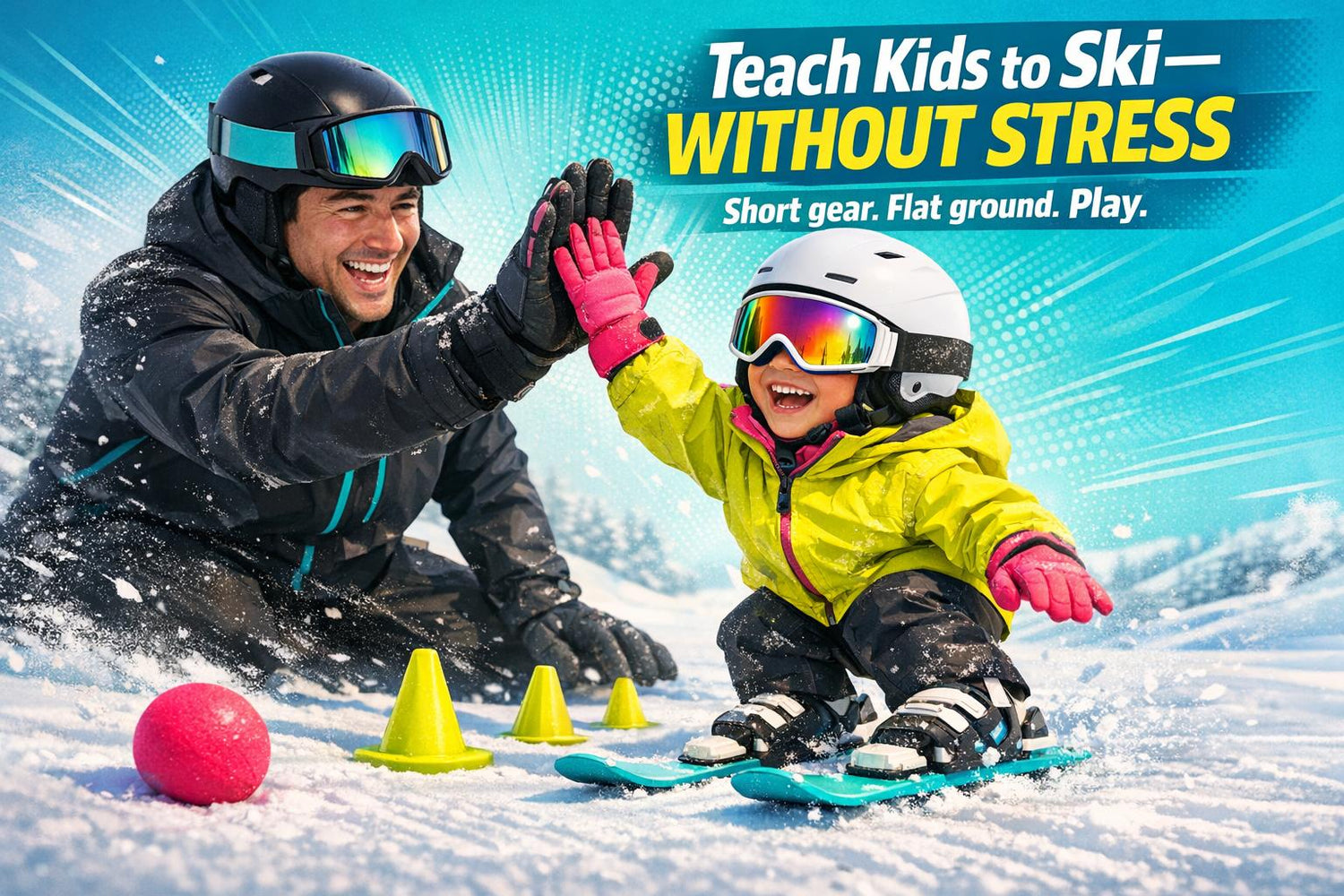
Learning to ski with kids can be fun, not frustrating. Here's the secret: keep it simple, use lightweight gear, and focus on short, playful sessions. Instead of packing the whole day with activities, aim for 1-2 hours max. Start indoors to get them comfy with their gear, practice balance, and build confidence before hitting the snow.
Top Tips for Stress-Free Skiing with Kids:
- Gear matters: Lightweight options like Snowfeet MINI KIDS or Skiskates (44 cm) help kids control their movements and reduce fatigue.
- Start slow: Begin on flat ground, practice standing, gliding, and stopping before moving to slopes.
- Skip the poles: Kids need free hands to focus on balance.
- Make it fun: Use games like "Red Light, Green Light" to teach stopping and turning.
- Keep it short: Quick sessions leave kids wanting more.
The goal? A positive first experience that sparks their love for skiing. When kids associate skiing with fun, they’ll be the ones asking for the next trip. Ready to hit the slopes? Let’s dive into the details!
How to Teach Your Kids To Ski | 3 Tips from a Mountain Ski Dad
Pick the Right Beginner Ski Gear
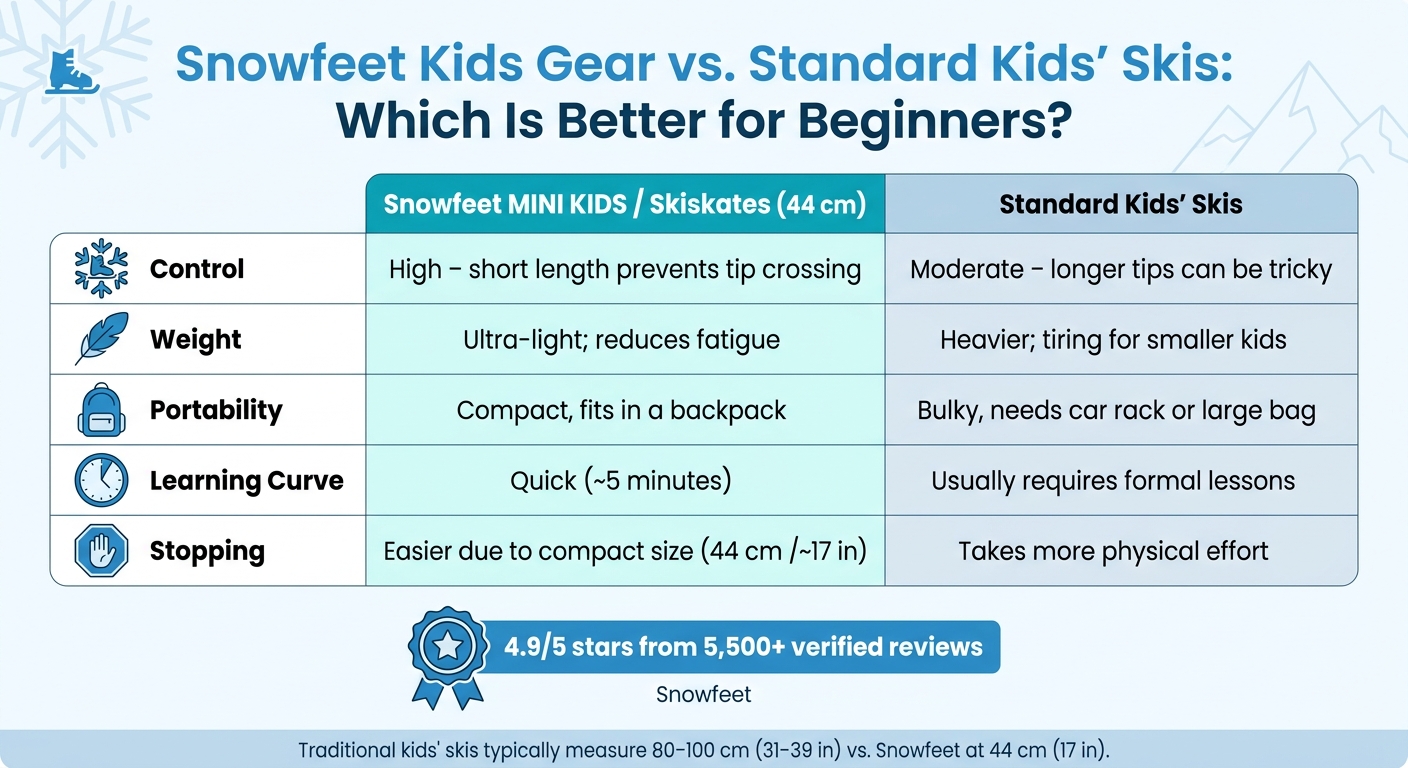
Snowfeet Kids Gear vs. Standard Kids' Skis: Beginner Comparison
Starting with the right gear can make all the difference when teaching kids to ski. Ill-fitting or bulky equipment can throw off their balance and make learning harder. But with the right setup, skiing becomes more comfortable and fun for everyone. Let’s break down the essentials.
Why Shorter Skis Are a Better Choice for Beginners
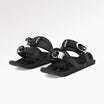
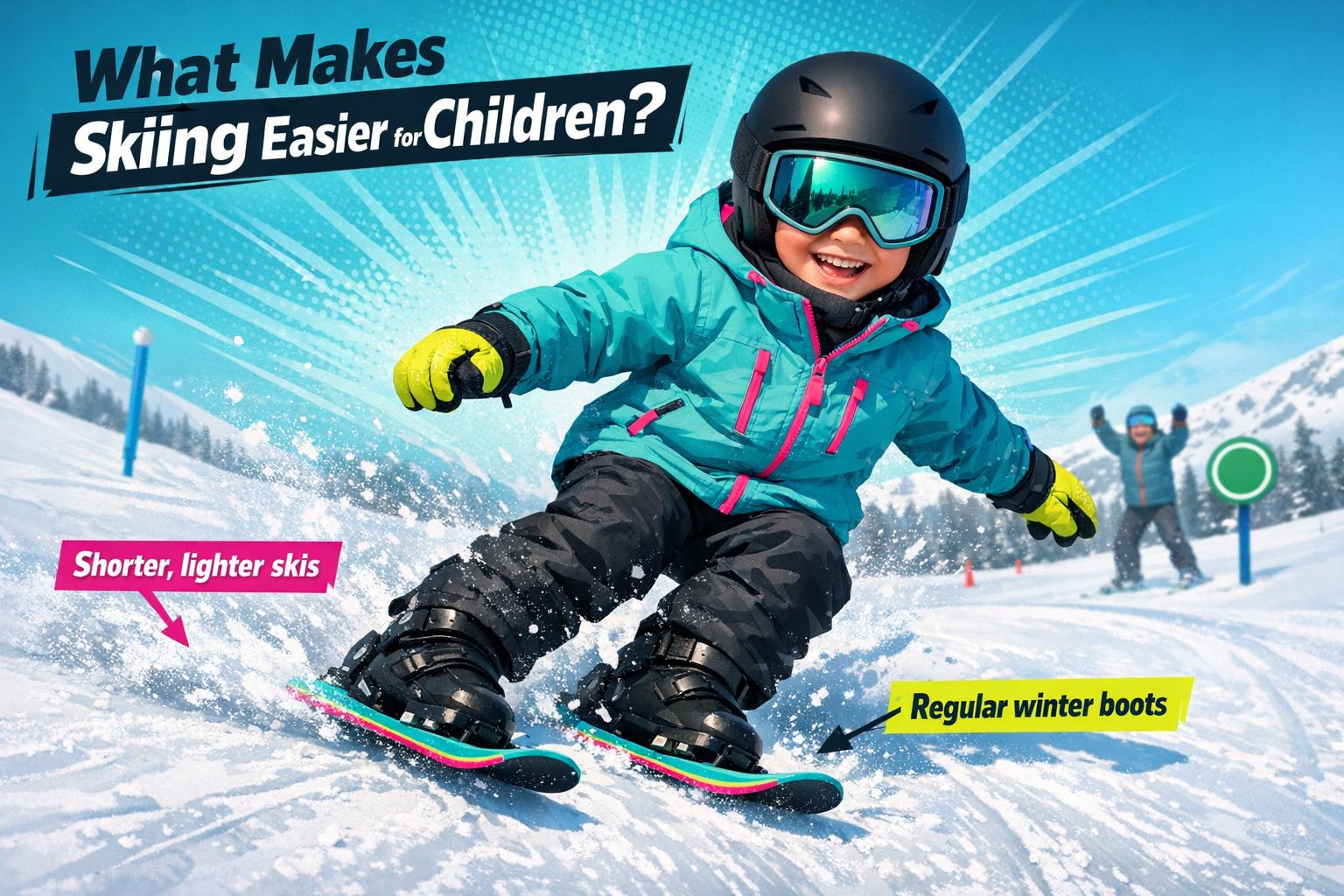
Shorter skis are a game-changer for kids just starting out. Traditional full-length skis can lead to crossed tips, which often means more falls and frustration. Compact options like the Snowfeet MINI KIDS and Snowfeet Skiskates (44 cm) solve that problem. Their shorter length gives kids better control and a more natural feel, similar to ice or inline skating - movements many kids already know.
The Snowfeet MINI KIDS are designed for smaller feet (US sizes 9–5, EU 27–38), while the 44 cm Skiskates are so lightweight that kids won’t feel worn out just walking to the slopes. Snowfeet claims beginners can get the hang of these in as little as 5 minutes, and with a 4.9/5 rating from over 5,500 reviews, it seems like they’re onto something. A quick learning curve helps keep kids excited instead of discouraged, which is key to building confidence.
Snowfeet* vs. Standard Kids' Ski Gear: A Quick Comparison

Here’s how Snowfeet’s gear stacks up against traditional kids' skis when it comes to beginner-friendly features:
| Feature | Snowfeet MINI KIDS / Skiskates (44 cm) | Standard Kids' Skis |
|---|---|---|
| Control | High – short length prevents tip crossing | Moderate – longer tips can be tricky |
| Weight | Ultra-light; reduces fatigue | Heavier; tiring for smaller kids |
| Portability | Compact, fits in a backpack | Bulky, often needs a car rack or large bag |
| Learning Curve | Quick (around 5 minutes) | Usually requires formal lessons |
| Stopping | Easier due to compact size | Takes more physical effort |
As Uncrate puts it, Snowfeet gear is "far more portable and affordable than traditional skis or snowboards". That portability makes getting to the slopes a lot less of a hassle.
Gear Checklist for Young Skiers
The right skis are just the start. A few key accessories will make skiing safer and more enjoyable for kids:
- Helmet: A snug, well-fitted helmet is non-negotiable.
- Goggles and Neck Gaiter: These keep their face warm and protected from the elements.
- Waterproof Mittens: Easier to handle than gloves and better at keeping little hands warm.
- Edgie Wedgie: This handy tool connects ski tips to help kids maintain the "pizza" wedge shape, which is essential for stopping and controlling speed.
"The edgie wedgie will keep their ski tips together in a pizza formation, making it easier for them to stay balanced and in control." - noreceptionclub.com
Lastly, leave the poles at home for now. Beginners need their arms free to focus on balance, not on wrangling poles they don’t yet need.
Practice Indoors Before Going to the Slopes
Cold fingers and stiff boots can ruin a morning before you even get to the mountain. But with a little preparation at home, you can avoid those early frustrations.
Getting Used to the Gear at Home
Start by having your child suit up in their Snowfeet MINI KIDS or Skiskates, along with their helmet, goggles, and layers. This helps them get familiar with the lightweight, easy-to-control gear before stepping onto the snow. Make sure they practice on carpet - hardwood or tile floors can be dangerously slippery.
"Putting them in their boots at home and having them walk around indoors is a great way to introduce them to skiing. You want to get them psyched up and past the boot meltdowns." - Megan, Guest Blogger, Turtle Fur
One key skill to practice indoors is engaging the bindings. Many kids don’t yet have the leg strength to firmly push their heel down on the slopes. Show them how to "smash the bug" (a fun way to describe the motion of locking in the bindings) until it becomes second nature. As Tales of a Mountain Mama notes, "The more familiar everything is, the more you can focus on actually teaching kids to ski when you get into the snow."
Simple Indoor Exercises for Balance
Once they’re comfortable in their gear, try a few easy balance exercises. A great starting point is the "linebacker stance": knees slightly bent, ankles flexed, hips centered over the feet, and hands out in front at waist height. Ski coach and author Ron LeMaster breaks it down perfectly: "The linebacker needs to be in a posture from which he can move in any direction as quickly and powerfully as possible, and take a hit without getting knocked out of balance. This stance is flexed at all the major joints." It’s the same ready position they’ll need on the slopes.
Another helpful drill is shifting weight from one foot to the other while keeping the upper body steady. This mimics the movement used for turning, where one leg carries more of the load. As Ron LeMaster explains, "You ski with your legs. You balance with your upper body." Just a few minutes of these exercises can make a big difference when it’s time to hit the snow.
These simple indoor practices build the confidence and balance kids need to make their first outdoor experience smooth and fun.
Start on Flat Ground Before Moving to Slopes
After practicing indoors to build balance and confidence, it’s time to take those skills outside. But don’t rush to the slopes just yet. Starting on flat ground is key to keeping things fun and stress-free. A common mistake is heading straight for the hill on day one. Before tackling any incline, kids need to feel at ease simply standing on snow. Look for a wide, flat area near the base of the mountain or a designated beginner zone. The goal here isn’t about speed or distance - it’s about helping your child feel steady and in control.
First Steps: Standing, Marching, and Gliding
Start with the basics. Encourage your child to stand in an athletic stance: knees slightly bent, hands forward, and weight centered. This will help them get comfortable with the snow beneath their feet. Next, have them march in place with deliberate steps to get a feel for how their gear moves. Then, try side-stepping - small steps forward, backward, and sideways across the flat surface.
Once they’re moving comfortably, introduce gliding. On nearly flat terrain, give them a gentle push to glide a few feet. The focus should be on keeping their feet evenly weighted and coming to a natural stop. According to the Canadian Ski Instructors' Alliance (CSIA), this "beginner zone" approach - starting on flat or very gently sloped ground - helps kids focus on balance and straight running before adding turns or speed.
Want to make it more fun? Try the traffic-light game. Call out “green” for marching forward, “yellow” to slow down, and “red” to stop and freeze. It’s a playful way to keep them engaged while practicing these essential movements.
Once your child nails these flat-ground basics, you’ll start to see just how helpful Snowfeet* can be.
How Snowfeet* Cuts Down the Learning Curve
After building confidence indoors and practicing on flat ground, Snowfeet* takes things to the next level. Traditional kids' skis, which are around 80–100 cm (31–39 inches) long, can be heavy and challenging for small movements, requiring more strength to control.
Snowfeet*’s lightweight, compact design changes the game. Their MINI KIDS and Skiskates models, measuring just 44 cm (about 17 inches), allow kids to lift their feet easily and glide naturally. This makes it simpler for them to keep their feet parallel and make small directional adjustments without fighting the equipment. Plus, the lower swing weight means less fatigue - important when kids are still building their endurance and attention span. As Snowfeet* puts it, “You are able to move freely as opposed to wearing heavy clunky skis”. On flat ground, this freedom means quicker progress and fewer frustrations.
sbb-itb-17ade95
Teach Stopping and Turning Before Anything Else
Once your child gets the hang of gliding on flat ground, it’s time to focus on control. Learning how to slow down and change direction not only keeps them safe but also boosts their confidence on the slopes.
How to Teach the Snowplow Stop
The snowplow (or "pizza") stop is a classic technique for slowing down. Here’s how it works: have your child push the backs of their skis outward while keeping the tips together, forming a wedge shape. The wider the wedge, the more friction it creates, which slows them down.
Traditional skis (31–39 inches) can make this tricky, as they require more leg strength. But shorter options like Snowfeet* MINI KIDS or Skiskates (around 17 inches) make forming the wedge much easier. If they still need a little help, tools like the Edgie Wedgie can assist, though Snowfeet* gear often eliminates the need for extra gadgets. Want to make it even simpler? Practice the snowplow motion at home on a carpet to build muscle memory before hitting the slopes. Start without poles so they can focus on balance and leg movements. Thanks to the lightweight design of Snowfeet* gear, kids can pick up these basics faster and with less effort.
Once they’ve mastered stopping, the next step is teaching them how to steer through turns.
Teaching Basic Turns on Short Skis
After your child feels comfortable stopping, it’s time to work on turning. The key is simple: teach them to look where they want to go. When they look left, their shoulders will turn left, and their body and skis will naturally follow.
"Help them learn that they will go where they look, so if they want to go left, look left. As their shoulders turn to look, their body and skis will follow." - Megan, Guest Blogger, Lil' Vermont Adventures
A fun way to practice this is with the pointing game. Stand slightly ahead of your child and ask them to point both hands toward you. As they point, their shoulders and torso will rotate, which helps guide their skis in your direction.
Start small by teaching them to "shave the snow" with parallel skis, sliding side-to-side to practice edge control. Once they’ve got that down, introduce gentle snowplow turns. Short skis like Snowfeet* make these movements easier to manage compared to full-length skis. These playful drills keep the learning process fun and engaging, helping your child build confidence while having a great time on the snow.
Keep Lessons Short, Fun, and Low-Pressure
Once your child has the basics of stopping and turning down, it’s important to keep lessons short to prevent burnout.
Why Breaks and Pacing Matter
Kids' ski days should feel different from adult ones. A quick 30 to 60 minutes on the slopes can create lasting positive memories without the pressure of mastering every skill.
"Your child should be crying because they don't want to leave the mountain, not because they don't want to ski." - Megan, Guest Blogger, Turtle Fur
Pay attention to early signs of fatigue - like shivering, unusual quietness, or a sudden drop in enthusiasm. Take a break before things go downhill (pun intended). Setting small, realistic goals - like making it down a specific section of the beginner slope - keeps the experience upbeat and rewarding. Lightweight gear like Snowfeet* makes these short, fun runs even better by reducing strain on young skiers. These breaks not only recharge their energy but also create space for playful learning.
Use Games and Challenges to Keep Kids Engaged
Ditch long, repetitive lessons and make skiing fun with games instead.
Try Red Light, Green Light to practice snowplow stops: call "green light" to move and "red light" to stop. Another great one is Human Slalom, where your child follows you or an older sibling as you weave gently down the slope. It’s an easy way to work on turning skills without feeling like a lesson. Snowfeet* MINI KIDS and Skiskates are perfect for these games - they’re lightweight and easy to maneuver, so kids can focus on having fun instead of struggling with bulky gear.
"Success in short bursts builds confidence and motivation for the next run." - Trent Woolsey, Launch Pad Gear
Moving On to Full Ski Days
If short runs are starting to feel like a breeze for your kid, it might be time to level up. Transitioning to full ski days with chairlifts, wider trails, and longer sessions depends on how your child is progressing.
Signs Your Kid Is Ready for Chairlifts and Wider Trails
You’ll know your child is ready for the next step when they can:
- Perform a snowplow stop on their own
- Steer by simply turning their head and shoulders
- Stand independently without leaning on you
- Walk, march, and stand comfortably in their ski boots
But it’s not just about technique - pay attention to their attitude. If they’re eager to keep going and don’t want the day to end, that’s a strong sign they’re ready for more challenging runs.
"Follow their lead for a successful day. Don't push them past their limit - you know your child, and when it's time to be done, end that day on a high note." - Megan, Guest Blogger, Lil' Vermont Adventures
When you’re ready to hit the chairlifts, ask the lift operator to slow it down during loading - most resorts are happy to accommodate. And remember, kids under 55 inches tall should always ride with an adult.
How Snowfeet* Grows with Your Kid
As your little skier gains confidence, Snowfeet* gear grows with them. The lightweight, compact design makes it easy for kids to transition from gentle slopes to full ski days.
Snowfeet* MINI KIDS are particularly handy for chairlifts since their size reduces the risk of catching an edge. Once your child is ready to try more advanced moves, Snowfeet* Skiskates (44 cm) are perfect for practicing hockey stops and heel braking on flatter terrain before tackling blue trails. Plus, since the gear is approved for use at most ski resorts, there’s no need to swap equipment as they improve.
With over 5,500 verified reviews and an average rating of 4.9 out of 5 stars, parents and kids alike rave about how fun and reliable Snowfeet* gear remains - even as skills progress.
"These skiblades are so much fun and easy to control. Never going back to regular skis." - Andrew B.
Conclusion: How to Make Skiing a Fun Family Activity
Teaching your kid to ski can be a blast. It all comes down to three things: having the right gear, setting realistic expectations, and keeping the experience fun.
The right equipment can make learning easier. Lightweight, kid-friendly options like Snowfeet* MINI KIDS and Snowfeet* Skiskates (44 cm) give little ones more control right from the start.
Just as important is the mindset you bring. Trent Woolsey from Launch Pad Gear sums it up perfectly:
"When kids feel safe, their learning curves speed up, and their love of the sport grows."
Keeping sessions short, using playful language, taking snack breaks, and celebrating every little victory - like mastering a snowplow or gliding with confidence - can turn the day into a series of joyful moments. These small wins build the kind of memories that make kids excited to come back for more.
The goal isn’t to create a pro skier in one day. It’s about seeing your child light up with excitement at the bottom of the hill and hearing them say, "Can we do it again?" That’s how skiing becomes more than just a sport - it becomes a cherished family tradition. And honestly, that’s the best reward of all.
FAQs
What age is best to start kids skiing?
The best age to introduce kids to skiing is around 2 years old. At this point, they can start grasping basic turns and learning how to control their movements. Some little ones might even begin as early as 18 months using strap-on shoe skis, which help them get comfortable with the idea of skiing. The key is to keep it lighthearted and enjoyable so they associate skiing with fun! 😊
Are Snowfeet* MINI KIDS or 44 cm Skiskates better for my child?
Both Snowfeet MINI KIDS and 44 cm Skiskates are excellent options for kids starting out with skiing, but they cater to different age groups and skill levels.
The MINI KIDS, designed for younger beginners (US sizes 9-5), is lightweight and easy to handle, making it ideal for little ones just getting their footing on the snow. On the other hand, the 44 cm Skiskates are better suited for older kids or more adventurous learners, fitting US sizes 6-13. These offer more flexibility for tackling dynamic snow activities.
No matter which you choose, both focus on providing a safe, enjoyable, and user-friendly experience on the slopes.
Do Snowfeet* work at most U.S. ski resorts?
Yes, Snowfeet products can be used at most U.S. ski resorts. They’re built to work with standard ski or snowboard boots, offering flexibility across different snow conditions. Whether you're on groomed slopes or other resort terrains, their lightweight design and ease of control make them a great option for these settings.











댓글 남기기
이 사이트는 hCaptcha에 의해 보호되며, hCaptcha의 개인 정보 보호 정책 과 서비스 약관 이 적용됩니다.