
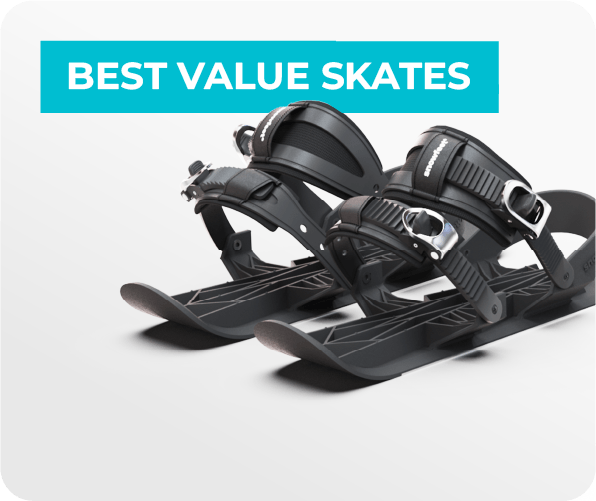
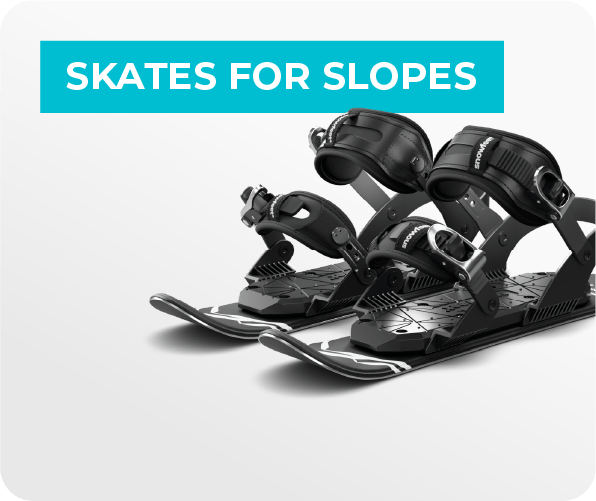
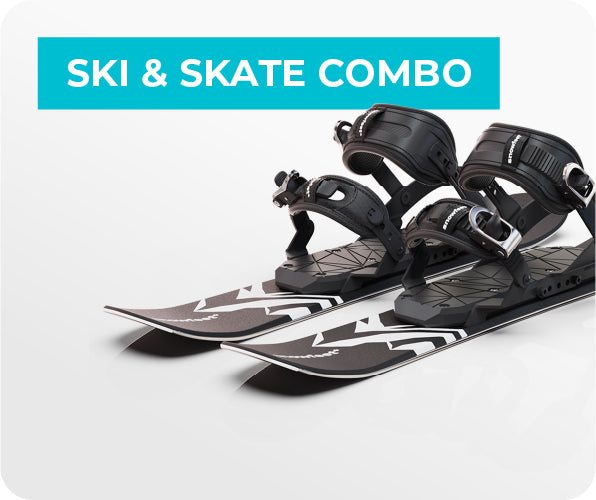
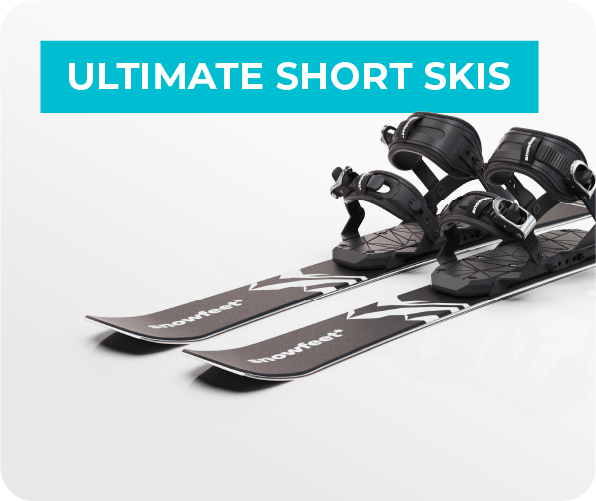
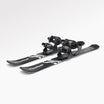
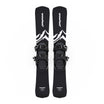
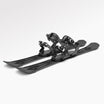
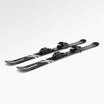
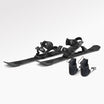
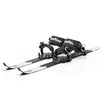
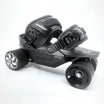
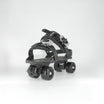
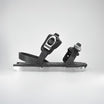
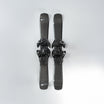
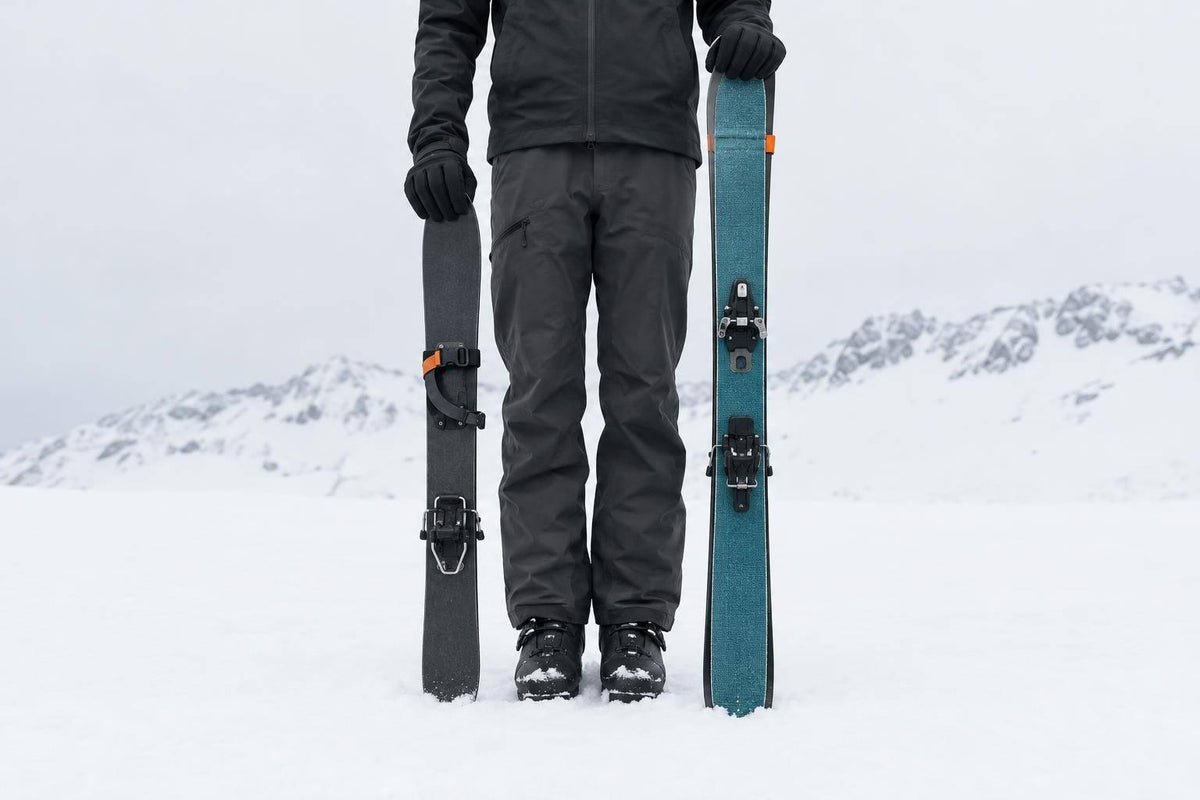
I’d pick Figl skis for short spring descents, WALKSKI for short climbs and moderate runs, and full-length touring skis for deep snow or harder terrain. Before buying, check your boot fit, uphill grip, heel movement, and downhill lock - not just ski length.
Here’s how I’d sort the options:
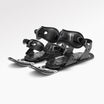
- Figl skis: At about 24–31 inches long, they’re easy to pack for the trip down after a climb. Touring features vary.
- Approach skis: Built mainly to reach a route. Check whether you’ll need separate skins or downhill gear.
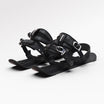
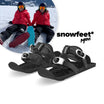
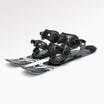
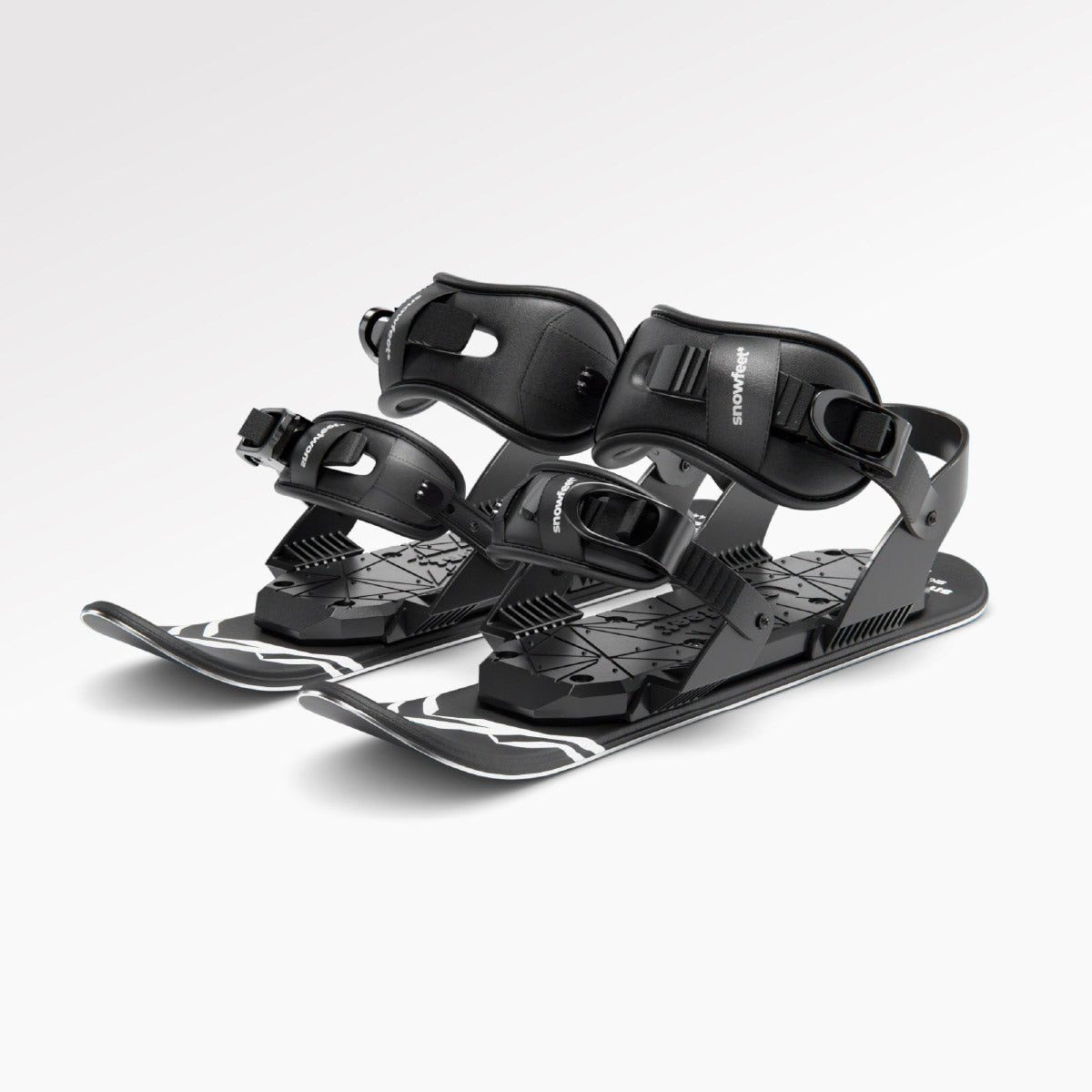
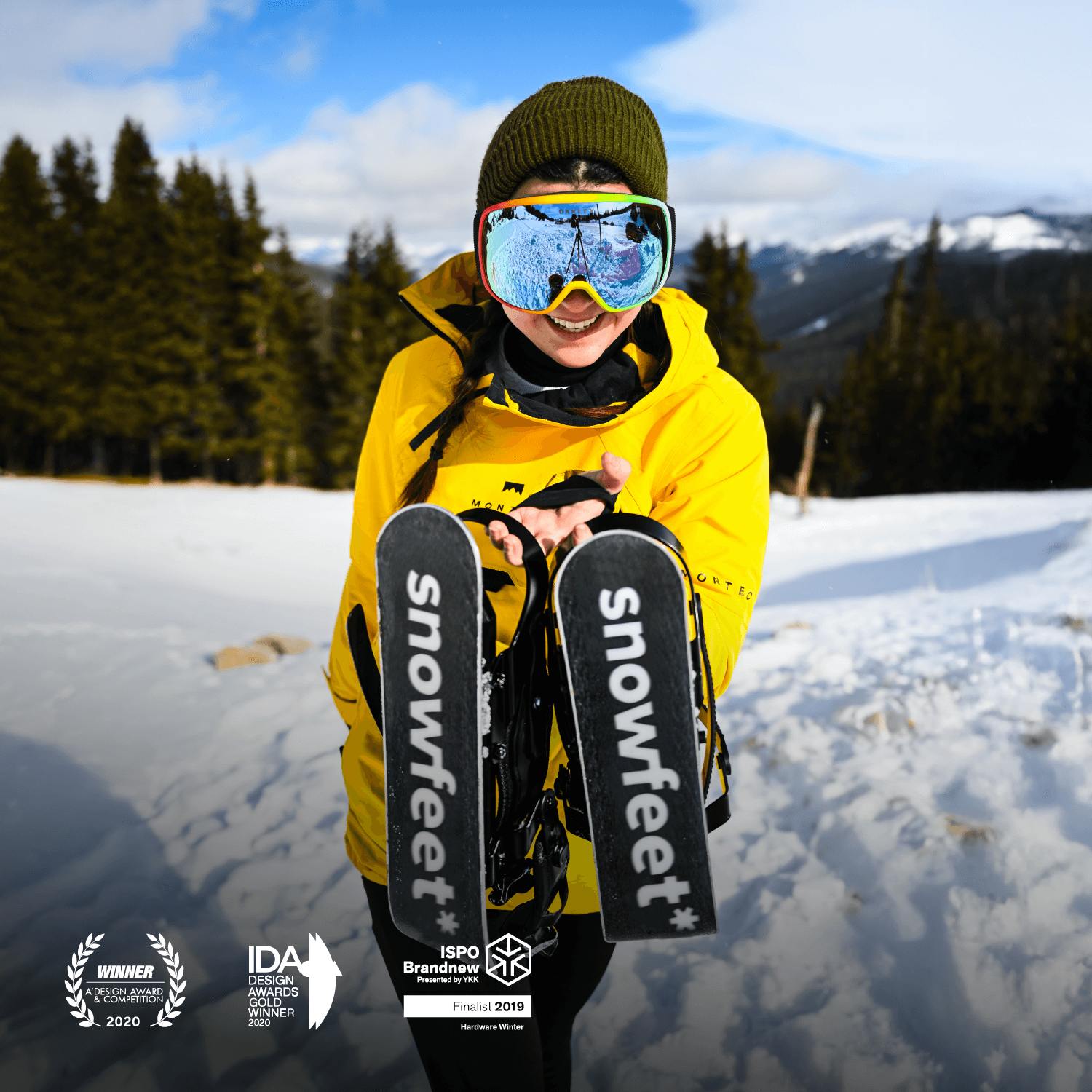
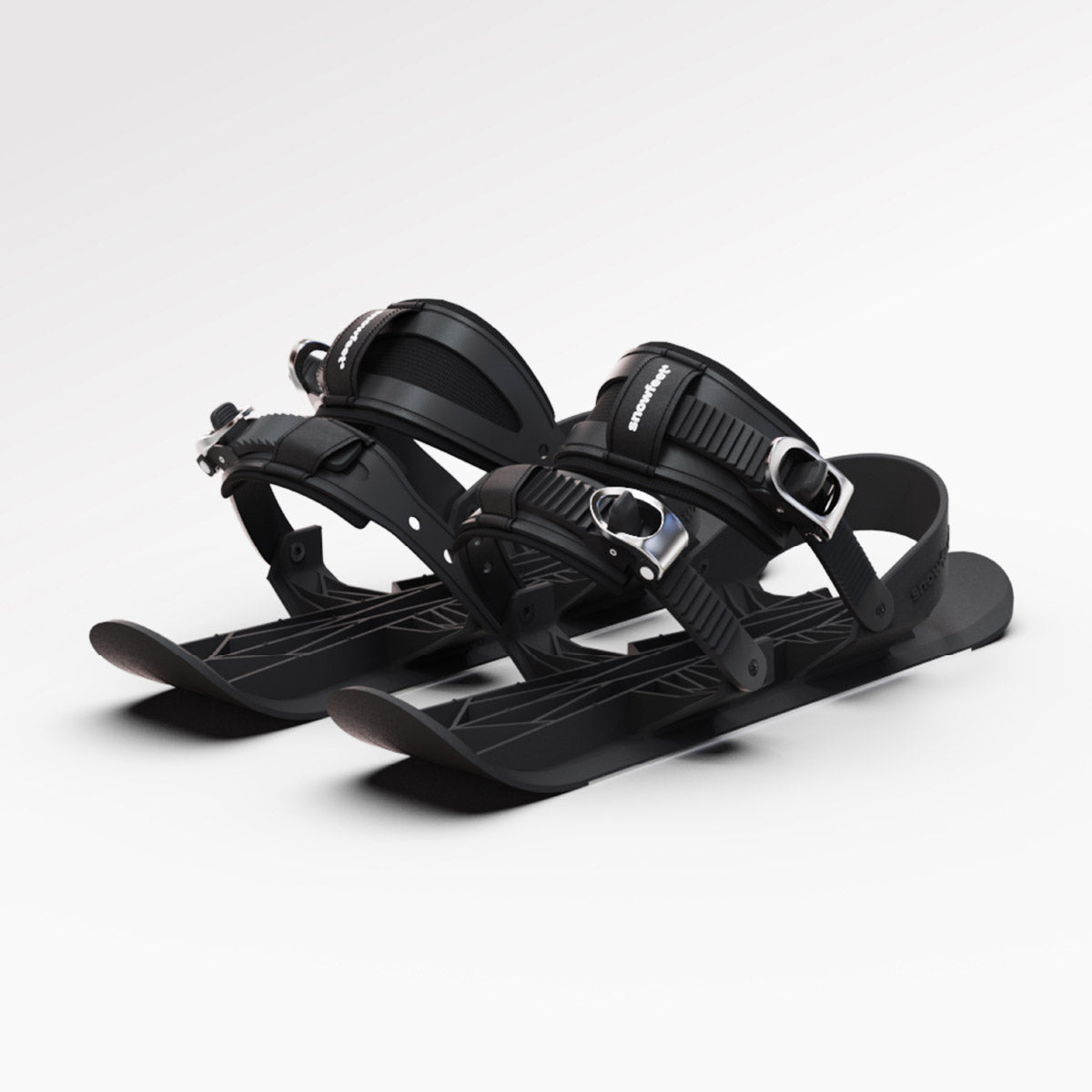
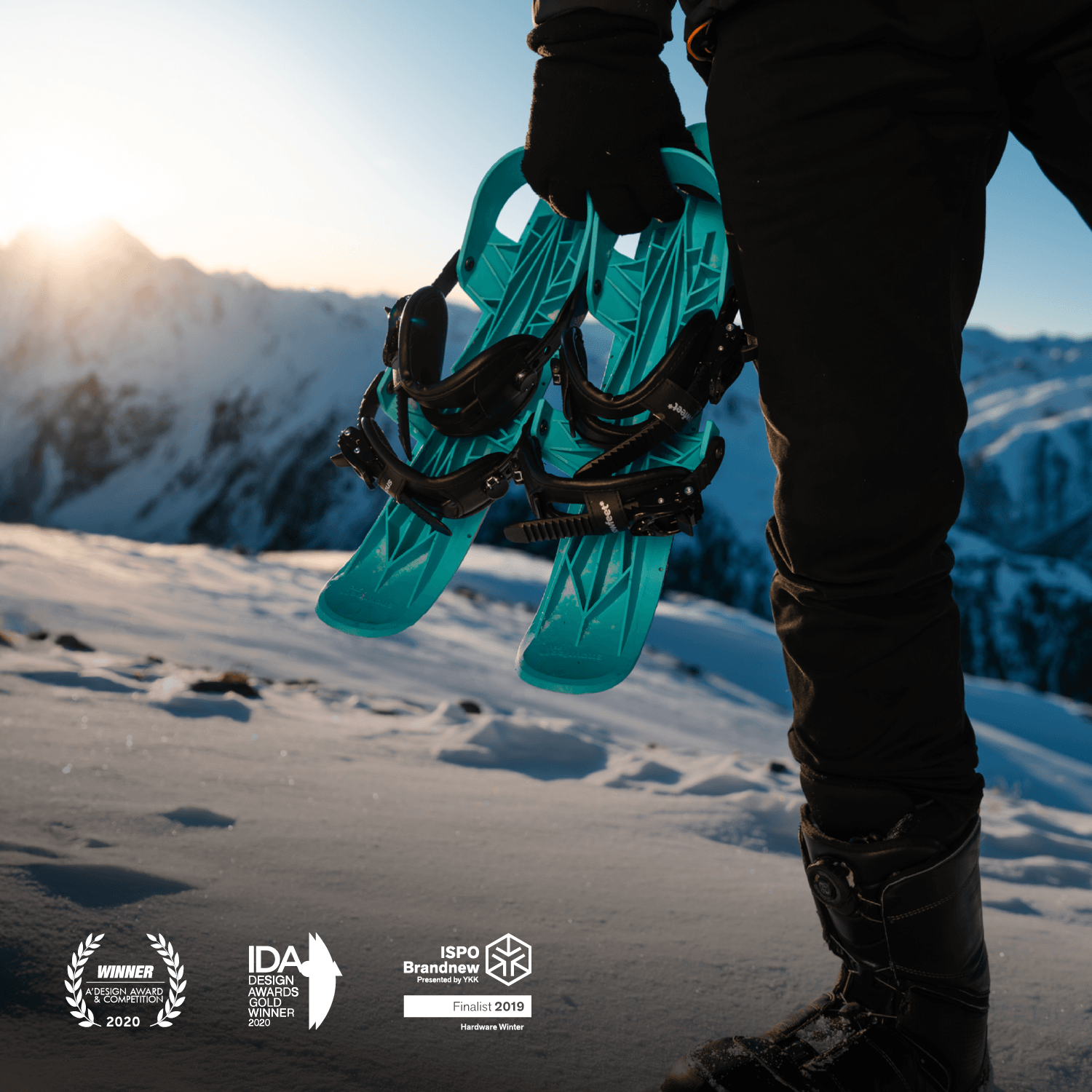
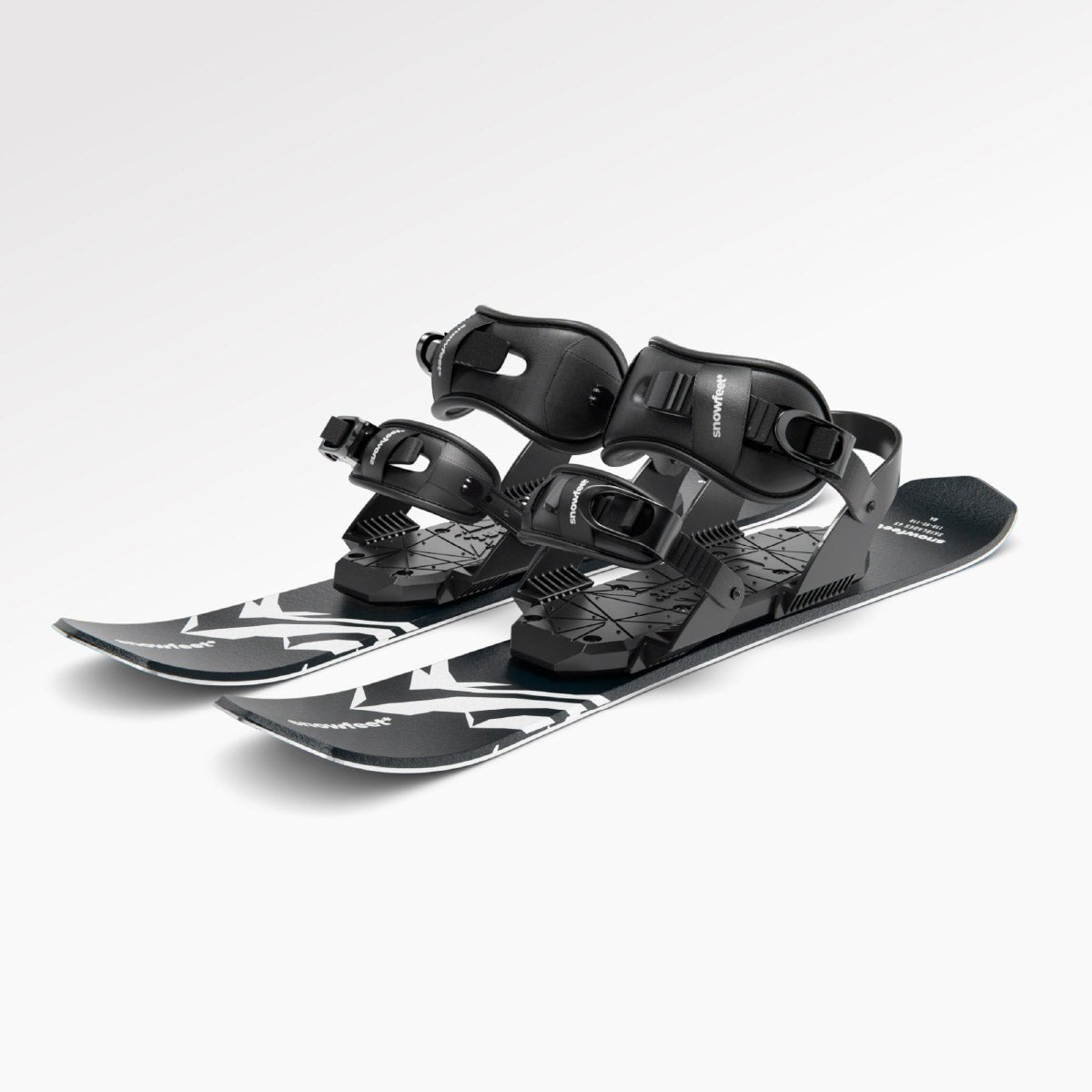
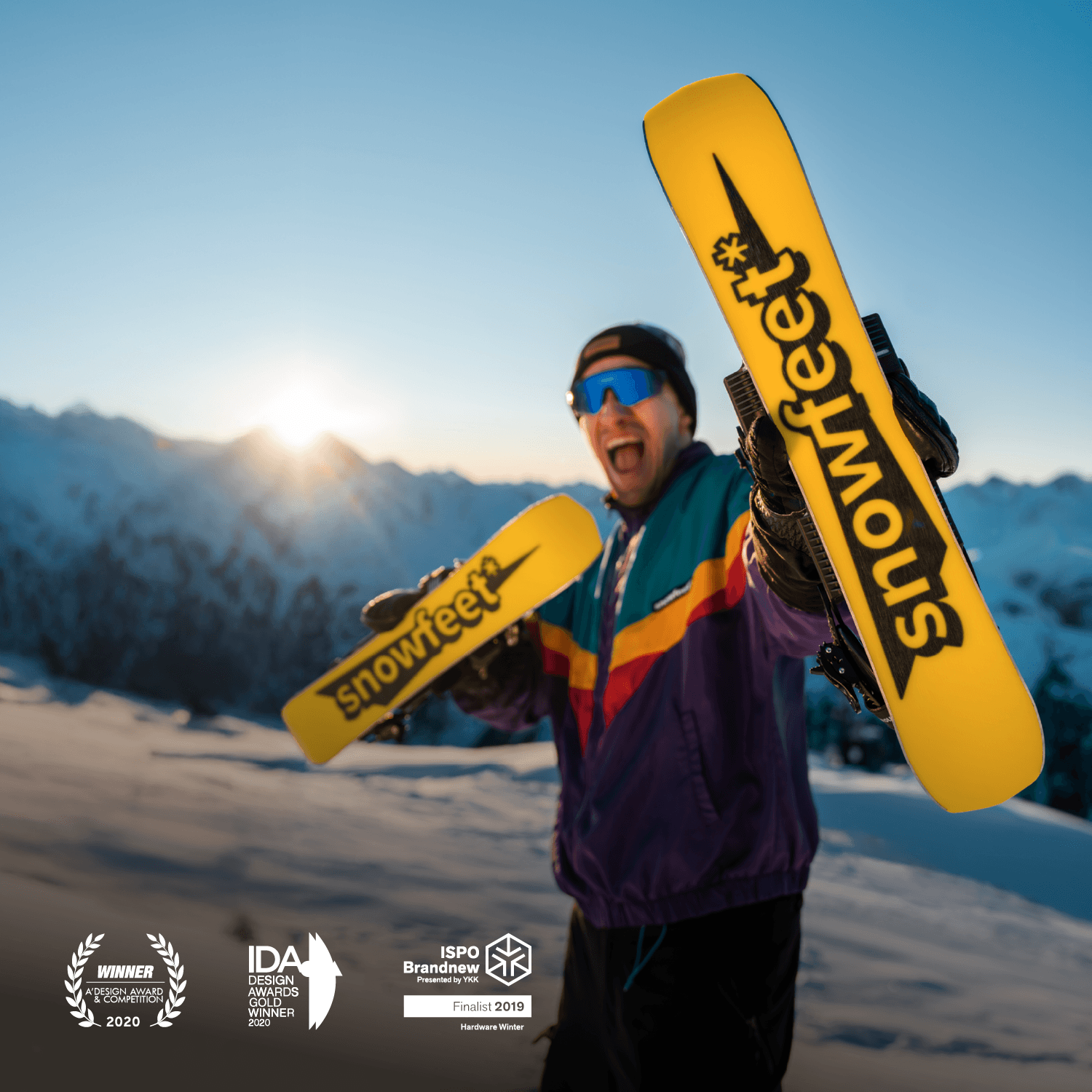
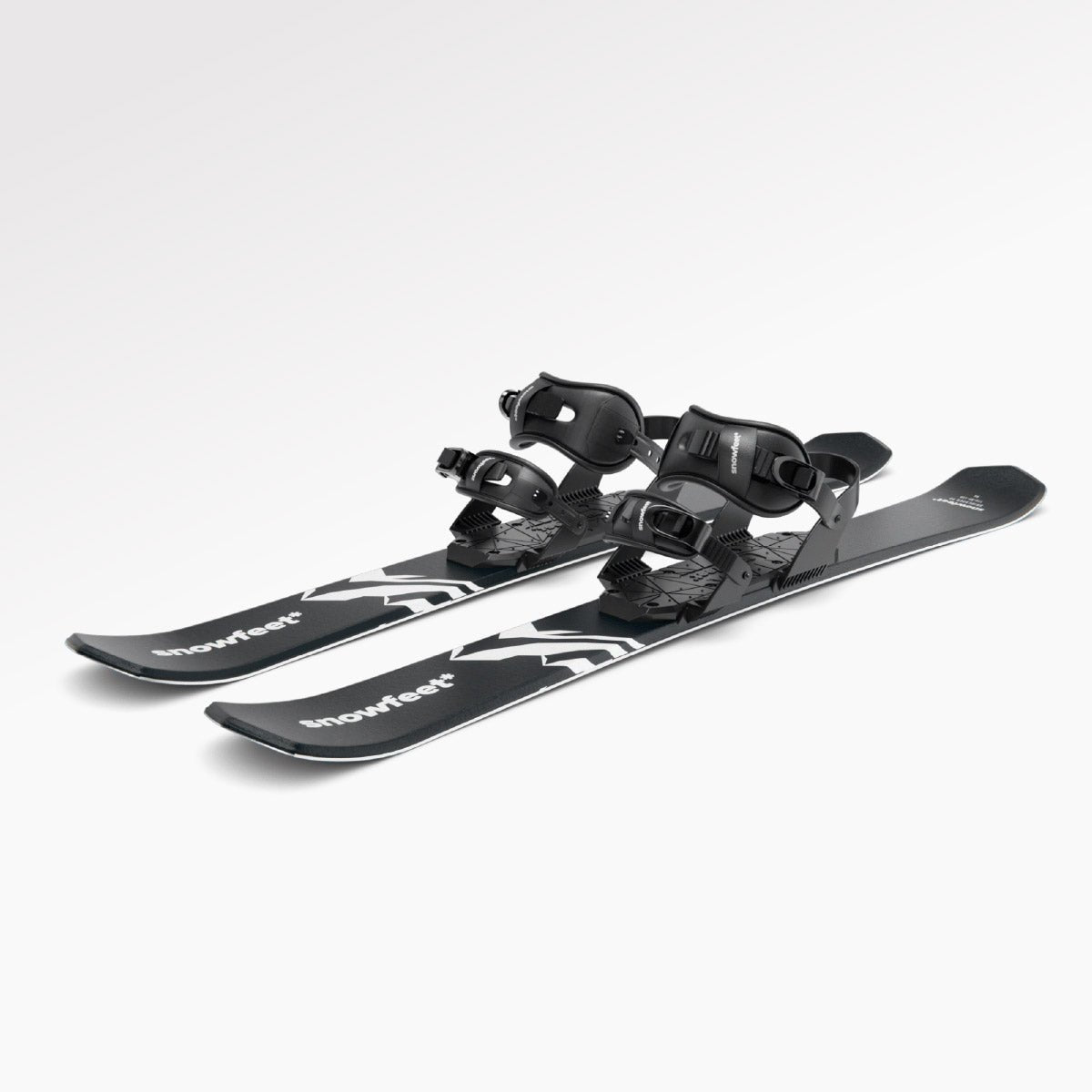
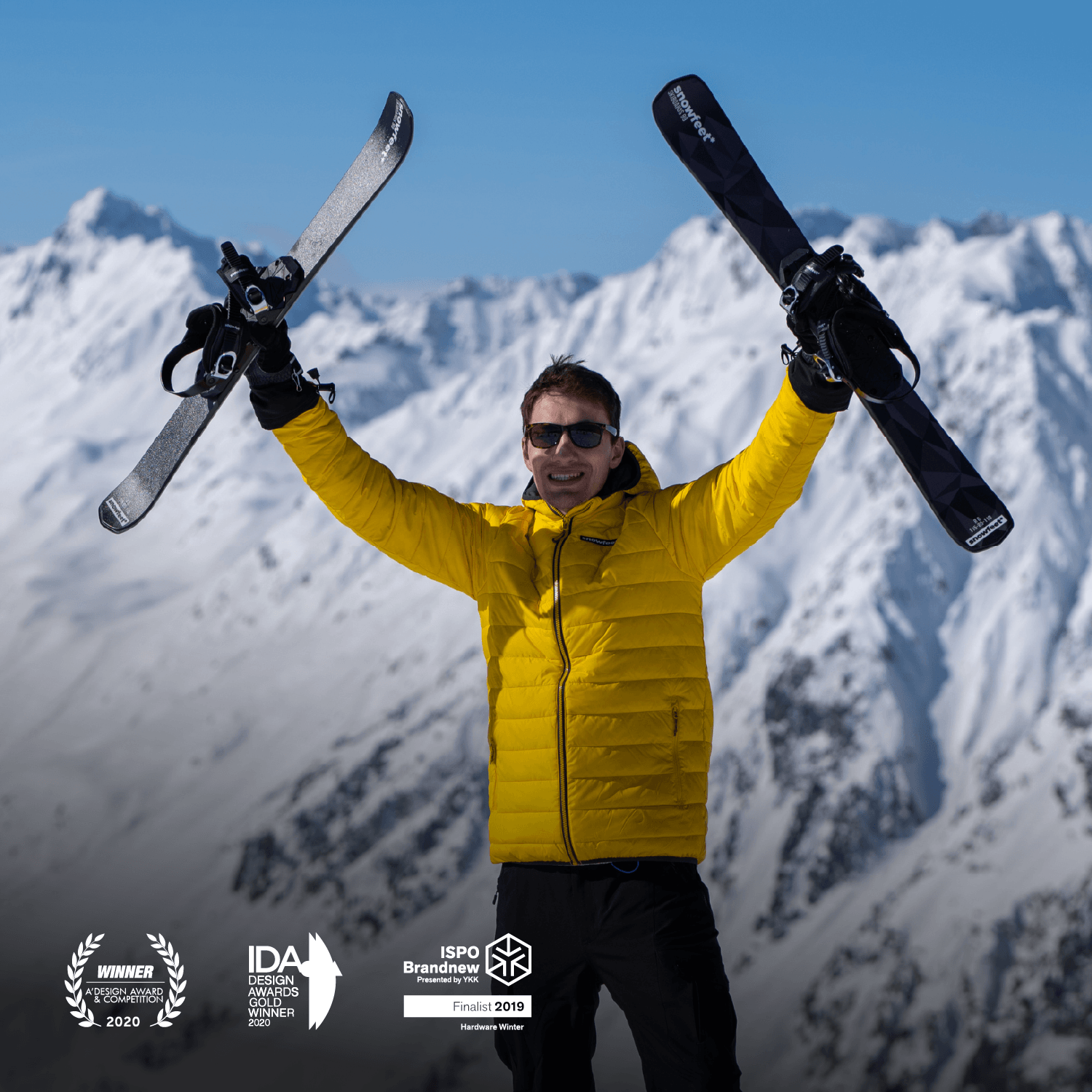
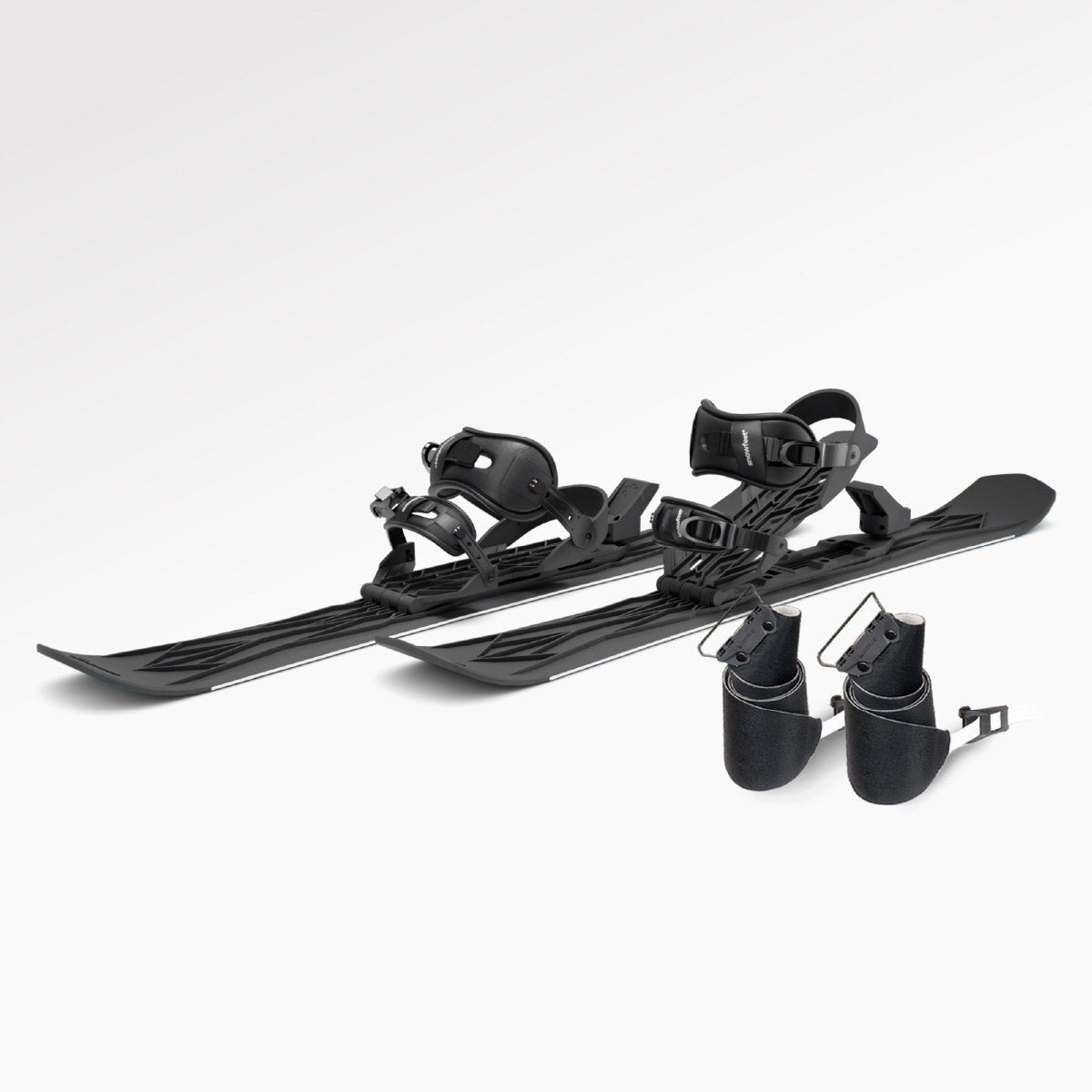
- Snowfeet* WALKSKI: A 39.4-inch setup with removable skins and four binding modes for walking, climbing, and skiing. Listed prices start at $750.
- Full-length touring skis: My pick for more float in powder and more control on long or steep descents.
Quick Comparison
| Setup | Best use | Uphill setup | Main trade-off |
|---|---|---|---|
| Figl | Short descents on spring snow | Varies; often descent-focused | Less grip and stability from short edges |
| Approach skis | Access to climbing routes | Skins and heel movement vary | Downhill control depends on the model |
| WALKSKI | Short tours and moderate descents | Included skins, free heel, two climbing settings | Limited float in deep snow |
| Full-length touring skis | Long tours and demanding descents | Touring bindings and skins | More length to carry |
My rule: <u>match the gear to the route</u>. Compare the whole kit - boots, bindings, skins, pack fit, and safety gear - before you compare prices. And don’t let a compact setup talk you into terrain beyond your skills.
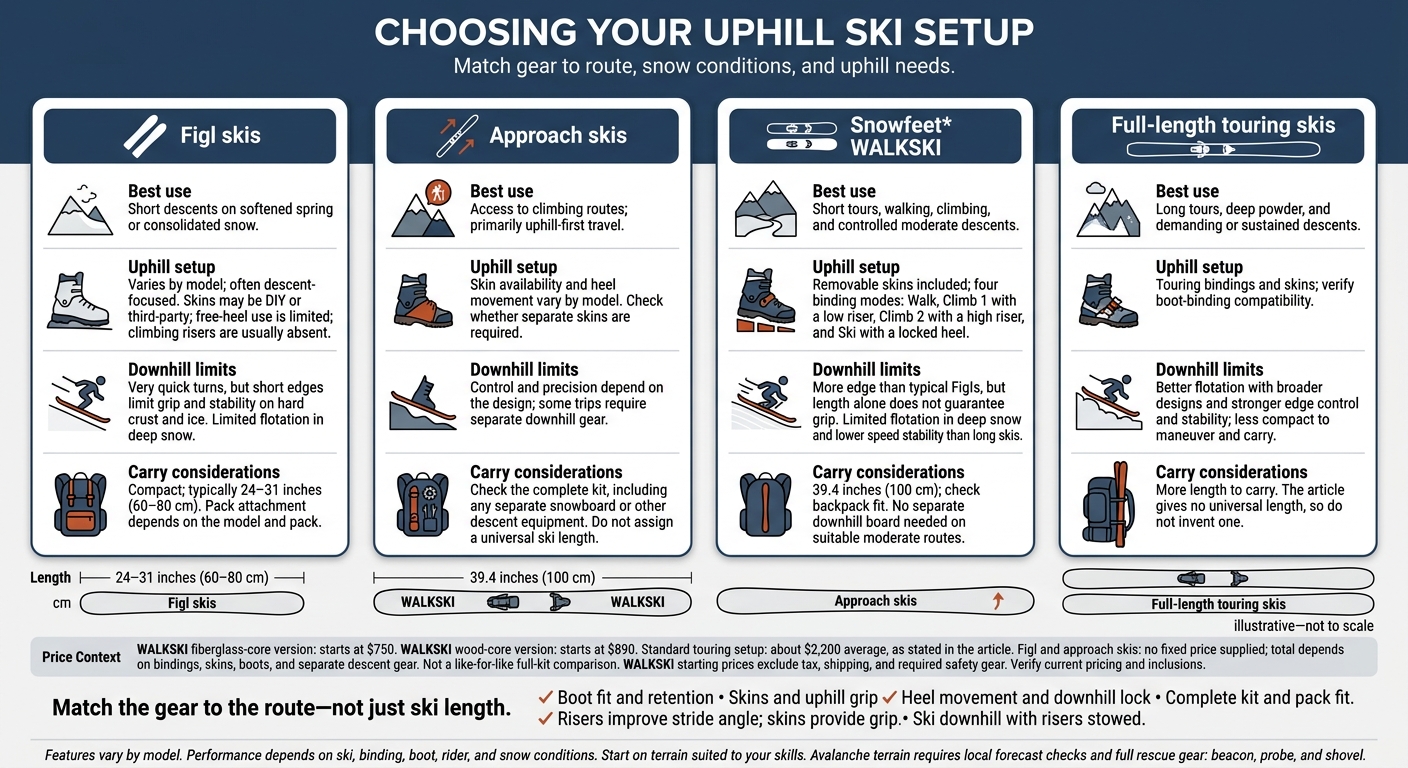
Figl vs Approach Skis vs WALKSKI vs Touring Skis
Snowfeet WALKSKI | Backcountry Skiing in Georgia
Uphill Grip, Bindings, and Boot Fit
Compact skis still need three uphill features: skins, heel movement, and a secure boot hold. The setup should help you climb without giving up control on the way down.
WALKSKI is built for both climbing and skiing downhill. Most Figl setups put the descent first.
Skins, Heel Movement, and Climbing Risers
| Feature | Figl-style skis | Snowfeet* WALKSKI 100 cm |
|---|---|---|
| Skin availability | Often DIY or third-party | Removable skins included |
| Free-heel use | Limited; often fixed for descent | Walk mode lets your heel move freely |
| Binding pivot | Minimal to none | Built-in free-heel pivot |
| Climbing risers | Usually absent | Climb 1: low riser; Climb 2: high riser |
Features vary by model.
Risers improve your stride angle; skins provide grip. Use the low setting on moderate climbs and the high setting on steeper slopes. But skins have limits: short skis still hold an edge less well than longer touring skis on steep, icy traverses.
Next, check which boots fit - and how well they stay put.
Which Boots Work With Each Setup?
Snowfeet* lists WALKSKI compatibility with winter and snowboard boots in US sizes 6–14.5, and ski boots in US sizes 4.5–14.5. Your boots must fit securely and support your ankles.
| Binding setup | Boot compatibility | What to check |
|---|---|---|
| WALKSKI universal | Winter, snowboard, and ski boots | Secure hold and ankle support |
| Figl-style bindings | Usually ski boots; some setups may also work with stiff mountaineering boots | Exact sole type and boot retention requirements |
| Tech bindings | Touring ski boots with tech inserts | Metal inserts and exact binding compatibility |
| Frame touring bindings | Ski or touring boots | Sole standard, boot sole length, and frame size |
For short backcountry trips and snowy approaches, WALKSKI gives you more boot options than tech bindings, which need inserts. Before heading out, test the boot hold, heel lift, risers, and ski-mode lock.
Boot fit covers the uphill setup. Next comes downhill control on firm snow, crust, ice, and soft snow.
Downhill Control in Different Snow Conditions
Downhill control takes more than a locked heel. Boot stiffness, ski flex, and edge length all play a part. At 39.4 inches (100 cm), WALKSKI has more edge than a typical 24–31-inch (60–80 cm) Figl. But length alone doesn’t guarantee grip. Firm snow rewards edge length, while soft snow rewards surface area.
Spring Corn, Hard Crust, and Ice
Softened spring corn suits Figl’s descent-first design. WALKSKI adds compact touring capability and controlled descents. Full-length touring skis provide more stability on demanding terrain. Hard morning crust and ice call for more edge control, and Figl performance varies by model.
| Setup | Softened spring corn | Hard crust and ice |
|---|---|---|
| Figl | Best for short, easy-to-turn descents | Very short edges limit grip and stability |
| Approach skis | Built mainly for uphill access | Varies by model; many put uphill travel first and offer less downhill precision |
| WALKSKI 100 cm | Controlled, moderate descents | More edge than typical Figls; more stable than very short skis |
| Full-length touring skis | Better for sustained descents | Stronger edge control and stability |
Comparisons depend on the ski, binding, boot, and rider.
Use Ski Mode with the risers stowed. Snowfeet* offers wood-core and fiberglass-core versions; the fiberglass-core version is heavier and stiffer. Ski or snowboard boots provide more side-to-side support than standard winter boots.
In soft snow, the balance shifts: easy turns matter less than staying afloat.
Soft Snow, Powder, and Speed
Quick turns don’t equal flotation. Compact skis sink more easily in deep snow, especially with a heavier rider or loaded pack. Longer touring skis offer more surface area. Waist widths of about 4.1 inches (105 mm) or more generally work better in powder.
| Setup | Maneuverability | Flotation | Speed stability | Best use |
|---|---|---|---|---|
| Figl | Very quick turns | Limited | Low | Short, firm descents |
| Approach skis | Depends on design | Varies | Limited | Uphill-first access |
| WALKSKI 100 cm | Easy to pivot | Limited in deep snow | Lower than long skis | Short approaches and controlled descents |
| Full-length touring skis | Less compact to maneuver | Better with broader designs | Higher | Longer tours and sustained descents |
Long skis perform best in deep powder and fast, technical descents. WALKSKI offers the broadest range of uses among the compact options for moderate routes. Its easy-to-carry size matters most on short routes where pack weight counts - next comes the carry-and-cost tradeoff.
sbb-itb-17ade95
Carrying Your Gear and Comparing Costs
Compare the full kit, not just the skis. Figl setups often pair with a separate snowboard for the descent. WALKSKI handles both the climb and descent on suitable moderate routes.
| Setup detail | Figl / approach setup | Snowfeet* WALKSKI 100 cm |
|---|---|---|
| Pack attachment | Compact, typically 24–31 in. (60–80 cm); attachment depends on your pack and model | 39.4 in. (100 cm); straps to a backpack, but check your pack’s fit |
| Separate downhill board | Often paired with a snowboard for the descent | No separate board needed on suitable moderate routes |
| Existing boots | Can cut the total cost if they fit securely | Must fit the binding and support your ankles |
| Climbing skins | Usually sold separately | Removable climbing skins included |
| Upfront cost | Usually budget-friendly, but the total depends on bindings, skins, boots, and separate descent gear | Starts at $750 for the fiberglass-core version or $890 for the wood-core version |
A standard touring setup averages about $2,200. WALKSKI starts at $750 for the fiberglass-core version or $890 for the wood-core version, before tax, shipping, and required safety gear.
Price is only part of the check. Make sure the full kit works with your boots and pack, too.
What to Check Before Buying WALKSKI
Confirm availability, which bindings and skins are included, carry dimensions, and the exact boot size range with Snowfeet*.
Choose a Route That Fits Your Skills
Once the setup fits your budget, choose terrain that fits both your skills and the gear’s limits. Start on low-angle, nontechnical routes where WALKSKI can work as one compact system for the climb and descent. Avalanche terrain still calls for local forecast checks and full rescue gear: a beacon, probe, and shovel.
Conclusion: Which Setup Should You Choose?
Choose for your outing, not just ski length.
Once you’ve compared traction, bindings, and carry weight, your route and snow conditions should guide your choice.
| Your primary goal | Best fit | Why |
|---|---|---|
| Short spring descents on consolidated snow | Figl-style approach skis | Ultra-short, descent-focused skis offer a compact way down after climbing. |
| Approach with separate downhill gear | Figl-style approach skis | Focus on the approach and use separate gear for the descent. |
| Walking, climbing, and moderate descents | Snowfeet* WALKSKI | Packs touring functions into one compact setup. |
| Deep powder, long tours, or technical descents | Full-length touring skis | Provides better flotation, uphill efficiency, and downhill stability. |
For most casual riders on moderate terrain, Snowfeet* WALKSKI is the better compact all-in-one choice. Its four-mode binding lets you switch between free-heel walking, low and high climbing risers, and locked-heel skiing. Included removable skins add uphill traction.
Snowfeet* lists compatibility with winter boots, snowboard boots in US sizes 6–14.5, and ski boots in Mondo Point sizes 22.5–32.5. Check your exact boot fit before ordering.
FAQs
How can I test my boots’ fit in WALKSKI bindings?
Place your boot in the Snowfeet* WALKSKI binding, then adjust the straps for a snug, stable fit with good ankle support. The universal bindings fit winter, hiking, snowboard, and ski boots with sole lengths of 9.5–15 inches (24–38 cm).
You can check the fit at home or on the snow. No specialized touring gear needed.
How does pack weight affect WALKSKI performance?
WALKSKI’s lightweight design helps cut fatigue on long treks and during transitions. These skis weigh far less than standard touring setups, so you use less energy going uphill. At just 39.4 inches (100 cm) long, they’re easy to strap to a backpack without the bulk of longer skis. For an easier carry, choose the wood-core version: it weighs just 6.9 lb per pair.
When should I switch from skinning to bootpacking?
Switch from skinning to bootpacking when the terrain gets too steep or technical for your skins to hold. The climbing risers on Snowfeet WALKSKI 100 cm* help on steep pitches and traverses. But on slopes steeper than 20–30 degrees, skins tend to lose grip before specialized climbing gear does.
Bootpacking can also be safer and take less effort in very deep, loose powder, tight forests, or rocky stretches with patchy snow - places where even short skis can get in the way.


댓글 남기기
이 사이트는 hCaptcha에 의해 보호되며, hCaptcha의 개인 정보 보호 정책 과 서비스 약관 이 적용됩니다.