



















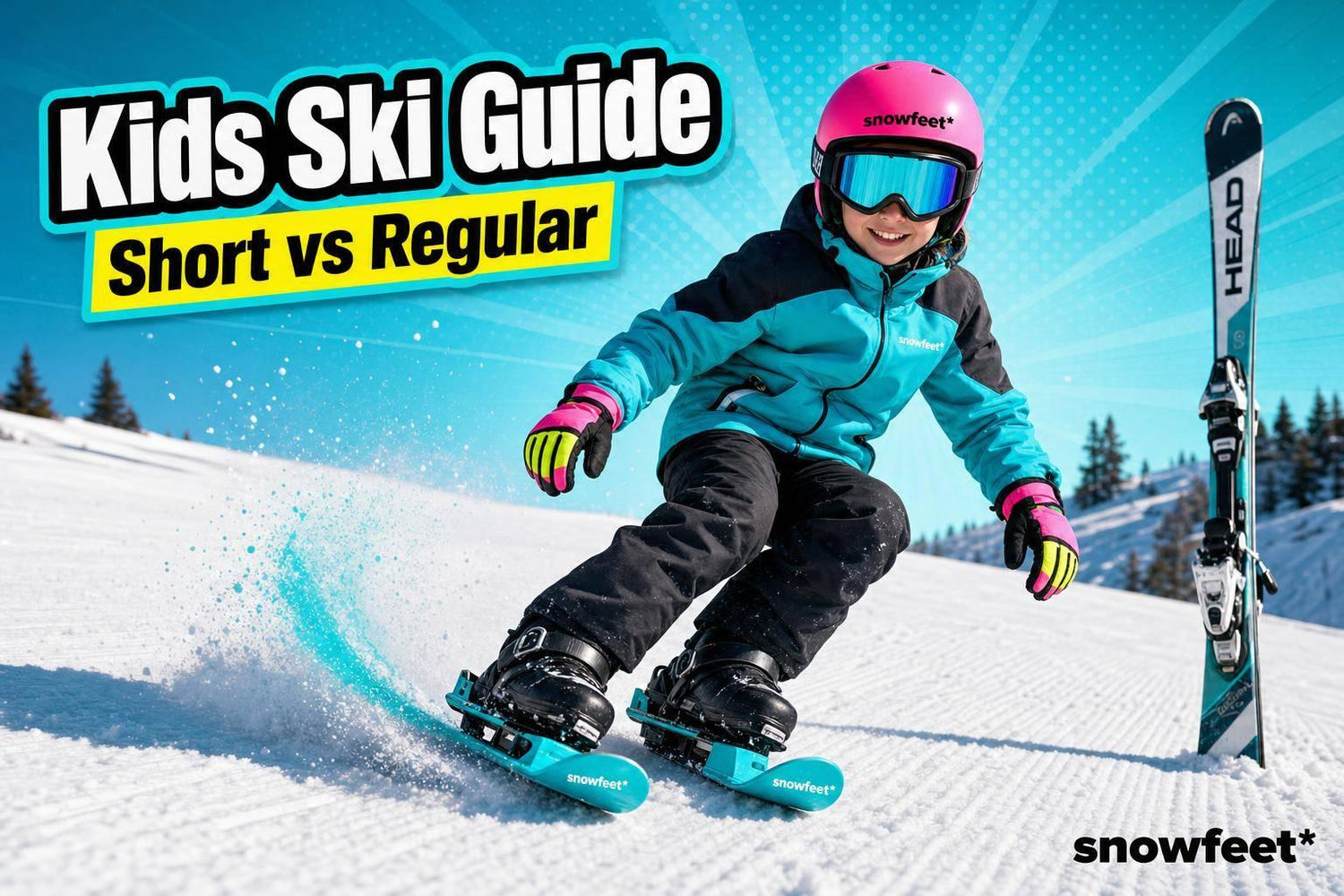
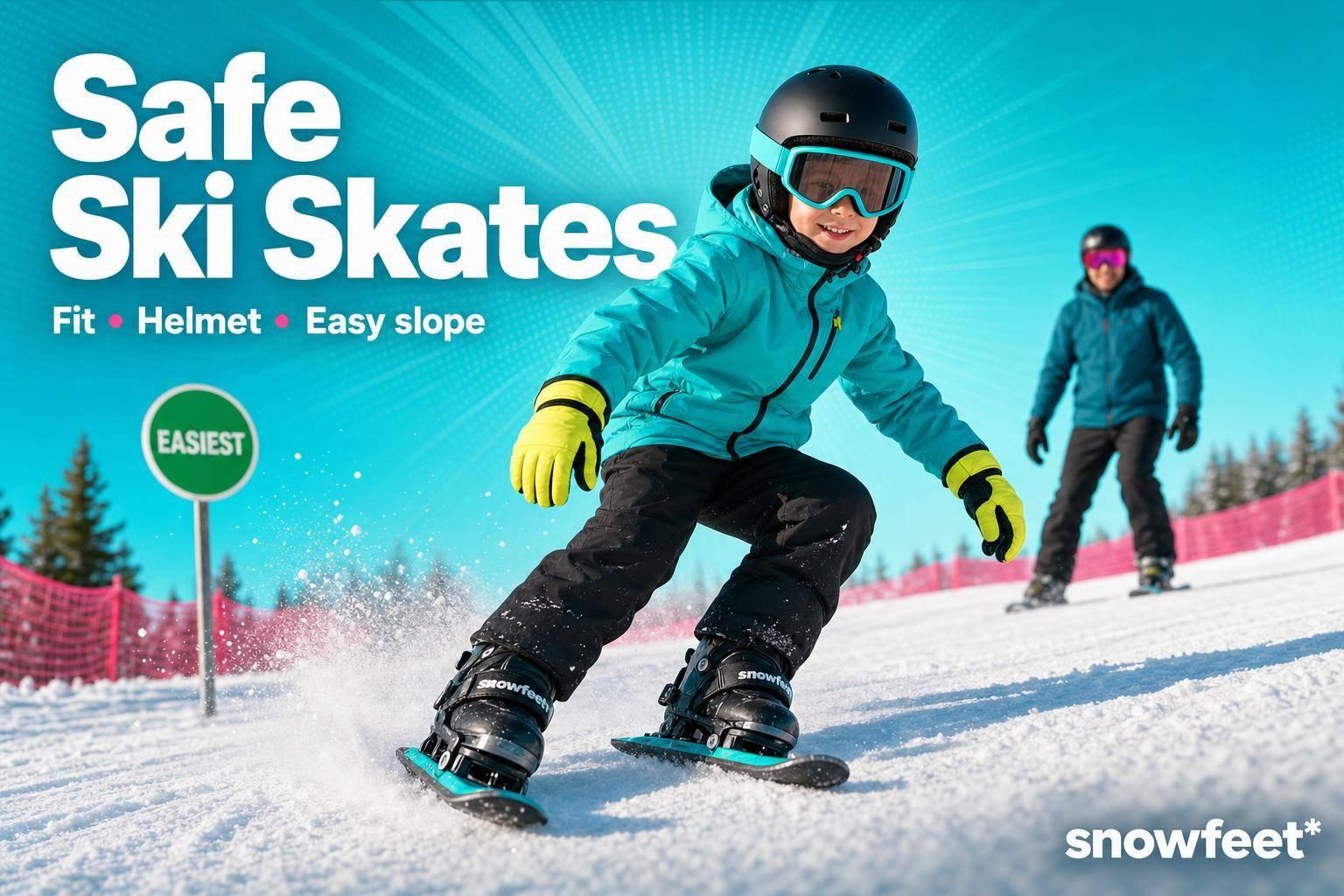
If your child is brand new to snow, short skis are often the better first choice. They’re easier to turn, easier to stop on small hills, and less scary for many kids on day one.
Here’s the short version:
- Short skis work best for first-timers, timid kids, backyard hills, and easy resort days.
- Regular junior skis make more sense for kids who ski faster, take steady lessons, or spend time on longer blue and black runs.
- Very short options like 40–70 cm (16–28 in.) can help kids learn basic balance and turning with less gear stress.
- Standard junior skis are usually sized around chest to nose height and need ski boots plus release bindings.
- Boot setup matters a lot:
- MINI KIDS: regular winter boots
- Skiblades 65 cm: ski or snowboard boots
- Skiskates 44 cm: ski or snowboard boots
- Regular junior skis: junior ski boots
A few takeaways I’d keep in mind:
- Ages 3–6: MINI KIDS can be a simple first slide option.
- Ages 6–12: 65 cm skiblades often hit the sweet spot for casual family skiing.
- Older kids/teens with skill: 44 cm skiskates are more playful, but less steady at speed.
- Do not buy long skis for a kid to “grow into.” That often makes learning harder and leads to more falls.
Bottom line: if your goal is fun, confidence, and low-stress first days, short skis usually win. If your child already skis with control at higher speed, regular junior skis still have the edge.
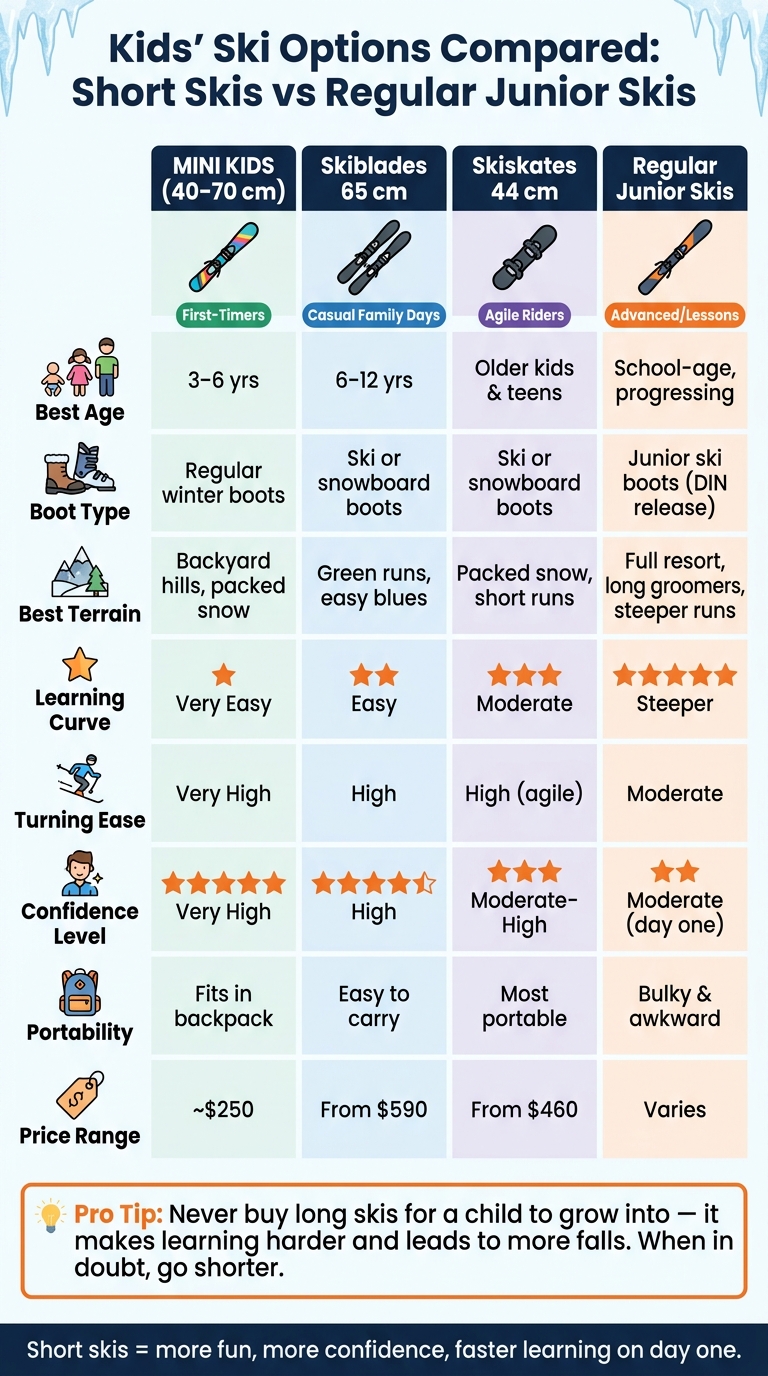
Kids' Ski Options Compared: Short Skis vs Regular Junior Skis
How to Choose the Best Skis for Kids
Quick Comparison
| Option | Best for | Boots | Best terrain | Main tradeoff |
|---|---|---|---|---|
| Snowfeet* MINI KIDS | Ages 3–6, first-timers | Winter boots | Backyard hills, packed snow, light powder | Not for resort speed |
| Snowfeet* Skiblades 65 cm | Ages 6–12, beginner to intermediate | Ski or snowboard boots | Green runs, easy blues, local resorts | Less steady than junior skis on steep, long runs |
| Snowfeet* Skiskates 44 cm | Older kids, teens, confident riders | Ski or snowboard boots | Packed snow, short runs, side hits | Can feel twitchy at speed |
| Regular junior skis | Kids in lessons, stronger skiers | Junior ski boots | Full resort use, long groomers, steeper runs | More work to learn on day one |
So, if I were helping a parent in the shop, I’d say this: pick the setup that makes your kid want one more run. That’s often the setup that helps them learn faster too :)
If you want a visual before you buy, these YouTube searches can help:
Learning, Turning, and Confidence: Short Skis vs Regular Skis
The biggest difference shows up on that very first run. When a child tries to turn and stop for the first time, shorter skis are often less intimidating. There’s simply less ski to handle, and that smaller footprint makes turning and stopping feel more natural right away. If your goal is a first day that feels calm instead of stressful, that matters a lot.
Why Shorter Skis Feel Easier on Day One
Shorter skis react fast to small movements. That helps timid beginners start steering and slowing down without needing much technique. If a child leans the wrong way or twists too much, shorter skis tend to correct faster too.
Short skis with a tight sidecut turn fast and help control speed well. The tradeoff? They can feel a bit less stable on slow, flat terrain. On gentle slopes, though, that’s usually a small downside. At that stage, control beats speed.
Regular junior skis don’t start to feel easier until a child has built better balance and stronger edging skills.
Where Regular Junior Skis Feel More Demanding
Longer skis can be tough for a small or cautious child who’s still learning how to stop. They ask for more control, more balance, and a bit more patience. That can be a lot on day one.
Regular junior skis start to make more sense once a child’s skills improve. At that point, they offer smoother tracking and better stability on resort runs. But getting to that point usually takes more practice and more coaching.
| Factor | Short Skis (e.g., Snowfeet*) | Regular Junior Skis |
|---|---|---|
| Learning curve | Gentle - kids get moving faster | Steeper - more technique needed early |
| Ease of turning | High - quick response, tight radius | Lower - requires more deliberate movement |
| Stopping | Easier at low speeds on gentle slopes | Requires more balance and edge practice |
| Confidence | High - less ski feels less scary | Lower - longer skis can feel overwhelming |
| Best fit | First-time, cautious, or casual family skiers | Kids ready for more structured resort runs |
That difference stands out even more when you look at specific kid-sized short skis and junior skis.
sbb-itb-17ade95
Snowfeet* MINI KIDS, Skiblades 65 cm, Skiskates 44 cm, and Standard Junior Skis Compared
Now that the learning curve is out of the way, the next step is simple: pick the setup that matches your kid’s age, boots, and the kind of snow they’ll ride most.
Here’s the big picture. Some options are made for tiny first-timers on backyard hills. Some make more sense for resort days. And some are better for older kids who want fast turns and a more playful feel.
Snowfeet* MINI KIDS for Small Children and Backyard Hills
The MINI KIDS are made for the smallest riders - kids around 3–6 years old, often under 70 lb, with feet as small as US kids' 10 / EU 27. They strap right over regular winter boots, which is a huge plus for parents. No ski boots. No fiddly binding setup. Just strap in and go.
They do best on packed snow and light powder. So think:
- backyard snow
- neighborhood sledding hills
- very gentle beginner slopes
They’re not built for fast resort laps, and that’s fine. For kids this young, the point isn’t speed. It’s getting used to sliding, balancing, and having fun without turning the day into a gear battle.
Snowfeet* Skiblades 65 cm for Resort Use
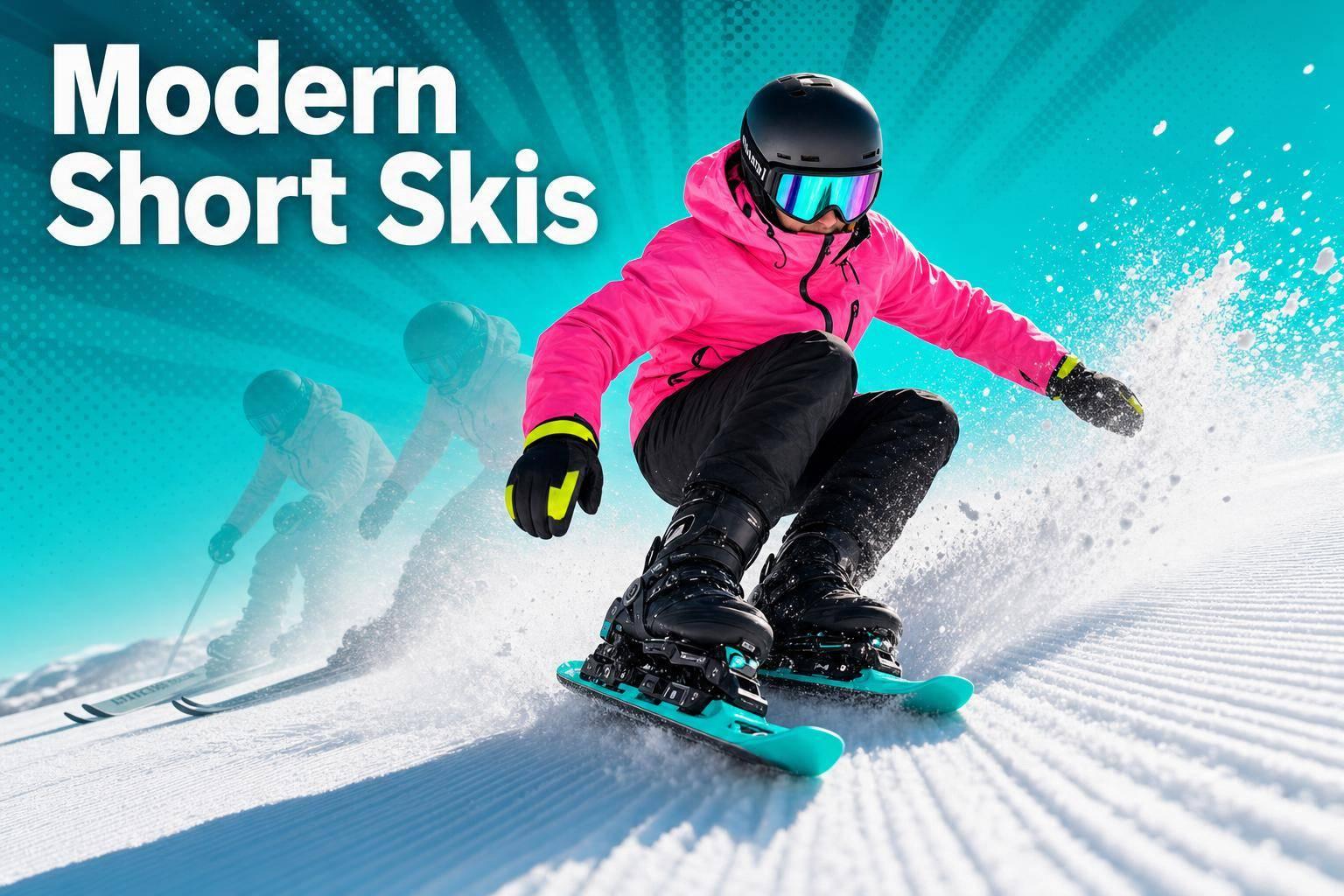
At 65 cm (about 26 inches) long with a 4-meter turn radius, the Skiblades hit a nice middle ground. They turn fast, but they also have enough length to feel calm on resort runs. That matters once kids move past the “pizza and panic” stage :)
They fit kids around 6–12 years old who already have some comfort on snow, whether that means a first season or a few lessons under their belt. The bindings work with both ski boots (US 4.5–14.5) and snowboard boots (US 6–14.5), which gives families more room to work with gear they may already own.
These make the most sense for local resort days, especially if you want one setup that’s easy to carry, easy to store, and not a pain to haul from the parking lot.
Snowfeet* Skiskates 44 cm for Older Kids Who Want Quick Turns
The Skiskates 44 cm sit in a different lane. They’re very short, very nimble, and much more about agility than stability. In plain English: they’re for older kids and teens who already feel solid on snow.
They work well for kids with some ski or snowboard background, or for those who have strong skating instincts. The feel is more skate-like, which makes tight turns, fast direction changes, spins, and freestyle-style moves feel natural on short runs and side hits.
They work best on hard or packed snow. Like the 65 cm Skiblades, they’re also compatible with both ski and snowboard boots. That makes them an easy add-on if a family doesn’t want to buy a whole new boot setup.
The side-by-side differences are easier to spot in one table:
| Snowfeet* MINI KIDS | Snowfeet* Skiblades 65 cm | Snowfeet* Skiskates 44 cm | Other kids' snowblades | Regular Junior Skis | |
|---|---|---|---|---|---|
| Child profile | Ages 3–6, true beginners, very small feet | Ages 6–12, beginner to intermediate | Older kids and teens, confident/intermediate | Grade-school kids who can already snowplow | School-age kids in ski lessons, progressing |
| Boot type | Regular winter boots (strap-on) | Ski or snowboard boots | Ski or snowboard boots | Ski boots (standard bindings) | Junior ski boots with DIN-release bindings |
| Best terrain | Backyard, sledding hills, very gentle slopes | Local resorts, green and easy blue runs | Short runs, packed hard snow, side hits | Groomed resort runs at moderate speeds | Full-service resorts, longer runs |
| Portability | Extremely compact, fits in a backpack | Much shorter than regular skis, easy to carry | Most portable; clips to a backpack | Shorter than regular skis, but bulkier than Snowfeet* | Bulky, awkward for kids to carry |
Those gaps start to matter fast once you look at speed, terrain, and how secure the whole setup feels for the child.
Safety Feel, Speed, Terrain, and Boot Compatibility
Once you’ve nailed the right size and model, the next thing that matters is simple: how will it feel on snow?
Why Short Skis Often Feel Safer for Casual Family Use
For most parents, “safe” doesn’t just mean crash prevention. It means their kid feels in control, stays calm, and wants to keep skiing.
That’s where short skis often shine. They make pivoting, skidding, and stopping feel easier. And for a nervous kid, that can be a big deal.
You tend to notice it most with stopping, speed control, and plain old confidence. With less ski touching the snow, kids can turn, skid, and slow down with less effort. Each turn feels like less of a commitment, which helps beginners settle in faster. On backyard hills and green resort runs, short skis also push kids toward shorter, more frequent turns. That usually means less runaway speed and fewer white-knuckle moments for everyone :)
Short skis are easier to move around, more forgiving, and less tiring for beginners and lighter kids. MINI KIDS skip ski boots altogether, which cuts out one of the biggest setup hassles for small children.
When Regular Junior Skis Still Win on Big Resort Runs
There is a tradeoff, though. Ultra-short skis lose stability as speed goes up and terrain gets tougher.
On longer and steeper resort runs, regular junior skis track better at higher speeds, hold an edge better on firmer snow, and deal with chop and mixed conditions with less drama. If a child is already carving parallel turns and following parents onto blue or black runs, a 44–65 cm ski can start to feel twitchy and limiting instead of fun.
So, for kids who already ski full-size resort terrain, regular junior skis are usually the better match. Short skis like the Snowfeet* Skiblades 65 cm are great for casual resort days and local hills, but they aren’t meant to replace a full junior ski setup for faster mountain skiing.
Here’s the side-by-side view:
| Factor | Snowfeet* Short Skis | Regular Junior Skis |
|---|---|---|
| Perceived safety (casual terrain) | High - easy pivoting and quick speed checks | Moderate - more precise technique needed to stop |
| Top-speed feel | Calm and controlled at low to moderate speeds; can feel twitchy at higher speeds | More stable and confidence-inspiring at higher speeds |
| Local hills & small resorts | Excellent fit | Often overkill on short, gentle slopes |
| Full resort runs (blue/black) | Works well on easy blues; less ideal on steeper or longer terrain | Clear advantage on long resort groomers and steeper runs |
| Required boots | MINI KIDS use regular winter boots; Skiblades and Skiskates use ski or snowboard boots | Dedicated junior ski boots required |
To keep the boot piece simple:
- MINI KIDS use regular winter boots
- Skiblades and Skiskates use ski or snowboard boots
- Regular junior skis require junior ski boots
That leads straight to the last buying question: which setup matches your child’s age, confidence, and the terrain they ski most often?
Which Option Is Best for Your Child
For most casual family skiers, short skis are the better first pick. Age matters, sure. But skill, confidence, and the kind of terrain your child will ride matter more.
Best Picks by Age, Skill, and Terrain
Based on learning, confidence, and terrain, here’s the simplest way to choose. Match the setup to your child, not just their age.
| Child Type | Best Pick | Why |
|---|---|---|
| Very young or timid beginners | Snowfeet* MINI KIDS ($250) | Easy-to-use setup with regular winter shoes |
| Most casual family riders | Snowfeet* Skiblades 65 cm (from $590) | Best mix of easy turning and control |
| Older, confident kids who want agility | Snowfeet* Skiskates 44 cm (from $460) | Quick, skate-like turns for kids ready for a more agile ride |
| Advanced or race-focused kids | Regular junior skis | Better high-speed stability and fit for structured lessons or carving |
If you’re not sure, start with the 65 cm Skiblades. They’re the most natural step from first slides to full resort use. And for family ski days, they hit the sweet spot.
Key Points Before You Buy
Here’s one thing that matters a lot: expert sizing guides warn against buying long skis for kids to grow into. It sounds smart at first. In practice, it often makes things harder.
A ski that’s too long can slow learning and lead to more falls. So if you’re stuck between sizes, go shorter. Kids can always size up once their skills improve.
Short skis make the most sense for casual family use. Regular junior skis make more sense for kids who already ski fast, carve hard, or train in a structured program.
FAQs
How do I know if my child is ready for regular junior skis?
Your child may be ready for regular junior skis when they can balance, turn, and stop with ease on shorter, easier gear. That’s usually the point when they’re set to start learning more advanced moves on groomed runs.
If heavier gear still feels like a lot, speed makes them nervous, or old-school equipment leads to frustration, they’re probably not there yet. In that case, Snowfeet* can help them keep building confidence on lighter, easier-to-control gear.
Are short skis safe enough for resort skiing?
Yes. Short skis are safe and practical for resort skiing.
Their compact shape gives skiers better control and makes turning feel easier, especially on groomed runs. That also helps when you need to slow down fast or steer around other people on the slope. In a busy resort, that kind of handling can be a big plus.
Their shorter length can also help cut down on common beginner issues, like crossing ski tips and taking those awkward, off-balance falls. And on packed snow, features like metal edges and an integrated heel brake give you steady grip and added speed control.
So, for resort skiing, short skis aren’t just okay - they’re a practical choice for many riders, mainly if ease of use and control matter most.
Which Snowfeet* option fits my child’s age and boots?
- Ages 2–6: Snowfeet MINI KIDS. They’re light, simple to control, and work with regular winter boots. That makes them a nice pick for little kids who are just getting used to snow gear.
- Ages 7–12: Snowfeet Skiskates (44 cm). These are easy to turn and can be used with regular winter boots or snowboard boots. Great if your kid wants something that feels playful and easy to handle.
- Older kids, or kids who are a bit more careful: Snowfeet Skiblades (65 cm). This option gives a bit more balance and pairs with ski boots for extra ankle support.
All models come with adjustable bindings for a secure fit.











Lascia un commento
Questo sito è protetto da hCaptcha e applica le Norme sulla privacy e i Termini di servizio di hCaptcha.