




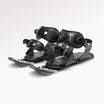
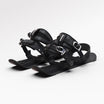
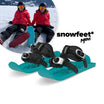
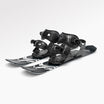
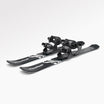
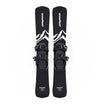
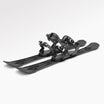
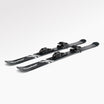
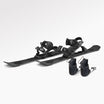
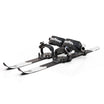
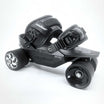
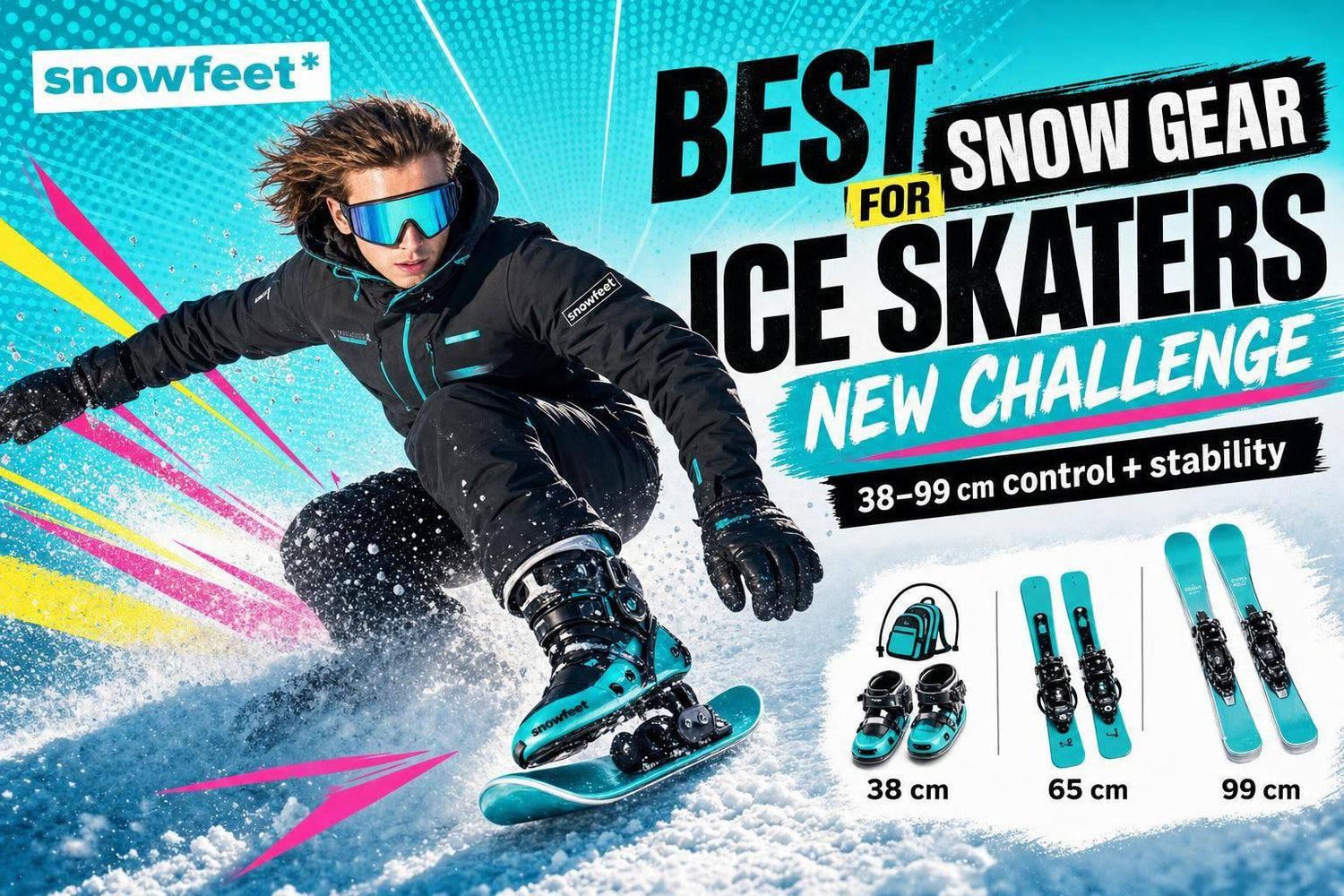
If I already skate on ice, the shortest snow gear will feel the most natural. In this lineup, I’d point most skaters to 44 cm Skiskates for the closest rink-to-snow jump, 50 cm PRO for the best middle ground, 65 cm Skiblades for more calm at speed, and 99 cm Skiblades if I want the most ski-like ride.
Here’s the short version:
- 38 cm Mini Ski Skates: most like skating, easiest to pack, best on small slopes
- 44 cm Skiskates: closest mix of skate feel and control on resort snow
- 50 cm PRO: easier step up if I want more glide
- 65 cm Skiblades: better for resort laps and faster runs
- 99 cm Skiblades: most steady, most ski-like, best for skaters who want more mountain range
- Skis and snowboards: more gear, more learning, less like skating at first
For most ice skaters, the big trade-off is simple: shorter = more skate feel, longer = more stability. Snowfeet models run from 38 cm to 99 cm, and that size jump changes how they turn, how fast they feel calm, and how easy they are to carry. Some even fit in a backpack, which, uh, full skis definitely don’t :)
Snowboarder tries Snowfeet* | Which Snowfeet* Short Ski is the Best? | Snowblades 44, 65, 99 Review
Quick Comparison
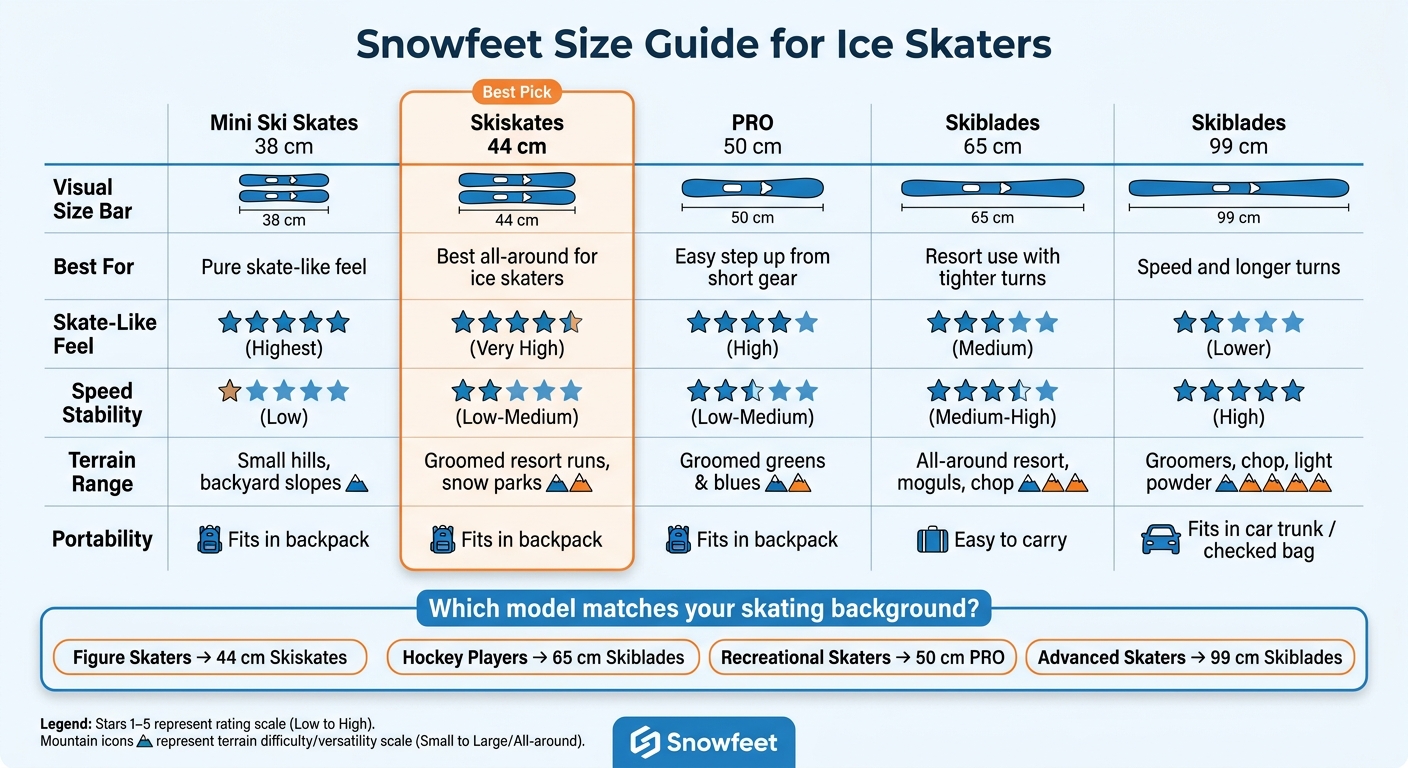
Snowfeet Size Guide for Ice Skaters: 38cm to 99cm Compared
| Option | Best For | Feel on Snow | Speed Stability | Portability |
|---|---|---|---|---|
| Mini Ski Skates 38 cm | Pure skate-like feel | Closest to ice | Low | Fits in a backpack |
| PRO 50 cm | Easy step up from very short gear | Skate-like with more glide | Low to medium | Fits in a backpack |
| Skiskates 44 cm | Best all-around pick for ice skaters | Very close to skating | Medium | Fits in a backpack |
| Skiblades 65 cm | Resort use with tighter turns | Half skate, half short ski | Medium to high | Easy to carry |
| Skiblades 99 cm | More speed and longer turns | Closest to short skis | High | Easier than full skis |
| Skis / snowboard | Full mountain style | Least like skating at first | High | Bulky |
A few numbers stand out fast:
- The shortest model is just 38 cm
- The longest Snowfeet option here is 99 cm
- The powder range mentioned tops out at about 4 in. (10 cm)
- Prices in the article start at $250 and $275
So if I’m coming from hockey, figure, or rec skating, I wouldn’t start with full skis unless I want a whole new movement pattern. I’d start with the size that matches how close I want snow to feel to the rink.
1. Snowfeet* Mini Ski Skates 38 cm
At 38 cm, the Mini Ski Skates are the most skate-like, backpack-friendly pick in the Snowfeet* lineup, starting at $250. If you want the closest thing to ice-skate response on snow, this is it.
Skate-Like Feel
The short 38 cm length keeps swing weight low. That means hockey stops, quick edge changes, and tight carving turns feel closest to skating on ice.
The Skiskates 44 cm move in a different lane. They use ski bindings and ski boots, so they feel more structured and work better for carved S-turns. Step up to the Skiblades 65 cm and 99 cm, and the feel shifts even more toward smooth, ski-style edging. They’re less suited for the fast pivots and stops that rink skaters lean on.
Stability at Speed
Here’s the trade-off: that quick, nimble feel comes with a speed limit. These work best at slow to moderate speeds on groomed green and easy blue runs.
If you want more confidence once the pace picks up, but still want to keep much of that quick feel, the Skiskates 44 cm or Skiblades 65 cm make the most sense.
Terrain Range
The Mini Ski Skates do best on groomed slopes, small hills, sledding hills, and small park features. Because they have less surface area, they’re better for controlled riding than steep or mixed terrain.
The Skiblades 65 cm feel more at home on blue and black runs. The 99 cm covers the biggest range of all-mountain conditions in this lineup.
Boots and Portability
These work with regular winter boots or snowboard boots, and they fit in a backpack. That makes them the easiest Snowfeet* option to carry and travel with.
For rink skaters who want to bring their edge control onto snow, this is the simplest setup in the bunch. If you want that same easy-carry feel with a bit more glide, the PRO 50 cm is the next move.
2. Snowfeet* PRO 50 cm
At $275, the PRO 50 cm sits right between the 38 cm Mini Ski Skates, the 44 cm Skiskates, and the longer 65 cm and 99 cm Skiblades.
That makes it a smooth next move from the 38 cm Mini Ski Skates if you want more glide but still want to snap through turns. For ice skaters chasing that easy jump from rink feel to snow, this is the most even pick in the lineup.
Skate-Like Feel
If you come from hockey, figure, or roller skating, this one should feel familiar fast. The added 12 cm (4.7 in) gives you more glide and more edge contact, so your carving arcs can stretch out a bit more.
Next to the 44 cm Skiskates, the PRO 50 cm feels a touch more like a ski in the way it turns. But it still keeps that quick, nimble control rink-trained skaters tend to like.
Stability at Speed
That extra length helps when things speed up. You get a steadier ride and a bit more trust underfoot on faster slopes.
The Fiberglass Flex Core keeps the ride lighter and more forgiving on groomed green and easy blue runs. It also gives you control in up to 4 inches (10 cm) of light powder.
Terrain Range
The PRO 50 cm works well on groomed resort slopes, local sledding hills, and rollers.
Here’s the simple version:
- More stable and more flexible in use than the 38 cm model
- Still far more skate-like than the longer Skiblades
- A nice resort setup for skaters who want to progress without jumping straight to a full ski feel
Boots and Portability
The PRO 50 cm uses adjustable bindings made for snowboard boots or ski boots. That keeps things easy if you already own winter gear.
It also packs well for travel, and you don’t need a ski bag. For weekend trips, that’s a pretty sweet perk :) If you want a firmer, more ski-like setup after this, the 44 cm Skiskates are the next step.
3. Snowfeet* Skiskates 44 cm
The 44 cm Skiskates are the best middle-ground pick for ice skaters. They feel quick like skates, but they give you more balance than the 38 cm Mini Ski Skates. The ride feels firm and precise, with the kind of fast edge-to-edge response that rink skaters already know how to use well.
Skate-Like Feel
This is where the 44 cm model clicks for a lot of skaters.
The short length and centered stance make edge changes fast and natural. So if you already know how to stop, carve tight turns, or shift edges on ice, those skills carry over to snow almost right away. Compared with the 38 cm Mini, the 44 cm version feels a bit more like a ski, but it’s easier to balance front to back. That matters a lot when you’re getting used to snow.
It hits a nice middle point for skaters who want speed control without giving up quick turns. Think hockey stops, tight slalom turns, and that snappy feel that makes short gear so fun.
If you want more stability but still want that short-ski vibe, the 65 cm Skiblades are the next move.
Stability at Speed
The 44 cm Skiskates are more stable than the 38 cm Mini, but they don’t feel as planted as the longer Skiblades once speed picks up. That makes them a strong fit for short to medium groomed runs, where quick control matters more than all-out speed.
The 65 cm and 99 cm Skiblades stay steadier at higher speeds and deal better with steeper or rougher terrain. But if you’re a skater who likes fast turns and playful control, the 44 cm model makes a lot of sense. It’s the natural step up from the Mini without sliding too far into full ski territory.
For faster slopes or rougher snow, move up to the 65 cm and 99 cm options.
Terrain Range
The 44 cm Skiskates work best on groomed resort runs, learning slopes, and snow parks. They handle packed snow and light fresh snow well. So you get a small, easy-to-carry setup that still feels comfortable across a solid range of resort terrain.
It’s the kind of gear you can toss in your bag and not make a big production out of. Nice and simple.
Boots and Portability
They use ski-boot or snowboard-boot bindings and still fit in a backpack. That’s a big plus if you want something easy to pack, easy to travel with, and easy to bring on a weekend snow trip.
That’s why the 44 cm model works so well as a bridge from rink skills to snow. The next step is seeing how it stacks up against the longer Skiblades on snow.
sbb-itb-17ade95
4. Snowfeet* Skiblades 65 cm
The 65 cm Skiblades are the best next step for skaters who want more stability and more ski-like carving, but still want that short-gear feel. In plain English: they give you more confidence at speed without taking away those quick, skate-like turns.
Skate-Like Feel
The 65 cm keeps edge changes quick, but the added length smooths out each turn and gives you more control. If you came from the rink, you’ll notice that same balance shift and edging feel, just stretched into short, clean turns that work better at resort speeds.
Compared with the 99 cm model, the 65 cm gives up a bit of high-speed calm for easier pivots and a shorter learning curve. That’s why it sits right in the middle of the lineup. It bridges the playful 44/50 cm models and the more ski-like 99 cm.
Stability at Speed
At speed, the 65 cm feels steadier than the shorter models. You get more edge contact, which helps cut down on chatter and wobble on firmer snow. If your main goal is the fastest carving, though, the 99 cm still leads the pack.
Terrain Range
This model handles more of the mountain than the shortest versions. It does well on:
- Groomers
- Small moguls
- Snow parks
- Chopped-up resort snow
Boots and Portability
The adjustable bindings help keep packing simple, and the 65 cm still fits into a shorter ski bag. It’s not as easy to carry around as the 44 cm Skiskates, but it’s still a lot less of a hassle than full-size skis.
Next, compare how the 65 cm fits into the full Snowfeet lineup for feel, stability, and progression.
5. Snowfeet* Skiblades 99 cm
At 99 cm, the Skiblades are Snowfeet*’s longest short-ski option for skaters who want a ride that feels closer to skiing without jumping all the way to full-length skis.
Skate-Like Feel
If the 65 cm model is the bridge, the 99 cm is the one that gets closest to a true short-ski feel.
Compared with the 38 cm, 50 cm, and 44 cm models, the 99 cm feels much more like short skis than skates. Turns are longer and more deliberate. That works well for skaters who want a smoother ride that leans more toward skiing. It also pushes further in that direction than the 65 cm, which makes it a better fit for skaters who want longer, steadier turns.
Figure skaters and speed skaters often adapt fast here because their edging and weight transfer skills carry over well into clean carving. Hockey players who like sharp lateral moves may still lean toward the 44 cm or 50 cm models, since those keep more of that quick, skate-first feel.
Stability at Speed
The extra length, plus the wood-core build, gives the 99 cm more stability at speed than the shorter Snowfeet* models. On longer groomed runs and firmer late-day snow, it tracks cleanly and gives you more confidence to ski faster on blue runs or easier black runs.
Terrain Range
This is the model with the broadest terrain range in the lineup. It handles:
- Groomers
- Small bumps
- Afternoon chop
- Up to 4 in of powder
Boots and Portability
The 99 cm pairs with ski boot bindings, though Snowfeet* also offers other binding options. That firmer boot-to-ski connection helps with edge control and power transfer once you pick up speed.
It’s also still far easier to carry and store than full-length skis. You can fit it in a car trunk or a checked bag. That said, if you want something you can toss in a backpack and forget about, the shorter models still have the edge.
So, the 99 cm is the most ski-like option in this group, and the next section breaks down how each Snowfeet* model feels once you get it on snow.
How These Products Differ for Skaters on Snow
The main trade-off is pretty simple: shorter models feel more like ice skates, while longer ones feel calmer and steadier as speed picks up.
If you come from ice skating, that matters a lot. Skills like edge control, fast turns, and easy balance carry over best when the gear keeps that same quick, skate-first feel. So the right pick depends on what you want most:
- the closest feel to ice
- the easiest start on snow
- the most stability
Compared with full skis or snowboards, Snowfeet keeps movement much closer to skating and makes the learning curve a lot shorter.
Skate-Like Feel
The shortest models feel the most like skating. The longer the model gets, the more it starts to feel like a short ski.
The 38–44 cm range keeps you in a skating-style stance. You turn with your ankles and knees, and tight edge changes feel natural. If you're used to a rink, this is where things click fastest.
The 50 cm PRO gives you more support from tip to tail but still stays nimble. It doesn't lose that quick-footed feel, which is nice if you want a bit more help without drifting too far from skating.
By the time you get into the 65–99 cm range, the ride starts to shift. At that point, it feels less like skating and more like skiing. Edging and parallel turns take over, while those fast little pivots start to matter less.
Next comes the trade-off that tends to matter most once you're on snow: speed control versus agility.
Stability at Speed vs. Agility
The 38–50 cm range is all about quick pivots and close-to-ice control. It feels lively, fast underfoot, and easy to move around.
The 65–99 cm range leans the other way. You get steadier tracking, longer turns, and more confidence when speed builds. Less twitchy. More planted. Kind of like the difference between hockey skates and a car with a longer wheelbase.
That trade-off shows up even more in the terrain each model handles best.
Terrain Range
Each size has its sweet spot:
- 38–44 cm: backyard hills and small park features
- 50 cm: short groomed greens and blues
- 65 cm: all-around resort use
- 99 cm: faster groomers and light powder
So, if you're messing around on small slopes and want that skate-like snap, shorter makes sense. If you're headed for resort laps and more speed, the longer options give you more room to work with.
Boots and Portability
Boot setup also changes by size, and that can sway your choice more than you'd think.
The 38 cm model works with regular winter boots, which keeps things simple. The 44 cm model uses ski-like bindings. From 50–99 cm, ski boots tend to work better because they give stronger power transfer.
Portability is another easy win for the shorter models. The 38–50 cm range fits in a backpack. Longer models usually need a checked bag or duffel. That's still much easier than hauling full-length skis or a snowboard through a parking lot like you're moving furniture :)
Put all that together, and the shortest models make the smoothest jump from rink to snow. The longer ones fit skaters who want more speed and stronger edge hold.
Pros and Cons
After the model-by-model breakdown, this table makes the trade-offs easy to scan. It’s a handy side-by-side view, so you can match each model to how you like to skate.
| Model | Key Pros | Key Cons | Closest to Ice |
|---|---|---|---|
| Mini Ski Skates 38 cm | Most portable, lightest, works with regular winter boots, quickest turns | Least stable at speed, not ideal for deep snow, best suited to smaller feet | Highest |
| Skiskates 44 cm | Wood core, most responsive for tricks and spins, very agile, great for jumps | Requires solid balance, less stable at higher speeds, limited float in soft snow | Very High |
| PRO 50 cm | Good powder float, versatile terrain range, easy learning curve | Fiberglass core is less stiff than wood, slightly less nimble than 44 cm | High |
| Skiblades 65 cm | Smooth hybrid feel, strong edge hold, confidence-building on groomers, easier "hockey stops" | Heavier than shorter models, less skate-like snap, less nimble for very tight turns | Medium |
| Skiblades 99 cm | Best stability at speed, stronger long-radius carving, handles varied terrain and light powder, easiest progression toward full-ski technique | Bulkiest option, slowest edge-to-edge transitions, feels most like a ski - not a skate | Lower |
If you want the fastest match, let your skating background lead the way:
- Figure skaters: 44 cm Skiskates
- Hockey players: 65 cm Skiblades
- Recreational skaters: 50 cm PRO
- Advanced skaters: 99 cm Skiblades
Conclusion
Snowfeet* gives ice skaters a much easier move to snow than full-size skis or a snowboard. The reason is pretty simple: edging, balance, and quick turns feel more familiar. You don’t have to relearn everything from scratch. For most people, the 44 cm Skiskates are the clearest first pick.
The Skiskates 44 cm feel the closest to the rink. They give you fast edge response and tight-turn control on groomed runs. If you want a bit more stability for resort days, go with the 50 cm or 65 cm models instead.
For most resort skaters, the PRO 50 cm and Skiblades 65 cm hit the sweet spot. They balance portability, stability, and that skate-like feel without getting bulky.
If agility is your top goal, pick the Mini Ski Skates 38 cm. If you want the most stable, mountain-ready ride, go for the Skiblades 99 cm. So, yeah, it comes down to one thing: how close do you want the ride to feel to skating?
Across the lineup, Snowfeet* stays easier to learn, lighter to carry, and closer to skating than full-size skis or snowboards. The short version is this:
- 44 cm for the closest ice feel
- 50 cm or 65 cm for the best all-around move from skating to snow
- 38 cm for agility
- 99 cm for speed and stability
FAQs
Which Snowfeet* size is best for a first try on snow?
For a first day on snow, the 44 cm Skiskates are an excellent pick. They give beginners a nice mix of agility and stability, so you can learn without feeling boxed in. And for ice skaters, they still feel natural and easy to steer.
If you want the smallest and lightest option for mellow terrain or bunny hills, the 38 cm Mini Ski Skates are also a strong place to start. They lean more toward a pure skate-like feel, which some riders love right away.
Can I use my regular boots, or do I need ski boots?
For most Snowfeet models, you can use regular waterproof winter boots or snowboard boots instead of ski boots. That includes Mini Skis and the 50 cm PRO models.
The one exception is the 44 cm Skiskates. Those need ski boots or snowboard boots.
If you go with winter boots, pick a pair with:
- Firm soles
- Good ankle support
Soft, flimsy boots are a bad match here. You want something that feels secure, not loose and wobbly :)
Are Snowfeet* good for resort runs or just small hills?
Snowfeet* work well on resort runs, not just tiny local hills. Most ski resorts allow them because they come with standard metal edges.
The shorter models, like the 38 cm Mini Ski Skates, are a better fit for beginner hills and easy, casual terrain. They’re small, playful, and simple to handle.
If you want more range on groomers, in the park, or on steeper runs, go with the bigger options. The 44 cm Skiskates, 50 cm PRO, and 99 cm or 120 cm skiblades are made for groomed slopes, park riding, blue runs, steeper terrain, and all-mountain use.











Efterlad en kommentar
Denne side er beskyttet af hCaptcha, og hCaptchas Politik om beskyttelse af persondata og Servicevilkår er gældende.