







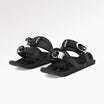












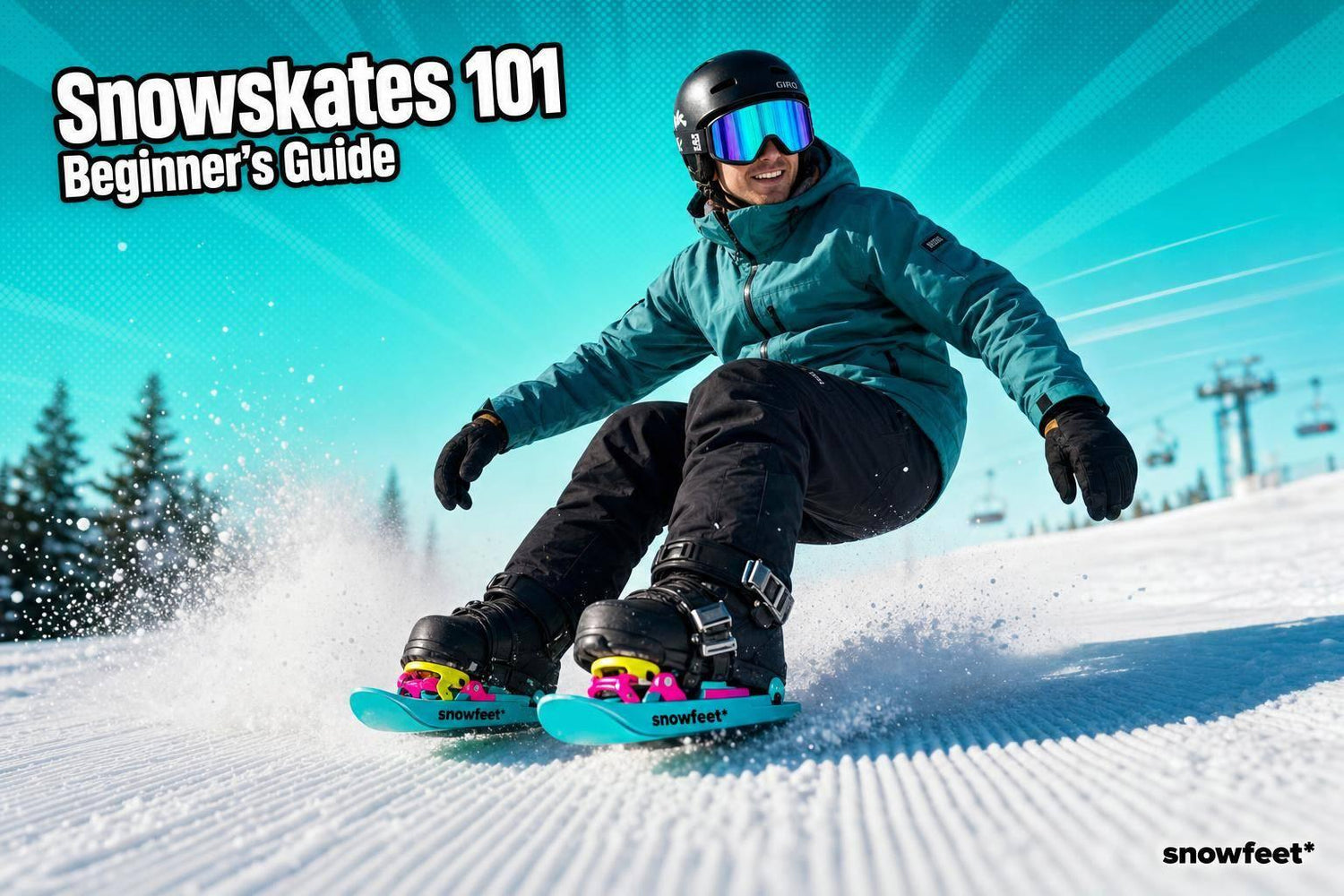
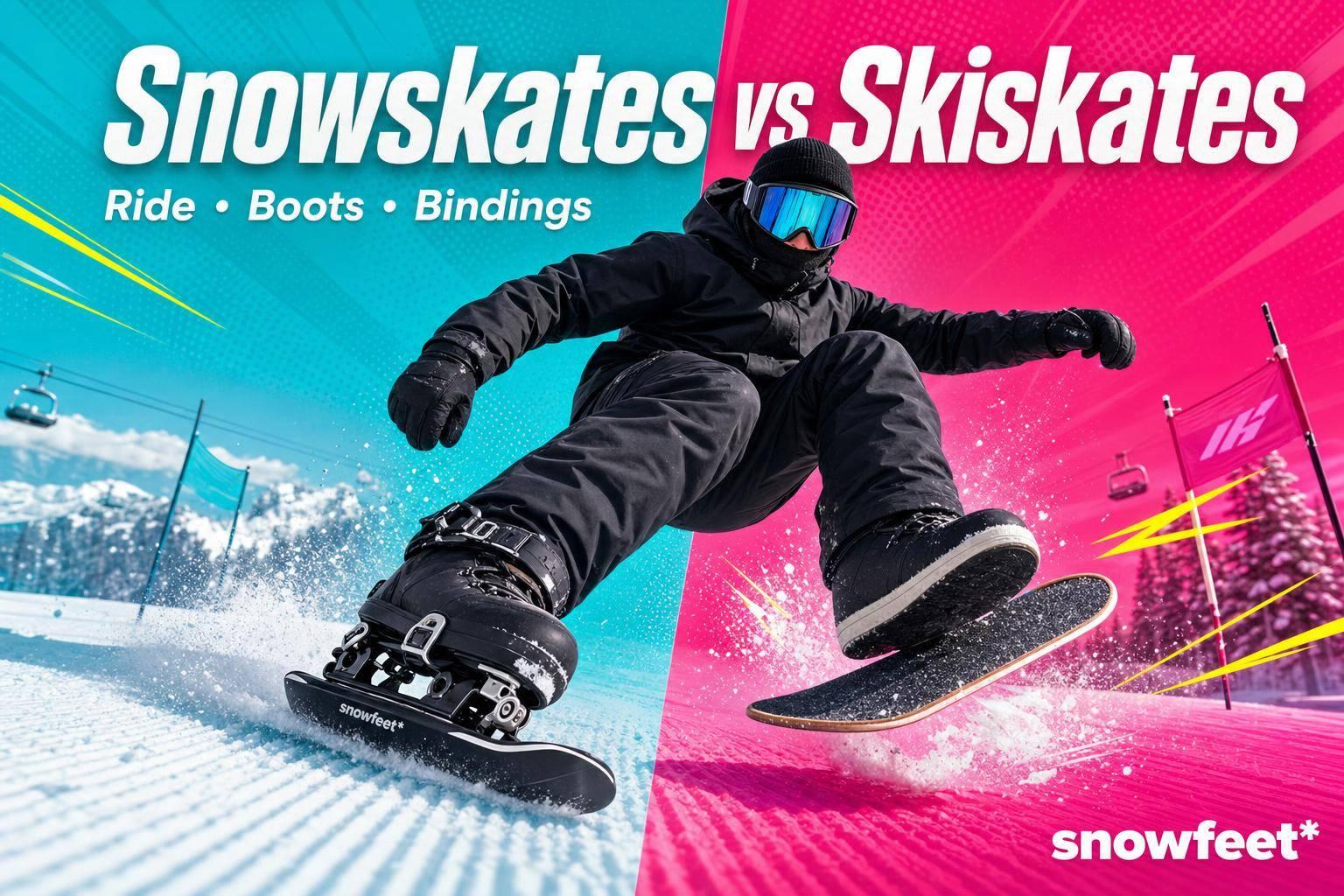
Snowskates are short snow gear that mix skateboard-like feel with ski-style sliding. If I were helping a first-timer on July 14, 2026, I’d keep it simple: deck-style snowskates are loose and playful, 44 cm (17 in.) skiskates feel more secure on groomed runs, and 65 cm (26 in.) skiblades are often the easiest place to start.
If you want the short answer, here it is:
- Deck-style snowskates = best for small hills, park laps, and riders with strong balance
- 44 cm skiskates = small, easy to carry, sharp turning, made for groomed resort snow
- 65 cm skiblades = more stable than 44 cm, better for first green runs
- Full skis and snowboards = still the better pick for speed, deep powder, and steep terrain
- Deep powder is a weak spot for short gear; around 4 in. (10 cm) of shallow powder is about the upper comfort zone listed in the article
- Resort rules matter because some U.S. ski areas limit short snow gear on lifts
So, if you just want a fun, low-fuss day on mellow groomers, short snow gear makes a lot of sense. If you want steep runs, hard ice, or powder days, I’d look at longer gear instead.
Quick Comparison
| Gear | Length | Best for | Main upside | Main downside |
|---|---|---|---|---|
| Deck-style snowskate | ~31–43 in. | Small hills, tricks, park | Light and playful | Less grip on icy or steep runs |
| Skiskates | 17 in. | Groomed resort runs, short laps | Easy to carry, quick turns | Less stable as speed builds |
| Skiblades | 26 in. | Green runs, easy blue runs | More steady than 17 in. | Still not for deep powder or big terrain |
| Full skis | 59–71 in. | All-mountain riding | Better at speed and in soft snow | More gear to haul |
| Snowboard | 55–65 in. | Groomers, park, powder | Good float and park feel | Takes more time for many beginners |
My take? Most beginners will have an easier first day on 65 cm skiblades than on a deck-style snowskate. And if you already skate, hockey stop, or feel at home on short gear, 44 cm skiskates can be a fun next step. Think of it like this: short gear trades top-end stability for fun, portability, and low setup hassle.
If that sounds like your kind of day, the rest of the guide will help you pick the right style and avoid the classic first-run yard sale :)
Snowfeet* & Skiskates Complete Guide | All you need to know about Skiskating
What Snowskates Are and How They Work on Snow
Snowskates are short snow devices made for gliding, turning, and stopping with movements that feel a lot like skating. Snowskate is a broad term, not one single product. It can mean deck-style boards that look like skateboards with no wheels, or short ski-like models such as the Snowfeet* Skiskates 44 cm. And that difference matters. The build changes how stable, how quick, and how easy each type feels for a new rider.
What Snowskates Look Like
Deck-style snowskates have a flat, grippy top and a ski-like base underneath. Some also add extra grip texture. A few use a two-layer design, where a second base sits under the main board and includes metal edges for better control on firm snow.
The Snowfeet* Skiskates 44 cm are a clear example of the short ski-like type. They attach to ski or snowboard boots, use metal edges for carving, and look narrower and more ski-shaped than a deck-style board. In plain English: they sit closer to mini skis than to a skateboard-on-snow setup. That build gives them more stability on groomed runs and sets up the comparison section that comes next.
How Turning, Stopping, and Balance Work
The basic stance is simple: keep your knees bent and your weight centered, kind of like ice skating or inline skating. To turn, you shift your weight and tip onto one edge so it presses into the snow. On short ski-like models with metal edges, like the Snowfeet* Skiskates, that edge pressure helps you carve on groomed snow.
Stopping works off the same idea. At low speeds, a snowplow stop works by turning your toes inward. Riders with more skill can use a hockey stop, turning the skates across the slope and digging in the inside edges to scrub speed fast.
Shorter gear reacts to smaller body movements, so tight turns tend to feel natural. That’s a big reason snowskates can feel less intimidating for many beginners. The flip side? At higher speeds, tiny weight shifts have a bigger effect, so the ride can feel less stable. A little input goes a long way, for better or worse :)
Next, we’ll compare snowskates with skiskates, skiblades, skis, and snowboards.
Snowskates vs. Skiskates, Skiblades, Skis, and Snowboards
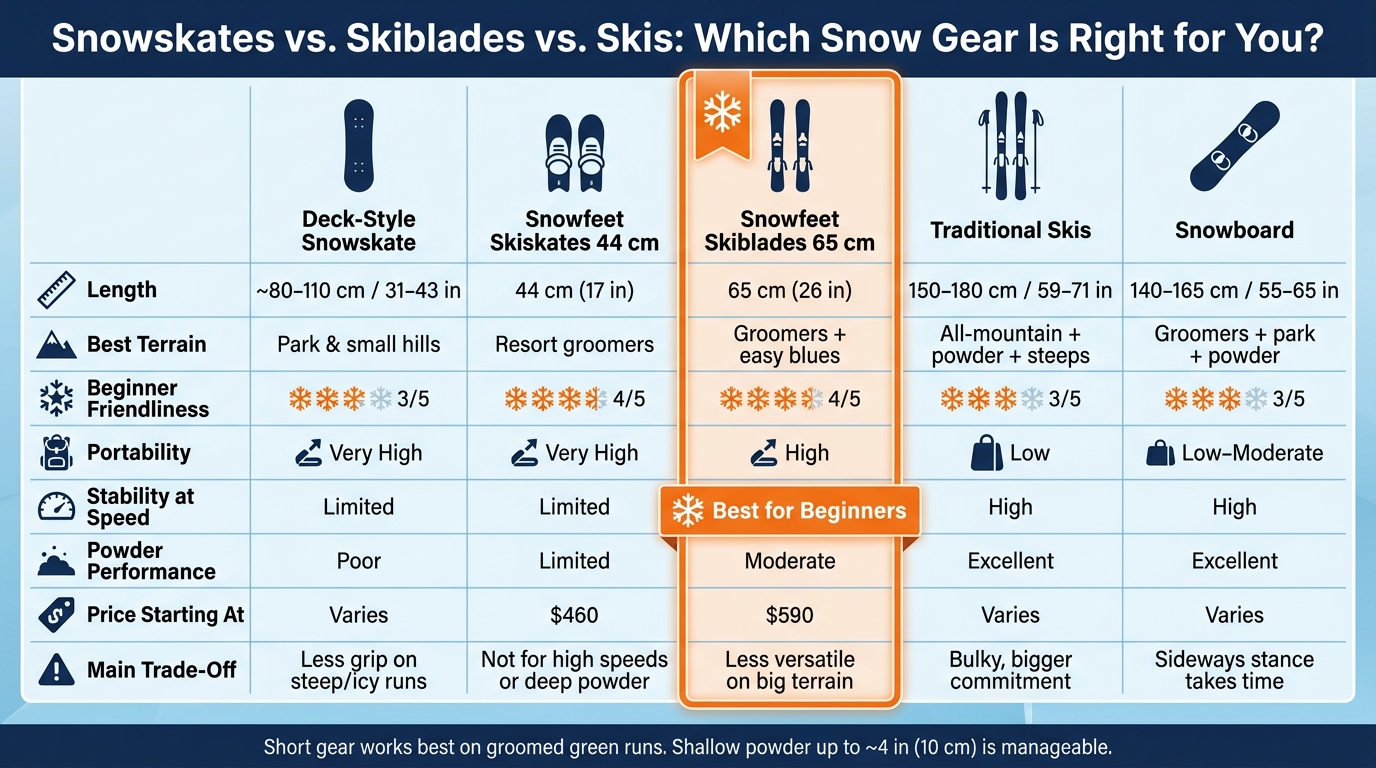
Snowskates vs. Skiblades vs. Skis: Which Snow Gear Is Right for You?
People toss around the word snowskate a lot. And yeah, that can make buying or renting gear way more confusing than it should be. So let’s keep this simple.
Snowskates vs. Snowfeet* Skiskates 44 cm and Snowfeet* Skiblades 65 cm
Classic snowskates are usually deck-style boards made for park laps and small hills. They’re not the go-to pick for steep resort runs or icy slopes.
Snowfeet* Skiskates 44 cm are a different animal. They strap right onto winter boots or snowboard boots, and they use metal edges for carving grip. That means they’re made for resort groomers, not just messing around on mellow terrain. At about 17 inches long, they’re tiny, but they still give you enough edge feel to manage speed, link quick turns, and stop with more confidence.
Snowfeet* Skiblades 65 cm give you about 8 more inches of length. That extra size helps with stability at moderate speeds. For a total beginner, or for someone who wants a ride that feels a bit more like skiing without jumping straight to full-length skis, that can be a nice middle ground.
How Snowskates Compare to Regular Skis and Snowboards
Traditional skis, usually 150–180 cm for adults, shine at high speeds, deep powder, and big-mountain terrain. Snowboards, usually 140–165 cm, give you a sideways stance and strong float in powder. If all-mountain performance is the main goal, both make a lot of sense.
But for someone who rides a few weekends a year, full-size gear can feel like a lot. You’re dealing with bulky equipment, separate boots and bindings, tougher packing, and a learning curve that asks for more patience. Most beginners get basic control sooner on skis than on snowboards, but either way, full-size gear tends to ask more from you before the fun starts.
Snowfeet* products cut out a lot of that setup hassle. They also make the first rides feel less intimidating. That doesn’t mean they do everything. It just means the trade-offs are different, and those trade-offs matter a lot when you look at terrain and rider type.
Beginner Comparison Table
| Product type | Typical length | Boots needed | Best terrain | Beginner-friendliness | Portability | Main trade-off |
|---|---|---|---|---|---|---|
| Deck-style snowskate | ~80–110 cm (31–43 in) | Winter or skate-style boots | Park, small hills | Moderate | High | Less edge grip on steeper or icy runs |
| Snowfeet* Skiskates 44 cm | 44 cm (17 in) | Winter or snowboard boots | Resort groomers, short laps | High | Very high | Not built for high speeds or deep powder |
| Snowfeet* Skiblades 65 cm | 65 cm (26 in) | Winter or snowboard boots | Groomers, moderate speeds | High | High | Less versatile than full skis on big-mountain terrain |
| Traditional skis | 150–180 cm (59–71 in) | Dedicated ski boots + bindings | All-mountain, powder, steeps | Moderate (slower start) | Low | Bulky and a bigger commitment for beginners |
| Snowboard | 140–165 cm (55–65 in) | Snowboard boots + bindings | Groomers, park, powder | Moderate (steeper curve) | Low–moderate | Sideways stance takes time to learn |
sbb-itb-17ade95
Who Snowskates Are Best For, Where to Ride, and the Main Trade-Offs
Best Fit for Beginners, Skaters, and Casual Resort Riders
Now that the gear types are clear, the next step is simple: who are these things actually for, and where do they make sense?
They’re a good match for beginners who want a playful, low-commitment day on the hill. If you’re a casual rider and don’t want to deal with a full ski setup, Snowfeet* Skiskates 44 cm and Skiblades 65 cm are often the easier pick. You keep the day simple. Less gear. Less hassle. More time sliding around and having fun.
Skating experience makes a big difference here. Riders with a skating background tend to adjust fast because they already have the balance and edge control that these short platforms reward. Small moves matter on short gear, so those skills carry over well.
That’s also why skateboarders and snowboarders often get the hang of them pretty fast. The feel is playful, loose, and a bit park-inspired. It doesn’t feel like a long, serious ski day. It feels more like messing around in the best way possible :) Snowfeet* fits that kind of casual rider especially well.
Best Terrain and Where They Fall Short
Terrain matters just as much as rider type. These work best on groomed green runs and mellow beginner slopes. Machine-groomed snow gives short skis the smooth, even surface they need to grip and turn in a steady way.
Snowfeet* recommends groomed snow. Shallow powder up to about 4 inches (10 cm) is manageable, but deeper snow starts to slow them down. That’s the catch with shorter platforms: the shorter you go, the less float you get in powder and the less grip you get at higher speeds.
If you want a bit more room to grow, Snowfeet* Skiblades 65 cm make more sense than the 44 cm model. They give you more edge contact and more front-to-back stability. In plain English, that means they handle more green runs, easier blue runs, and small park features with less twitchiness. It’s a nice middle ground if you’re not ready for full-length skis.
Pros and Cons Table
Here’s the trade-off at a glance.
| Snowskates | Snowfeet* Skiskates 44 cm | Snowfeet* Skiblades 65 cm | |
|---|---|---|---|
| Learning curve | High on small hills | High on green runs | High, slightly more ski-like |
| Slow-speed control | Very responsive | Very responsive | Good balance of control + stability |
| Portability | Very high | Very high | High |
| Stability at speed | Limited | Limited | Better than 44 cm |
| Powder performance | Poor | Limited on shallow powder | Better in light mixed conditions |
| Versatility | Mellow terrain, parks | Groomers, short laps | Groomers, easy blues, light park |
The trade-off is pretty simple. You get portability and ease, but you give up some stability and range once speed, terrain, or snow depth start pushing higher. For casual riders who only spend a few days a year on snow, that swap often makes a lot of sense.
How to Get Started: Choosing the Right Snowfeet* Option and First-Day Basics
Which Snowfeet* Model Is Easiest to Start With
Now it gets simple: pick the model based on how steady you want things to feel on day one.
If you come from skating or like the idea of park riding, the Snowfeet* Skiskates 44 cm are the better fit. If you're brand new to snow or want mellow green-run cruising, go with the Snowfeet* Skiblades 65 cm.
Here’s the quick split:
- Snowfeet* Skiskates 44 cm: best for skaters and park riders; starts at $460
- Snowfeet* Skiblades 65 cm: best for total beginners and green-run cruisers; starts at $590
The big reason the 65 cm model is easier to start with? It has a longer platform, so it feels steadier and tracks straighter. That can make your first few runs a lot less sketchy.
Before you buy, check the binding type and your boot size. The 44 cm versions fit ski or snowboard boots, up to US 14.5 depending on the binding.
After you pick a model, keep your first outing low drama: the right gear, an easy green slope, and short practice blocks.
What to Wear, How to Practice, and Basic Safety
Dress for staying dry first. Cold is one thing. Wet and cold? That’s the fast lane to a bad day.
Wear:
- a moisture-wicking base layer
- an insulating midlayer
- a waterproof shell
- warm ski socks
- goggles
- a neck gaiter
Use supportive waterproof winter boots, or snowboard boots if your binding calls for them. Falls happen when you're learning, so waterproof gloves and pants matter a lot.
For protection, wear a snow-sports-certified helmet (ASTM F2040 or EN 1077). Wrist guards and padded shorts can also help on early runs. Short gear feels quick and reactive, and even a slow fall on packed snow can sting more than people expect.
Before you head up the hill, call the resort or check their website to make sure Snowfeet*-style gear is allowed on lifts and to see which runs you can use.
On your first green run, keep the practice simple:
- Straight glide - slide a short distance with knees bent, weight centered, and hands forward.
- Controlled stop - pivot both feet across the fall line to scrub speed; don’t lean back.
- Wide turns - shift pressure from foot to foot slowly, and look where you want to go.
- Linked turns - connect turns with a steady rhythm, then stop once per run to reset.
Keep the first session to one to two hours. Most early mistakes show up when you get tired, and tired legs make everything feel harder :)
Conclusion: Are Snowskates the Right Fit for You?
Snowskates are small snow-riding tools built for short, playful laps on groomed snow. Deck-style snowskates feel like binding-free mini boards. Snowfeet* Skiskates and Skiblades strap to your boots, so you get more control on groomed runs. If you want simple, portable fun, short Snowfeet* gear is the clearest fit.
Once you match the gear to how you like to ride, the choice is pretty straightforward:
- Deck-style snowskates - best for tricks and binding-free riding on small hills
- Snowfeet* Skiskates 44 cm (from $460) or Skiblades 65 cm (from $590) - easier resort learning with edge control that feels more secure
- Traditional skis or snowboards - better for speed, powder, and full-mountain riding
Traditional skis still come out on top for high-speed stability, steep terrain, and float in soft snow. That doesn’t make them better across the board. It just means they’re built for a different job. So, the smart pick has less to do with hype and more to do with where you’ll ride most.
For casual riders, compact gear means less setup and fewer hoops before you’re on snow. Starting small can be a simple way to build balance, edging, and terrain reading without hauling around full-size skis.
FAQs
Are snowskates hard to learn?
No. Snowskates are usually easier to learn than regular skis or snowboards. Most beginners can get the hang of basic turns and stopping in about five minutes.
If you’ve used ice skates or inline skates, it often feels pretty natural right away. Snowfeet* products are compact and forward-facing, so they skip a couple of the classic beginner headaches, like crossing ski tips or trying to get comfy in a stiff sideways stance.
Can I use snowskates at any ski resort?
Generally, yes. Most ski resorts allow snowskates because they have metal edges, which helps with safety and control on the slopes.
Snowfeet* products are small, nimble, and easy to handle. That makes them a good fit for groomed runs, terrain parks, and moguls. They also work well on backyard hills, hiking trails, and local sledding spots.
Should I start with 44 cm skiskates or 65 cm skiblades?
It comes down to what you want on the mountain and how much experience you have.
Snowfeet 44 cm Skiskates* are the best pick for regular ski slopes if you want a quick, skate-like ride. They feel nimble, pack small, and are easy to carry around. One thing to know: they’re made to work with ski or snowboard boots.
The 65 cm Skiblades make more sense if you already have some skating background or if quick turns and tricks are your thing. They also give you a bit more stability, which can make them more beginner-friendly, while still being WAY easier to handle than 150 cm+ skis.











Zanechte komentář
Tento web je chráněn službou hCaptcha a vztahují se na něj Zásady ochrany osobních údajů a Podmínky služby společnosti hCaptcha.