




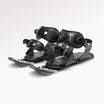
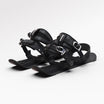
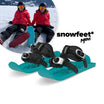
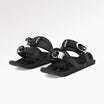
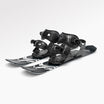
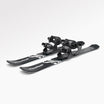
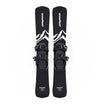
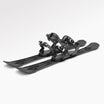
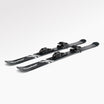
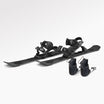
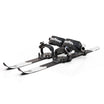
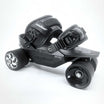
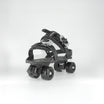
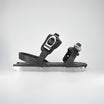
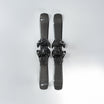
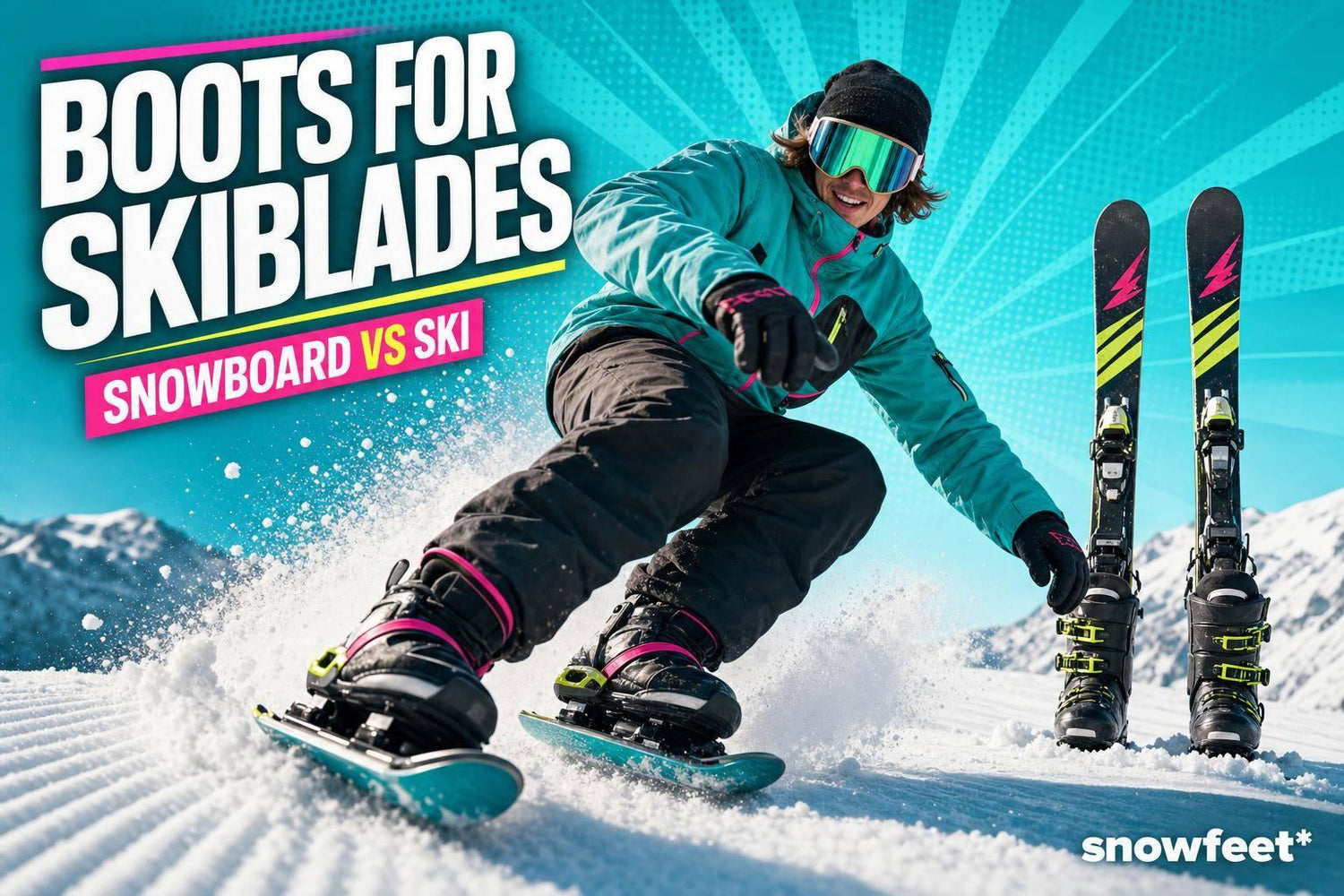
Here’s the short answer: most skiblade riders should use snowboard boots on short Snowfeet* models, and ski boots on longer ones. If you ride 44 cm, 50 cm, or 65 cm models, snowboard boots usually feel better and are easier to live with all day. If you ride 99 cm or 120 cm models, ski boots usually give you better edge hold and more control.
So, I’d break it down like this:
- Pick snowboard boots for comfort, easy walking, park laps, travel, and casual riding
- Pick ski boots for carving, firmer snow, and more speed
- Match the binding to the boot - no mixing here
- Short models lean snowboard boot
- Longer models lean ski boot
One thing matters more than anything else: the boot must fit the binding system. Standard alpine ski bindings won’t take snowboard boots. That alone cuts out half the guessing.
About 60% of the Snowfeet* lineup in this guide - 3 out of 5 models - leans toward snowboard boots. That’s a big clue for most riders. Comfort wins a lot of days on the mountain :)
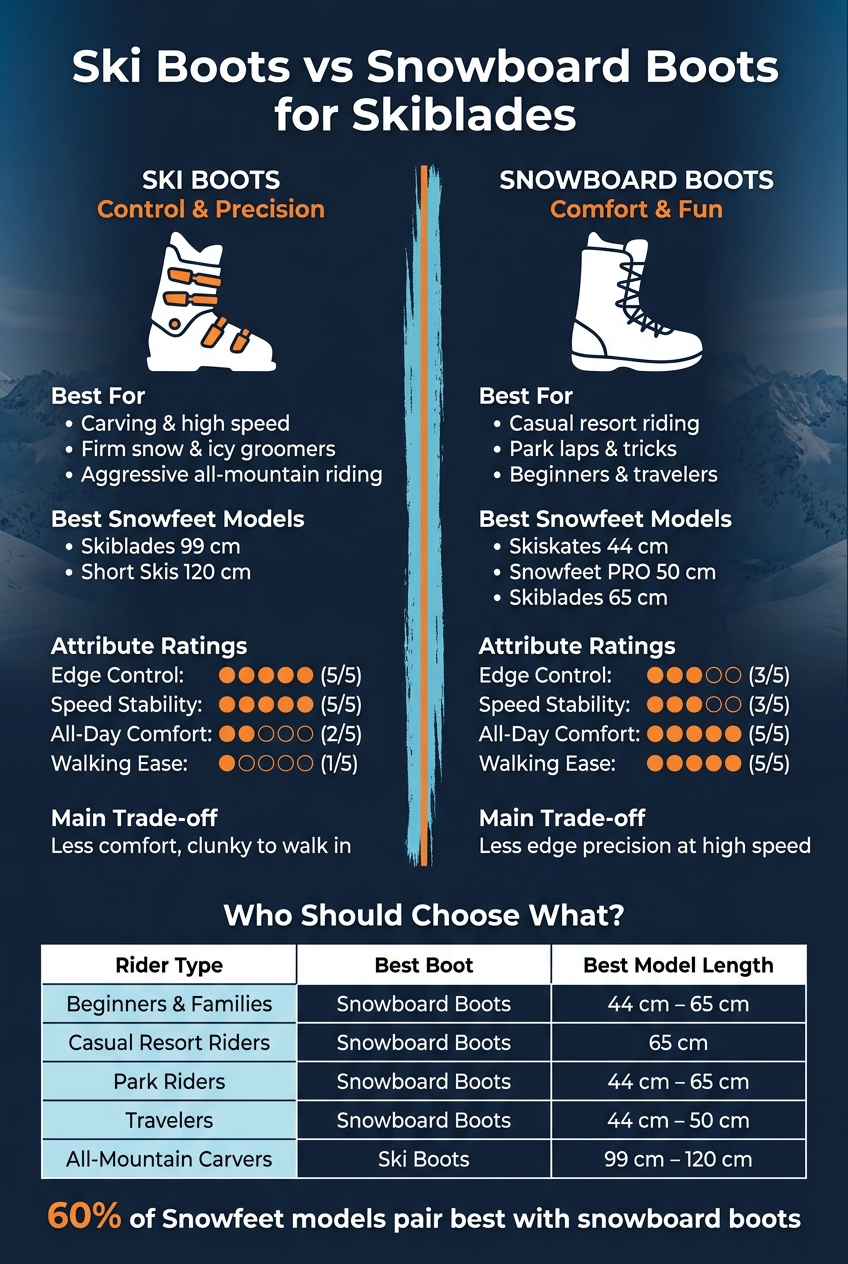
Ski Boots vs Snowboard Boots for Skiblades: Quick Decision Guide
Bindings for Short Skis | All You Need to Know
Quick Comparison
| Boot type | Best for | Best Snowfeet* lengths | Feel on snow | Walking | Main trade-off |
|---|---|---|---|---|---|
| Ski boots | Carving, speed, firm snow | 99 cm, 120 cm | Direct and precise | Clunky | Less comfort |
| Snowboard boots | Casual riding, tricks, travel, beginners | 44 cm, 50 cm, 65 cm | Softer and more forgiving | Easy | Less edge precision |
If I wanted the simple version, I’d say this: go snowboard boots for fun and comfort, go ski boots for control and carving. That’s the whole decision in one line.
1. How Ski Boots and Snowboard Boots Feel Different on Snow
Boot choice changes how a skiblade feels on snow. It affects edge feel, control, and how tired your feet get by the end of the day.
Ski boots: stiffer, more precise, more direct
Ski boots are rigid, so power goes straight from your leg into the blade. Small movements show up fast. That gives you a locked-in feel, sharp edge control, and strong stability when you pick up speed.
The downside? Comfort takes a hit. Ski boots are awkward to walk in, they can feel harsh after a few hours, and if your foot sits a bit off, you'll notice it fast. Great for control. Not so great for hanging out in the lodge line :)
Snowboard boots: softer, more comfortable for all-day use
Snowboard boots flex at the ankle, so they feel softer and more forgiving on snow. That extra flex helps cut down foot fatigue, makes walking way easier, and lets you move in a more natural way.
The trade-off is simple: you lose some direct feel between your body and the blade. So, you won't get the same level of precision as with ski boots. For a lot of riders, that's not a problem at all. In fact, it's part of the appeal. The softer feel can make quick, playful riding more fun and less demanding.
Snowboard boots lean toward comfort and flex. Ski boots lean toward control.
| Ski Boots | Snowboard Boots | |
|---|---|---|
| Feel on snow | Stiff, precise, ski-like | Soft, flexible |
| Edge control | Maximum - great for carving | Moderate - more forgiving |
| Speed stability | High | Moderate |
| Walking ease | Awkward | Easy and natural |
| All-day comfort | Lower | Higher |
| Best fit | Aggressive carving, high speed | Tricks, casual slopes, beginners |
That difference in feel matters even more when you pair the boot with the right Snowfeet* length.
2. How Each Boot Type Performs on Snowfeet* Models
On Snowfeet*, your boot choice should match the model length and how you like to ride. That’s the big idea across the whole lineup.
Why ski boots work best on 99 cm and 120 cm skiblades
On the Snowfeet* Skiblades 99 cm and Short Skis 120 cm, ski boots are the better pick. These longer models ride more like compact skis, so they respond best to the same direct input skiers expect from alpine gear.
The stiff shell of a ski boot gives you sharper edge control and more stability as speed picks up. In plain English: your turns feel more precise, the ride feels steadier on firm snow, and the whole setup feels closer to alpine skiing - just shorter, lighter, and more nimble.
With shorter Snowfeet* models, that priority shifts. Instead of max control, comfort and easy movement start to matter more.
Why snowboard boots work best on 44 cm, 50 cm, and 65 cm models
On the shorter side of the lineup - the Skiskates 44 cm, Snowfeet PRO 50 cm, and Skiblades 65 cm - snowboard boots make more sense. These are the most skate-like and travel-friendly models Snowfeet* makes, and snowboard boots match that feel well.
They give you more comfort and more freedom to move, which fits the quick, playful ride of these shorter models. That’s a nice match for park laps, casual cruising, and that fun skating-style feel.
There is a trade-off, though. On steep firm snow or icy groomers, snowboard boots give you less direct edge feel. So, if you want every little movement to hit the ski fast, ski boots still win. But for the way these shorter models are meant to be used, that trade usually isn’t a dealbreaker.
That’s why these setups work so well for casual riders, park laps, and easy travel days - kind of a grab-and-go snow setup, which is hard not to like :)
| Snowfeet* Model | Best Boot | Control | Comfort | Walking Ease |
|---|---|---|---|---|
| Skiskates 44 cm | Snowboard boots | Moderate | High | Easy |
| Snowfeet PRO 50 cm | Snowboard boots | Moderate | High | Easy |
| Skiblades 65 cm | Snowboard boots | Moderate | High | Easy |
| Skiblades 99 cm | Ski boots | High | Less comfortable | Harder to walk in |
| Short Skis 120 cm | Ski boots | Maximum | Less comfortable | Harder to walk in |
sbb-itb-17ade95
3. Which Boot Fits Your Riding Style
If the model length already trimmed your options, riding style is what usually makes the final pick. Once you’ve matched the model, the better boot comes down to how you ride. And, yeah, most riders end up leaning one way or the other.
Beginners, families, and casual resort riders
For beginners and casual riders, the big trade-off is simple: comfort vs. control. Snowboard boots are usually the easier starting point. They feel more forgiving on snow, and the softer flex helps a lot when you’re still getting the hang of things.
That comfort-first setup is a big reason snowboard boots work so well for most casual riders using shorter Snowfeet* models.
That said, if you already ski, ski boots can feel more natural on the 120 cm Short Skis. You get that familiar alpine feel right away, which can make the switch feel smoother.
Park riders and travelers
For freestyle and travel setups, the trade-off shifts. Here, it’s more about freedom of movement than razor-sharp precision. Park riders tend to get more from snowboard boots on the 44 cm Skiskates, 50 cm Snowfeet PRO, or 65 cm Skiblades. The softer boot makes jumps, spins, and those split-second tweaks much easier.
Travelers should stick with the 44 cm and 50 cm models. They’re compact, easy to pack, and a lot less of a headache when you’re on the move.
| Rider Type | Preferred Boot | Ideal Snowfeet* Length | Main Reason |
|---|---|---|---|
| Beginners & Families | Snowboard boots | 44 cm–65 cm | Forgiving, comfortable, easy to learn on |
| Casual Resort Riders | Snowboard boots | 65 cm | Comfortable for all-day use |
| Park Riders | Snowboard boots | 44 cm–65 cm | Better for tricks and quick movement |
| Travelers | Snowboard boots | 44 cm–50 cm | Compact and easy to pack |
| All-Mountain Carvers | Ski boots | 99 cm–120 cm | Precision and stability at speed |
Next, the boot only works if the bindings match it.
4. Binding Compatibility, Setup, and Buying Considerations
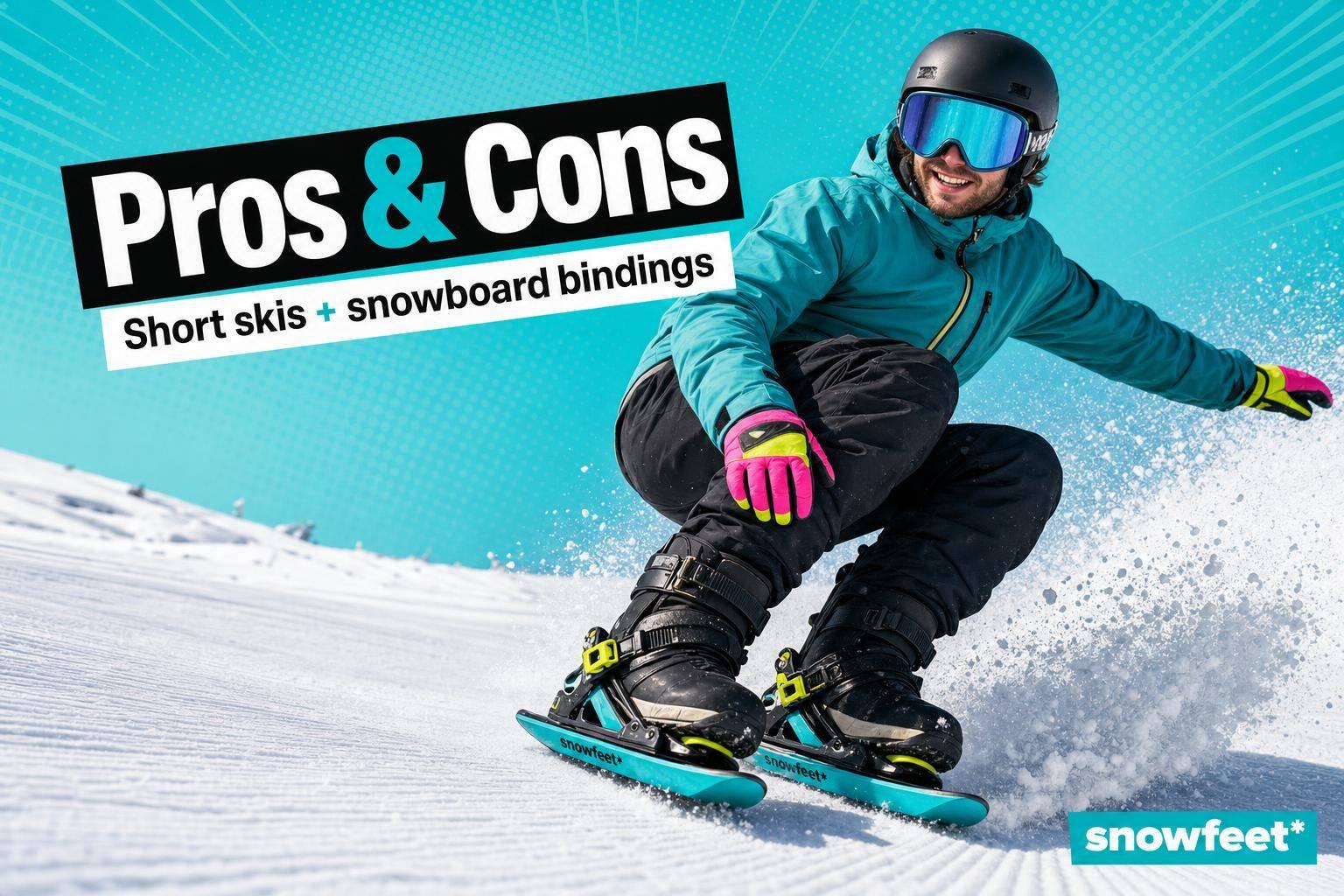
Boots and bindings need to match. Ski boots go with ski bindings. Snowboard boots go with snowboard-style bindings. Simple rule, big deal.
How to match boots and bindings correctly
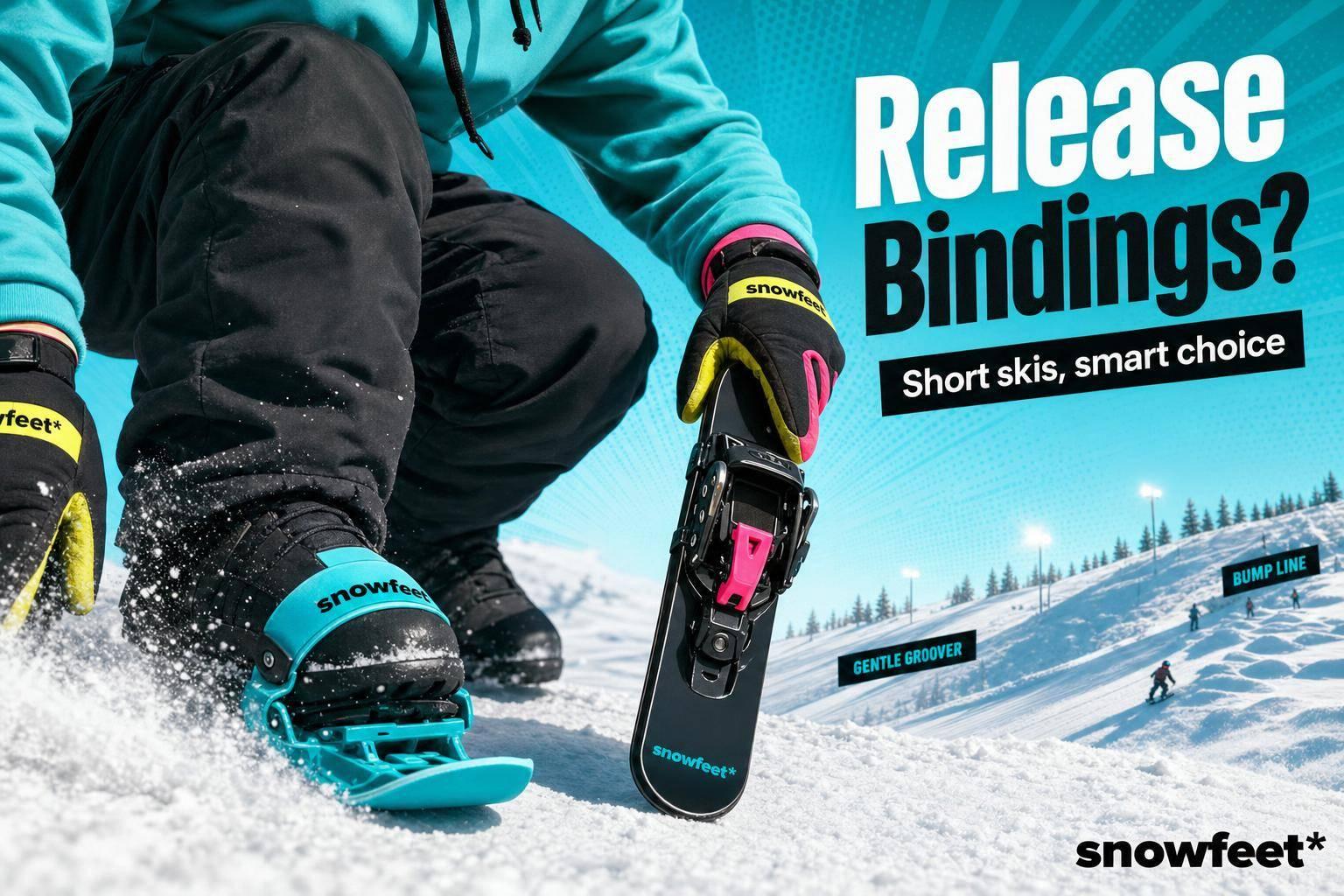
Snowfeet* asks you to pick the binding type when you buy. If you ride in ski boots, the 99 cm and 120 cm models use release bindings. Shorter skiblades use non-release bindings. If you ride in snowboard boots, you’ll use snowboard-style bindings. Snowfeet* makes those bindings tool-free and adjustable across boot sizes, which is nice when you just want to get out there and ride instead of fiddling with gear in the cold. Non-release bindings should be used with safety leashes.
This matters most with Snowfeet* because the longer 99 cm and 120 cm models tend to fit the ski-boot setup better, while the shorter 44 cm, 50 cm, and 65 cm models tend to fit the snowboard-boot setup better.
| Boot Type | Binding Requirement | Setup Complexity | Convenience |
|---|---|---|---|
| Ski Boots | Ski bindings: release or non-release | Moderate; requires adjustment for blade length | Low; stiff boots are hard to walk in |
| Snowboard Boots | Snowboard-specific bindings | Low; tool-free strap adjustment | High; comfortable all day, easy to walk |
Cost, portability, and gear overlap
If you already own snowboard boots, a snowboard-binding setup is the easiest place to start. You won’t need to buy extra footwear, which can save money. And around the resort, snowboard boots are just easier to live with. You can walk in them without that stiff, clunky ski-boot shuffle. Huge plus.
No matter which setup you choose, Snowfeet* models are small enough to pack and carry with ease. Compared with a standard ski setup, there’s a lot less gear to drag around.
Once compatibility is sorted out, it comes down to comfort vs. control. That’s the last piece before you pick the boot type that fits how you like to ride.
5. Final Recommendation: The Best Boot Choice for Most Skiblade Riders
Now that boot and binding match is clear, the last call is simple: comfort vs. control.
Bottom line: snowboard boots are the best pick for most skiblade riders. They pair best with the shorter Snowfeet* models.
Choose snowboard boots if comfort and fun come first
If you're new, riding casually at the resort, or just want to have fun without turning gear setup into homework, go with snowboard boots. They work best with the Snowfeet* Skiskates 44 cm, Snowfeet PRO 50 cm, and Skiblades 65 cm.
Why do most riders like them? Easy. Snowboard boots give you the comfort and side-to-side support that casual skiblading usually calls for. They feel less stiff, less fussy, and more relaxed on the mountain.
That’s the split in plain English: snowboard boots lean toward comfort and playful riding; ski boots lean toward precision and speed.
Choose ski boots if control and carving matter most
If you're a strong skier and want to ride harder, carve cleaner, and ski at higher speeds, ski boots make more sense. Yeah, you give up some comfort. But you get more direct response back.
They’re the better fit for the Snowfeet* Skiblades 99 cm and 120 cm, where edge control and stronger input matter more. If you want a direct, aggressive carving feel, this is the move.
Snowfeet* is still easier to learn, carry, and use than conventional long skis, no matter which boot you choose.
FAQs
Can I use snowboard boots on 99 cm skiblades?
Yes - if your 99 cm skiblades have Snowfeet snowboard-style bindings.
These bindings use a secure two-strap system made for snowboard boots. That means you get more comfort and better side-to-side support than you would with standard ski boots.
Before you buy, check that your 99 cm model is set up for snowboard boots. They won’t work with standard release ski bindings.
Snowfeet snowboard bindings fit U.S. sizes 6–14.5.
Are snowboard boots good enough for icy conditions?
Yes - for casual riders, but there are trade-offs.
Snowboard boots are easier on your feet and way nicer to walk in. That’s the big win. But they have a softer flex and a wider shape, so edge-to-edge turns can feel less sharp than they do in stiff ski boots.
They also put you a bit higher up, which shifts your center of gravity. On fast runs or icy snow, that can make you feel less stable.
If you want better ride feel, use Snowfeet models built for snowboard-style bindings. Adjustable risers can also help you keep better edge control.
Which boot setup is best for first-time riders?
For first-time riders, Snowfeet short skis with snowboard boots* are the best setup. They feel more comfortable and easier to get used to than standard alpine ski boots.
Soft snowboard boots let you move in a more natural way. They’re also a lot easier to walk in when you’re off the slope. Pair them with Snowfeet*’s simple, easy-to-use bindings, and you get a light, portable, fun setup that’s great for beginners.











اترك تعليقًا
This site is protected by hCaptcha and the hCaptcha Privacy Policy and Terms of Service apply.