



















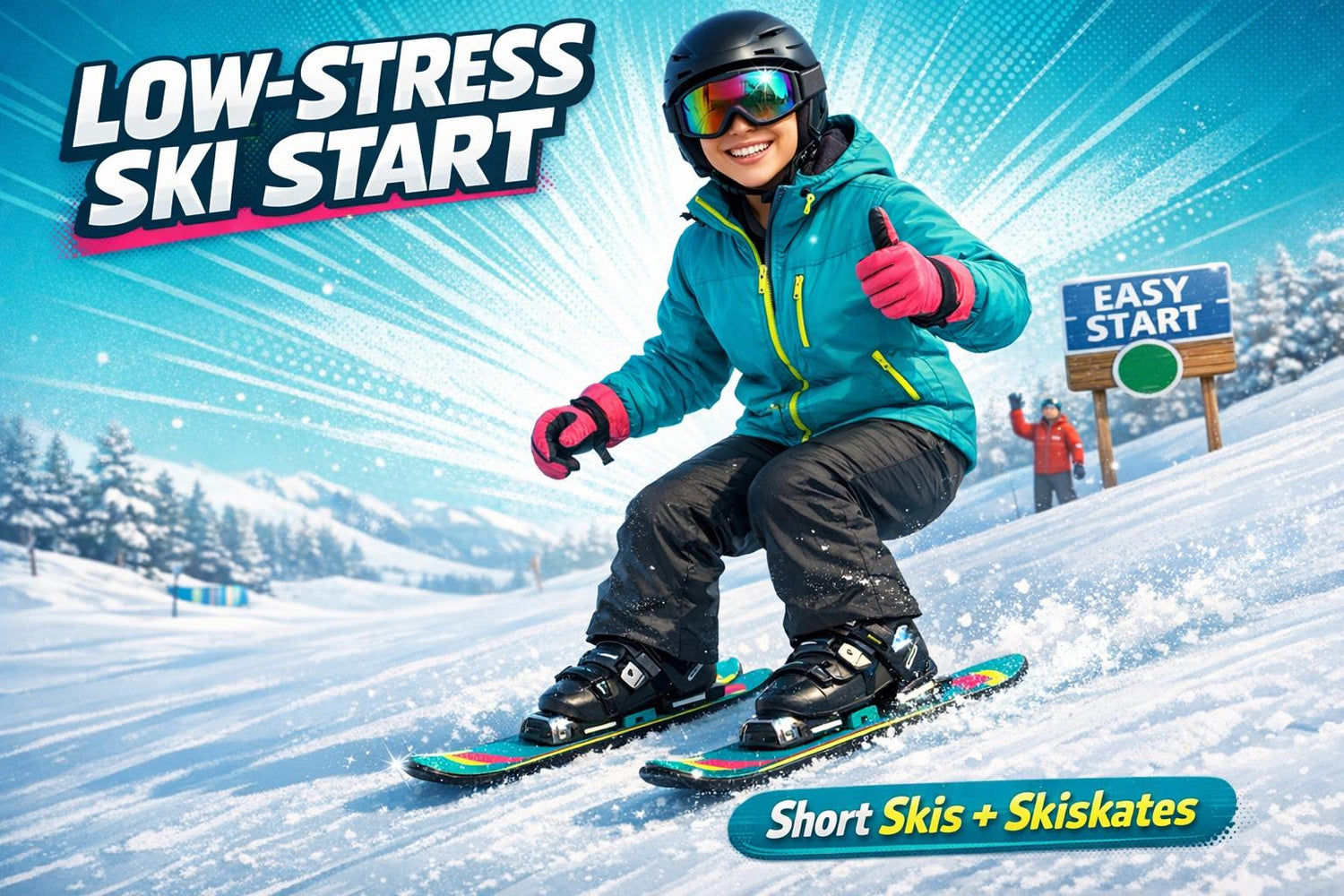
Trying skiing for the first time doesn’t have to feel overwhelming. If bulky gear and steep slopes have you nervous, there’s a simpler way to start. Snowfeet* short skis and skiskates are compact, lightweight, and beginner-friendly. They make it easier to learn, turn, and stop without the hassle of full-length skis. Bonus: they even fit in your backpack!
Here’s why they’re perfect for first-timers:
- Shorter skis = less intimidating. Easier to control, less likely to cross tips, and forgiving for beginners.
- Use your own boots. No need for expensive ski boots - just strap them onto your winter or snowboard boots.
- Affordable and portable. Starting at $250, they’re a cost-effective way to test the slopes.
Want to keep things fun and stress-free? Start on a quiet weekday, stick to gentle green runs, and take breaks often. Whether you’re gliding 15 feet or making your first turn, these small wins add up fast. Snowfeet* gear is all about making skiing approachable and enjoyable for anyone.
So, grab your gear, find a mellow slope, and give skiing a shot - no pressure, just fun.
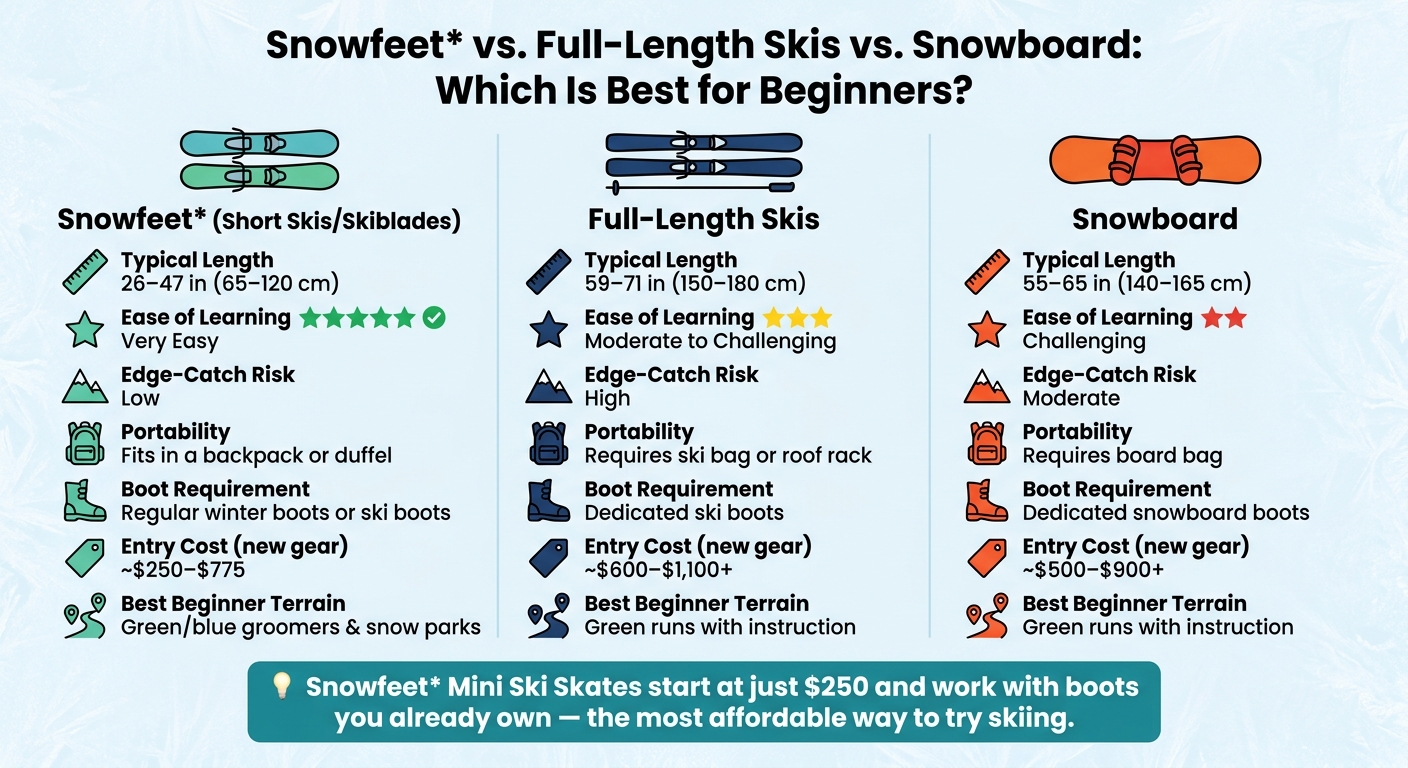
Snowfeet vs. Full-Length Skis vs. Snowboard: Beginner Gear Comparison
How to Ski | 10 Beginner Skills for the First Day Skiing
How to Prepare for Your First Skiing Session
A little planning goes a long way when it comes to your first day on the slopes. With the right prep, you can enjoy the fun and ease of using Snowfeet* short skis and skiskates on beginner-friendly terrain.
Pick the Right Spot and Time
When it comes to skiing, timing can make or break your experience. Try scheduling your trip for a Tuesday, Wednesday, or Thursday - midweek slopes tend to be much quieter. Fewer people mean more space to practice and less stress. For the best snow conditions, plan your visit in January or February, as these months typically offer the most reliable coverage at U.S. resorts. And here’s a pro tip: steer clear of holiday weekends to keep things calm and enjoyable.
"Less crowded slopes usually lead to better learning experiences." - Angel Fire Resort
Stick to green runs, which are perfect for beginners. Before heading out, check the weather and snow conditions using tools like OpenSnow or your resort's live webcam.
Basic Safety Tips to Keep in Mind
Safety should always come first. Make sure your rental package includes a helmet - it’s a must for anyone new to the slopes. Another often-overlooked tip: wear sunscreen, even if it’s cloudy. Snow reflects UV rays, so you can still get sunburned on overcast days.
Booking lift tickets and rentals online ahead of time can save you some serious cash. Resorts often offer discounts - up to 10% off single-day tickets and over 30% off multi-day passes. Some places, like Whitefish Mountain Resort, even provide beginner-friendly packages that bundle lessons, rentals, and lift tickets into one convenient deal.
Set Realistic Expectations
Don’t expect to conquer the mountain on day one, and that’s okay! Most beginners can confidently handle green runs after just a day or two of practice and instruction. Take it slow, focus on building your skills, and remember to take breaks. Fatigue can sneak up on you, and staying rested helps you stay confident.
"Success is not about speed or difficulty. It's about learning, enjoying the experience, and wanting to come back." - Angel Fire Resort
Choosing the Right Beginner Gear: Snowfeet* Short Skis and Skiskates
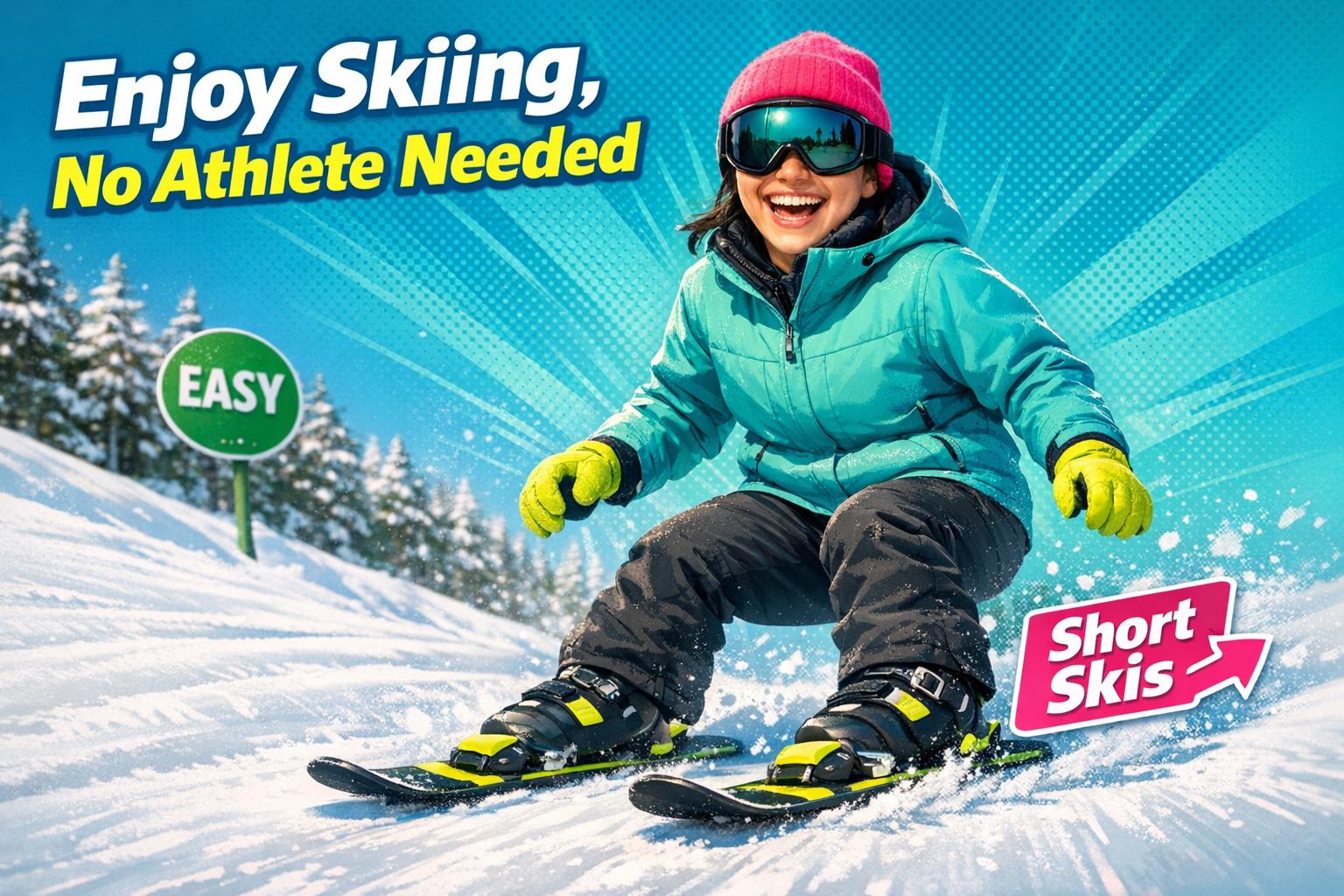
Once you've picked your slope and set realistic goals, the next step is gearing up. Here's why Snowfeet* gear can make learning to ski a smoother experience for beginners.
Why Short Skis Are Easier to Learn On
Full-length skis - usually 59–71 inches long for adults - can be tricky for beginners. Their length increases the chances of crossing ski tips, catching edges, or being pulled into turns you didn’t intend. Short skis, on the other hand, are much more forgiving. They’re easier to turn, stop, and balance on, even if your technique isn’t perfect. This makes them a great choice for anyone starting out and looking for a stress-free way to learn.
Snowfeet* Gear Options for Beginners
Snowfeet* offers three beginner-friendly options, each catering to different needs. Here’s a quick breakdown of what they offer:
| Product | Length | Boot Compatibility | Best For | Price (from) |
|---|---|---|---|---|
| Snowfeet* Mini Ski Skates | ~15 in (38–50 cm) | Regular winter boots | Gentle slopes, snow parks, casual fun | $250 |
| Snowfeet* Skiblades | ~26 in (65 cm) | Ski boots or snowboard boots | Groomed green/blue resort runs | $635 |
| Snowfeet* Short Skis | ~47 in (120 cm) | Ski boots | Green/blue groomers, light powder | $775 |
Mini Ski Skates are the easiest to carry - they can fit in your backpack and attach to regular winter boots. They’re perfect for sliding around on small hills or beginner areas at resorts, especially if you’ve done inline skating or ice skating before.
Skiblades (26 inches) are a solid middle ground for beginners heading to resorts. They’re short enough to make turning feel effortless but stable enough to give you a ski-like experience. If you’re a bit nervous about your form, these are a confidence booster.
Short Skis (47 inches) get you closer to the feel of traditional skiing but are much easier to manage than full-length skis. They’re great for green and blue runs, offering better edge control at moderate speeds. If you’re planning to ski often or progress quickly, these are a smart pick.
Snowfeet* vs. Full-Length Skis and Snowboards
Let’s compare Snowfeet* gear to traditional skis and snowboards to see why they’re a beginner’s best friend:
| Feature | Snowfeet* (Short Skis/Skiblades) | Full-Length Skis | Snowboard |
|---|---|---|---|
| Typical Length | 26–47 in (65–120 cm) | 59–71 in (150–180 cm) | 55–65 in (140–165 cm) |
| Ease of Learning | Very easy | Moderate to challenging | Challenging |
| Edge-Catch Risk | Low | High | Moderate |
| Portability | Fits in a duffel or backpack | Requires ski bag or roof rack | Requires board bag |
| Boot Requirement | Winter boots or ski boots | Dedicated ski boots | Dedicated snowboard boots |
| Entry Cost (new gear) | ~$250–$775 | ~$600–$1,100+ (skis + boots) | ~$500–$900+ (board + boots) |
| Best Beginner Terrain | Green/blue groomers, snow parks | Green runs with instruction | Green runs with instruction |
The price difference is a big deal. A full ski setup - skis, bindings, and boots - can cost $600 to $1,100 or more. Snowfeet* Mini Ski Skates, starting at $250, work with boots you might already own. That makes them a much less expensive way to dip your toes into skiing without feeling overwhelmed.
sbb-itb-17ade95
Step-by-Step Guide to Your First Snowfeet* Session
Getting Used to Snow Under Your Feet
Spend about 15–20 minutes on flat ground to get comfortable. Start by strapping in one foot at a time, making sure your boot is centered so both the ball of your foot and heel are evenly supported. Tighten the straps snugly, starting at the bottom and working your way up, ensuring there’s no wobble. Once both feet are secured, stand with your feet hip-width apart, knees slightly bent, and hands relaxed in front of you. Think of it like the ready stance in basketball.
Next, focus on getting a feel for the skis. Gently shift your weight from one foot to the other without lifting the skis off the snow. Try a few side-steps to get a sense of how the edges grip. Then, push off lightly with one foot and glide forward a few feet before stepping to a stop. Most beginners spend about 15–30 minutes on this flat-ground practice before feeling ready to tackle even a small slope - and that’s totally fine.
Learning the Basic Moves
Once you’re steady on flat ground, move to a very gentle slope - no more than 20–30 yards long - where you can glide naturally without gaining too much speed. Keep your weight slightly forward so your shins press gently against the front of your boots. Avoid leaning back, as it’s the quickest way to lose control.
To stop, practice the snowplow (pizza) technique: angle your toes slightly inward while pushing your heels outward, pressing the inside edges of your skis into the snow. Since Snowfeet* gear is shorter than traditional skis, it responds quickly to even slight edge pressure. This means you don’t need big, dramatic movements to slow down. Glide, form a wedge, and stop repeatedly until it becomes second nature.
When stopping feels natural, start practicing gentle turns. Shift your weight to the outside foot in the direction you want to go, letting your knees and toes point that way. With short skis, even small movements can create quick pivots, so keep it subtle. If you can manage one smooth, controlled turn on your first day, that’s a big win.
How to End Your First Day on a High Note
After nailing the basics, wrap up your session while you’re still feeling good. Aim for a total session of 1.5–2 hours, broken into 15–20 minute intervals with 5–10 minute breaks in between. During breaks, step inside to warm up, drink some water, and give your legs a rest. Short skis engage your thighs and ankles in ways walking doesn’t, so fatigue can sneak up on you faster than you’d think.
The golden rule for your first day: stop while you’re still smiling. If you’ve managed to glide, stop, and make a couple of easy turns, you’ve had a successful first session. Ending on a positive note, instead of pushing yourself to the point of exhaustion or frustration, aligns perfectly with Snowfeet*’s low-stress, fun-first approach. It’s what keeps you excited to come back for more.
What Comes Next: Moving Forward with Snowfeet*
Build Confidence at Your Own Pace
Once you can reliably stop and link a few turns on a gentle green run, stick with it until it feels second nature. Then, step it up by trying a longer green run or one with a slight curve. After that, you’ll be ready for a mellow blue run. The beauty of Snowfeet* gear is that it’s designed to grow with you, so there’s no need to switch equipment as you improve. Each step builds on the last, giving you the control and confidence to keep progressing.
As you get more comfortable, check out the different Snowfeet* models that cater to various skill levels.
Try Other Snowfeet* Models as You Improve
Snowfeet* gear is all about flexibility, letting you upgrade as your skills evolve. Start with the Snowfeet Skiskates ($250) to master the basics of balance and control. Once you're ready, move up to Skiblades at 65 CM ($635) for added stability. Feeling adventurous? Try the 99 CM or 120 CM models ($675–$775) for a more classic carving experience while still keeping things manageable.
"I had a lot of fun with the 99s. They are easier to turn than skis." - MindySue
The difference between these options isn’t just about size - it’s about the overall feel. Skiskates are nimble and playful, perfect for mastering the fundamentals. Skiblades strike a balance, adding more speed control as you progress. The longer models, like the 99 CM or 120 CM, give you that smooth, all-mountain carving vibe while still staying easy to handle. It’s this versatility that makes Snowfeet* stand out from traditional ski gear.
Thinking About Full-Length Skis or Snowboards Later On
The skills you develop with Snowfeet* - edge control, weight shifting, and reading the slope - translate seamlessly to full-length skis and, to some extent, snowboards. But here’s the thing: many riders who only hit the slopes a few days a year stick with Snowfeet*. Why? Because they’re fun, portable, and simple to use, without the hassle of a full ski setup. It’s all about enjoying the ride without overcomplicating things.
Conclusion: Start Skiing the Easy Way
Skiing doesn’t have to be overwhelming or expensive - especially if it’s your first time. With Snowfeet* gear, you can skip the crowds and head to a quiet local slope. Just clip into short skis or Skiskates, and enjoy a laid-back day on the snow. No pressure, no goals to hit, and no long rental lines to deal with.
It’s all about keeping things simple: start small, stay comfortable, and have fun. Choose an easy beginner slope, wear your own winter or snowboard boots, and enjoy the day like you would any casual winter outing. The key is to focus on finding your balance and enjoying the experience.
What makes Snowfeet* such a great option for beginners is how it removes so many of the usual barriers. The gear is lightweight, easy to carry, and forgiving at slower speeds - perfect for anyone starting out. Plus, it’s a lot less hassle compared to renting traditional ski equipment, which can cost $50–$70 per day at many U.S. resorts. Snowfeet* makes it easier to dive into skiing without the big upfront commitment.
Once you’ve got the hang of it and your confidence grows, you’ll be ready to take on more snow adventures. The skills you pick up with Snowfeet* gear can set you up for any future upgrades.
So, find a quiet slope, clip into your Snowfeet* gear, and enjoy a carefree day in the snow. It’s that easy to get started.
FAQs
Which Snowfeet* model should I start with?
For those just starting out, choosing the right Snowfeet* model depends on what you're aiming for and how comfortable you feel on the snow:
- Mini Ski Skates (38 cm): These are super light and perfect for flat areas or bunny slopes. They give you a feel similar to skating.
- Skiblades (65 cm): A bit longer, these offer more stability and are great for building confidence on green runs. Their forgiving design helps minimize falls.
- Skiskates (44 cm): These are nimble and versatile, making them a great pick if you’ve got experience with inline skating or hockey.
All of these options are easier to pick up than traditional skiing, so you’ll be gliding in no time!
Do resorts allow Snowfeet* on chairlifts and runs?
Absolutely! Snowfeet* are built with resort use in mind. They come with steel edges that provide excellent grip on groomed snow, and their bases are tailored for typical resort conditions.
What sets them apart from traditional skis is their compact and lightweight design, which makes them super convenient to carry - especially on chairlifts. Plus, you don’t need special boots. Just strap them onto your own comfy winter or snowboard boots, and you’re good to go. Walking around the resort? Way easier than clunking around in standard ski boots!
What boots and safety gear do I need?
Unlike regular skiing, where you're stuck with expensive, stiff boots, Snowfeet* lets you use your own sturdy, waterproof winter or snowboard boots. That means less hassle and more savings.
For safety, make sure to gear up with a MIPS-certified helmet to lower the risk of head injuries, anti-fog goggles to keep your vision clear, and thermal layers that wick away moisture paired with waterproof outerwear. This setup is lightweight, keeps you cozy, and skips the bulkiness of standard ski gear.











ฝากความคิดเห็น
เว็บไซต์นี้ได้รับการคุ้มครองโดย hCaptcha และมีการนำนโยบายความเป็นส่วนตัวของ hCaptcha และข้อกำหนดในการใช้บริการมาใช้