



















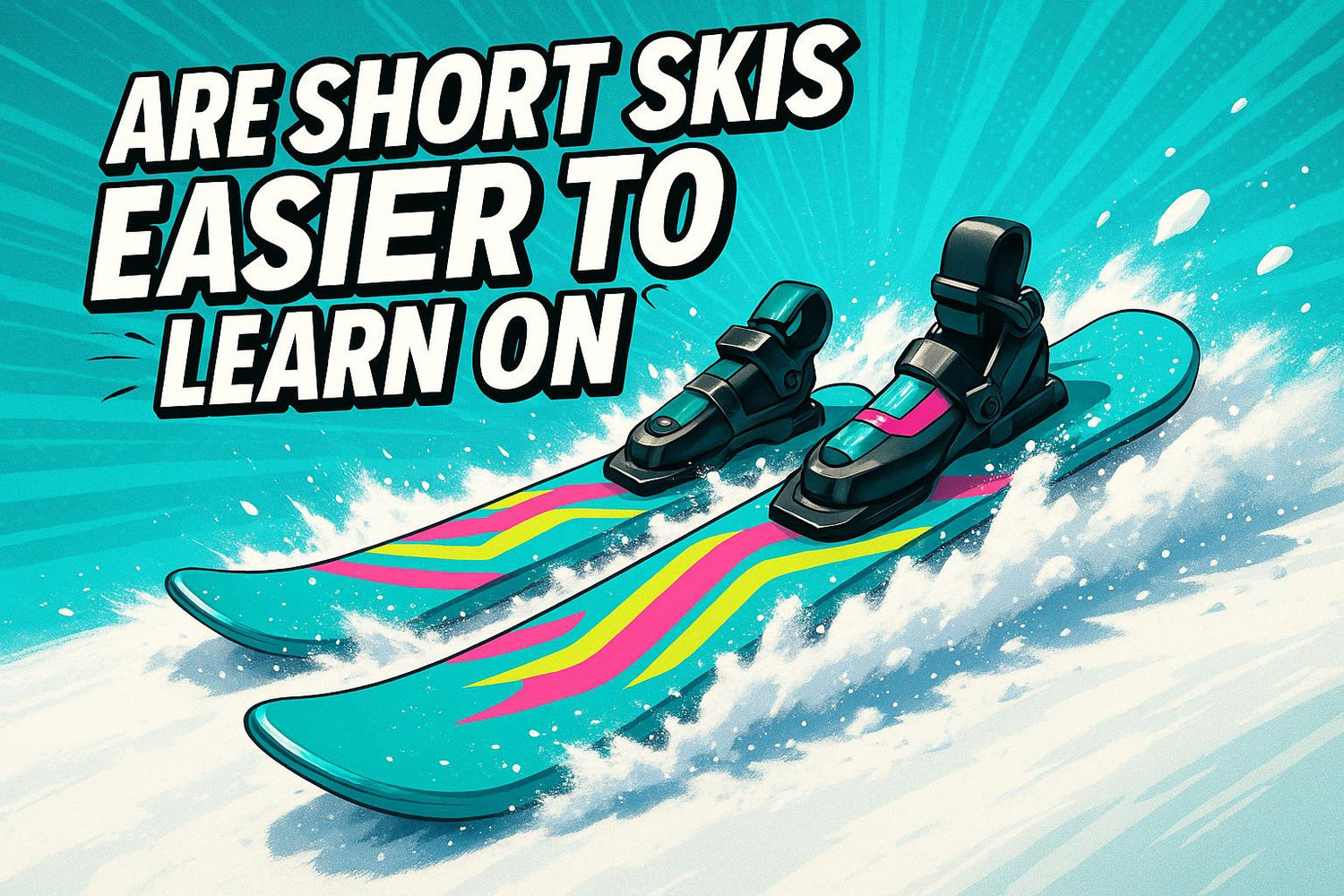
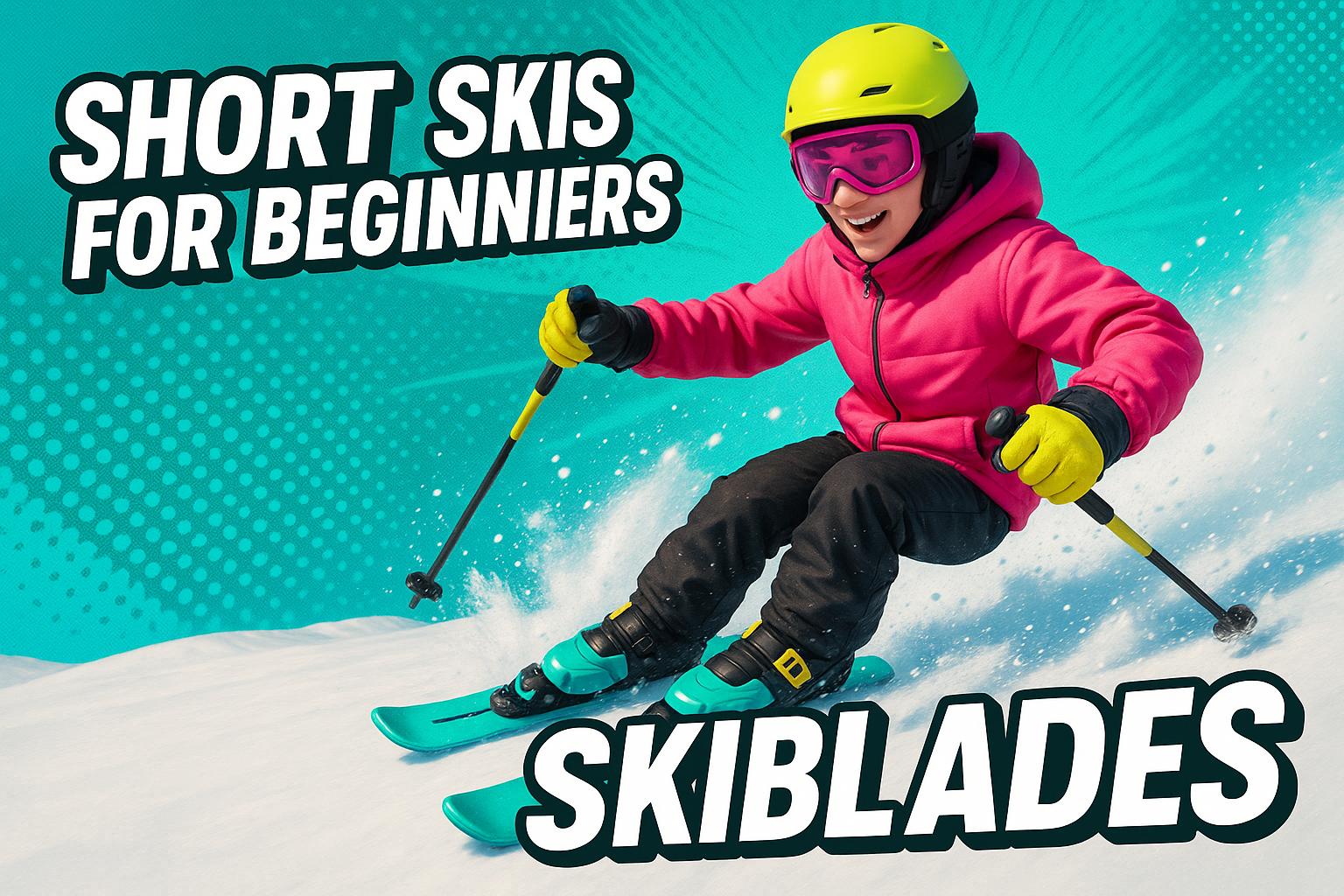
การเรียนรู้การเล่นสกีไม่จำเป็นต้องเป็นเรื่องยาก สกีสั้น เช่น Snowfeet* Skiblades กำลังเปลี่ยนเกมสำหรับผู้เริ่มต้นในปี 2026 ต่างจากสกียาวที่หนัก ควบคุมยาก และน่ากลัว Skiblades มีน้ำหนักเบา จัดการง่าย และให้อภัย ออกแบบมาเพื่อทำให้การเล่นสกีไม่เหนื่อยและสนุกตั้งแต่วันแรกเลยทีเดียว
นี่คือเหตุผลที่ skiblades เหมาะสำหรับผู้เริ่มต้น:
- น้ำหนักเบาและพกพาสะดวก: พกพาง่ายและเก็บสะดวก ใส่ในกระเป๋าเป้ได้สบายๆ
- ควบคุมง่าย: การเลี้ยวอย่างรวดเร็วและการเคลื่อนไหวที่ตอบสนองช่วยสร้างความมั่นใจได้อย่างรวดเร็ว
- ขนาดที่เหมาะกับผู้เริ่มต้น: มีตัวเลือกตั้งแต่ skiblades ขนาดกะทัดรัด 25 นิ้ว ไปจนถึง สกีสั้น 47 นิ้ว
ไม่ว่าคุณจะกำลังลุยบนเนินสำหรับผู้เริ่มต้นที่แออัดหรือผจญภัยในภูมิประเทศหลากหลาย Skiblades ช่วยให้คุณเรียนรู้ได้เร็วขึ้นและสนุกกับกระบวนการมากขึ้น พร้อมที่จะทิ้งความเทอะทะและลองอะไรที่ง่ายกว่าหรือยัง? มาดูกันว่า Snowfeet* Skiblades จะเปลี่ยนประสบการณ์การเล่นสกีของคุณได้อย่างไร
นักสโนว์บอร์ดลอง Snowfeet* | สกีสั้น Snowfeet* แบบไหนดีที่สุด? | รีวิว Snowblades 44, 65, 99
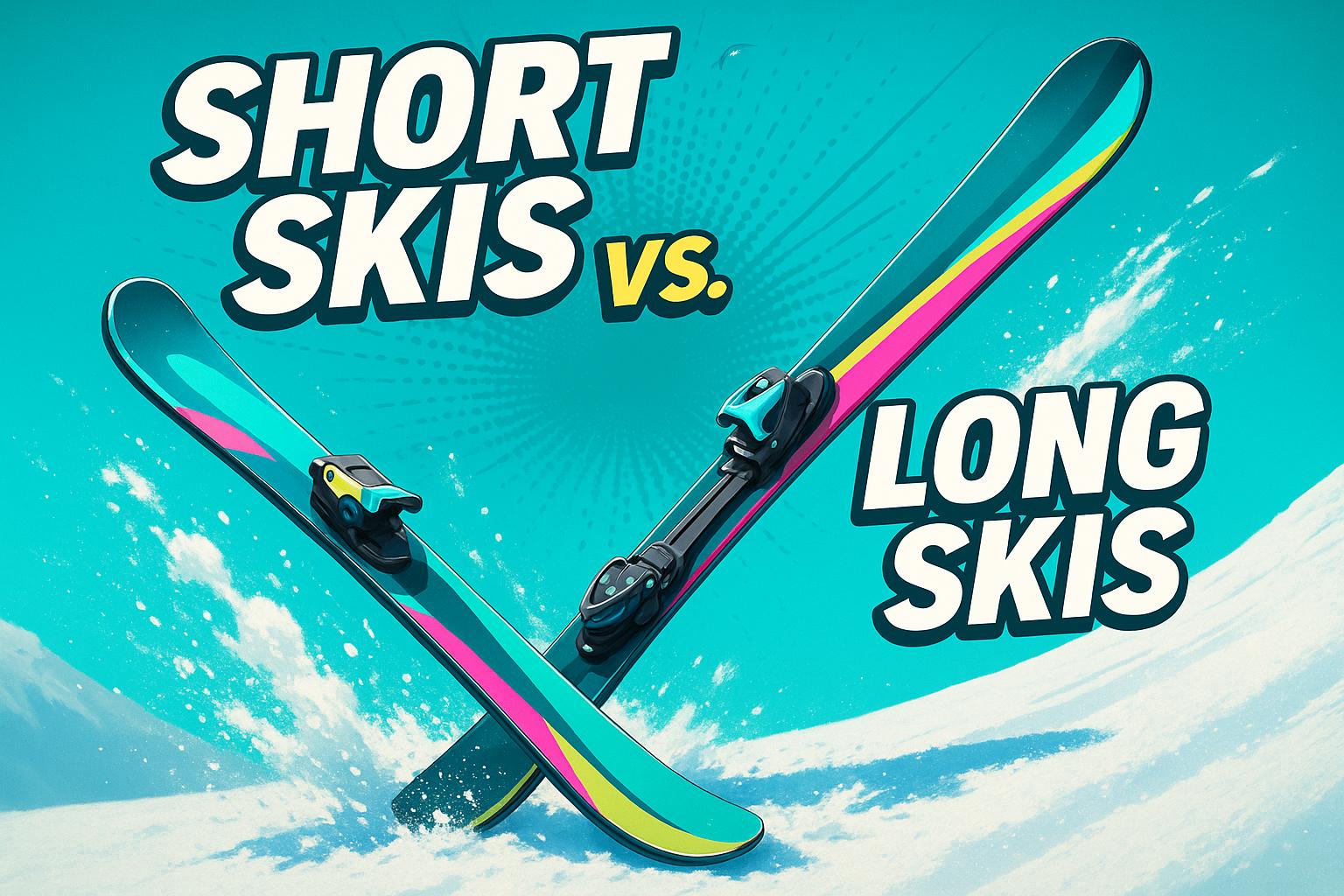
ปัญหา: ทำไมสกียาวถึงยากสำหรับผู้เริ่มต้น
สกียาวแบบดั้งเดิมจากแบรนด์อย่าง Rossignol, Salomon และ K2 อาจดูเรียบหรูและมืออาชีพ แต่สำหรับผู้เริ่มต้น พวกมันกลับเป็นความท้าทายมากกว่าประโยชน์ สกีที่ยาว 5 ถึง 6.5 ฟุตเหล่านี้ถูกออกแบบมาสำหรับนักสกีที่มีประสบการณ์ ทำให้ผู้เริ่มต้นต้องต่อสู้กับอุปกรณ์ที่รู้สึกไม่เป็นมิตร นั่นคือเหตุผลที่ทางเลือกอย่าง Snowfeet* Skiblades กำลังเปลี่ยนเกมสำหรับผู้เริ่มต้น
ความยากลำบากในการควบคุมและเลี้ยว
สกียาวทำให้แม้แต่การเคลื่อนไหวที่ง่ายที่สุดรู้สึกไม่คล่องตัวและเทอะทะ การเลี้ยว เช่น ไม่ใช่แค่การเปลี่ยนน้ำหนักตัว แต่เป็นการเปลี่ยนทิศทางของพื้นผิวที่ยาวและแข็งซึ่งยื่นออกไปไกลกว่าปลายเท้าของคุณ ความยาวที่เพิ่มขึ้นนี้ต้องการแรงกายและความแม่นยำมากกว่าที่ผู้เริ่มต้นส่วนใหญ่มี
ตามที่สมาชิกทีมงาน Snowfeet คนหนึ่งกล่าวไว้:
สกียาวอาจรู้สึกเทอะทะและควบคุมยาก ซึ่งอาจทำให้ผู้เริ่มต้นรู้สึกหงุดหงิด
บนพื้นที่ผสม โดยเฉพาะสภาพแข็งหรือเป็นน้ำแข็ง ความท้าทายจะยิ่งเพิ่มขึ้น สกียาวต้องการการควบคุมขอบที่แม่นยำ และขอบที่ยาวกว่าต้องใช้แรงมากขึ้นในการใช้งานอย่างถูกต้อง การเลี้ยวที่ควรจะง่ายกลับกลายเป็นการออกกำลังกายทางเทคนิค และบนทางลาดชัน ความเสี่ยงก็ยิ่งสูงขึ้น ความผิดพลาดเล็กน้อยอาจทำให้ความเร็วเพิ่มขึ้นโดยไม่ตั้งใจ ทำให้ประสบการณ์นั้นน่ากังวลแทนที่จะสนุก
ความเครียดทางกายและความเหนื่อยล้า
สกีแบบดั้งเดิมไม่เพียงแต่ควบคุมยากเท่านั้น แต่ยังหนักและเทอะทะ การแบกสกียาวกว่า 5 ฟุต ซึ่งแต่ละอันหนักหลายปอนด์ อาจรู้สึกเหมือนการออกกำลังกายก่อนที่คุณจะได้ลงเล่นจริง ๆ ตั้งแต่การลากผ่านล็อดจ์ที่แออัดไปจนถึงการโหลดขึ้นเก้าอี้ลิฟต์ ความเทอะทะของอุปกรณ์สามารถทำให้คุณหมดแรงได้
เมื่อคุณอยู่บนภูเขา ความต้องการทางกายภาพก็ไม่ลดลง ตามที่ทีมงาน Snowfeet กล่าวไว้:
อุปกรณ์หนักอาจทำให้วันแรก ๆ ของการเล่นสกีรู้สึกเหมือนการออกกำลังกาย ในขณะที่สกีบอร์ดมีน้ำหนักเบาพอที่จะให้คุณควบคุมได้เต็มที่โดยไม่ทำให้เหนื่อย
กับสกียาว ทุกการเลี้ยวต้องใช้แรงกล้ามเนื้อมากขึ้น ผู้เริ่มต้นมักจะรู้สึกเหนื่อยล้าจากความพยายามอย่างต่อเนื่องในการควบคุมและแก้ไขความผิดพลาด ความเครียดเพิ่มเติมนี้ไม่เพียงแต่ทำให้คุณเหนื่อยล้า แต่ยังทำลายความมั่นใจของคุณด้วย
ปัญหาความมั่นใจสำหรับนักสกีมือใหม่
ความท้าทายทางกายภาพของสกียาวเป็นเพียงส่วนหนึ่งของปัญหา ขนาดและน้ำหนักของมันยังสามารถทำลายความมั่นใจของผู้เริ่มต้นได้ การจัดการอุปกรณ์ที่เทอะทะอาจทำให้รู้สึกหนักใจ ทำให้ยากขึ้นที่จะเสี่ยงหรือทดลองทักษะใหม่ ๆ ดังที่ทีมงาน Snowfeet อธิบายไว้:
สกียาวอาจทำให้รู้สึกน่ากลัว โดยเฉพาะสำหรับคนที่เพิ่งเริ่มเรียน น้ำหนักที่เบากว่าและขนาดที่เล็กกว่าของสกีบอร์ดช่วยให้คุณรู้สึกไม่หนักใจ ส่งเสริมให้คุณกล้ารับความท้าทายใหม่ ๆ โดยไม่ต้องกลัวว่าจะถูกอุปกรณ์หนัก ๆ ถ่วงไว้
ความกลัวนี้มักนำไปสู่ความลังเล แทนที่จะผลักดันขีดจำกัดและพัฒนา ผู้เริ่มต้นมักจะเล่นอย่างระมัดระวัง เล่นสกีอย่างระแวดระวังและหลีกเลี่ยงความท้าทาย วิธีการระมัดระวังนี้ทำให้ความก้าวหน้าช้าลง เปลี่ยนจากสัปดาห์ของการพัฒนาให้กลายเป็นเดือนของความหงุดหงิด นักสกีใหม่หลายคนติดอยู่ที่เนินสำหรับผู้เริ่มต้น - ไม่ใช่เพราะขาดศักยภาพ แต่เพราะอุปกรณ์ของพวกเขารู้สึกเหมือนเป็นอุปสรรคมากกว่าที่จะเป็นเครื่องมือสำหรับการเติบโต
การผสมผสานระหว่างความเหนื่อยล้าทางกาย ความกลัวทางจิตใจ และความก้าวหน้าช้า สร้างวงจรอุบาทว์ สำหรับผู้เริ่มต้น สกียาวอาจเปลี่ยนกีฬาที่น่าตื่นเต้นให้กลายเป็นการต่อสู้ที่ยากลำบาก
ความยาวสกีส่งผลต่อความเร็วในการเรียนรู้อย่างไร
ความยาวของสกีมีบทบาทสำคัญในการที่คุณจะเรียนรู้การเล่นสกีได้เร็วและมั่นใจแค่ไหน สกีที่สั้นกว่าง่ายต่อการจัดการ ตอบสนองเร็ว และให้อภัยความผิดพลาด ทำให้เป็นตัวเลือกที่ดีสำหรับผู้เริ่มต้น มาดูกันว่าความยาวสกีที่แตกต่างกันจะช่วยให้การเรียนรู้ราบรื่นและสนุกขึ้นได้อย่างไร
สกีสั้น: เลี้ยวเร็ว ก้าวหน้าไว
เมื่อคุณเพิ่งเริ่มต้น ทุกการเลี้ยวคือความท้าทาย ทั้งหมดเกี่ยวกับการหาสมดุลและทำให้กล้ามเนื้อทำงานร่วมกัน สกียาวอาจทำให้เรื่องนี้ยากขึ้นเพราะต้องใช้ความพยายามและความแม่นยำมากขึ้นในการควบคุม ในขณะที่สกีสั้นทำให้ทุกอย่างง่ายขึ้น
ลองดูที่ skiblades เป็นตัวอย่าง รัศมีการเลี้ยวที่เล็กกว่าทำให้คุณไม่ต้องโน้มตัวทั้งตัวเข้าไปในโค้งกว้างๆ การปรับเล็กน้อยจะเปลี่ยนเป็นการเลี้ยวทันที นอกจากนี้ น้ำหนักแกว่งที่ลดลงทำให้ตอบสนองได้ดีมาก ดังนั้นแม้การเคลื่อนไหวเล็กน้อยก็ได้ผลลัพธ์อย่างรวดเร็ว การตอบสนองแบบนี้เปลี่ยนเกมสำหรับผู้เริ่มต้น ช่วยให้คุณสร้างความมั่นใจและปรับสมดุลกับการควบคุมขอบได้เร็วขึ้น
การเปรียบเทียบความยาวสกี
เพื่อเข้าใจผลกระทบของความยาวสกีอย่างแท้จริง มาลองเปรียบเทียบตัวเลือกบางอย่างเคียงข้างกัน สกีสำหรับผู้เริ่มต้นจากแบรนด์อย่าง Head หรือ Volkl มักมีความยาวระหว่าง 5 ถึง 5.5 ฟุต (152–167 ซม.) Snowfeet* มีทางเลือกที่สั้นกว่ามาก ซึ่งให้ข้อได้เปรียบเฉพาะตัวสำหรับนักสกีใหม่
- Snowfeet* Skiblades (65 ซม./25.5 นิ้ว): ตัวเลือกที่กะทัดรัดที่สุด เหมาะสำหรับการเลี้ยวแคบ พื้นที่สำหรับผู้เริ่มต้นที่แออัด และเพิ่มความมั่นใจในการควบคุมขอบ นอกจากนี้ยังน้ำหนักเบาและพกพาง่าย
- Snowfeet* Skiblades (99 ซม./39 นิ้ว): เป็นทางเลือกที่หลากหลายและอยู่ตรงกลาง สกีเหล่านี้สั้นพอสำหรับการเลี้ยวอย่างรวดเร็วแต่ให้ความมั่นคงมากขึ้นที่ความเร็วปานกลาง เหมาะสำหรับผู้เริ่มต้นที่ต้องการก้าวข้ามเนินกระต่ายและรับมือกับสภาพหิมะที่หลากหลาย
- Snowfeet* Short Skis (120 ซม./47 นิ้ว): รุ่นนี้เชื่อมช่องว่างระหว่าง skiblades กับสกีแบบดั้งเดิม พวกมันยังสั้นกว่าสกีสำหรับผู้เริ่มต้นทั่วไป แต่ให้การลอยตัวที่ดีกว่าในหิมะลึกและความมั่นคงมากขึ้นที่ความเร็วสูง - เหมาะสำหรับนักสกีที่กำลังเปลี่ยนจากระดับเริ่มต้นไปสู่ระดับกลาง
ความมั่นคงผ่านการออกแบบขอบ
แม้ว่าสกียาวอาจดูเหมือนให้ความมั่นคงมากกว่า แต่มันไม่ใช่แค่เรื่องความยาว ความมั่นคงยังขึ้นอยู่กับการออกแบบขอบสกี Snowfeet* skiblades มีขอบขั้นสูงที่ทำงานอย่างราบรื่น ให้คุณควบคุมได้โดยไม่รู้สึกหนักใจ - เหมาะสำหรับผู้เริ่มต้น
สกีที่สั้นกว่ายังให้อภัยได้มากกว่า ด้วยสกียาว การติดขอบอาจทำให้คุณเสียสมดุลอย่างมาก แต่กับ skiblades การติดขอบใดๆ ก็แก้ไขได้ง่ายขึ้นเพราะความยาวที่สั้นกว่า นั่นหมายความว่าคุณสามารถฟื้นตัวได้อย่างรวดเร็ว สร้างความมั่นใจ และมุ่งเน้นพัฒนาทักษะของคุณ
สำหรับใครก็ตามที่เริ่มต้นในปี 2026 สกีที่สั้นกว่าคือทางเลือกที่ชาญฉลาด พวกมันช่วยให้คุณเรียนรู้ได้เร็วขึ้น เหนื่อยน้อยลง และสนุกกับกระบวนการมากขึ้น ไม่ว่าคุณจะเลือก skiblades ขนาดกะทัดรัด 65 ซม. หรือสกีสั้น 120 ซม. ที่หลากหลาย คุณกำลังเตรียมตัวสำหรับการเริ่มต้นที่สนุกและมั่นใจบนเนิน Snowfeet* ทำให้ง่ายต่อการหาขนาดที่เหมาะสมกับการเดินทางของคุณ
ทำไม Snowfeet* Skiblades ถึงเป็นตัวเลือกที่ดีที่สุดสำหรับผู้เริ่มต้น
การเลือกสกีคู่แรกอาจทำให้รู้สึกสับสน คุณต้องการสิ่งที่ทำงานร่วมกับการเคลื่อนไหวของคุณ ไม่ใช่ขัดขวาง นั่นคือจุดที่ Snowfeet* Skiblades โดดเด่น Skiblades เหล่านี้ถูกออกแบบมาเพื่อให้การเล่นสกีเป็นเรื่องง่ายและสนุกตั้งแต่เริ่มต้น ต่างจากแบรนด์สกีแบบดั้งเดิมที่มักเน้นสกียาว Snowfeet* มุ่งเน้นทำให้การเล่นสกีเข้าถึงได้ง่าย โดยเฉพาะสำหรับผู้เริ่มต้น มาดูกันว่าทำไมการออกแบบ การควบคุม และความหลากหลายของพวกเขาถึงเป็นตัวเลือกที่ยอดเยี่ยม
การออกแบบน้ำหนักเบา: เล่นสกีได้นานขึ้นโดยไม่เหนื่อยล้า
หนึ่งในส่วนที่ยากที่สุดของการเรียนเล่นสกีคือการรับมือกับอุปกรณ์ที่หนัก สกีแบบดั้งเดิมจากแบรนด์ดังๆ อาจทำให้คุณรู้สึกเหมือนลากแผ่นไม้ที่ไม่สะดวก ทำให้ขาเจ็บและพลังงานหมดหลังจากเล่นไม่กี่รอบ Snowfeet* Skiblades พลิกโฉมด้วยการออกแบบที่น้ำหนักเบา
ขนาดกะทัดรัดของพวกมันหมายความว่าคุณสามารถเล่นสกีได้นานขึ้นโดยไม่รู้สึกเหนื่อยล้า นอกจากนี้ยังพกพาง่าย - ไม่ต้องลากสกีขนาดใหญ่ผ่านลานจอดรถหรือขึ้นรถรับส่งอย่างลำบากอีกต่อไป คุณยังสามารถใส่ในกระเป๋าเป้ได้อีกด้วย ความสะดวกสบายที่น้ำหนักเบานี้ทำให้เหมาะสำหรับผู้เริ่มต้นที่ต้องการสนุกสนาน ไม่ใช่ต่อสู้กับอุปกรณ์ของตัวเอง
การควบคุมง่ายเพื่อการเรียนรู้ที่รวดเร็วขึ้น
การควบคุมคือทุกสิ่งเมื่อคุณเพิ่งเริ่มต้น กับสกียาวแบบดั้งเดิม แม้แต่ความผิดพลาดเล็กน้อยก็สามารถทำให้คุณเสียสมดุล ต้องใช้ความพยายามอย่างมากในการควบคุมใหม่ พวกมันต้องการการเคลื่อนไหวที่แม่นยำและความแข็งแรงของขามาก - ทักษะที่ผู้เริ่มต้นส่วนใหญ่ยังอยู่ในช่วงพัฒนา
Snowfeet* Skiblades ทำให้ทุกอย่างง่ายขึ้นมาก ด้วยความยาวที่สั้นลงและน้ำหนักแกว่งที่ลดลง พวกมันตอบสนองต่อการเคลื่อนไหวของคุณได้อย่างรวดเร็วและคาดเดาได้ การเปลี่ยนน้ำหนักเล็กน้อยสามารถเริ่มการเลี้ยวได้อย่างนุ่มนวล และการหยุดก็ง่ายดาย – แม้แต่การหยุดแบบ snowplow แบบคลาสสิกก็รู้สึกง่ายขึ้น การตอบสนองนี้ช่วยให้คุณฟื้นตัวจากความผิดพลาดและทดลองด้วยความมั่นใจ ทำให้กระบวนการเรียนรู้น้อยความหงุดหงิด ไม่ว่าคุณจะกำลังเลี้ยวในเนินสำหรับผู้เริ่มต้นที่แคบหรือทดลองภูมิประเทศที่ชันขึ้น Skiblades เหล่านี้ช่วยให้คุณรู้สึกควบคุมได้ในทุกก้าวของการเดินทาง
ตัวเลือกสำหรับผู้เริ่มต้นทุกคน
ไม่ใช่ผู้เริ่มต้นทุกคนจะเหมือนกัน และ Snowfeet* เข้าใจเรื่องนี้ บางคนอยากเริ่มเล็กๆ และค่อยๆ เรียนรู้ ในขณะที่บางคนพร้อมจะท้าทายขีดจำกัดตัวเองมากขึ้น นั่นคือเหตุผลที่ Snowfeet* มี Skiblades สามแบบที่แตกต่างกัน แต่ละแบบออกแบบมาเพื่อตอบสนองความต้องการและระดับทักษะที่ต่างกัน
- Skiblades 65 ซม. (25.5 นิ้ว): ตัวเลือกยอดนิยมสำหรับผู้เริ่มต้นจริงๆ หรือเด็กๆ ขนาดกะทัดรัดมาก เหมาะสำหรับโซนผู้เริ่มต้นที่แออัดและการเลี้ยวแคบๆ นอกจากนี้ยังให้อภัยข้อผิดพลาดได้ง่าย ที่ราคา $635 ยังเป็นตัวเลือกที่พกพาสะดวกที่สุด เหมาะสำหรับคนที่ต้องการอะไรที่เบาและควบคุมง่าย
- Skiblades 99 ซม. (39 นิ้ว): ตัวเลือกกลาง ราคา $675 เหมาะสำหรับผู้เริ่มต้นที่ต้องการความมั่นคงที่ความเร็วปานกลางแต่ยังต้องการการควบคุมง่ายสำหรับการเลี้ยวอย่างรวดเร็ว ทำงานได้ดีในสภาพหิมะหลากหลายประเภท ดังนั้นคุณจะไม่ถูกจำกัดแค่เส้นทางที่ปรับแต่งแล้ว หากคุณวางแผนจะเล่นสกีเป็นประจำและต้องการสิ่งที่เติบโตไปพร้อมกับทักษะของคุณ นี่คือทางเลือกที่ยอดเยี่ยม
- สกีสั้น 120 ซม. (47 นิ้ว): ตัวเลือกพรีเมียมสำหรับผู้เริ่มต้นที่มีความฟิตหรือมีประสบการณ์ในกีฬาหิมะอื่นๆ ราคา $775 ให้ความมั่นคงมากขึ้นที่ความเร็วสูงและลอยตัวได้ดีในหิมะลึก ทั้งยังสั้นกว่าสกีแบบดั้งเดิม หากคุณกำลังเปลี่ยนจากสโนว์บอร์ดหรือมีกล้ามเนื้อขาที่แข็งแรงจากกีฬาอื่นๆ นี่อาจเป็นตัวเลือกที่ดีที่สุดสำหรับคุณ
แต่ละตัวเลือกมาพร้อมกับโครงสร้างที่ทนทานและผูกสกีคุณภาพ เพื่อให้มั่นใจว่าจะใช้งานได้นานเมื่อคุณพัฒนาฝีมือ แตกต่างจากแบรนด์สกีแบบดั้งเดิมที่เน้นสกียาวและราคาแพง Snowfeet* ให้ตัวเลือกที่ตรงกับความต้องการจริงของผู้เริ่มต้น
sbb-itb-17ade95
Skiblades กับ สกียาว: การเปรียบเทียบอย่างครบถ้วน
เป็นเวลาหลายทศวรรษ แบรนด์สกีแบบดั้งเดิมอย่าง Rossignol, K2 และ Salomon ครองพื้นที่บนเนินเขา โดยนำเสนอสกียาวที่มีความยาวตั้งแต่ 59 ถึง 71 นิ้ว (150-180 ซม.) รุ่นเหล่านี้มักถูกตลาดว่าเป็นตัวเลือกยอดนิยมสำหรับผู้เริ่มต้น แต่สิ่งที่น่าสนใจคือ: Snowfeet* Skiblades กำลังพลิกแนวคิดนั้นอย่างสิ้นเชิง ออกแบบมาเพื่อผู้เริ่มต้นโดยเฉพาะ สกีสั้นเหล่านี้กำลังพิสูจน์ว่าเป็นตัวเปลี่ยนเกมสำหรับใครก็ตามที่เพิ่งเริ่มเล่นกีฬา
ความแตกต่างหลักด้านประสิทธิภาพ
Snowfeet* Skiblades โดดเด่นในหลายด้านสำคัญ: ความง่ายในการเลี้ยว ความมั่นคงที่ความเร็วสำหรับผู้เริ่มต้น เส้นโค้งการเรียนรู้ ความสะดวกในการพกพา ราคา และความหลากหลายบนภูมิประเทศต่างๆ มาดูกันทีละข้อ
ความง่ายในการเลี้ยว
นี่คือจุดที่ความแตกต่างโดดเด่นจริง ๆ สกียาวต้องใช้ความพยายามและเทคนิคที่แม่นยำมากขึ้นในการถ่ายน้ำหนักผ่านพื้นที่ผิวที่ใหญ่กว่า ในขณะที่ Snowfeet* Skiblades ทำให้การเลี้ยวเป็นเรื่องง่าย การออกแบบที่กะทัดรัดช่วยให้หมุนได้อย่างรวดเร็วและไม่ต้องออกแรงมาก — ไม่จำเป็นต้องเชี่ยวชาญรูปแบบที่สมบูรณ์แบบตั้งแต่เริ่มต้น
ความมั่นคง
แบรนด์สกีแบบดั้งเดิมมักอ้างว่าสกียาวให้ความมั่นคงดีกว่า แม้ว่าจะเป็นความจริงที่ความเร็วสูง แต่นั่นไม่เกี่ยวข้องกับผู้เริ่มต้นที่เพิ่งเริ่มเล่น Snowfeet* Skiblades มีการออกแบบขอบอัจฉริยะที่ให้ความมั่นคงเหมาะกับความเร็วช้า พวกมันคาดเดาได้ ให้อภัย และตอบสนอง ซึ่งเป็นสิ่งที่คุณต้องการเมื่อกำลังเรียนรู้
เส้นโค้งการเรียนรู้
สกีที่สั้นกว่าหมายถึงกระบวนการเรียนรู้ที่เร็วขึ้น ด้วยรัศมีการเลี้ยวที่กระชับและการออกแบบที่ให้อภัย Snowfeet* Skiblades ช่วยให้ผู้เริ่มต้นมีความมั่นใจได้อย่างรวดเร็ว ในทางตรงกันข้าม สกียาวต้องการความแข็งแรงและการประสานงานมากกว่า ซึ่งอาจทำให้วันแรก ๆ บนภูเขารู้สึกยากลำบาก
ความสะดวกในการพกพา
พูดตรง ๆ การแบกสกียาว 67 นิ้ว (170 ซม.) ไม่ใช่เรื่องสนุก พกพายากผ่านล็อดจ์ที่แออัด เก็บยาก และขนส่งลำบาก Snowfeet* Skiblades ที่มีรุ่น 65 ซม. และ 99 ซม. มีขนาดกะทัดรัดพอที่จะใส่ในกระเป๋าเป้ได้ ไม่ต้องใช้แร็คหลังคา ไม่ต้องมีกระเป๋าสกีขนาดใหญ่ แค่หยิบแล้วไป
ราคา
ชุดสกีแบบดั้งเดิม รวมถึงสกี ผูกสกี และรองเท้าสกี มักเริ่มต้นที่ $400-$500 สำหรับอุปกรณ์ระดับเริ่มต้น อย่างไรก็ตาม สกีเหล่านี้ถูกออกแบบโดยสมมติว่าคุณจะเติบโตไปใช้มันในอนาคต Snowfeet* Skiblades ที่มีราคาระหว่าง $635 ถึง $775 ถูกสร้างขึ้นเฉพาะสำหรับผู้เริ่มต้นและตอบโจทย์วิธีการเล่นสกีของพวกเขาในปัจจุบัน ไม่ใช่วิธีที่พวกเขาอาจเล่นในอนาคต
ความหลากหลายของภูมิประเทศ
นี่คือความประหลาดใจ: Snowfeet* Skiblades สามารถรับมือกับภูมิประเทศหลากหลายประเภทได้ ในขณะที่สกียาวโดดเด่นบนทางลาดที่เตรียมไว้และใน POWDER ลึก ๆ แต่จะลำบากในพื้นที่แคบ ๆ เนินลูกระนาด และสวนสกี Snowfeet* Skiblades เจ๋งในพื้นที่เหล่านี้ ทำให้เหมาะสำหรับโซนผู้เริ่มต้นที่แออัด การเลี้ยวบนทางลาดที่เตรียมไว้ และแม้แต่การเล่นในสวนสกีได้อย่างง่ายดาย
ตารางเปรียบเทียบ: Skiblades กับ สกียาว
| ปัจจัย | Snowfeet* Skiblades | สกียาวแบบดั้งเดิม |
|---|---|---|
| ความยาว | 65-120 ซม. (25.5-47 นิ้ว) | 150-180 ซม. (59-71 นิ้ว) |
| น้ำหนัก | น้ำหนักเบา พกพาง่าย | หนัก ทำให้ขาเหนื่อยล้า |
| รัศมีการเลี้ยว | กระชับและไม่ต้องออกแรงมาก | การเลี้ยวกว้างต้องใช้ความพยายามมากขึ้น |
| เส้นโค้งการเรียนรู้ | เร็ว - เลี้ยวมั่นใจภายในไม่กี่ชั่วโมง | ช้า - ใช้เวลาหลายวันเพื่อรู้สึกสบาย |
| การควบคุมที่ความเร็วสำหรับผู้เริ่มต้น | ตอบสนองสูง | จัดการยาก |
| ความสะดวกในการพกพา | ใส่ในกระเป๋าเป้ได้ | ต้องการราวหลังคาหรือถุงสกีขนาดใหญ่ |
| ช่วงราคา | $635-$775 | $400-$800+ (มักต้องการอุปกรณ์เสริมเพิ่มเติม) |
| เหมาะสำหรับ | ผู้เริ่มต้น, ลานสกีที่แออัด, สวนเทอร์เรน | นักสกีขั้นสูง, ความเร็วสูง, POWDER ลึก |
| ความต้องการทางกายภาพ | ต่ำ - แรงกดทับน้อยลงที่ขา | สูง - ต้องการความแข็งแรงและความทนทาน |
| การให้อภัยความผิดพลาด | ให้อภัยมาก | ไม่ให้อภัย ความผิดพลาดจะรุนแรงขึ้น |
| ความหลากหลายของภูมิประเทศ | ยอดเยี่ยมบนเส้นทางเตรียมไว้, สวนสาธารณะ, และเนินลูกคลื่น | จำกัดเฉพาะเส้นทางที่เตรียมไว้สำหรับผู้เริ่มต้น |
| การเก็บรักษา | ต้องการพื้นที่น้อยมาก | ต้องการพื้นที่เก็บของมาก |
ประโยชน์ใช้งานจริง: วิธีที่สกีเบลดช่วยพัฒนาการเล่นสกีสำหรับผู้เริ่มต้น
Snowfeet* Skiblades มอบประโยชน์ใช้งานจริงมากมายบนเนินสกี ทำให้เป็นตัวเลือกที่ยอดเยี่ยมสำหรับผู้เริ่มต้นที่กระตือรือร้นจะเริ่มเล่นสกี นี่คือเหตุผลที่สกีสั้นเหล่านี้โดดเด่น
ง่ายต่อการพกพาและขนส่ง
การรับมือกับสกียาวแบบดั้งเดิม - ที่มักยาวประมาณ 67 นิ้ว (170 ซม.) - อาจเป็นเรื่องยุ่งยาก ตั้งแต่การลากผ่านลานจอดรถที่แออัดจนถึงการบีบผ่านประตูเล็กของล็อดจ์ มันไม่ใช่เรื่องง่าย Snowfeet* Skiblades ในทางกลับกัน มีขนาดกะทัดรัด (65–120 ซม.) และน้ำหนักเบา คุณสามารถโยนใส่กระเป๋าเป้หรือท้ายรถได้อย่างง่ายดาย - ไม่ต้องใช้แร็คหลังคาหรือถุงสกีขนาดใหญ่
ขนาดที่เล็กกว่าและน้ำหนักที่เบากว่าทำให้จัดการได้ง่ายขึ้นมาก ไม่ว่าคุณจะเดินขึ้นเขาหรือไปยังลิฟต์ สำหรับผู้เริ่มต้น นี่หมายถึงเวลาน้อยลงในการต่อสู้กับอุปกรณ์และเวลามากขึ้นในการสนุกกับการเล่นสกี ความสะดวกในการพกพาและเก็บสกีเบลดเหล่านี้ช่วยให้วันของคุณบนเนินสกีสนุกและปราศจากความเครียดมากขึ้น
พัฒนาทักษะและสร้างความมั่นใจได้เร็วขึ้น
การเรียนเล่นสกีกับ Snowfeet* Skiblades เร็วและไม่ทำให้กลัวเท่าการใช้สกีแบบดั้งเดิม ผู้เริ่มต้นหลายคนสามารถเข้าใจพื้นฐานได้ภายในวันเดียวและแม้แต่ลงเล่นในภูมิประเทศขั้นสูงได้ในไม่ช้า
การออกแบบของสกีเบลดเหล่านี้ส่งเสริมท่าทางที่เป็นธรรมชาติและตั้งตรง - คล้ายกับการเดินหรือเล่นสเก็ต นี่เป็นความแตกต่างอย่างมากกับท่าทางก้มลึกที่มักต้องใช้กับสกียาว เพราะท่าทางนี้รู้สึกคุ้นเคย ร่างกายของคุณจึงปรับตัวได้เร็วขึ้น สร้างความจำกล้ามเนื้อและเพิ่มความมั่นใจ เมื่อคุณประสบความสำเร็จตั้งแต่ต้น คุณก็มีแนวโน้มที่จะรับมือกับความท้าทายใหม่ๆ ได้มากขึ้น นอกจากนี้ ทักษะที่คุณได้จากสกีเบลดยังสามารถถ่ายโอนได้ง่ายเมื่อคุณพร้อมลองสกีแบบดั้งเดิม
ความก้าวหน้าอย่างรวดเร็วนี้ทำให้การเรียนรู้ทั้งคุ้มค่าและสนุกสนาน กระตุ้นให้คุณมีแรงจูงใจในการพัฒนาทุกครั้งที่ลงเล่น
ใช้งานได้กับภูมิประเทศและประเภทหิมะที่หลากหลาย
Snowfeet* Skiblades ไม่ได้มีไว้แค่สำหรับเนินเริ่มต้นเท่านั้น - พวกมันถูกสร้างมาเพื่อรับมือกับสภาพต่างๆ ได้หลากหลาย ด้วยการออกแบบหัวคู่และแกนไม้เนื้อแข็ง พวกมันมอบความมั่นคงและการควบคุมไม่ว่าคุณจะลื่นไถลผ่าน POWDER ลึก, ปีนขึ้นทางลาดชัน, ล่องบนพื้นแข็ง, หรือเลี้ยวผ่านจุดน้ำแข็ง
ความหลากหลายนี้หมายความว่าคุณไม่ได้จำกัดแค่เนินกระต่ายเท่านั้น ไม่ว่าคุณจะเลื้อยบนเส้นทางที่เตรียมไว้, เล่นในสวนสาธารณะภูมิประเทศ, หรือแม้แต่เล่นสกีในสวนหลังบ้านของคุณ สกีเบลดเหล่านี้ช่วยให้คุณสำรวจภูเขาตั้งแต่วันแรก
Snowfeet* ยังมีรุ่นต่าง ๆ ให้เลือกตามความชอบของคุณ เช่น:
- Skiblades ขนาด 65 ซม. ($635) เหมาะสำหรับพื้นที่แคบ สวนเทอร์เรน และพื้นที่สำหรับผู้เริ่มต้นที่แออัด
- Skiblades ขนาด 99 ซม. รวมถึงรุ่น POWDER ($675) ให้ความหลากหลายมากขึ้นในภูมิประเทศต่าง ๆ
- สกีสั้น 120 ซม. ($775) ให้ความสมดุลระหว่างความมั่นคงและความง่ายในการควบคุม
ต่างจากสกีสำหรับผู้เริ่มต้นแบบดั้งเดิมจากแบรนด์อย่าง Salomon หรือ K2 ที่มักออกแบบมาสำหรับเส้นทางที่เตรียมไว้พร้อมการอัปเกรดในอนาคต Snowfeet* Skiblades ถูกสร้างมาให้เติบโตไปกับคุณ ตั้งแต่การวิ่งครั้งแรก พวกมันมอบความสนุก ความยืดหยุ่น และการเรียนรู้ที่รวดเร็ว เพื่อให้คุณได้ใช้เวลาบนเนินเขาอย่างเต็มที่
บทสรุป: ทำไม Skiblades ถึงทำให้การสกีง่ายและสนุกในปี 2026
ถ้าคุณคิดว่าการจัดการสกีแบบยาวแบบดั้งเดิมเป็นเรื่องยากเกินไป Snowfeet* Skiblades พร้อมเปลี่ยนเกมในปี 2026 สกีที่สั้นกว่านี้ถูกออกแบบมาเพื่อทำให้การสกีง่ายขึ้น เข้าถึงได้มากขึ้น และสนุกมากขึ้น โดยเฉพาะสำหรับผู้เริ่มต้น
ประเด็นสำคัญ
นี่คือเหตุผลที่ Snowfeet* Skiblades โดดเด่น:
สกียาว (150–200+ ซม.) อาจเป็นเรื่องยุ่งยากสำหรับมือใหม่ เพราะหนัก ควบคุมยาก และต้องฝึกเทคนิคที่ซับซ้อน ในขณะที่ Snowfeet* Skiblades (65–120 ซม.) น้ำหนักเบา ง่ายต่อการจัดการ และสร้างมาเพื่อช่วยให้คุณประสบความสำเร็จตั้งแต่การวิ่งครั้งแรก
อย่างที่เราได้กล่าวไปแล้ว Snowfeet* Skiblades ผสมผสานความรู้สึกน้ำหนักเบากับการควบคุมที่เข้าใจง่าย ทำให้เหมาะสำหรับทุกคนที่เพิ่งเริ่มสกี พวกมันช่วยลดความเหนื่อยล้า ให้คุณสกีได้นานขึ้นโดยไม่รู้สึกหมดแรง นอกจากนี้การออกแบบยังทำให้การเลี้ยวและหยุดเป็นเรื่องธรรมชาติ เพิ่มความมั่นใจให้คุณตั้งแต่เริ่มต้น
สิ่งที่ทำให้ Snowfeet* แตกต่างคือความหลากหลาย ไม่ว่าคุณจะสนใจ Skiblades ขนาดกะทัดรัด 65 ซม. (เริ่มต้นที่ $635) สำหรับทริคในสวนเทอร์เรน, รุ่น POWDER ขนาด 99 ซม. (จาก $675) สำหรับทุกสภาพหิมะ หรือสกีสั้น 120 ซม. (ที่ $775) เพื่อความมั่นคงเพิ่มขึ้น คุณจะได้อุปกรณ์ที่เติบโตไปพร้อมกับทักษะของคุณ ต่างจากสกีแบบดั้งเดิมที่มักถูกมองว่าเป็นเครื่องมือสำหรับผู้เริ่มต้นเท่านั้น Snowfeet* Skiblades ใช้งานได้ดีสำหรับนักสกีที่มีประสบการณ์ ทำให้เป็นตัวเลือกที่ชาญฉลาดในระยะยาว
และอย่าลืม - พวกมันกะทัดรัดและพกพาง่าย ไม่ว่าคุณจะล่องบนเส้นทางที่เตรียมไว้, ลุย POWDER, ซิ่งผ่านเนินลูกระนาด หรือเล่นในสวนเทอร์เรน สกีบเลดส์เหล่านี้ช่วยให้คุณรับมือกับทุกสภาพภูมิประเทศฤดูหนาวได้อย่างไม่มีขีดจำกัด
คำเชิญชวน: ลอง Snowfeet* Skiblades วันนี้
พร้อมที่จะทำให้ประสบการณ์สกีของคุณง่ายขึ้นและสนุกขึ้นหรือยัง? ไปที่ร้านค้าออนไลน์ของ Snowfeet* และดูชุดสกีบเลดส์ปี 2026 ทั้งหมด ไม่ว่าคุณจะเป็นมือใหม่หัดสกีหรือแค่ต้องการเลิกใช้สกีแบบดั้งเดิมที่เทอะทะ ก็มีรุ่นที่รอคุณอยู่
บอกลาอุปกรณ์เก่า ๆ แล้วเข้าร่วมกับชุมชนสกีที่กำลังเติบโตซึ่งค้นพบว่าสกีที่สั้นกว่าสามารถหมายถึงความสนุกที่มากขึ้น เยี่ยมชม snowfeetstore.com วันนี้และเริ่มต้นการผจญภัยสกีของคุณกับ Snowfeet* Skiblades - อุปกรณ์ที่จะทำให้ทุกการวิ่งเป็นความสนุกตั้งแต่โค้งแรก
คำถามที่พบบ่อย
Snowfeet Skiblades เรียนรู้ได้ง่ายกว่าสกีแบบดั้งเดิมสำหรับผู้เริ่มต้นไหม?
Snowfeet Skiblades เป็นตัวเลือกที่ยอดเยี่ยมสำหรับผู้เริ่มต้นเพราะจัดการง่ายกว่าสกียาวแบบดั้งเดิม ด้วยขนาดกะทัดรัด พวกมันเบากว่า คล่องตัวกว่า และไม่น่ากลัวเท่า นั่นหมายความว่านักสกีใหม่สามารถสร้างความมั่นใจได้เร็วขึ้นโดยไม่รู้สึกท่วมท้น นอกจากนี้ ความยาวที่สั้นกว่าทำให้การเลี้ยวและควบคุมการเคลื่อนไหวเป็นเรื่องง่าย ทำให้ประสบการณ์การเรียนรู้ราบรื่นและสนุกสนานมากขึ้น
ไม่เหมือนกับสกีแบบดั้งเดิมที่อาจรู้สึกเทอะทะและไม่สะดวก Snowfeet Skiblades มอบบรรยากาศที่สนุกสนานและใช้งานง่าย เหมาะสำหรับทุกคนที่ต้องการเรียนรู้การเล่นสกีอย่างรวดเร็วพร้อมกับสนุกสนานบนทางลาด ไม่ว่าคุณจะเลือกขนาด 65 ซม., 99 ซม. หรือ 120 ซม. Skiblades เหล่านี้ถูกสร้างมาเพื่อทำให้การเล่นสกีเป็นเรื่องง่ายและสนุกสำหรับทุกระดับทักษะ
ทำไมสกีที่สั้นกว่าอย่าง Snowfeet* Skiblades ถึงเหมาะสำหรับผู้เริ่มต้นในการสร้างความมั่นใจและหลีกเลี่ยงความเหนื่อยล้าในขณะเรียนรู้?
สกีที่สั้นกว่า เช่น Snowfeet Skiblades* เป็นตัวเลือกที่ดีสำหรับผู้เริ่มต้น พวกมันน้ำหนักเบา จัดการง่าย และไม่ต้องใช้แรงกายมาก ขนาดกะทัดรัดทำให้การเลี้ยวรู้สึกนุ่มนวลและเป็นธรรมชาติมากขึ้น ซึ่งช่วยให้ผู้เล่นใหม่ควบคุมได้ดีและสร้างความมั่นใจได้เร็วขึ้น
ข้อดีอีกอย่าง? น้ำหนักที่เบากว่าทำให้เหนื่อยน้อยลง ดังนั้นคุณจึงสามารถใช้เวลาบนทางลาดได้นานขึ้นโดยไม่รู้สึกหมดแรง นอกจากนี้ Snowfeet Skiblades* ยังเพิ่มความสนุกสนานให้กับการเล่นสกี มอบวิธีที่ง่ายและผ่อนคลายมากขึ้นในการเพลิดเพลินกับภูเขา
Snowfeet* Skiblades เหมาะกับภูมิประเทศและสภาพหิมะที่แตกต่างกันไหม และเปรียบเทียบกับสกีแบบดั้งเดิมอย่างไร?
Snowfeet* Skiblades ถูกสร้างมาให้รองรับสภาพภูมิประเทศและสภาพหิมะที่หลากหลาย ทำให้เป็นตัวเลือกที่หลากหลายสำหรับนักสกีทุกระดับ Skiblades ขนาด 65 ซม. เหมาะสำหรับทางลาดที่เรียบและเตรียมไว้ดี ให้การควบคุมที่ยอดเยี่ยมและช่วยให้ผู้เริ่มต้นเรียนรู้การเล่นสกีได้ง่ายขึ้น หากคุณกำลังมองหาสิ่งที่สามารถรับมือกับ POWDER ที่ลึกขึ้นหรือเส้นทางที่ไม่ได้เตรียมไว้ Skiblades ขนาด 99 ซม. เป็นตัวเลือกที่มั่นคง ให้คุณมีอิสระในการสำรวจภูมิประเทศที่หลากหลายมากขึ้น
อะไรที่ทำให้ Snowfeet* Skiblades แตกต่างจากสกีแบบดั้งเดิม? อย่างแรกเลยคือ พวกมันเบากว่า พกพาง่ายกว่า และเรียนรู้ได้ง่ายกว่ามาก ขนาดกะทัดรัดและดีไซน์ที่สนุกสนานช่วยลดความน่ากลัวของการเล่นสกี โดยเฉพาะสำหรับผู้เริ่มต้น ในขณะที่ยังคงมอบความสนุกและความตื่นเต้นให้กับนักสกีที่มีประสบการณ์ ไม่ว่าคุณจะเลื้อยลงทางลาดที่เตรียมไว้ดีหรือออกไปผจญภัยในธรรมชาติ Snowfeet* ทำให้การเล่นหิมะเป็นเรื่องง่ายและสนุกสนาน











ฝากความคิดเห็น
เว็บไซต์นี้ได้รับการคุ้มครองโดย hCaptcha และมีการนำนโยบายความเป็นส่วนตัวของ hCaptcha และข้อกำหนดในการใช้บริการมาใช้