







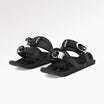












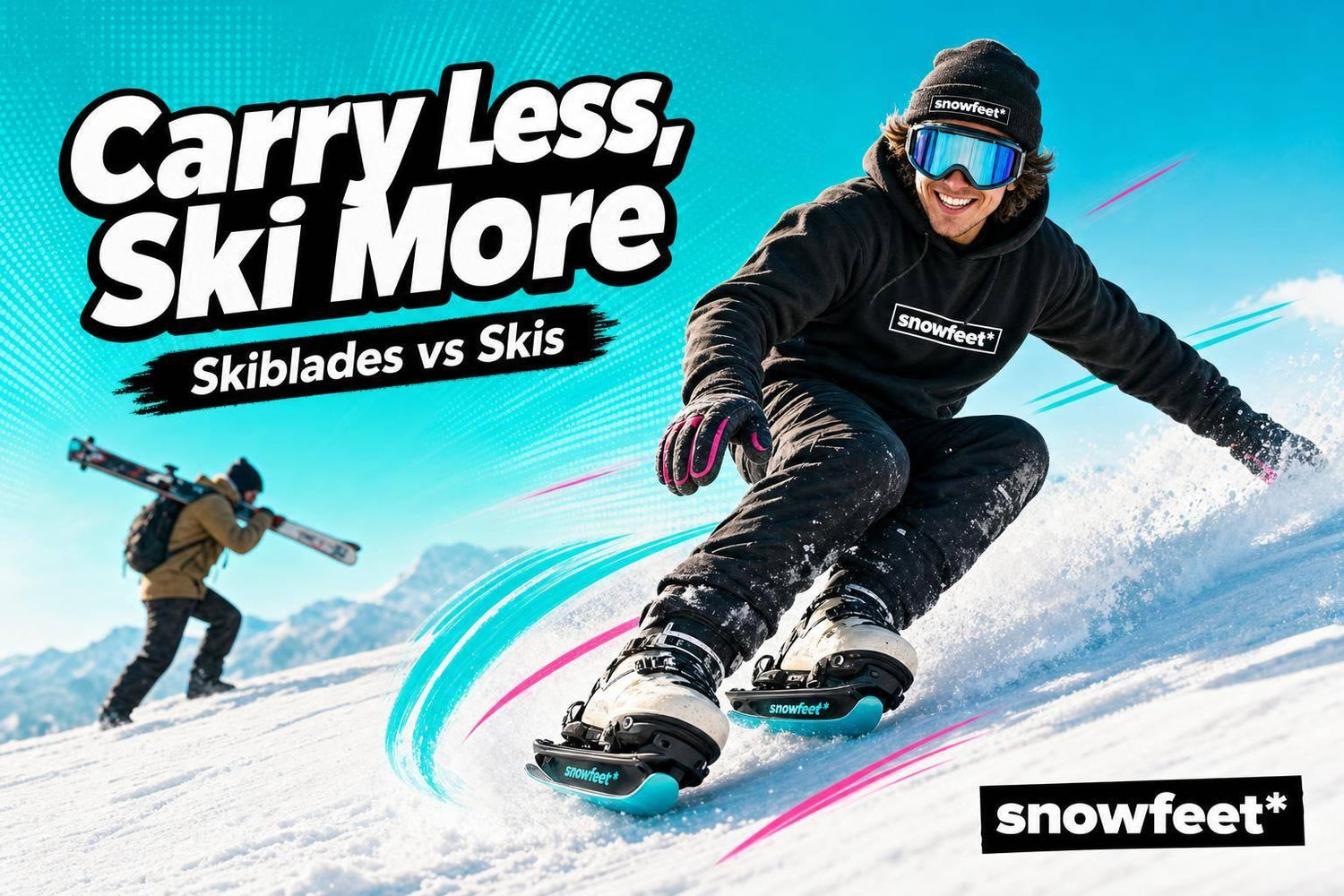
If you hate hauling long skis, the answer is simple: go short. From what I see here, the 44 cm Snowfeet Skiskates are the easiest to carry, the 50 cm PRO is close behind, the 65 cm Skiblades give you more control, and the 99 cm Skiblades feel closest to normal skis without turning your trip into a gear-dragging workout.
Here’s the short version:
- Best for pure portability: Snowfeet Skiskates 44 cm
- Best for travel + a bit more balance: Snowfeet PRO 50 cm
- Best middle ground: Snowfeet Skiblades 65 cm
- Best short option for a more ski-like ride: Snowfeet Skiblades 99 cm
- Best for speed, steep runs, and all-day resort use: Full-length alpine skis
The big trade-off is pretty clear: shorter gear is easier to pack, carry, and store, but longer skis still feel more steady at speed. Standard skis often run about 150–185 cm in the article’s opening, while the Snowfeet options start at just 44 cm. That’s a huge drop in size.
So if you want less airport hassle, less trunk chaos, and less awkward boot-waddling across a parking lot, compact gear makes a lot of sense :)
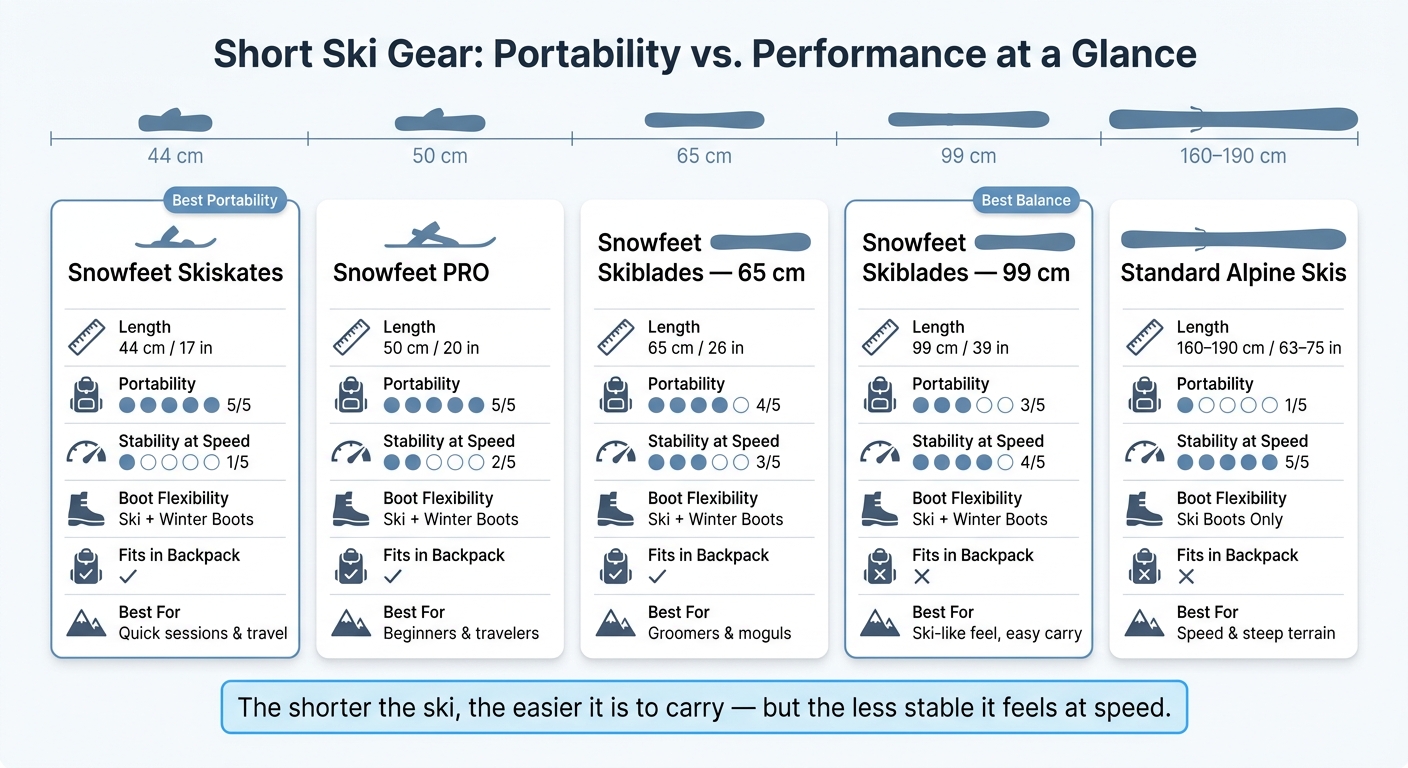
Short Ski Gear Comparison: Portability vs. Performance
Snowboarder tries Snowfeet* | Which Snowfeet* Short Ski is the Best? | Snowblades 44, 65, 99 Review
Quick Comparison
| Gear | Length | Easiest to Carry? | Boot Options | Best For | Main Trade-Off |
|---|---|---|---|---|---|
| Snowfeet Skiskates | 44 cm / 17 in | Yes - fits in a backpack | Ski boots or snowboard/winter boots | Short sessions, local hills, park laps | Least steady at speed |
| Snowfeet PRO | 50 cm / 20 in | Yes - very easy to pack | Ski boots or snowboard boots | Travel, beginner use, groomers | Limited in deep snow |
| Snowfeet Skiblades | 65 cm / 26 in | Yes - easy trunk fit | Ski boots or snowboard boots | Groomers, moguls, casual resort use | Less calm on steep, fast runs |
| Snowfeet Skiblades | 99 cm / 39 in | Somewhat - still much shorter than skis | Ski boots or snowboard boots | Riders who want a more ski-like feel | Not as packable as the shorter models |
| Alpine skis | 160–190 cm / 63–75 in | No | Ski boots only | Speed, steep terrain, full resort days | Bulky, heavy, harder to travel with |
| Other short skis | 60–100 cm | Middle of the pack | Often ski boots | Groomers, parks, casual use | Often still bulky for travel |
Bottom line: if I cared most about carry ease, I’d pick the 44 cm Skiskates. If I wanted carry ease plus more of a ski feel, I’d look at the 99 cm Skiblades. And if I wanted the best downhill performance, I’d accept the pain and take full-size skis.
If you want, I can also turn this into a SEO-ready intro, a product round-up intro, or a short affiliate-style opening.
1. Snowfeet* Skiskates 44 cm
Portability
This is the easiest pair in the lineup to pack. At 44 cm (17 in), they’re small enough to fit in a backpack or carry-on. That’s a huge drop in size compared with a full ski bag, so moving them around is way less of a hassle.
The carry bag helps too. You can throw it over one shoulder or strap it to a backpack and go. Nice and simple. But size isn’t the whole story here. Your boot setup also plays a big part in how easy these are to travel with.
Boot Compatibility
Snowfeet* sells two binding options for the 44 cm Skiskates: one for ski boots and one for snowboard boots or sturdy winter boots. The bindings are tool-free and adjustable, which makes sharing them with family or friends pretty easy.
For a lot of casual riders, the snowboard-boot version is the easier call. You can use one pair of boots for the whole trip - driving, walking around town, and skiing. No extra boot bag. No clunky changeover in the parking lot. For airport travel, weekend road trips, and casual local laps, that’s a big plus.
There is a trade-off, though. Softer boots are easier to walk in, but ski boots give you better edge control and more support. That matters less on mellow terrain, where you don’t need as much precision.
Stability and Speed
Here’s the deal: the smaller the ski, the easier it is to carry - but the less planted it feels when speed picks up. These are built for quick turns and playful movement, not for bombing down the hill.
The short platform reacts fast, which makes them a blast on groomers. On steep or icy terrain, though, they feel less steady. That’s just the nature of a ski this short.
People with skating experience tend to get used to them fast. So, these make more sense as a compact, fun setup than as something built for speed.
Best-Use Scenarios
The Skiskates 44 cm fit best for:
- Short sessions
- Local hills
- Travel-heavy trips
- Groomed resort runs
- Small rope-tow hills
- Terrain parks
They’re also a smart pick for ski instructors or parents who need to move fast and stay nimble on a beginner slope.
Where do they not shine? Deep powder, steep ice, or someone’s first-ever run. This is more of a convenience-first setup than an all-mountain one. Snowfeet* recommends using them in less than about 4 inches (10 cm) of fresh snow.
If you like the small-pack feel but want a bit more stability, the next step up is the PRO 50 cm.
2. Snowfeet* PRO 50 cm
Portability
At 50 cm (about 20 in), the PRO is small enough to fit in many backpacks or rolling suitcases. That means no roof rack, no ski bag, and no wrestling match with your trunk. Nice, right?
It sits in a sweet spot between the tiny Skiskates and longer skiblades.
Boot Compatibility
The PRO 50 cm comes with two binding options:
- One for ski boots in sizes 4.5–14.5 US
- One for snowboard boots in sizes 6–14.5 US
The snowboard-boot version is easier to walk in. The ski-boot version gives you more control and support. So it kind of comes down to what matters more to you: comfort off the snow or tighter handling on it.
Stability and Speed
That extra length helps most if the 44 cm version felt a bit twitchy. Compared with the 44 cm Skiskates, the PRO 50 cm feels steadier and does better in up to about 4 in. (10 cm) of light powder.
Still, let’s keep it honest: this one is built for moderate-speed fun, not aggressive carving.
Best-Use Scenarios
The PRO 50 cm makes sense if you want a bit more steadiness but still want something easy to carry. It works best on groomed green and blue runs, in snow parks, and for beginner lessons.
Where it doesn’t shine:
- All-day hard carving
- Steep, icy expert terrain
- Deep powder days where longer skis simply do better
If you want more carve but still want a compact setup, the 65 cm Skiblades are the next step.
3. Snowfeet* Skiblades 65 cm
Portability
At 65 cm (25.6 in), these skiblades are easy to pack and way less awkward than full-length skis. You can toss them in a backpack or slide them into a car trunk without playing trunk-Tetris. They’re also light enough to carry with one hand, which feels pretty nice when you’re walking across a parking lot in ski boots.
But length isn’t the whole travel story. The bindings matter too, especially if you want a setup that’s easier to move around with.
Boot Compatibility
The 65 cm Skiblades come with ski-boot or snowboard-boot bindings. Ski boots give you more control. Snowboard boots are easier to walk in. Pretty simple trade-off.
That extra support starts to matter more once the snow gets rough and uneven.
Stability and Speed
This 65 cm model gives you a clear bump in stability over the 44 cm and 50 cm versions, especially on chopped-up snow and hardpack. The steel edges also help with cleaner stops and more controlled turns.
Still, let’s keep it honest: it’s a short ski. When you pick up speed on steeper blue or black runs, it can feel a bit chattery next to the 99 cm Skiblades or full-length skis. It’s made for moderate-speed fun, not racing.
Best-Use Scenarios
This is the sweet spot in the lineup if you want portability and more of a ski-like feel. It’s the first model that starts to feel like a real ski without getting bulky. That makes it a strong fit for casual and intermediate riders who want more stability but still want something easy to carry and pack.
It works well for:
- Groomed green and blue runs
- Moguls
- Riders who want more confidence than the 44 cm and 50 cm models
Where it struggles is pretty clear. Deep Western powder, steep expert terrain, and high-speed carving runs are better suited to longer skis, which track better and float more naturally. If you want more float and more speed, the next step up is the 99 cm Skiblades.
sbb-itb-17ade95
4. Snowfeet* Skiblades 99 cm
Portability
At 99 cm (39 in), these skiblades feel the closest to normal skis in the Snowfeet lineup. But they’re still way easier to carry than full-length skis.
No, they won’t slip into a backpack like the 44 cm or 65 cm models. But they do fit into a car trunk without much fuss, and they’re far less bulky to travel with than a full ski bag. If you want the smallest setup that still feels close to a ski, this is the one.
Boot Compatibility
The 99 cm model comes with ski-boot or snowboard-boot bindings. That matters a lot.
Out of all Snowfeet options, this setup feels the most like a standard ski. So if you already come from alpine skiing, the learning curve feels smaller. You click in, point downhill, and it just makes sense.
Stability and Speed
Compared with the 65 cm version, this model brings more calm once you pick up speed. It has a stiffer build and a deeper sidecut, which helps it feel more planted, easier to control in tight spots, and better in bumps and light powder than the shorter models.
That said, full-length alpine skis still feel more sure at very high speeds on steep runs. That’s the main trade-off. Shorter and easier to carry? Yes. As locked-in as a full ski at top speed? Not quite.
Best-Use Scenarios
This model works well on groomed runs, moguls, and light powder, which makes it the strongest all-mountain option in the Snowfeet lineup.
It’s a smart pick for:
- beginners who want something less intimidating than long skis
- intermediate and advanced riders who want more stability without hauling around full-size gear
That mix is what makes the 99 cm Snowfeet* the most flexible option for riders who still care about easy transport.
Next up is the other end of the scale: standard alpine skis and boots, where on-snow performance goes up, but carrying them becomes a whole different story.
5. Standard Alpine Skis and Ski Boots
Portability
This is the least portable setup here. Standard alpine skis are usually 160–190 cm (about 63–75 in) long, and a full kit with boots often comes in at 15–20 lb or more. That extra size helps on snow, but yeah, it also makes life a bit of a chore when you're traveling or trying to stash everything in a small space.
In plain English: these aren’t the skis you toss in the trunk and forget about. You’ll usually need a ski bag, roof rack, or checked luggage.
Boot Compatibility
Alpine skis use dedicated rigid boots with matched bindings. So, compared with smaller setups that can work with regular winter boots, this one gives you less wiggle room.
The trade-off is simple:
- You get more precise power transfer
- You also get more weight, more cost, and less flexibility than compact options
That’s the deal. Better control, more stuff to carry.
Stability and Speed
When speed goes up, long skis still do the job better. They’re more stable and hold an edge better on icy groomers. Short skis feel more playful and are easier to pivot at slow speeds, which is fun, no doubt. But on steep runs or mixed snow, full-length skis are still the straight-up performance pick.
If you want less hassle but still want that ski-like feel, the compact choices coming next are the better middle ground.
Best-Use Scenarios
Standard alpine gear fits best if you:
- Ski mostly at larger resorts
- Like skiing at higher speeds
- Want maximum downhill stability more than easy transport
- Already have storage space, a ski bag, or a roof rack
It also makes sense if you don’t mind hauling a bigger setup around. Some skiers are fine with that trade. Others get tired of lugging gear before they even hit the lift :)
If portability matters more than peak downhill performance, the short-ski options next strike a better balance.
Next up: other short-ski options, and how they compare on portability and ride feel.
6. Other Short-Ski Options (Salomon Snowblades, Bigfoot, ODR, Generic Skiboards)
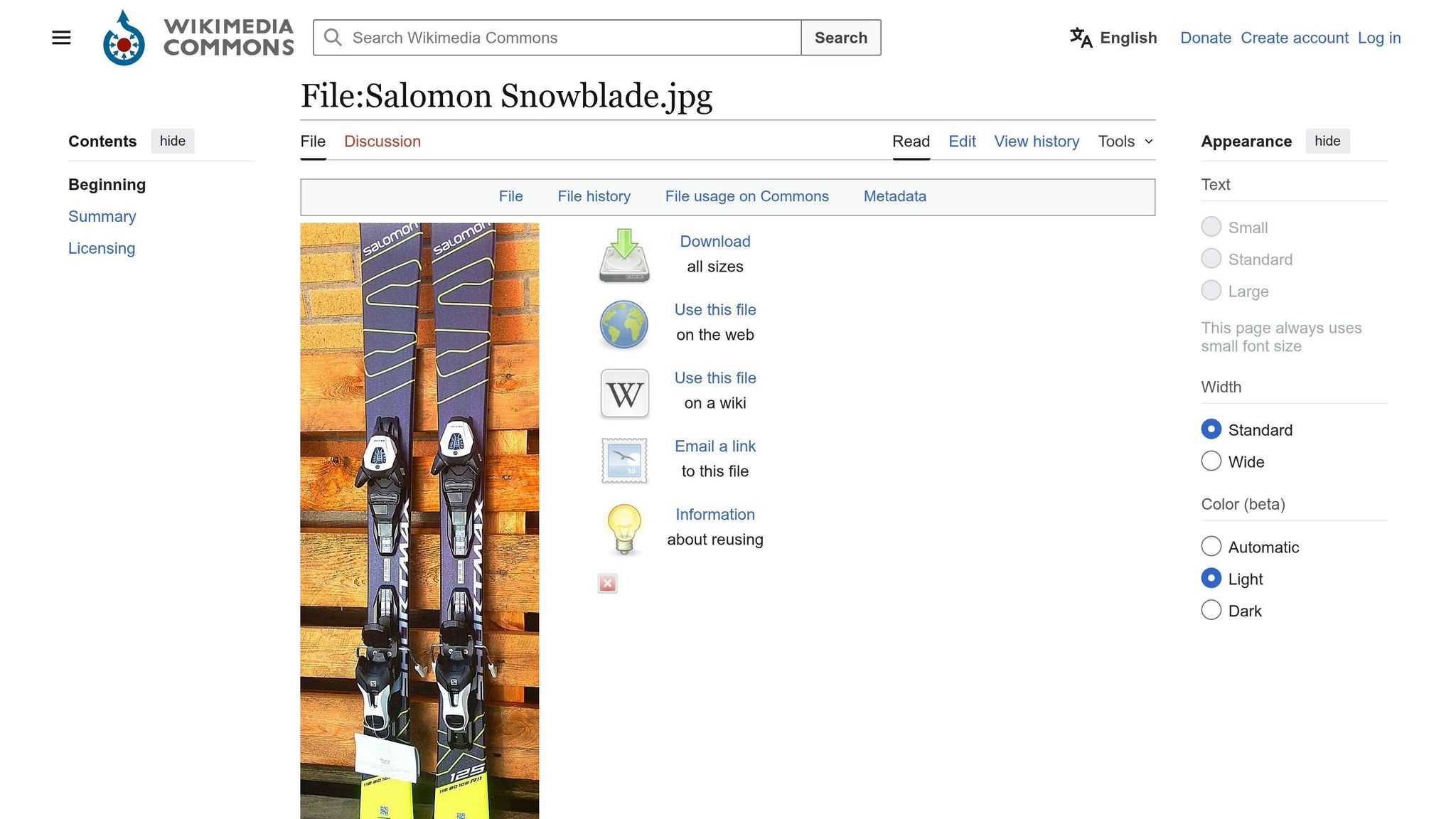
These sit in the middle. They’re shorter and easier to handle than full skis, but they usually don’t travel as easily as Snowfeet*.
Portability
This group lands between full alpine skis and Snowfeet* on pack size. Smaller, yes. Super easy to pack? Not always.
Salomon Snowblades and generic skiboards usually come in at 90–100 cm. That’s short for skis, but still long enough that you’ll likely want a ski bag. Bigfoot-style mini skis are usually around 60–70 cm, so they’re easier to throw in the trunk, but they’re still not the kind of thing you casually slide into a backpack.
ODR-style boot-friendly ski shoes are the easiest to carry in this group. Some can fit in a backpack. That said, their light boot system cuts into that packing edge a bit.
Boot Compatibility
This is where the split gets clear.
Most Salomon Snowblades and generic skiboards use standard alpine bindings. So, yep, you still need hard-shell ski boots. Same boot headache as full-size skis. Classic Bigfoot models often used proprietary or rental-style bindings, which can limit what boots work with them.
ODR-style boot-friendly ski shoes are the outlier here. They’re made for regular winter boots, which makes them much easier to travel with.
The main difference isn’t just ski length. It’s whether the setup still locks you into hard-shell boots.
Stability and Speed
Compared with Snowfeet* Skiskates 44 cm or PRO 50 cm, most Snowblades, Bigfoot, and skiboards in the 65–99 cm range give you more fore-aft stability and more edge contact on groomed or firm snow. In plain English, they feel closer to normal skis, especially if you already have some time on snow.
But there’s a catch. They’re still less secure than long skis when speed picks up, and they’re less forgiving in chopped-up snow. Their short length also means they sink more in soft snow than full-length skis.
So, they can feel more planted than very short models, but they don’t get you the same support as a full ski setup.
Best-Use Scenarios
| Product Type | Best For | Not Great For |
|---|---|---|
| Salomon Snowblades / Skiboards | Groomers, parks, intermediates | High-speed runs, deep powder |
| Bigfoot-style mini skis | Short laps, lessons, casual use | Speed, icy slopes, hard carving |
| ODR-style boot-friendly ski shoes | Urban hills, quick local use, minimal-gear travel | All-day resort skiing, fast carving |
Next: the trade-offs that separate these short-ski options from Snowfeet*.
Pros, Cons, and Trade-Offs for Each Option
The trade-off is pretty simple: the easier the gear is to carry, the more downhill performance you usually give up. That matters most to riders who care more about easy travel than max speed or big-mountain power. If you're skiing steep terrain, charging through powder, or going fast, long skis still come out on top.
That’s where the Snowfeet* lineup stands out. It gives you gear that’s easy to toss in a backpack and skips the whole ski-bag headache. The 65 cm model hits a fun middle ground. The 99 cm model is the pick if you want something that feels closer to a ski without hauling full-size gear around.
Here’s the quick side-by-side view:
| Option | Biggest Strengths | Biggest Compromises | Who Should Pick It |
|---|---|---|---|
| Snowfeet* Skiskates 44 cm | Most portable; fits in a backpack; great for tricks and skating-style movement | Least stable at speed; not built for powder | Inline skaters, hockey players, casual fun seekers |
| Snowfeet* PRO 50 cm | Very packable; works with winter boots; more forgiving for beginners | Less suited to deep snow or steep terrain | Travelers, hikers, beginners wanting portability plus stability |
| Snowfeet* Skiblades 65 cm | Hybrid carve-and-skate feel; effective for moguls and snow parks | Less portable than shorter models; not a deep-powder tool | Intermediate riders who want versatility for carving, moguls, and parks |
| Snowfeet* Skiblades 99 cm | Most ski-like feel; high stability at speed; strong carving performance | Less packable than the shorter models | Traditional skiers wanting a more portable setup without giving up performance |
| Standard Alpine Skis | Best in deep powder and steep terrain; best high-speed stability | Heaviest and bulkiest; hardest to carry; requires hard-shell boots | Serious mountain skiers, powder hunters, racers |
Other short-ski options land somewhere in the middle. They’re easier to handle than alpine skis, but they’re often bulkier and less travel-friendly than Snowfeet*. Older short-ski setups are still lighter than full skis, sure, but they usually don’t match Snowfeet* when it comes to packability.
So now it comes down to one thing: which setup is easiest to carry without making your day on snow feel like a letdown?
Final Verdict: Which Setup Is the Easiest to Carry?
After looking at carry size, boot hassle, and how each option feels on snow, the smallest Snowfeet* setups come out ahead. For pure carry ease, Snowfeet* Skiskates 44 cm take the win. They fit in a backpack or suitcase, so you can skip the whole ski bag circus.
For most travelers, the pecking order is pretty simple: Skiskates 44 cm first, PRO 50 cm second. The 44 cm model is the easiest to bring along. It’s backpack-sized, easy to grab on a whim, and perfect for a local hill without wrestling a pile of gear. The PRO 50 cm gives you a bit more stability while still being very easy to travel with.
If you want the sweet spot between portability and a more ski-like feel, go with the 99 cm Skiblades.
Full-size alpine skis still have their place. But they make the most sense when speed, steep runs, and full-day performance matter more than easy transport.
| Scenario | Best Gear Choice | Why It Works |
|---|---|---|
| Flying trip | Skiskates 44 cm / PRO 50 cm | Fits in a suitcase or backpack; easier airport travel |
| Local hill | Skiskates 44 cm | Backpack-sized and perfect for quick sessions |
| Half-day resort visit | Skiblades 65 cm / PRO 50 cm | Light to carry from the car, fun on groomers |
| Week-long ski vacation | Full-size alpine skis | Best for all conditions and all-day performance |
| Park laps | Skiblades 65 cm / 99 cm | Short, playful, and easy to haul |
FAQs
Which Snowfeet* size is best for beginners?
For beginners, the best Snowfeet* pick comes down to what you want out of the ride and how much time you’ve spent on snow. The 38 cm Mini Ski Skates and 50 cm PRO are a great place to start because they’re light, forgiving, and simple to get the hang of.
If you want something that feels a bit more like skiing, with more stability under you, the 65 cm Skiblades are a solid option too. The 99 cm models can work for any skill level, but shorter lengths usually feel less scary and much easier to control.
Can I use regular winter or snowboard boots with Snowfeet*?
Yes. Most Snowfeet* models work with regular waterproof winter boots or snowboard boots. So you can skip stiff, heavy, pricey ski boots.
If you want more ankle support for tighter turns, Skiskates also work with snowboard or ski boots.
Most bindings fit standard U.S. boot sizes 6–13.
Are short skis stable enough for resort skiing?
Yes - short skis can feel stable enough for resort skiing, especially the 99 cm and 120 cm Snowfeet Skiblades. Those models are made for groomed runs, carving, and mixed resort conditions.
For beginners, short skis can also feel easier to balance on. The compact shape may help keep your center of gravity steadier, which can make those first runs feel less sketchy.
Here’s the simple split:
- 44 cm and 50 cm models: better for agility and tight, quick moves
- 99 cm and 120 cm Snowfeet options: give you a stiffer, more stable ride at higher speeds
So, if you want something playful, go shorter. If you want more calm and control when the pace picks up, the longer Snowfeet models are the better fit.











Оставить комментарий
Этот веб-сайт защищается hCaptcha. Применяются Политика конфиденциальности и Условия использования hCaptcha.