



















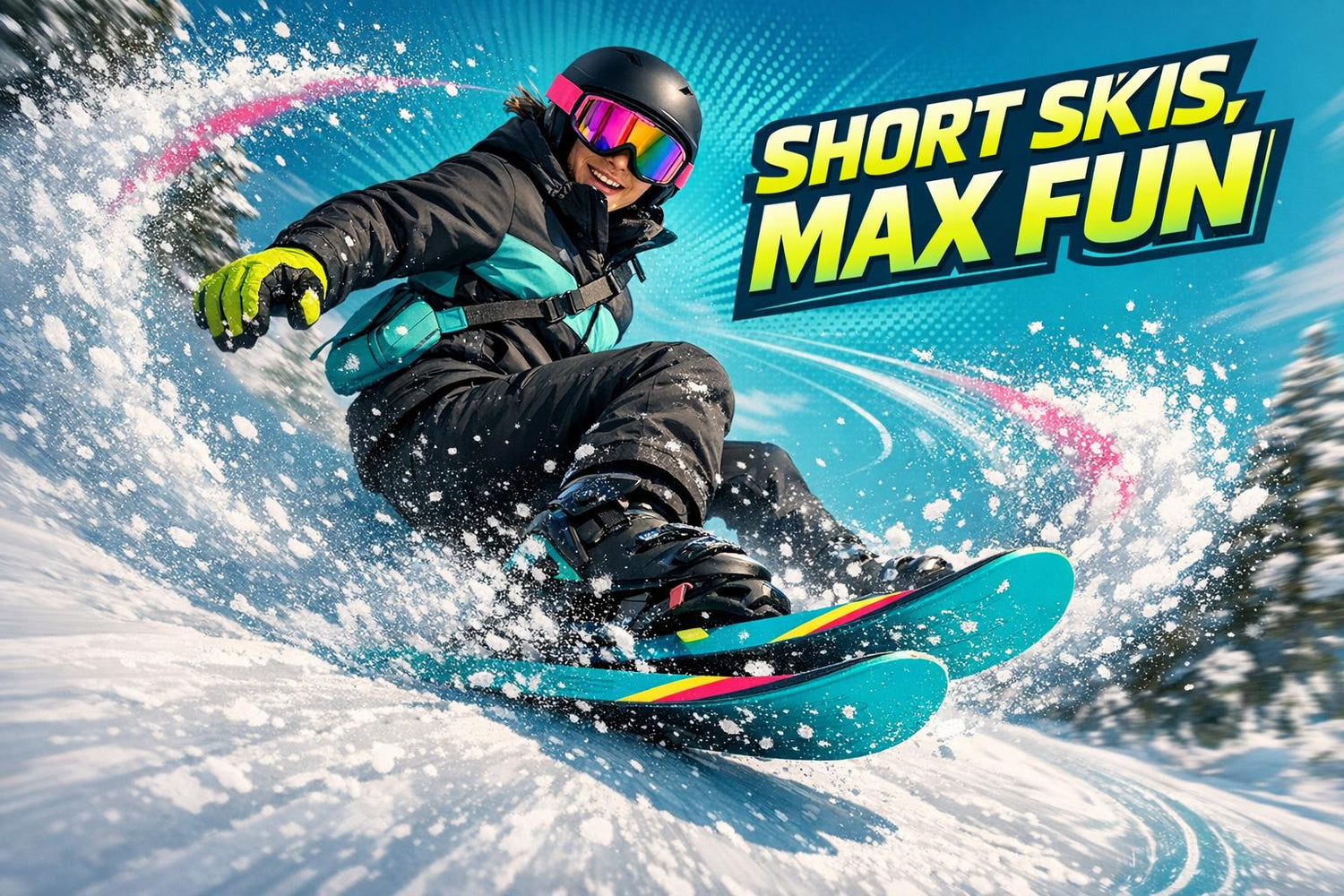
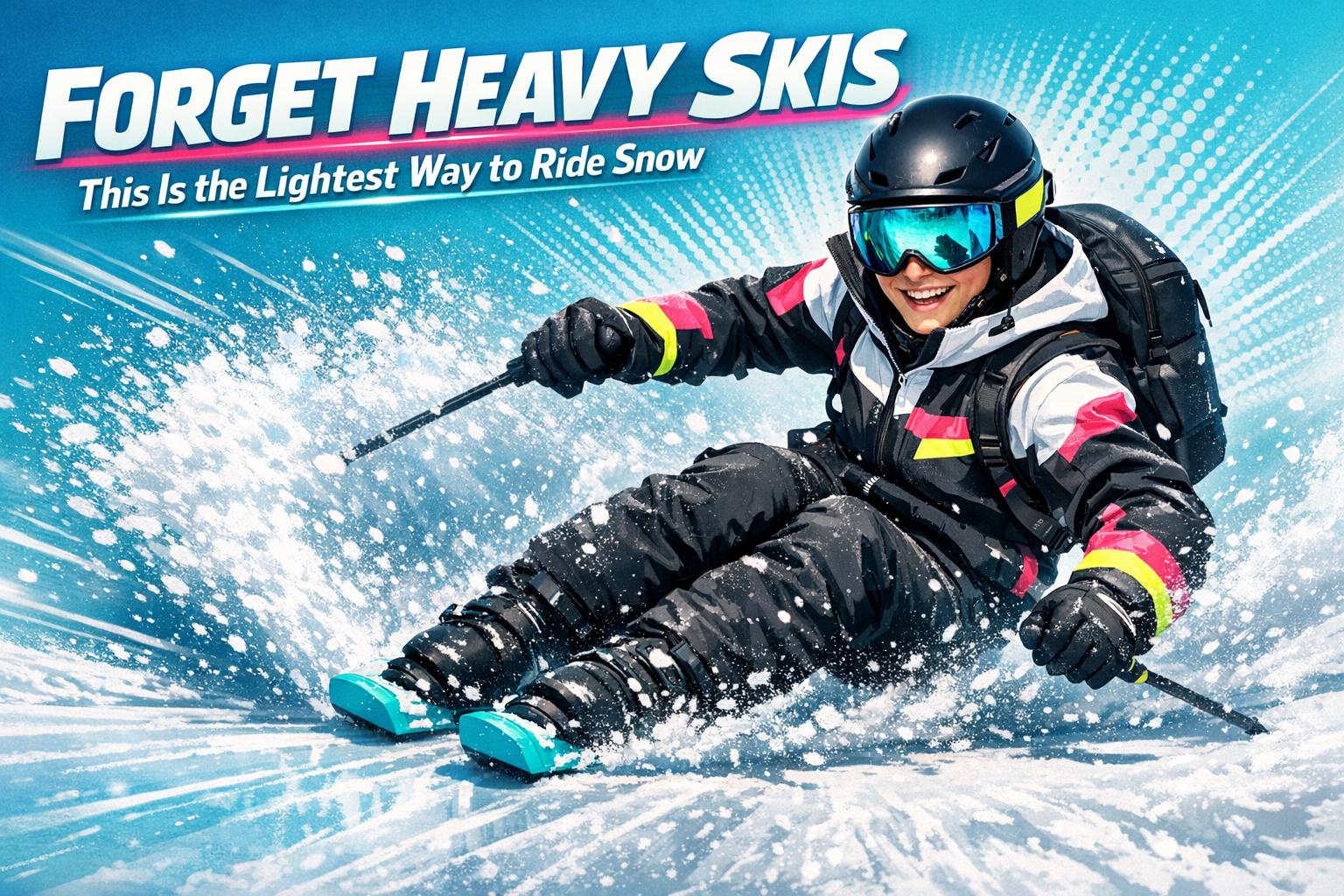
Looking for a fun, hassle-free way to hit the slopes? Forget bulky skis or snowboards - Snowfeet* offers a compact, backpack-friendly option that combines the movement of skating with the thrill of skiing. These short skis (ranging from 15 to 47 inches) let you spin, jump, and carve with ease, all while using your regular winter or snowboard boots. Perfect for beginners, park riders, or anyone seeking a fresh way to enjoy the mountain, Snowfeet* makes skiing simple, portable, and, well, playful.
Why Snowfeet* Rocks:
- Lightweight and easy to carry (fits in a backpack).
- Beginner-friendly: Learn in just 5 minutes if you’ve skated before.
- Great for tricks, tight turns, and freestyle fun.
- Affordable: Starting at $250, it's cheaper than most ski setups.
- Compatible with standard snowboard boots (U.S. sizes 6–13).
Whether you're a casual skier, a skater looking for a winter twist, or just want to try something new, Snowfeet* is a game-changer for slope adventures. Ready to ditch the heavy gear and start playing on the mountain? Let’s dive in!
Why Short Skis Are the Most Playful Choice
How Short Skis Work
Short skis are all about quick control. While traditional skis - usually ranging from 150 cm (59 inches) to 180 cm (71 inches) - require big, deliberate turns and a lot of energy to handle, shorter skis like Snowfeet* flip the script. Their compact size makes it easy to initiate turns instantly and glide smoothly from edge to edge without much effort.
The magic lies in their design. A deep parabolic sidecut combined with a narrow waist makes carving feel natural, even at lower speeds. This setup encourages tight turns and sharp reactions, turning every run into a playful experience. Plus, their shorter length helps beginners avoid the common headache of crossing ski tips. This design isn't just user-friendly - it gives short skis a clear edge over traditional gear.
Snowfeet* vs. Standard Skis and Snowboards
Long skis are great for speed and stability on groomed trails, but they’re not built for creative moves. Snowboards, on the other hand, keep both feet locked in a sideways stance, which can limit movement and tire you out faster. Snowfeet* breaks away from these restrictions. With independent leg movement, you can tackle spins, jumps, and moguls without the stiffness or fatigue that comes with fixed-stance gear. Sunshine Straiges sums it up perfectly:
"I had no muscle soreness after using these because I can change my leg position, unlike the snowboard which is set."
This flexibility isn’t just about fun - it’s also a game-changer for older skiers or anyone dealing with joint discomfort. Snowfeet* combines freedom of movement and reduced strain, making it a standout choice for both performance and comfort.
The Day-to-Day Convenience of Snowfeet*
Beyond being fun on the slopes, Snowfeet* is designed with practicality in mind. Most models, like the 44 cm (17 inches) and 65 cm (26 inches) versions, are small enough to fit in a backpack. That means no bulky ski bags or roof racks - just grab your gear and go. They’re also compatible with standard snowboard boots (sizes 38–49 EU), so there’s no need to invest in extra equipment. This simplicity cuts down on both cost and hassle, letting you focus on enjoying your time on the mountain.
Snowboarder tries Snowfeet* | Which Snowfeet* Short Ski is the Best? | Snowblades 44, 65, 99 Review
The Snowfeet* Product Lineup
Snowfeet* has a variety of gear designed to make skiing accessible and fun, whether you're just starting out or looking for top-notch performance.
Mini Ski Skates: Compact and Playful
The 38 cm Mini Ski Skates are perfect for beginners or anyone looking to have a blast without the need for full ski gear. These small, metal-edged skis are compatible with standard winter boots, making them easy to use. If you're familiar with inline or ice hockey skates, you'll feel right at home. They're great for backyard slopes or mellow hiking trails, offering a fun, low-commitment way to experience skiing. At $250, they’re the most budget-friendly option in the lineup.
Skiskates: Precision and Agility
For those craving performance, the 44 cm Skiskates are a standout. Designed with a wood core and full metal steel edges, these skis deliver exceptional precision and agility. They're perfect for tricks, spins, and terrain park action. With a 5.0/5-star rating from 123 verified reviews, they’ve earned their reputation as a rider favorite. Starting at $690, they’re a premium pick for those who take their snow adventures seriously.
Skiblades and Short Skis: Versatility Meets Stability
This category offers something for everyone, blending freestyle fun with carving precision:
- 65 cm Skiblades (from $635) are short enough for tight turns and spins yet stable enough for carving on groomed slopes or moguls.
- 99 cm Skiblades (from $675) provide a balanced ride for all-mountain terrain, including light powder and carving.
- 120 cm Short Skis (from $775) are the closest to traditional skis, delivering excellent stability and smooth carving across diverse terrains.
Each model is designed for creative movement, whether you're hitting freestyle tricks or enjoying deep carves.
| Model | Length | Best For | Starting Price |
|---|---|---|---|
| Mini Ski Skates | 38 cm (15 in) | Beginners, backyard slopes, hiking | $250 |
| Skiskates | 44 cm (17 in) | Tricks, spins, terrain parks | $690 |
| Skiblades | 65 cm (26 in) | Groomed slopes, moguls, freestyle | $635 |
| Skiblades | 99 cm (39 in) | All-mountain, carving, light powder | $675 |
| Short Skis | 120 cm (47 in) | All-mountain, groomed runs, deep carves | $775 |
Most models come pre-waxed if they have a wood core, while fiberglass options get a fresh wax coating. Importantly, they meet standard safety requirements - like metal edges and proper bindings - making them acceptable at most ski resorts.
sbb-itb-17ade95
Getting Started with Snowfeet*
Beginner Basics: Balance and First Turns
Getting the hang of Snowfeet* takes just a few minutes. If you’ve ice skated, played hockey, or rollerbladed, the movement will feel second nature.
"If you play hockey, ice skate, or rollerblade, this will feel completely natural." - Snowfeet*
Here’s the key thing to know: balancing on Snowfeet* is different from traditional skis. Their short length means you’ll need to focus on keeping your weight centered. Lean too far forward or backward, and you’ll find yourself off balance faster than with longer skis. Bend your knees, keep your feet shoulder-width apart, and stick to groomed, gentle slopes while you get used to the feel. Stay away from deep powder (anything over 4 inches) during your first few runs.
Stopping is simple: evenly shift your weight across both feet and dig in your edges. Before heading out, make sure your bindings are adjusted properly at home. They fit U.S. sizes 6–13 and work best with waterproof winter or snowboard boots. A snug fit around your ankle will give you better edge control. Once you’ve nailed these basics, you’ll be ready to try some fun moves.
Simple Tricks to Try
Once you’re comfortable balancing and controlling your speed, it’s time to have some fun with tricks. Snowfeet* are designed to make spins, jumps, and other playful maneuvers feel effortless.
Start by trying to ride switch (backward). Unlike traditional skis, Snowfeet* are more like skates, so spinning around and riding backward feels surprisingly natural. If you’re ready to catch a little air, start with small jumps off natural rollers on groomed runs. Their compact size makes them easier to control in the air and land smoothly. And if you’re feeling adventurous, head to a terrain park. Resorts like Park City Mountain in Utah or Breckenridge in Colorado have great spots to practice.
"I love how easy they are to ski and skate and how many different kinds of tricks I can perform without much effort and almost no restrictions." - Zbyněk, Founder, Snowfeet*
If you’re into spins and park tricks, the 44 cm Skiskates are a great choice with their wood core and full steel edges. For a mix of freestyle fun and carving on groomed runs, the 65 cm Skiblades strike a nice balance. With Snowfeet*, you get the freedom to explore creative moves that traditional skis just don’t allow.
Safety and Slope Etiquette
Good news: Snowfeet* are accepted at most U.S. ski resorts because they meet the same safety standards as regular skis, thanks to their metal edges and built-in bindings. If anyone questions your gear, just let them know it’s a short ski with standard metal edges and a built-in brake.
"If you act like you're using regular skis, people usually won't bother you. If someone does, you can explain that Snowfeet have the same metal ski edges as other skis, which is a common requirement for ski resorts." - Snowfeet*
Stick to basic slope etiquette: yield to skiers below you, stay in control, and avoid stopping mid-run. Snowfeet* are super agile, which makes it easy to navigate crowded slopes, but that agility also means you need to be extra mindful of others. Before each run, do a quick gear check: tighten the binding screws, wipe off any moisture, and wax the base daily. This keeps your ride smooth and prevents any unexpected drag.
Snowfeet* vs. Standard Gear: A Side-by-Side Look
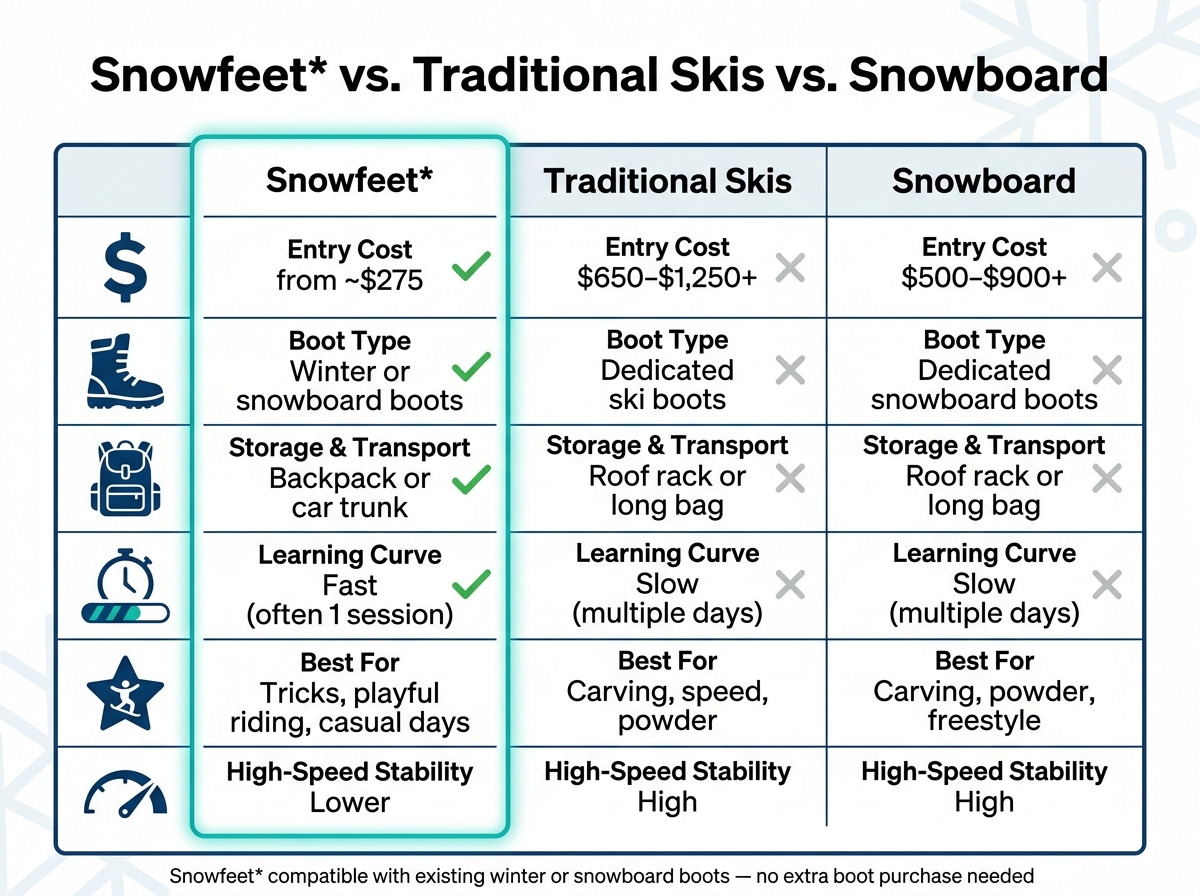
Snowfeet vs. Traditional Skis vs. Snowboard: Full Comparison
Cost and Practicality
When it comes to price, Snowfeet* is a clear winner over traditional ski and snowboard setups. A beginner alpine ski package - which includes skis, bindings, boots, and poles - usually costs $650 to $1,250+ in the U.S. Snowboard setups aren't much cheaper, typically ranging between $500 and $900+. On the other hand, Snowfeet* entry-level models start at just $275. Plus, most Snowfeet* products are compatible with your existing winter or snowboard boots, saving you the added expense of specialized ski boots.
Another big perk? Portability. Unlike traditional gear that often requires roof racks and bulky bags, Snowfeet* fits neatly into a car trunk or even a backpack. This compact size makes traveling a breeze - no oversized baggage fees when flying to your favorite ski spot!
"A lot easier to haul around the hills & on vacation than traditional skis!" - heyjerz, Customer
This combination of affordability and convenience also makes learning Snowfeet* much more approachable.
Learning Curve and Ease of Access
Traditional skiing can take days of practice to master. Between managing long edges, avoiding crossed tips, and linking turns, beginners often require multiple lessons. Snowboarding can be even trickier at first, with many newcomers spending hours just learning how to stand up and stop without falling.
Snowfeet* offers a completely different experience. Thanks to its skating-like design, users can pivot, edge, and recover quickly. Most people report nailing basic turns and speed control in just one session. That means less time struggling on the bunny slope and more time actually enjoying the snow.
This ease of use makes Snowfeet* an appealing option for a broad range of riders.
Who Gets the Most Out of Snowfeet*
Snowfeet* is perfect for casual riders, travelers, beginners, and anyone looking for fun without the commitment of bulky gear. It’s a great choice for college students heading to a local hill, families planning a quick day trip, or city dwellers short on storage space. Skaters and inline skaters, in particular, adapt quickly due to the similar stance and movements.
Of course, traditional skis and snowboards still shine in certain areas. Long skis are ideal for high-speed runs and deep powder, while snowboards excel in freestyle and carving. But Snowfeet* is all about convenience and spontaneity, making it a fantastic option for playful, low-key sessions. Here's how they stack up:
| Snowfeet* | Traditional Skis | Snowboard | |
|---|---|---|---|
| Entry Cost | From ~$275 | $650–$1,250+ | $500–$900+ |
| Boot Type | Winter or snowboard boots | Dedicated ski boots | Dedicated snowboard boots |
| Storage/Transport | Backpack or car trunk | Roof rack or long bag | Roof rack or long bag |
| Learning Curve | Fast (often 1 session) | Slow (multiple days) | Slow (multiple days) |
| Best For | Tricks, playful riding, casual days | Carving, speed, powder | Carving, powder, freestyle |
| High-Speed Stability | Lower | High | High |
If you already own traditional gear, Snowfeet* can still be a great second setup. It’s lightweight and easy to pack, making it perfect for quick park sessions or half-day trips when lugging full-size equipment feels like overkill.
Conclusion: More Fun on the Slopes with Snowfeet*
Skiing doesn’t have to mean lugging around heavy gear or sticking to endless beginner runs anymore. Snowfeet* flips that old idea upside down. With options like the 44 cm (17 in) Skiskates - the shortest skis in the world - and models going up to 120 cm (47 in) short skis, there’s something for everyone. Whether you’re new to the slopes or a seasoned skier looking to shake things up, these compact designs have you covered.
Snowfeet* isn’t just about convenience; it’s about performance too. The gear’s versatility makes it perfect for all skill levels. Beginners can feel confident in just 5 minutes, while seasoned riders love the smooth, responsive experience. The strong feedback from the Snowfeet* community highlights its quality and the unique joy it brings to winter sports.
So, whether you’re a casual weekend adventurer, a skater curious about trying something new, or someone who’s never quite clicked with traditional skiing, Snowfeet* offers a fresh and exciting way to enjoy the slopes. It’s simpler, more approachable, and, for most people, a whole lot more fun. Snowfeet* is all about bringing the joy of winter sports to everyone, one playful turn at a time.
FAQs
Which Snowfeet* length should I choose?
When it comes to choosing the right length, it all boils down to what you’re aiming for and how experienced you are. If you’re into tricks or want that skate-like vibe, shorter models between 44–50 cm are perfect - especially for snow parks. Looking for something that blends skiing and skating? The 65 cm option is a solid choice, particularly for groomed runs.
For those who crave stable, high-performance carving on any terrain, go with 99 cm or 120 cm. No matter the length, these are all more portable and far easier to handle than traditional skis.
Can I use Snowfeet* at most U.S. ski resorts?
Yes, Snowfeet products are generally accepted at most ski resorts across the U.S. Thanks to their metal edges, they provide solid grip on the snow, meeting the safety criteria many resorts set. That said, some resorts might have specific policies regarding skiblades or mini skis. To avoid any surprises, it’s smart to review the rules of the resort you plan to visit beforehand.
What terrain should beginners avoid on Snowfeet*?
Snowfeet* gear is all about quick movements and having a blast, but if you're just starting out, steer clear of steep, icy black runs or deep powder. These conditions can be tricky because of Snowfeet's* compact design. They shine on groomed slopes, snow parks, and easy trails. Stick to mellow slopes at first to get the hang of it, and you'll find yourself improving quickly while having loads of fun with Snowfeet*.











Оставить комментарий
Этот веб-сайт защищается hCaptcha. Применяются Политика конфиденциальности и Условия использования hCaptcha.