



















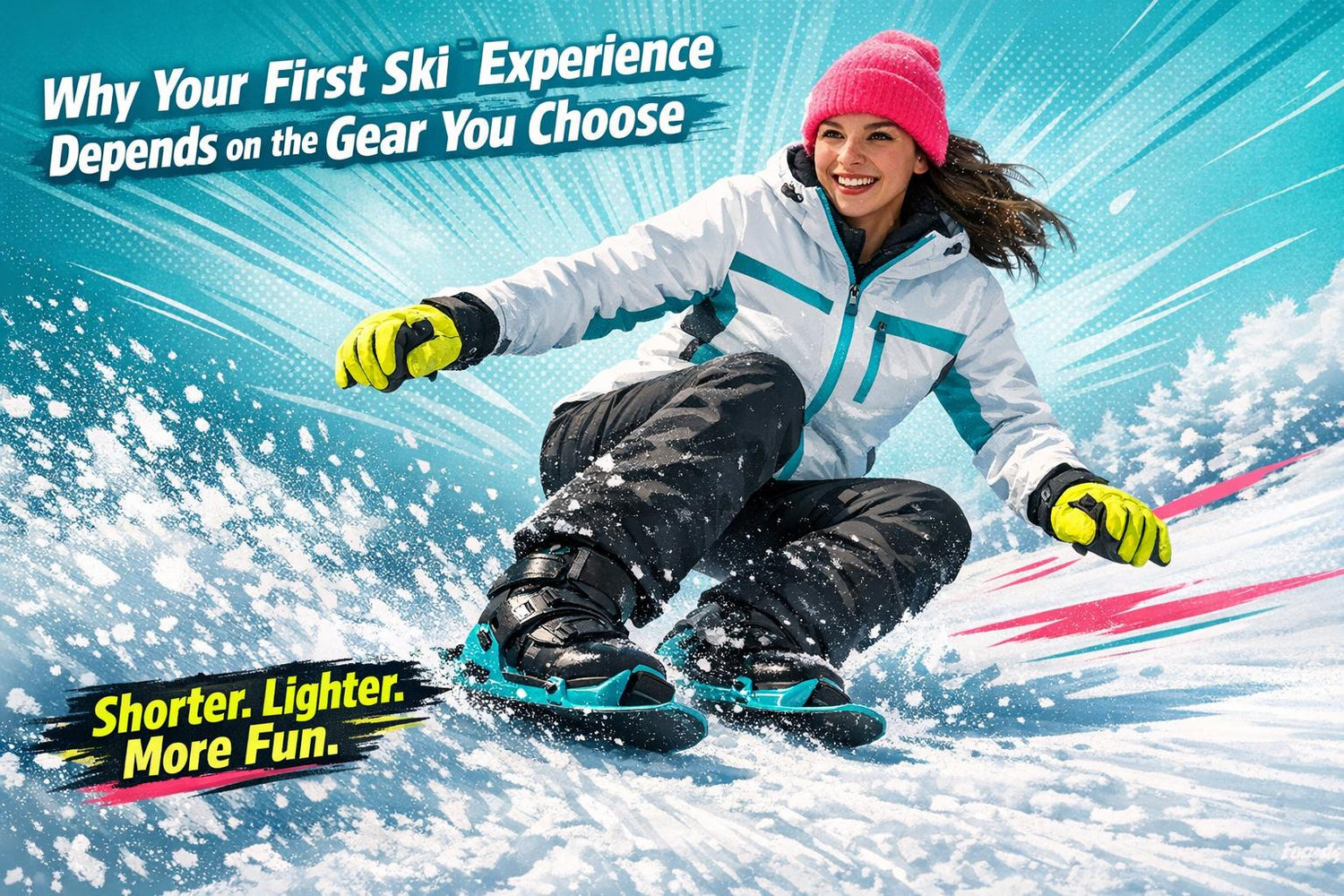
Your first ski day can be amazing - or frustrating - and the gear you pick plays a huge role. Many beginners quit after day one, often blaming themselves when the real issue is using equipment that’s too long, heavy, or stiff for someone just starting out.
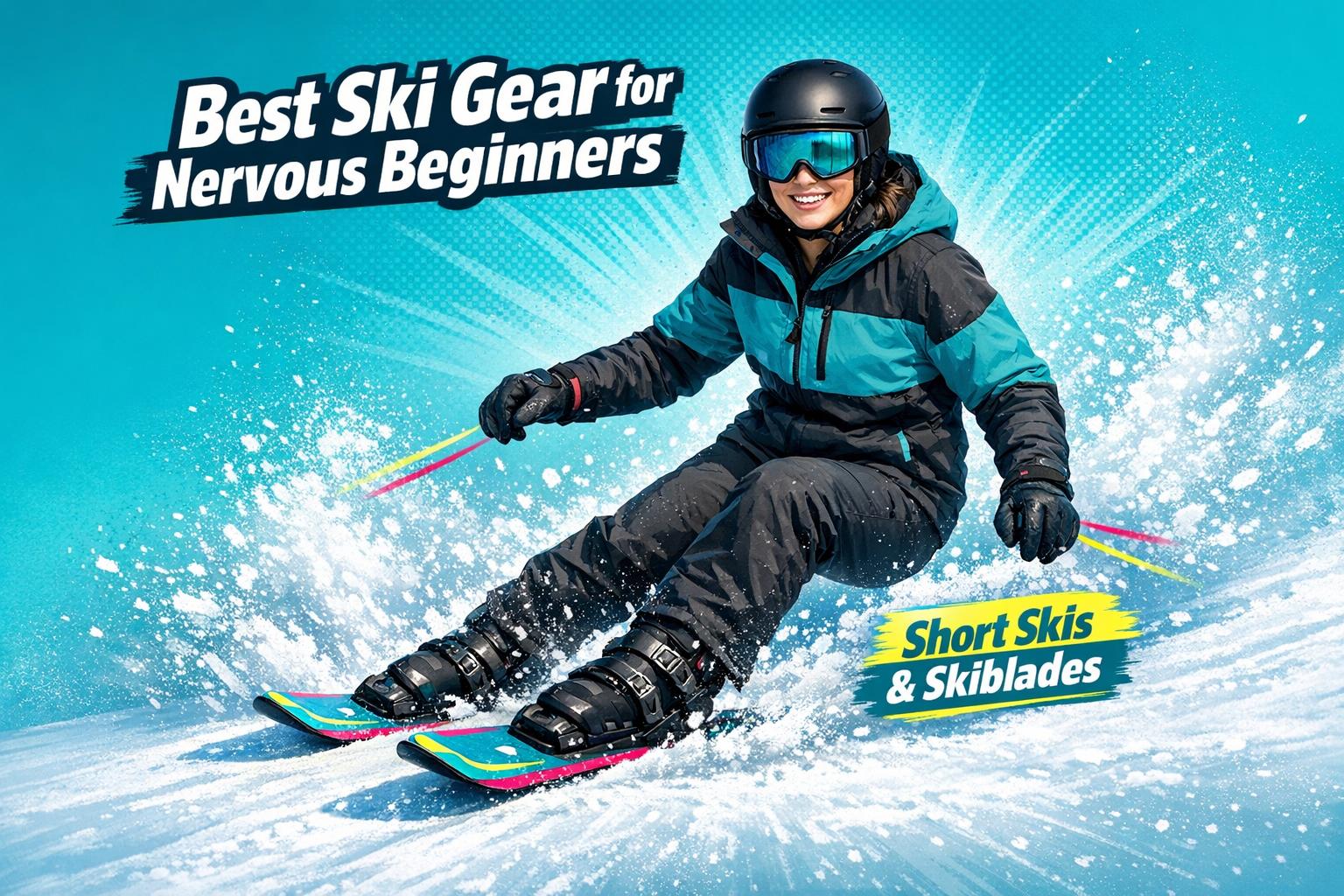
That’s where Snowfeet comes in. Their compact, lightweight designs (like Skiskates and Skiblades) make skiing easier and way more fun. Unlike traditional skis or snowboards, Snowfeet gear works with regular winter boots, is simple to carry, and helps you feel in control from the start. Whether you’re gliding down a beginner slope or trying out a backyard hill, Snowfeet is designed to make learning stress-free and enjoyable.
Here’s what you need to know:
- Shorter gear = easier turning and stopping.
- Lighter weight = less fatigue, more fun.
- Works with your boots = no rental hassles.
- Portable = fits in a backpack.
- Use them on slopes, parks, or even in your backyard.
Snowfeet isn’t just gear - it’s a smarter way to start skiing without the frustration of bulky, hard-to-handle equipment. Want to know which model is right for you? Keep reading for a breakdown of options and tips to make your first ski day a success.
Snowfeet* Snowblades | Skiboards | Skiblades | Short Skis - Complete Guide | All you need to know
Why Traditional Ski Gear Is Hard for Beginners
Most rental gear is designed with experienced skiers in mind, leaving beginners struggling to adapt.
Why Long Skis and Snowboards Are Hard to Handle
Standard adult skis typically measure between 150 and 180 cm (about 5–6 feet) in length. That extra length can be a challenge for beginners because it creates more leverage against your legs. Even a small shift in your hips or knees can trigger a much bigger reaction on the snow. Plus, longer skis require wider turns, which can feel impossible on crowded beginner slopes where space is limited.
Snowboards aren’t any easier. Full-size boards tend to catch edges suddenly, especially if you haven’t mastered applying even pressure across the board. One small misstep, and you’re flat on the ground before you even know what went wrong.
Length isn’t the only issue, though. The stiffness and weight of traditional gear add another layer of difficulty for those just starting out.
Common Problems with Standard Ski Gear
It’s not just the skis or snowboard - traditional gear can feel like an uphill battle for beginners. Take ski boots, for example. Most alpine ski boots are stiff and built for transferring power, which is great for advanced skiers but miserable for newcomers. Beginners often deal with numb toes, shin pain, and discomfort before they even make it to the slope.
And then there’s the weight. Heavy skis or snowboards slow down your reaction time and tire out your legs faster than you’d think. Combine that with lugging gear around, waiting in lines, and fumbling with bindings, and you’re already worn out before your first run.
What Beginners Actually Need from Their Gear
Beginners need equipment that works with them, not against them. Shorter, lighter gear makes it easier to turn, stop, and even walk naturally. Skis, snowboards, and bindings that are simple to step in and out of - without needing a technician’s help - can make a huge difference on an already overwhelming first day.
Comfortable footwear and user-friendly equipment also help reduce fatigue, keeping beginners on the mountain longer and more focused on learning. The first day isn’t about nailing perfect turns or speeding down the slopes - it’s about staying upright long enough to enjoy yourself and want to come back for more.
How Snowfeet Products Fix Common Beginner Gear Problems
Snowfeet takes the stress out of learning to ski by addressing the typical struggles beginners face with traditional gear. From their compact design to their versatility, every feature is crafted to make your first day on the snow smoother and more enjoyable. Here’s how Snowfeet tackles these common challenges:
Short Length Makes Turning and Stopping Easier
Traditional skis can feel like a handful - long, awkward, and hard to control, especially when you're just starting out. Snowfeet changes that with their shorter designs. Skiskates measure just 44 cm, while Skiblades come in 65 cm, 99 cm, and 120 cm lengths. This smaller size makes it much easier to pivot, turn, and stop without the need for exaggerated movements. Plus, the shorter length reduces the chance of beginner mishaps like crossing ski tips or catching a tail edge, which often lead to falls.
Light Weight and Easy to Carry
Traditional skis, with bindings included, can weigh anywhere from 10 to 15 pounds - not exactly easy to lug around. Snowfeet gear, on the other hand, is lightweight and compact enough to fit in a large backpack or carry with one hand. This is especially handy for families, as you can pack multiple sets into a single bag, cutting down on both bulk and hassle.
Works with Boots You Already Own
Ski boots are notorious for being stiff, uncomfortable, and a pain to deal with - literally. Snowfeet solves this by attaching directly to your regular winter boots or snowboard boots. This means you can skip the rental lines and avoid the awkward shuffle that comes with traditional ski boots, all while staying comfortable and mobile around the resort.
Works on More Than Just Ski Slopes
Traditional skis are often limited to groomed runs at resorts, but Snowfeet opens up a world of possibilities. You can use them on neighborhood hills, in city parks, at sledding spots, or even in your own backyard. As long as there’s packed snow, you’re good to go. This flexibility is perfect for beginners who don’t live near ski resorts but still want to build confidence on the snow.
Less Pressure, More Fun from Day One
Snowfeet’s design prioritizes fun over performance, making it ideal for first-timers. The easier turning and stopping give beginners a chance to celebrate small wins - like gliding a few feet, completing a smooth turn, or stopping without falling. By removing the high-pressure stakes of traditional skiing, Snowfeet helps you focus on enjoying the experience and building confidence, one step at a time.
With these beginner-friendly features, Snowfeet transforms your first day on snow into a relaxed and enjoyable adventure, setting the stage for a lifetime of winter fun.
sbb-itb-17ade95
Which Snowfeet Product Is Right for You
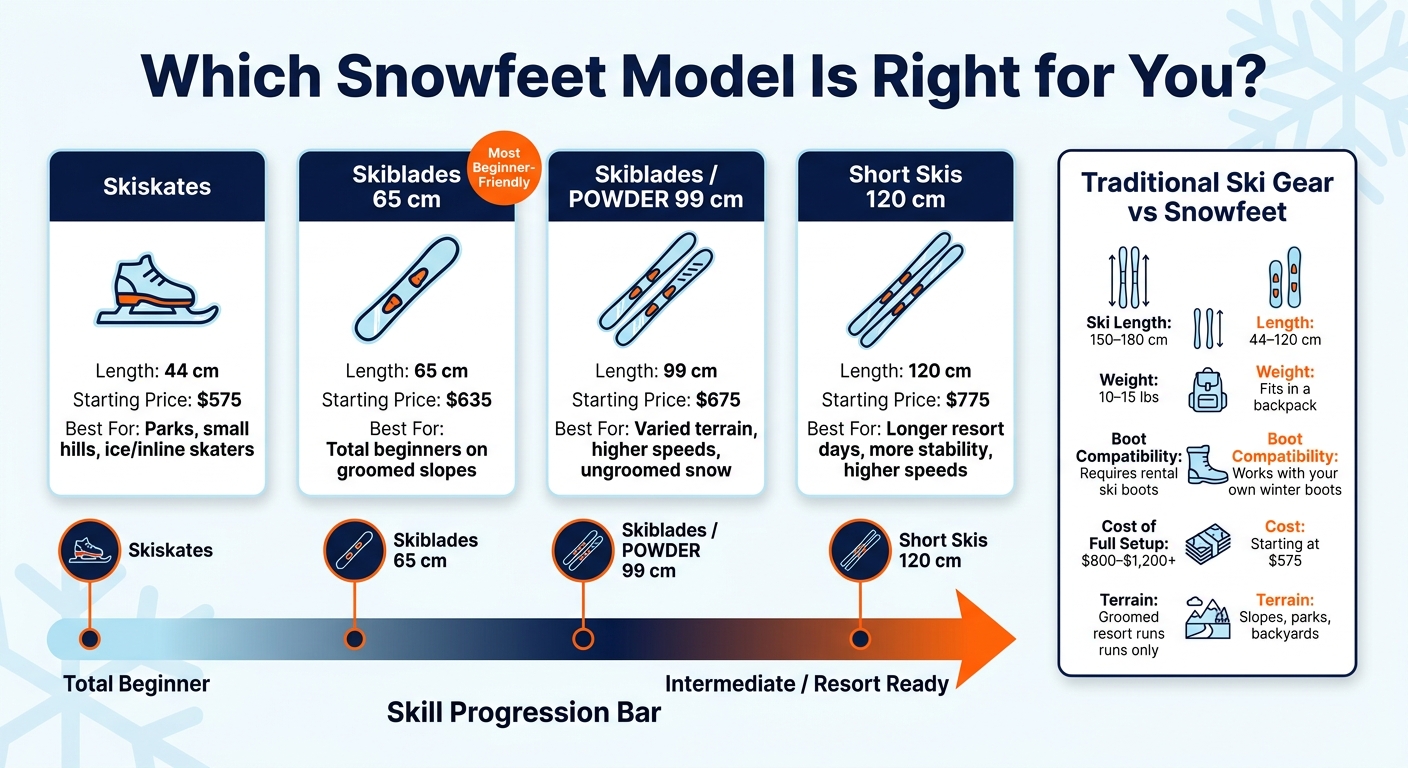
Snowfeet vs Traditional Ski Gear: Beginner Comparison Guide
Looking to hit the snow with Snowfeet? Picking the right model depends on your terrain, experience, and what you want out of your ride. Here's a breakdown to help you choose the best fit for your snowy adventures.
Snowfeet Skiskates (44 cm): Compact and Fun
The 44 cm Skiskates (starting at $575) are perfect for ice or inline skaters who want something quick and playful. These are great for parks, small hills, or casual outings. They’re lightweight and portable, making them easy to carry around. Keep in mind, though, they’re better suited for short, fun runs rather than long resort days.
Snowfeet Skiblades (65 cm): Beginner-Friendly Choice
The 65 cm Skiblades (starting at $635) strike a nice balance for first-timers. They’re long enough to give you that skiing feel but short enough to make turning and stopping a breeze. If you’re brand new to skiing and plan to stick to groomed slopes, these are a solid pick to build confidence quickly.
"These ski blades are a blast to use. Super easy to control, quick to turn, and way more forgiving than traditional skis." - Brad Tolin
If you’re looking for more stability or want to explore different terrains, the 99 cm models might be worth considering.
Snowfeet Skiblades (99 cm) and POWDER (99 cm): Versatile and Stable
The 99 cm Skiblades (starting at $675) are designed for those ready to explore more varied terrain and pick up some speed. The standard version features a deep parabolic sidecut, making carving feel smooth and easy. For softer, ungroomed snow, the POWDER 99 cm is the way to go. Both options offer more stability than the shorter models but still keep things light and easy to handle.
"I had a lot of fun with the 99s. They are easier to turn than skis." - MindySue
Snowfeet Short Skis (120 cm): Go the Distance
If you’re planning full days on the mountain, the 120 cm Short Skis (starting at $775) are your best bet. They provide a more traditional skiing experience with added stability, making them great for longer runs and higher speeds. Despite their size, they’re still portable enough to fit in a backpack, keeping Snowfeet’s signature convenience intact.
| Model | Length | Starting Price | Best For |
|---|---|---|---|
| Skiskates | 44 cm | $575 | Parks, small hills, skaters |
| Skiblades | 65 cm | $635 | Total beginners on groomed slopes |
| Skiblades / POWDER | 99 cm | $675 | Varied terrain, higher speeds |
| Short Skis | 120 cm | $775 | Longer resort days, more stability |
How to Get Ready for Your First Day with Snowfeet Gear
What to Wear and What Safety Gear to Bring
Dressing right can make or break your first day on the slopes. Start with a moisture-wicking base layer - skip the cotton, as it traps moisture and makes you cold. Add an insulating mid-layer to keep warm, and top it off with a waterproof, windproof shell to block out the elements. For your hands, go with waterproof insulated gloves or mittens, and stick to one pair of wool or synthetic ski socks for your feet - more isn’t better when it comes to socks.
Safety gear is just as important. An ASTM/CE-certified helmet is a must. According to the American Academy of Pediatrics, wearing a helmet can reduce the risk of head injuries by 22–60%. Pair it with UV-protective goggles that match the day's lighting conditions. Since falls are part of the learning curve, think about adding snowboard-style wrist guards and knee pads for extra protection.
Once you’ve got the right gear, it’s time to set up your Snowfeet for the best experience.
How to Set Up Your Snowfeet Gear
Setting up your Snowfeet is simple, but a proper fit makes all the difference. Place your boot squarely on the Snowfeet platform, aligning the ball of your foot with the center. Tighten the toe and heel straps evenly - snug enough to eliminate side-to-side movement and heel lift, but still comfortable enough to allow forward ankle flex. This setup ensures maximum comfort and control, one of the big perks of Snowfeet compared to traditional ski gear.
Before hitting the slopes, test your setup on flat ground. Shift your weight and try small hops to confirm the fit is secure and comfortable. If you’re using the 99 cm or 120 cm models with ski-style bindings, visit a certified ski technician at a U.S. shop to set the DIN. This adjustment, based on your weight, height, boot sole length, and skill level, is a major safety step.
How to Practice on Your First Day
Once your gear is ready, follow these tips to ease into Snowfeet and build confidence.
Start on the gentlest slope you can find - a beginner hill at a resort or a wide, low-angle run with a flat, safe stopping area is ideal. Begin on flat ground by practicing basic movements like marching and sliding one foot at a time. This helps you get a feel for how the gear moves. When you’re comfortable, move on to straight glides. Keep a relaxed, athletic stance: knees bent, hips aligned over your feet, and hands slightly forward.
As you gain balance, start working on speed control with small S-turns. These turns rely on gentle weight shifts to guide the short blades, and the compact size of Snowfeet makes them super responsive. A slight press in the direction you want to go is often enough to steer. Keep your first practice sessions to about 60–90 minutes - fatigue is a common reason beginners take spills, so take breaks before you get too tired.
What to Pack for a Full Day Out
Bring along a few essentials to stay comfortable and prepared. Pack SPF 30+ sunscreen, lip balm, a reusable water bottle, high-energy snacks that won’t freeze, hand and toe warmers, and an extra pair of gloves or socks. A low-profile backpack is perfect for stashing everything without getting in your way.
Conclusion: Why Snowfeet Is the Smarter First Step into Skiing
Your first day on the slopes can shape your entire skiing journey. If your gear feels awkward or overwhelming, it’s easy to start questioning whether skiing is right for you. According to the National Ski Areas Association (NSAA), many beginners never return after their first try, often citing discomfort, difficulty, and intimidation as reasons for giving up.
That’s where Snowfeet comes in. Designed to be shorter, lighter, and compatible with your everyday boots, Snowfeet eliminates much of the hassle and expense of traditional ski gear. Instead of spending $800–$1,200 or more on a full setup, Snowfeet offers an affordable alternative that reduces the financial risk while giving you everything you need to get started.
This simplicity and ease make a huge difference for beginners. Snowfeet helps you focus on building confidence with small but important milestones - like mastering a smooth glide, nailing a controlled stop, or linking your first turns. These early wins are crucial for keeping motivation high, unlike gear that’s too long or stiff, which can make learning feel frustratingly hard.
Snowfeet also offers a natural progression. You can start with beginner-friendly models and gradually move to more advanced options as your skills improve. Each step builds your confidence, turning that first glide into a full day of fun on the slopes.
With Snowfeet, your first day doesn’t have to be stressful or overwhelming. Instead, it becomes an enjoyable experience that sets the stage for a lifelong love of skiing. Why not make your start as smooth and fun as possible? Snowfeet makes it easy.
FAQs
Can I use Snowfeet with my regular winter boots?
Snowfeet are made to be used with your regular winter boots. Unlike traditional skis that need pricey, specialized ski boots, Snowfeet have a universal binding system. This means they work with waterproof winter shoes, snowboard boots, or even ski boots. For the best experience, make sure your boots fit securely in the bindings to keep control and stay stable while you're on the slopes.
Which Snowfeet length should I choose as a beginner?
For those just starting out, 65 cm Skiblades are a great choice. They strike a balance between stability and agility, making them much easier to handle compared to regular skis.
If you’ve got a background in skating, hockey, or inline skating, you might want to try the 44 cm Skiskates. They’re super maneuverable and feel more natural for folks with that kind of experience. As your skills improve, you can move up to 99 cm or 120 cm Skiblades, which are perfect for tackling diverse terrains with added speed and stability.
Are Snowfeet allowed at most ski resorts?
Yes, you can use Snowfeet at most ski resorts. Thanks to their metal edges, they meet safety standards for the slopes, which is why resorts allow them. Whether you're cruising down groomed trails, hitting terrain parks, or exploring resort paths, Snowfeet offer a lightweight and compact option compared to traditional skis. They let you enjoy the slopes without dealing with bulky equipment.











Zostaw komentarz
Ta strona jest chroniona przez hCaptcha i obowiązują na niej Polityka prywatności i Warunki korzystania z usługi serwisu hCaptcha.