
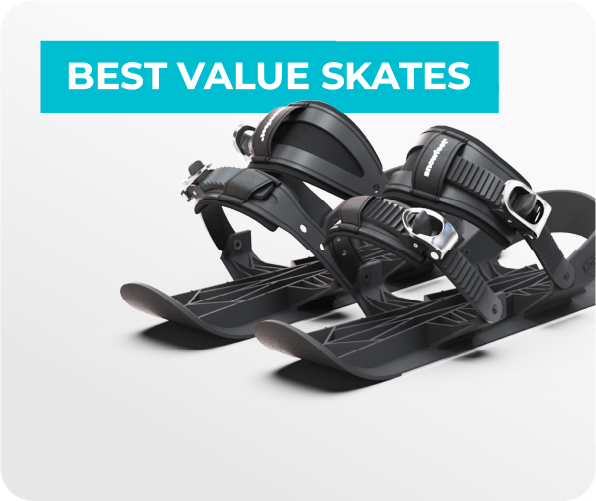
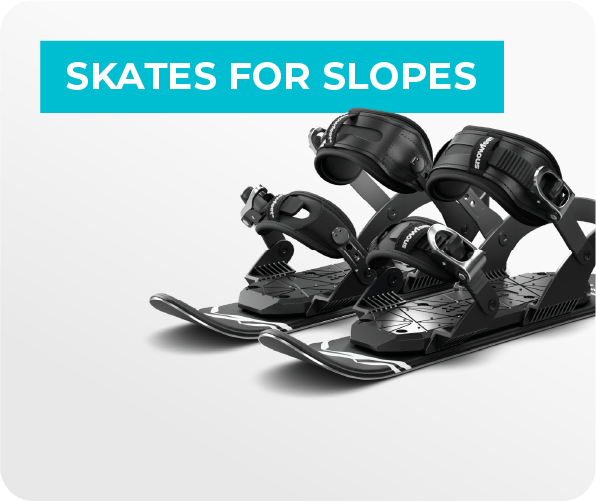
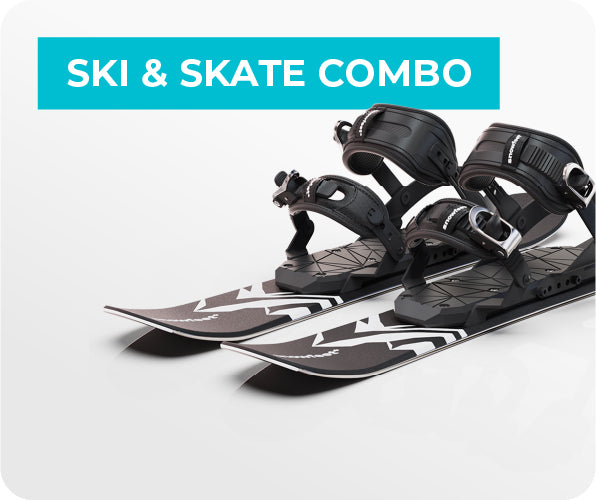
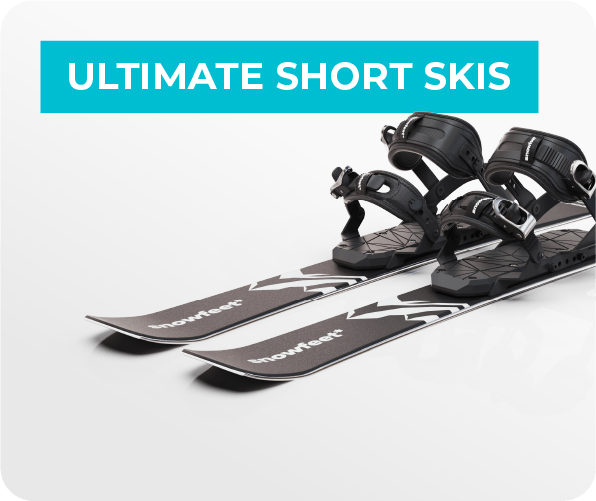
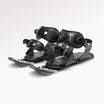
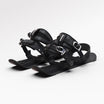
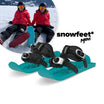
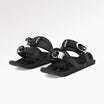
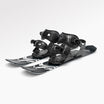
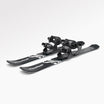
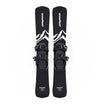
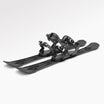
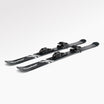
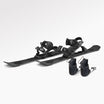
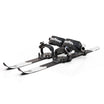
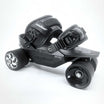
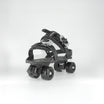
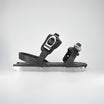
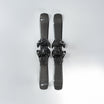
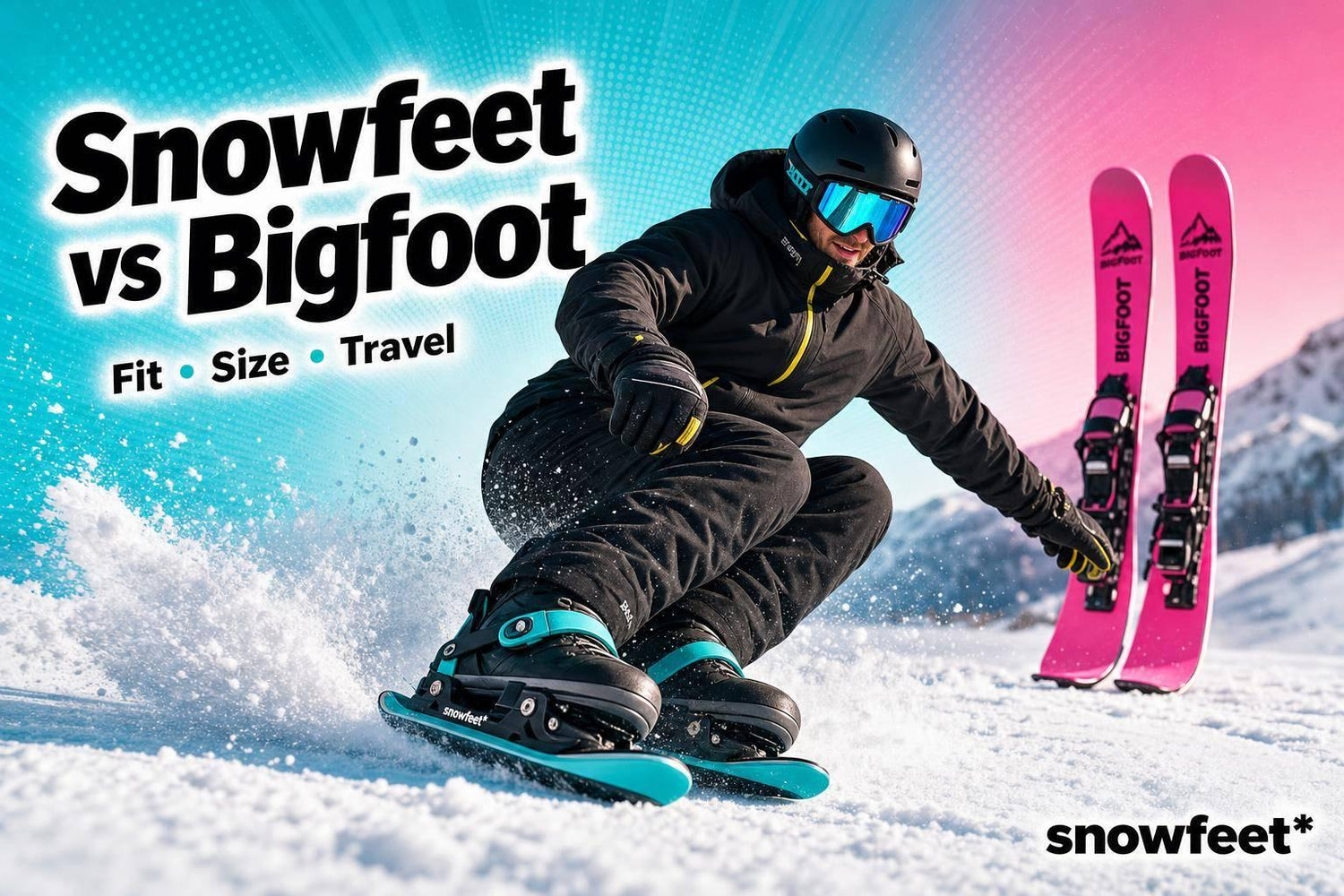
If you want the short version: I’d pick Snowfeet* for most people. They’re easier to pack, work with more boot types, and come in more sizes - from 17 in to 47 in (44 cm to 120 cm). Bigfoot-style snowblades still make sense if you care most about groomer carving and a bit more calm at higher speed.
Here’s the quick breakdown:
- Snowfeet*: more boot options, smaller gear, more playful feel
- Bigfoot snowblades: ski-boot-only, older setup, more ski-like feel
- Best for beginners and families: Snowfeet*
- Best for skaters and snowboarders: Snowfeet*
- Best for pure groomer carving: Bigfoot-style blades or longer Snowfeet* models
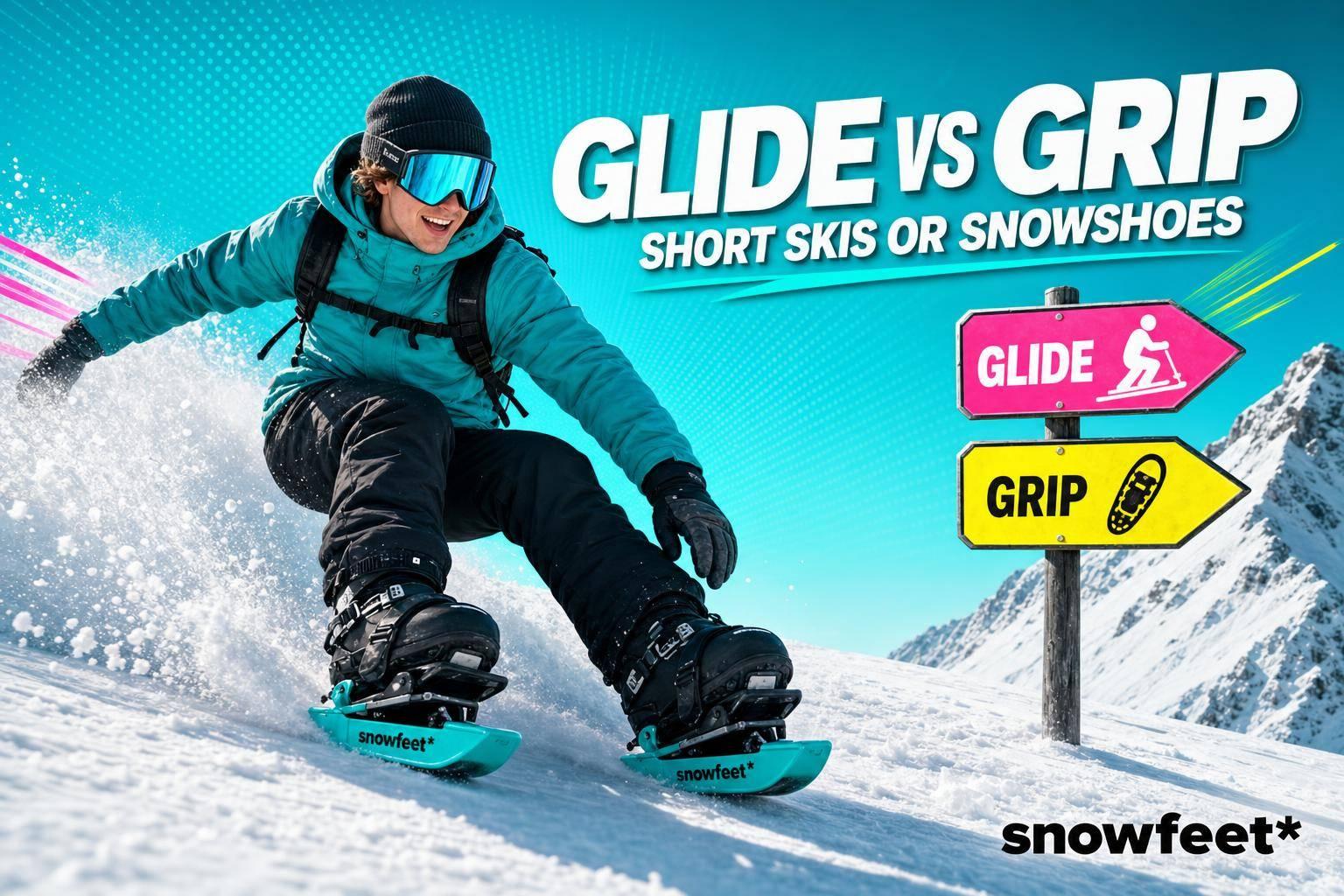
- Shortest Snowfeet* models: best for low-speed fun, spins, and tight turns
- Longer Snowfeet* models: better for blue runs, chop, and more edge hold
Snowboarder tries Snowfeet* | Which Snowfeet* Short Ski is the Best? | Snowblades 44, 65, 99 Review
Quick Comparison
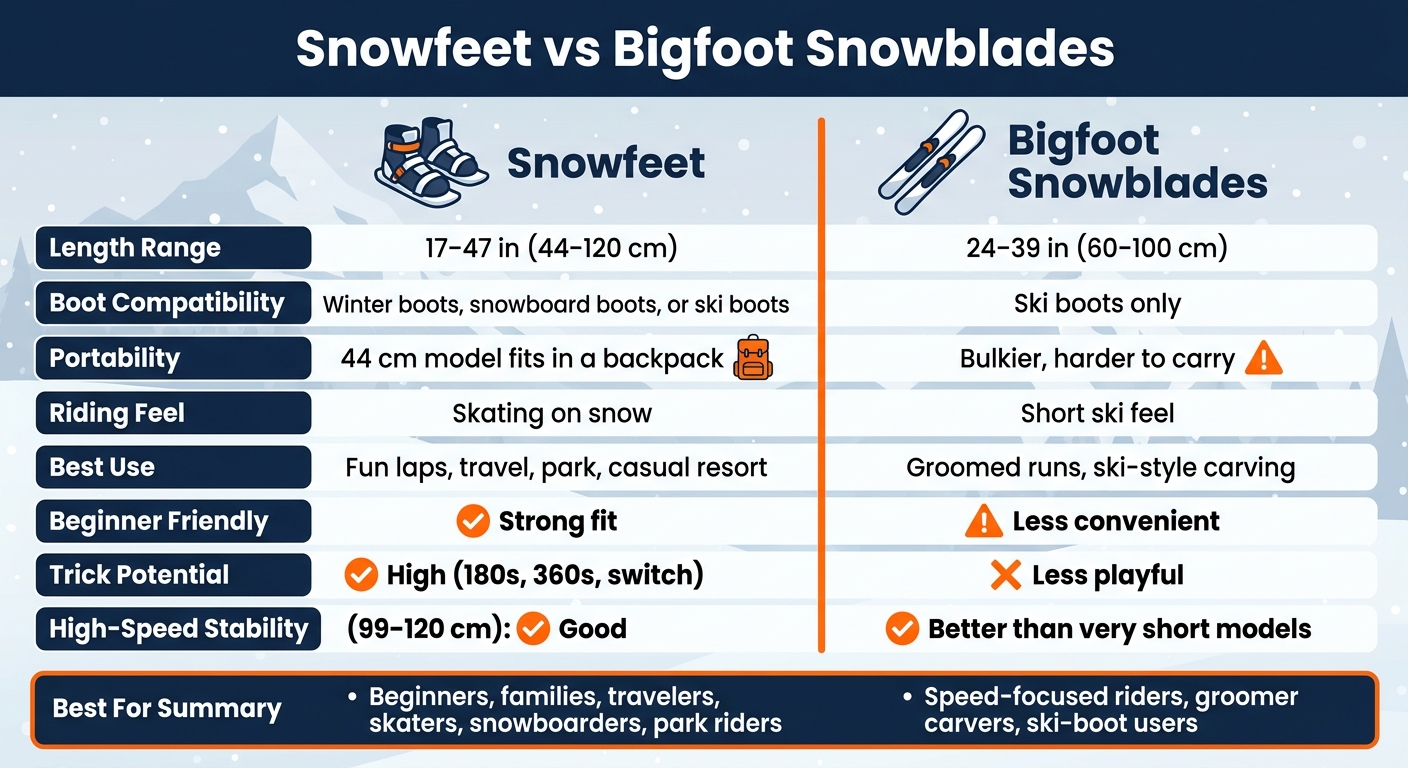
Snowfeet vs Bigfoot Snowblades: Side-by-Side Comparison
| Feature | Snowfeet* | Bigfoot Snowblades |
|---|---|---|
| Length range | 17–47 in (44–120 cm) | 24–39 in (60–100 cm) |
| Boot options | Winter boots, snowboard boots, or ski boots depending on model | Ski boots only |
| Portability | 44 cm model fits in a backpack | Bulkier to carry |
| Feel | More like skating on snow | More like short skis |
| Best use | Fun laps, travel, park, casual resort riding | Groomed runs and ski-style carving |
| Beginner use | Strong fit for many riders | Can work, but less convenient |
| Trick use | Better on shorter models | Less playful |
| Higher-speed calm | Better on 99 cm and 120 cm models | Often better than very short models |
I see this as a simple choice: if you want easy fun with less gear hassle, go Snowfeet*. If you want a more ski-like ride and don’t mind ski boots, Bigfoot-style blades still have a place. So, the rest comes down to how you ride, what boots you own, and whether your day looks more like playful laps or fast groomers.
What Snowfeet* and Bigfoot Snowblades Are
Snowfeet* short skis and skiskates: 44 cm to 120 cm
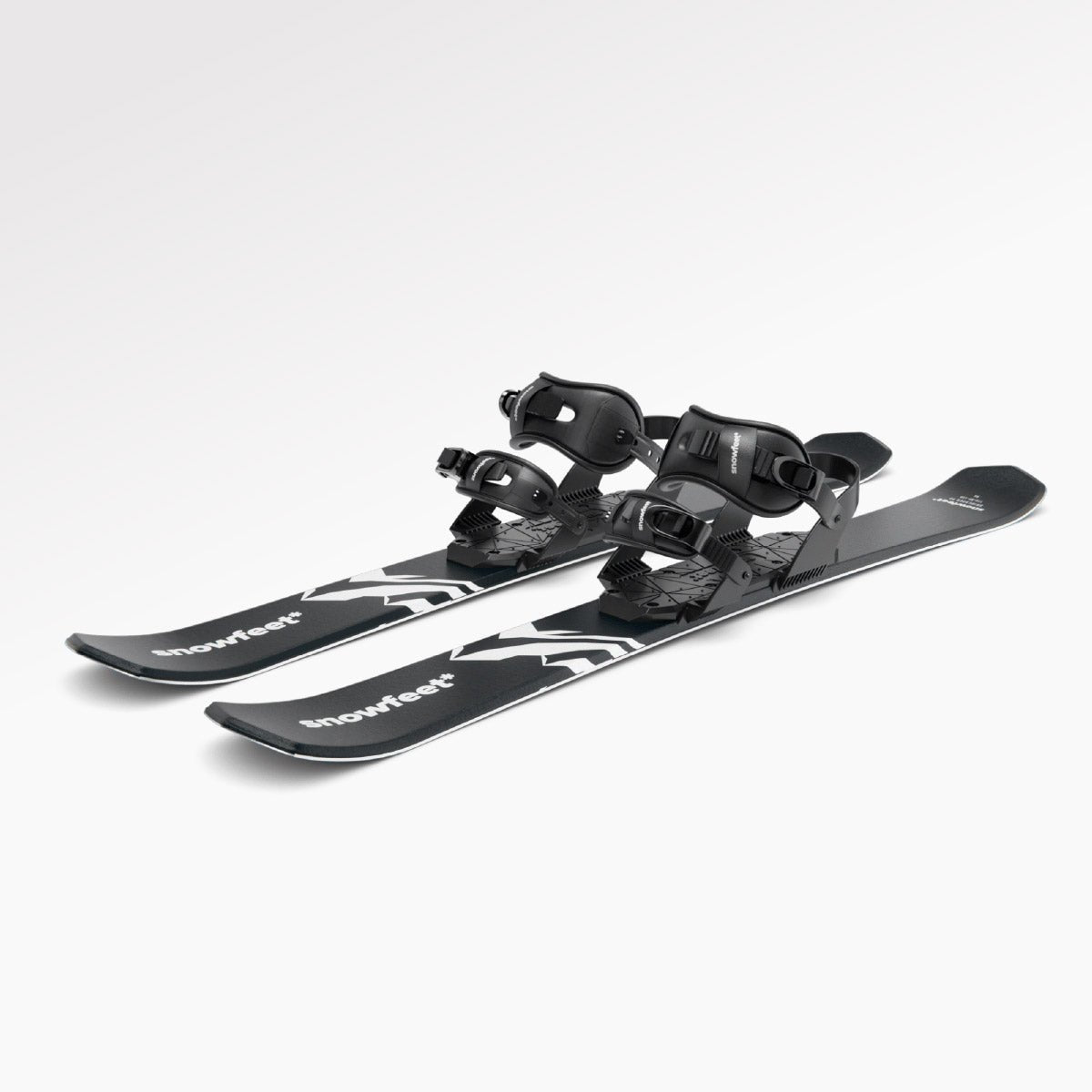
Snowfeet* makes four main sizes: 44 cm Skiskates, 65 cm Skiblades, 99 cm Skiblades, and 120 cm Short Skis.
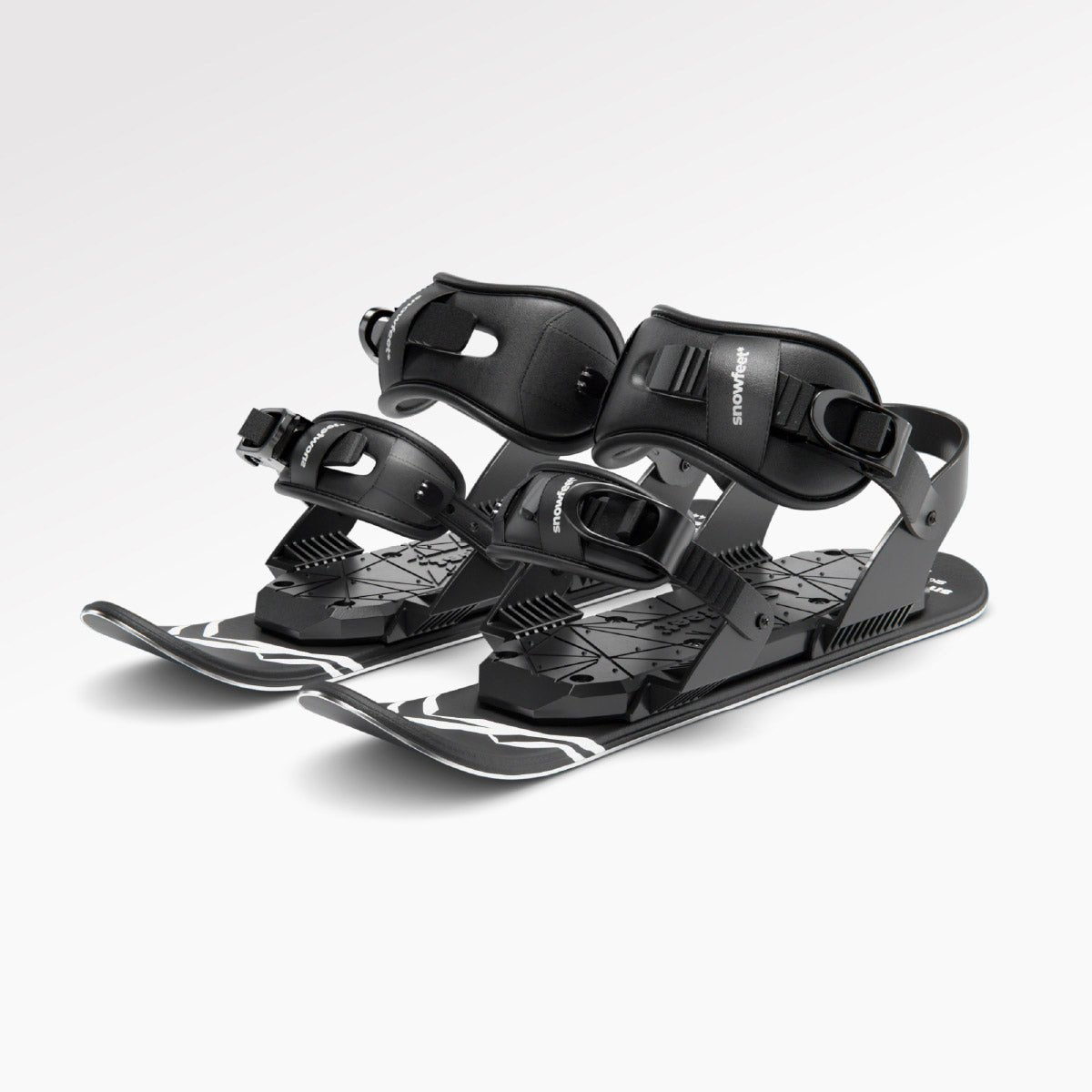
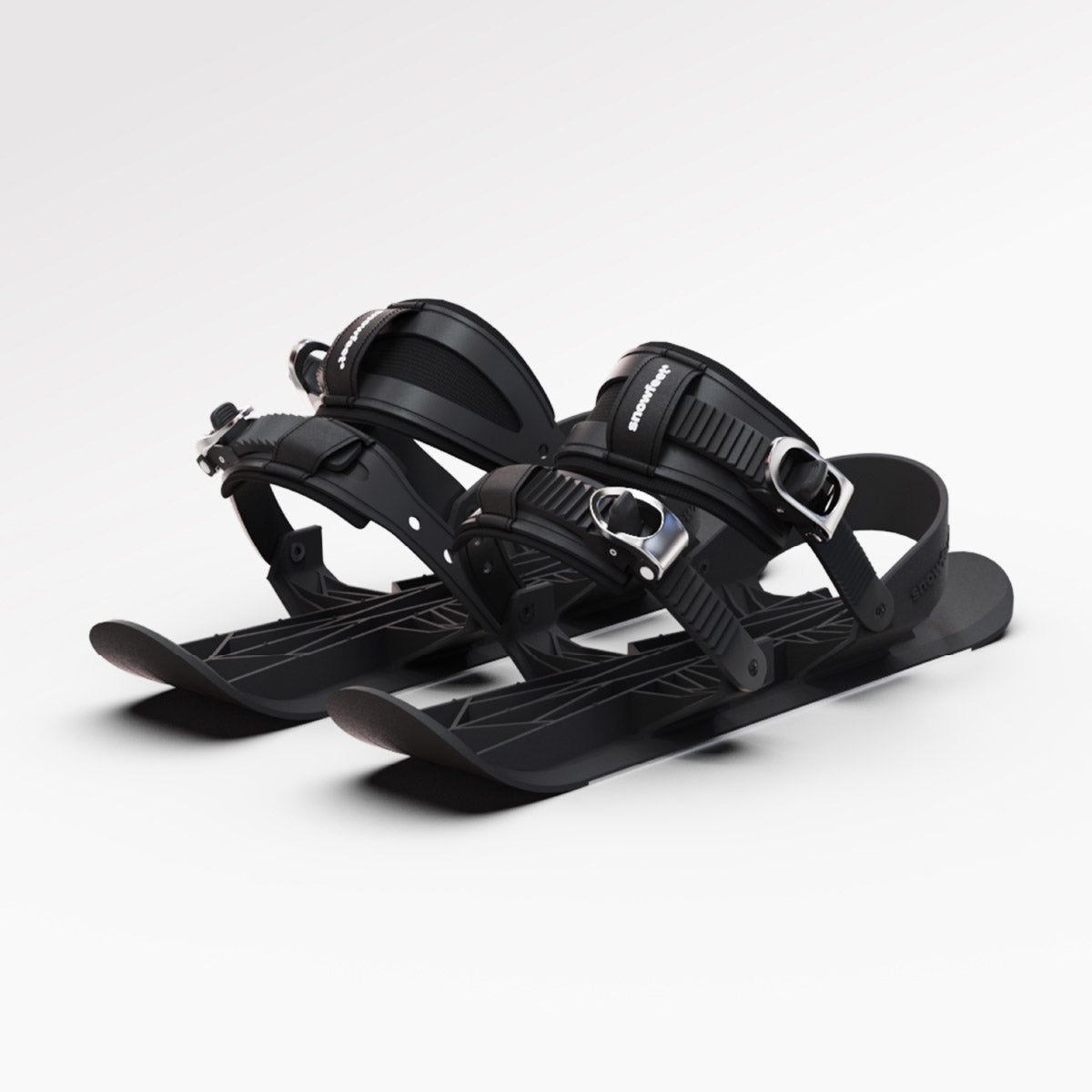
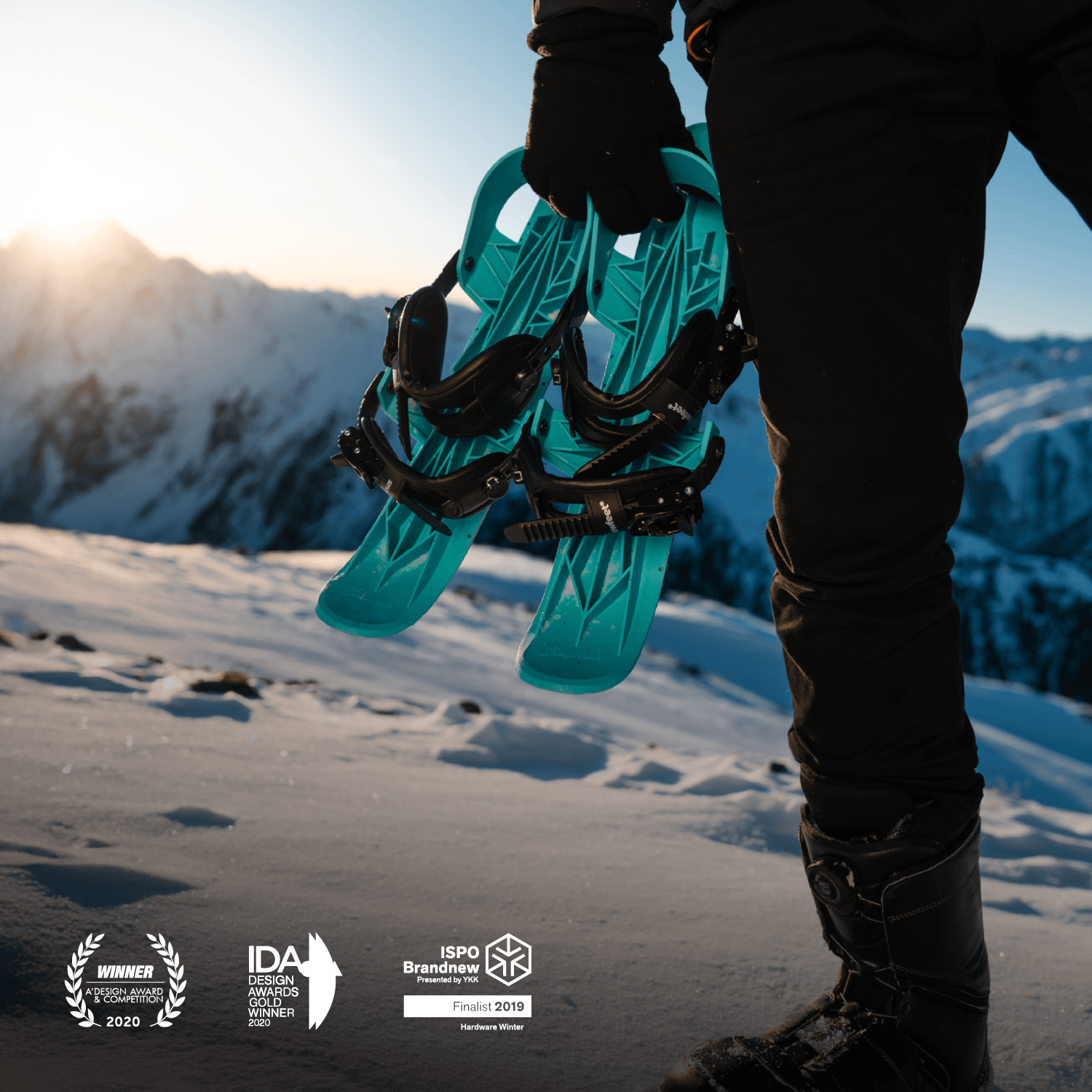
The 44 cm Skiskates are the smallest and most playful of the bunch. You can strap them onto regular winter boots or snowboard boots, which is a big part of the appeal. The ride feels closer to skating on snow than to standard skiing. They’re made for quick pivots, playful moves, and tight turns on mellow slopes. They also use a wood core, metal edges, and a graphite base.
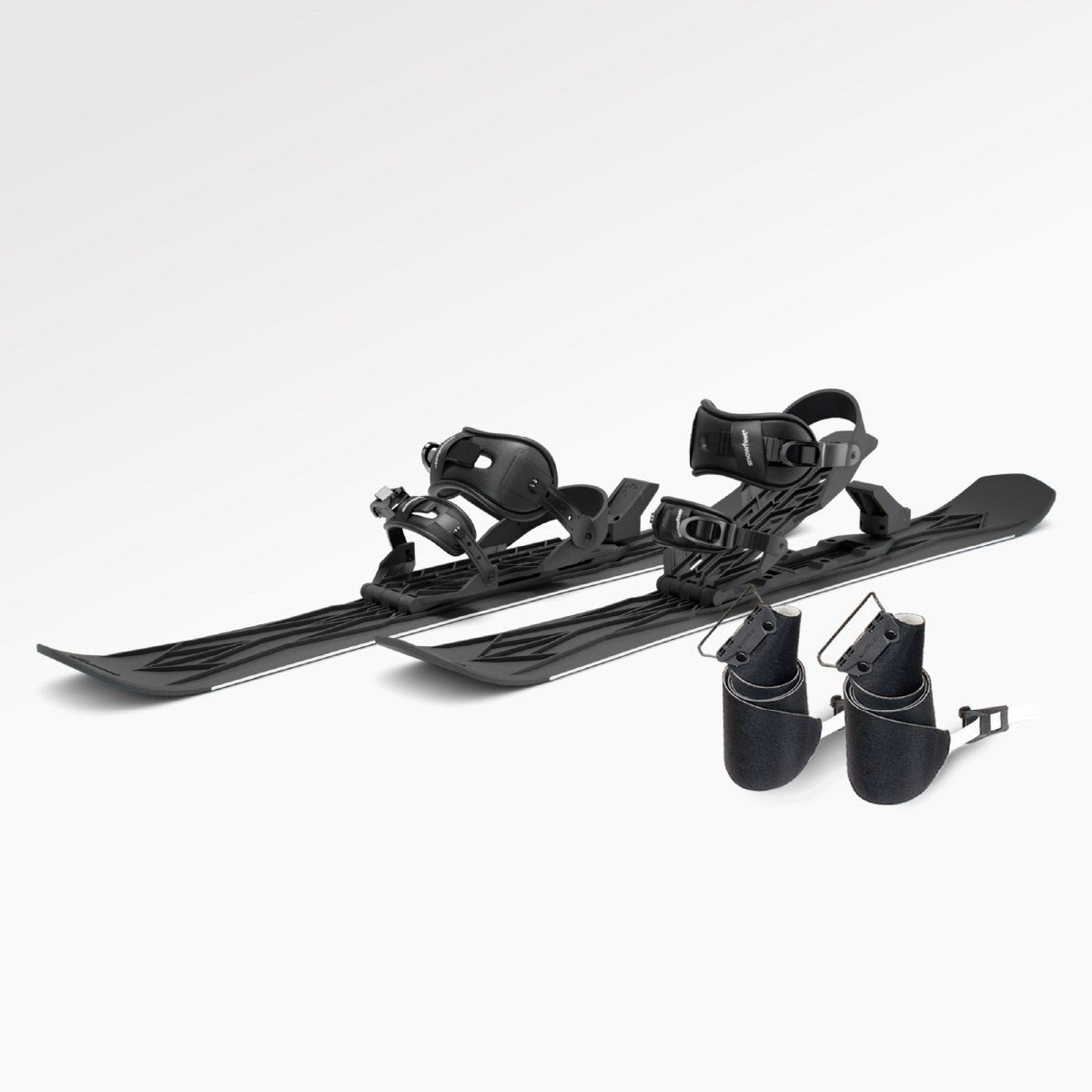
On the other end, the 120 cm Short Skis feel much closer to compact all-mountain skis. They track better when you pick up speed, deal with chopped snow or small moguls with more control, and still take up far less space than full-length skis. Nice middle ground, honestly.
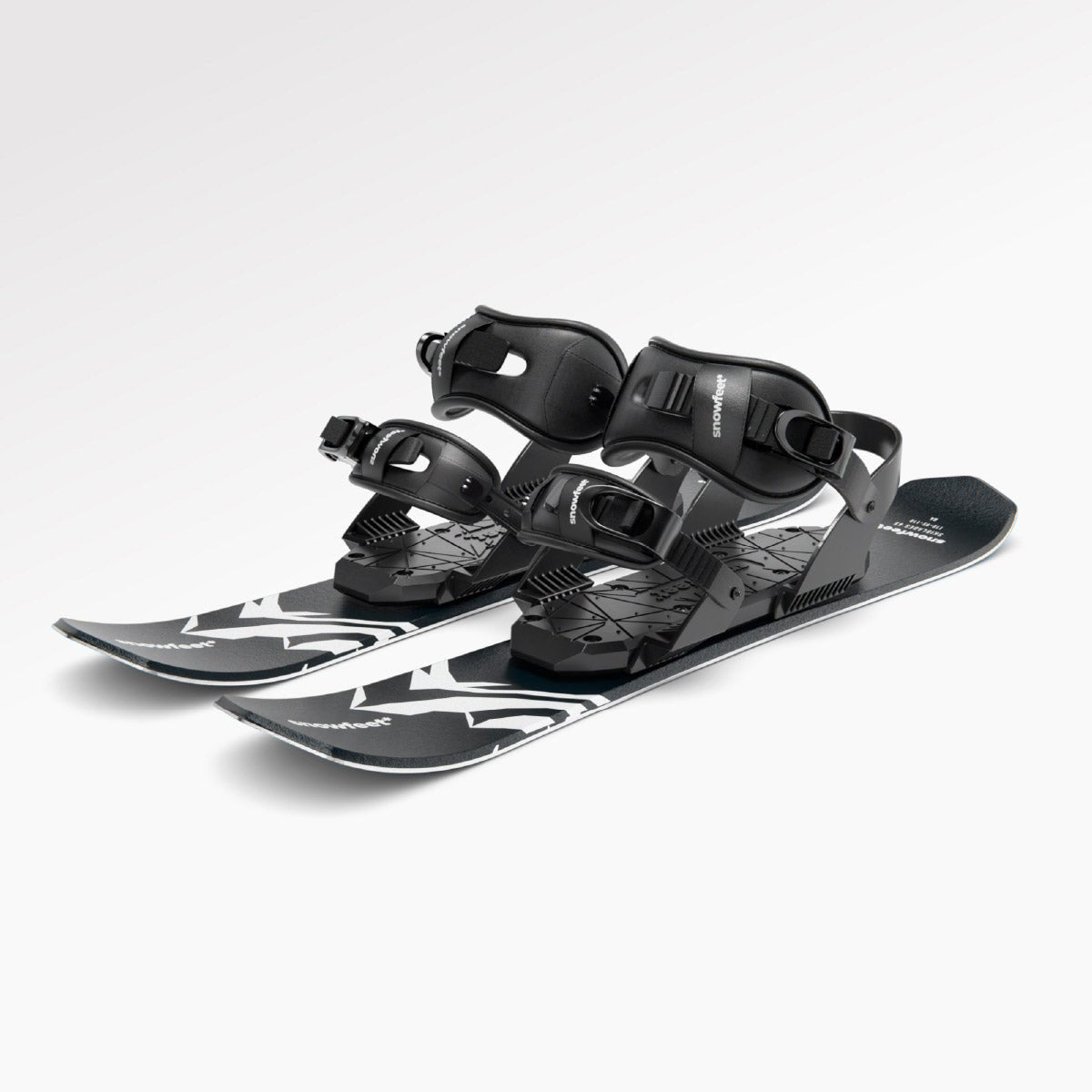
The 65 cm and 99 cm Skiblades sit right between those two ends:
- The 65 cm model stays nimble and works better for park riding
- The 99 cm model adds a deep parabolic sidecut for smoother carving on groomed runs
Boot fit changes across the lineup too. The 44 cm Skiskates fit ski boots from US men's size 4.5 to 14.5 and snowboard boots from US men's size 6 to 14.5. The longer models, like the 99 cm and 120 cm versions, use more standard ski-style bindings. That gives Snowfeet* more range for different riders and different terrain than older snowblades.
Bigfoot and classic snowblades: a brief history
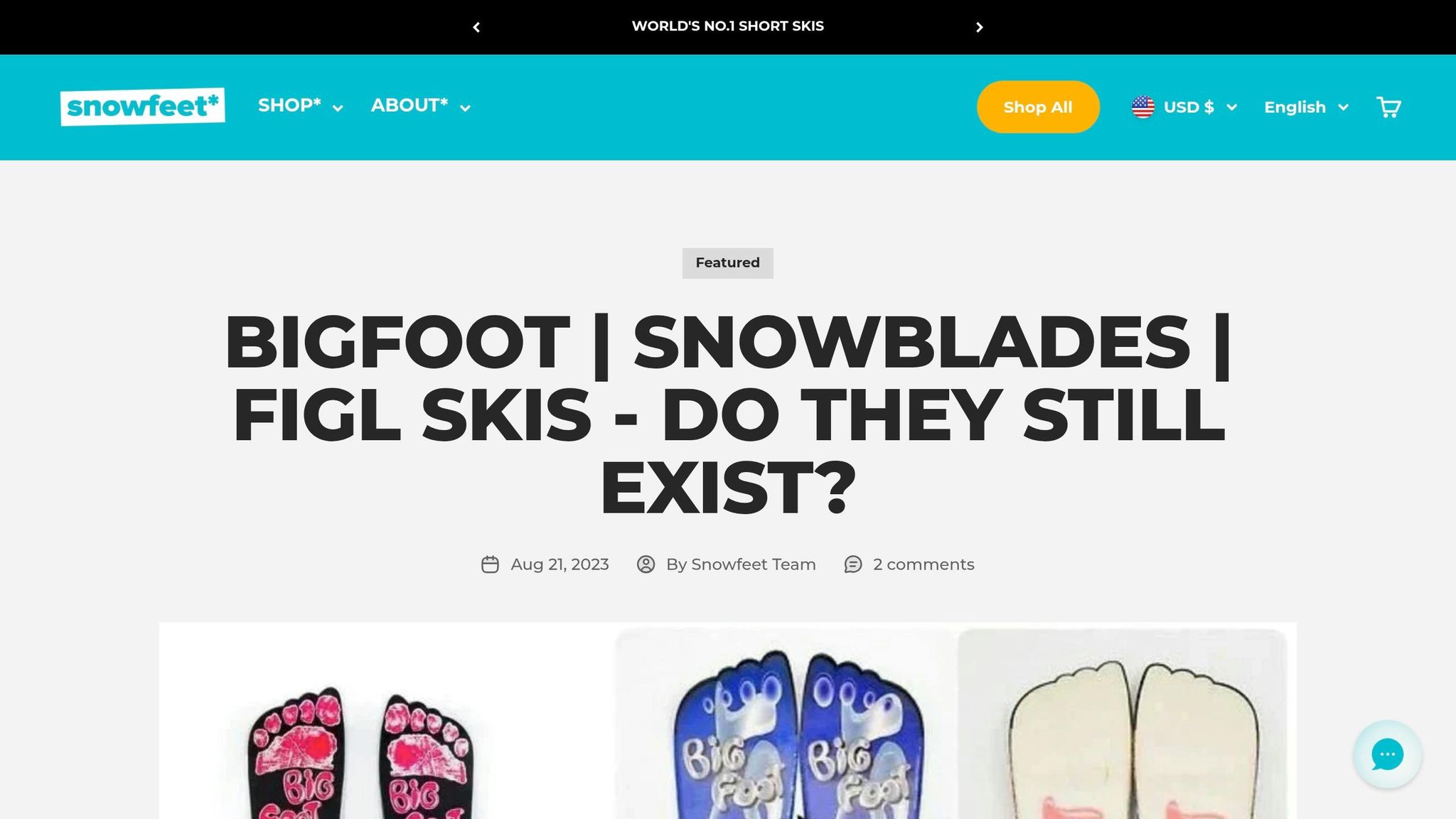
Bigfoot-style snowblades were early short skis that got popular in Europe and North America in the 1990s and 2000s. Most were about 60 to 80 cm long and were sold as easier to turn than alpine skis.
Their main drawback comes down to boots. Bigfoot-style blades are made for standard alpine ski boots, so you can’t use them with winter boots or snowboard boots. They also rely on older shapes and older build methods than current Snowfeet* models. In plain English: those limits tend to show up in control, portability, and speed.
sbb-itb-17ade95
Design and Performance: How They Compare
Once the designs are clear, the next thing that matters is simple: how they feel on snow and how much gear they ask from you.
Boot compatibility, weight, and portability
Snowfeet* comes out ahead on boot choice, weight, and how easy the gear is to carry. You get more boot options, which means less rental drama and less stuff to deal with on a trip. Bigfoot-style blades use integrated alpine bindings, so you need standard ski boots. That's the deal. No wiggle room there.
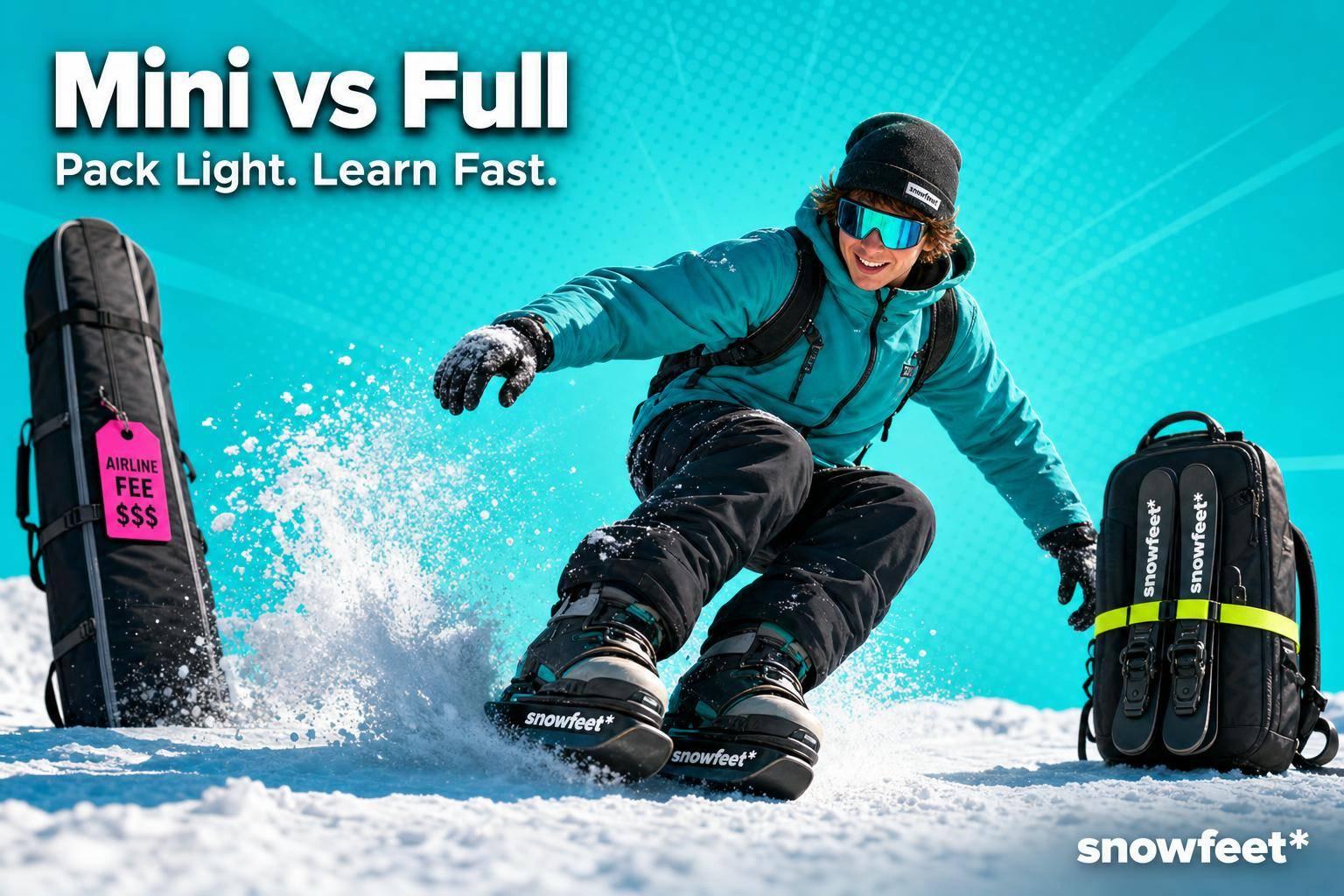
Portability is another big win for Snowfeet*. The 44 cm Skiskates fit in a standard backpack. Even the longer 99 cm and 120 cm models are easier to pack than full-length skis. Bigfoot-style blades are often heavier because of older binding systems, and they can be a bit clunky to haul around.
That kind of convenience starts to matter fast once you're heading to the lift, the lodge, or the car.
Learning curve, turning, and everyday control
Snowfeet* says the learning curve for its shorter models is about five minutes, mainly for people with skating or hockey experience. That checks out. The 44 cm and 65 cm models let you stand more upright and turn with skating-style moves, so they feel natural on green runs and other beginner terrain.
Bigfoot-style blades are also easy to pick up, but they can feel twitchy on firm snow or chopped-up runs. That’s fine at low speed. It gets less fun when the surface turns rough.
The 99 cm and 120 cm Snowfeet* Skiblades move closer to the feel of a compact all-mountain ski. They carve clean, predictable arcs on blue runs and deal with afternoon chop better than classic Bigfoot blades. The reason is pretty simple: the longer running surface keeps the edge in contact through mixed snow.
Stability, speed, and tricks
Here’s the plain truth: shorter skis give up stability at speed. That applies to both the 44 cm Skiskates and classic Bigfoot blades. The shortest models are made for playful, lower-speed riding, not for bombing steep black runs like you’ve got something to prove.
Snowfeet* narrows that gap with the 99 cm and 120 cm models. Those feel more planted on steeper blue runs and easier black runs. They also stay more stable from tip to tail than older Bigfoot-style blades when the snow gets rough late in the day.
For tricks, though, the shorter Snowfeet* models take it. Their low swing weight makes 180s, 360s, and switch riding feel natural. On top of that, the wood core and metal edges hold up better on park features than older Bigfoot builds.
Those tradeoffs line up with different types of riders and different terrain, which the next section breaks down.
Best Pick by Rider Type and Terrain
Beginners, casual resort riders, and families
The tradeoffs above make it easier to pair each model with the way you ride.
For most beginners, the 65 cm Skiblades are the best place to start. They’re easier to handle and less intimidating on day one. If you want a bit more support on blue runs, the 99 cm model gives you that extra bit of confidence. Bigfoot-style blades can work too, but bindings that only fit ski boots make them less handy for families.
Travelers, skaters, snowboarders, and park riders
This is where Snowfeet* makes a lot of sense. The 44 cm Skiskates fit in a backpack, which is a pretty sweet deal if you travel light. The 65 cm and 99 cm Skiblades are also small enough to pack without much hassle.
For skaters and inline hockey players, the 44 cm Skiskates tend to click right away. The side-push, glide, and weight shift feel natural, almost like stepping onto ice. Snowboarders get a nice bonus too: several Snowfeet* models work with snowboard boots.
Advanced riders who want more speed or carving support
Once speed starts to matter more than easy handling, the pick changes.
If your main goal is pure high-speed carving, longer skis still do a better job holding an edge. That said, the 99 cm and 120 cm Snowfeet* Skiblades give advanced riders more stability and better carving support, while still keeping the playful, low-effort feel that makes Snowfeet* stand out. If you want agility without giving up too much control, these are the best Snowfeet* picks.
Conclusion: Why Snowfeet* Is the Better Buy for Most Riders
After looking at boot fit, portability, control, and speed, the answer is pretty simple: Snowfeet* takes the short-ski idea and makes it fit how people ride now. With lengths from 44 cm to 120 cm, more than one boot setup, and models that work for park laps, mellow resort runs, and in-between days, it covers more ground for more people.
For most casual riders, Snowfeet* is the more practical buy. The 44 cm Skiskates can fit in a backpack. The 65 cm and 99 cm Skiblades work with snowboard boots. That’s a big plus if you want gear that’s easy to carry, easy to pack, and easy to use. Classic Bigfoot-style blades don’t usually offer that kind of convenience. But speed-first riders care about something else.
The main tradeoff is speed. If your top goal is hard carving at high speed on steep or icy terrain, longer blades and full-size skis still do that job better. Snowfeet*’s 120 cm Skiblades get much closer, but they don’t close the gap all the way.
So for most riders - beginners, families, travelers, skaters, snowboarders, and casual resort riders - Snowfeet* is the better short-ski pick. It makes the most sense for moderate speeds, mixed terrain, and simple, easy fun.
FAQs
Which Snowfeet* size should I choose?
Choose based on your skill level, terrain, and goals:
- 65 cm: best for beginners or if you want max agility and a skate-like terrain park feel
- 99 cm Skiblades: the best mix of playfulness and stability for all-around resort riding
- 120 cm: best for advanced riders who want more speed, light powder performance, or a more classic ski feel
Can I use my regular winter boots with Snowfeet*?
Yes. Snowfeet* products work with a wide range of footwear, based on the model.
Snowfeet* Skiskates strap onto regular winter shoes, which makes them easy to use right away. Larger Skiblades come with adjustable bindings that fit snowboard boots or ski boots, so you get a secure hold for carving and higher speeds without needing extra specialized gear.
Are Snowfeet* stable enough for steeper runs?
Snowfeet* products give you solid stability and control on groomed slopes, terrain parks, and moderate terrain.
That said, on steeper or icy black runs, traditional full-length skis tend to do a better job. They usually give you more edge contact, stronger braking power, and steadier tracking.
Snowfeet* skiblades, especially the 99 cm and 120 cm models, work well for most recreational riders. But at very high speeds or in technical, icy conditions, they can feel a bit less stable.


Legg igjen en kommentar
This site is protected by hCaptcha and the hCaptcha Privacy Policy and Terms of Service apply.