



















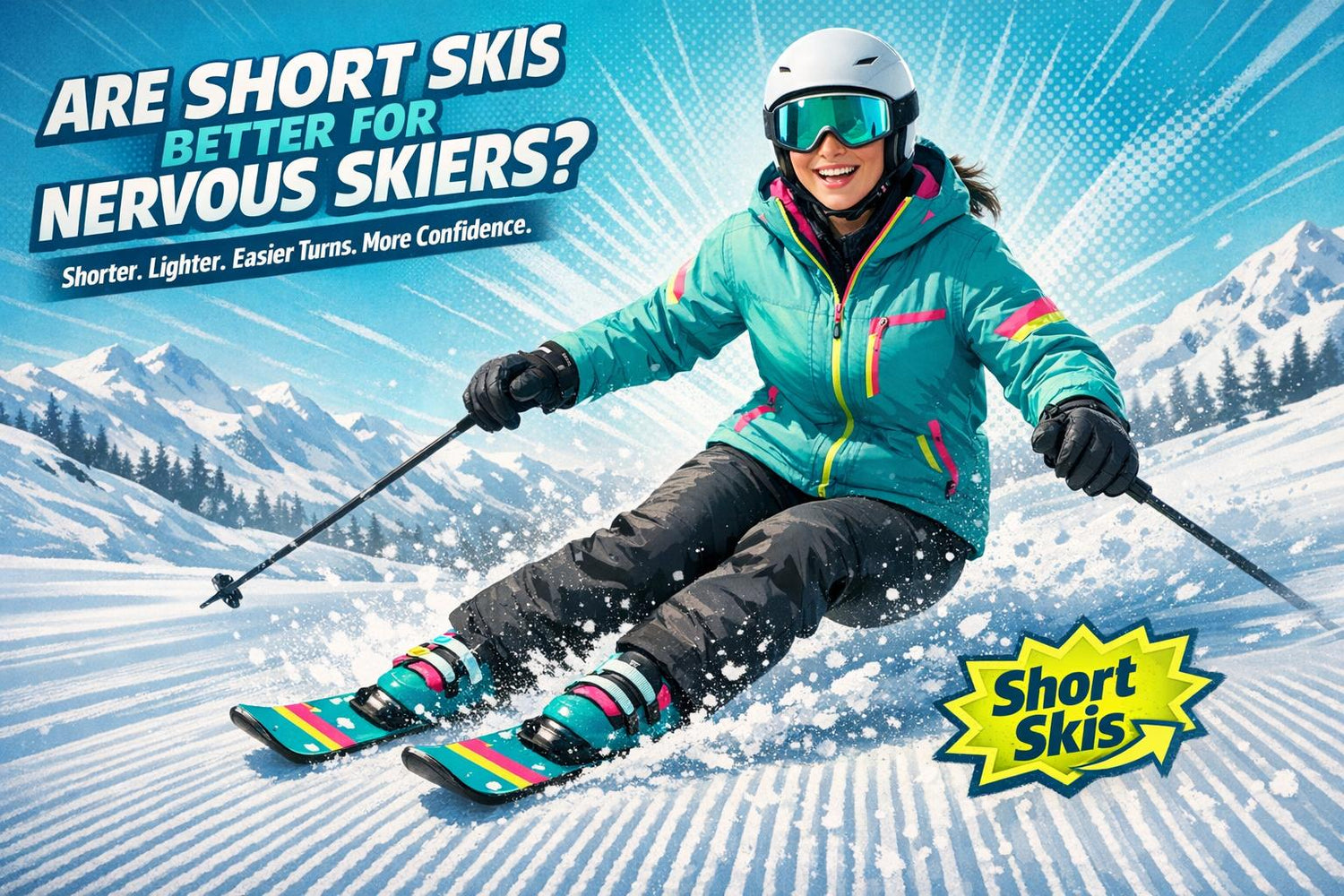
If you’re a nervous skier or just getting started, short skis might be your best friend on the slopes. They’re lightweight, easier to turn, and much less intimidating than longer skis. Whether you’re worried about crossing ski tips, struggling to stop, or just feeling out of control, short skis can make skiing feel manageable and enjoyable. Here’s why:
- Easier to Handle: Short skis respond quickly to small movements, making them perfect for beginners.
- Less Fatigue: Their lighter weight means less strain on your legs.
- Faster Learning Curve: You can master basic techniques like turning and stopping in no time.
- Confidence Boost: Their compact size feels less overwhelming, helping you focus on having fun.
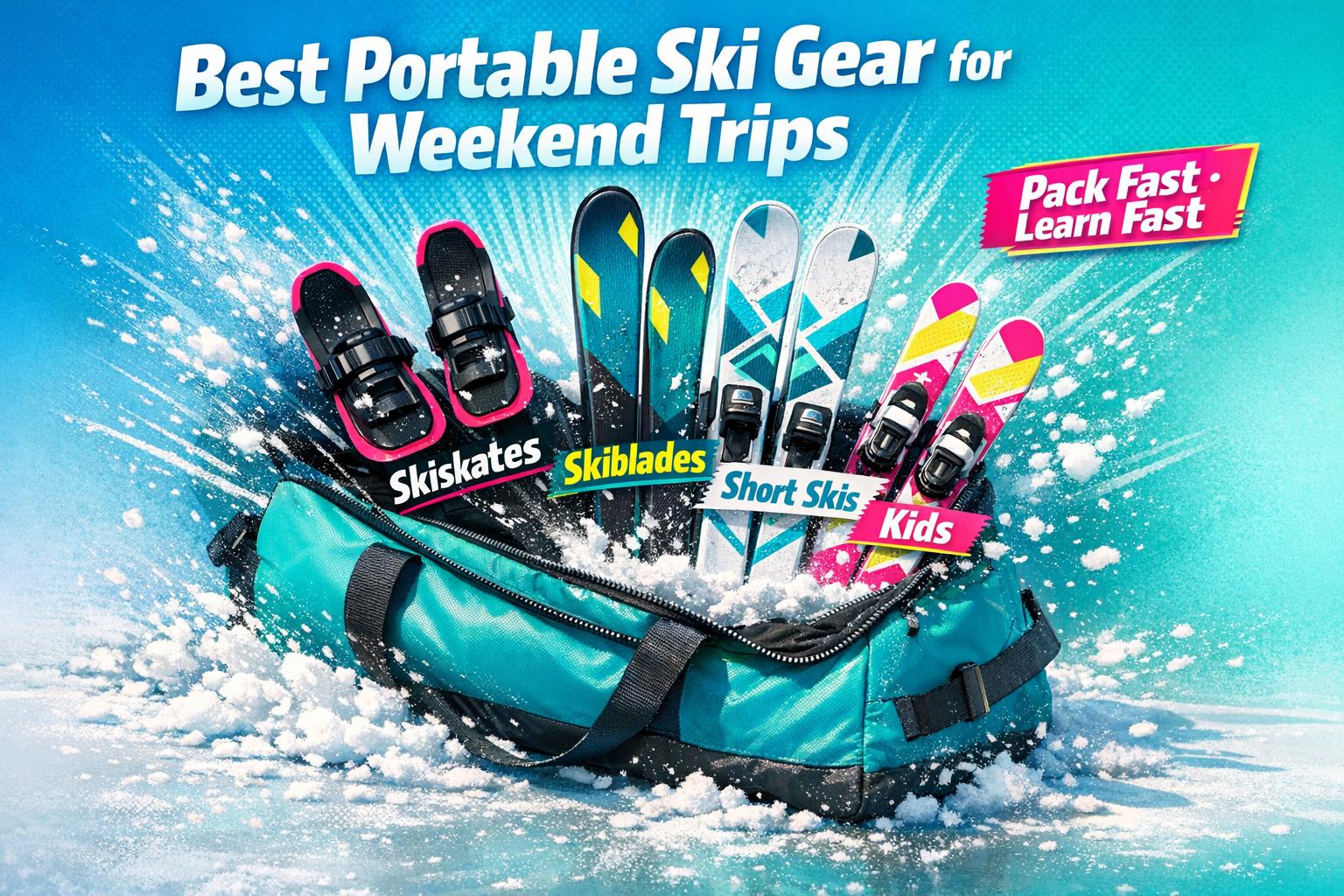
Snowfeet’s lineup of short skis, like the 44 cm Skiskates or 120 cm Short Skis, offers options for every comfort level. Whether you’re a first-timer or looking for a smoother ride on green slopes, these skis are designed to give you control and confidence.
So, if long skis feel like too much, short skis could be the solution to get you skiing with ease and a smile. :)
Are Short Skis Better for Beginners?
Why Short Skis Feel Less Scary for Nervous Skiers
When traditional skis feel overwhelming, short skis provide a sense of control that can ease the nerves of hesitant skiers.
Longer skis can feel unpredictable, almost like they have a mind of their own. Their added length makes them slower to respond, which can leave skiers feeling out of control - especially when starting out. Short skis, on the other hand, react quickly and are easier to manage, giving you confidence right from the start.
Shorter Length Makes Skis Easier to Handle
Short skis are simply more manageable. Whether it’s a 44 cm Skiskate or a 65 cm Skiblade, these compact designs pivot and change direction almost instantly. This quick response means your movements feel more intuitive and predictable. Plus, shorter skis reduce the chance of crossing tips, a common frustration with longer skis. On beginner-friendly green slopes, you can make small, controlled "S" turns without needing much speed or space, making the hill feel far less intimidating.
Lighter Weight Means Better Balance and Less Fatigue
Traditional skis can feel heavy, which adds to the physical and mental strain. That extra weight can tire your legs faster and make movements feel stiff or forced. Short skis, being much lighter, require less effort for every adjustment - whether it’s a quick edge shift or a small hop to reset your stance. This reduced effort helps you maintain better balance and keeps your legs fresher for longer. As one Snowfeet* user, Brad Tolin, shared:
"These ski blades are a blast to use. Super easy to control, quick to turn, and way more forgiving than traditional skis." - Brad Tolin
Faster Learning Curve on Short Skis
Short skis also make learning to ski less intimidating. Their smaller turning radius allows you to make smooth, controlled turns at slower speeds, which is perfect for beginners. Techniques like the snowplow wedge - where you push the ski tails outward to stop - are much easier to master with shorter skis. According to Snowfeet*, their Skiskates have a learning curve of just five minutes. These quick successes help build confidence, transforming nervous energy into excitement and making skiing feel fun from the very beginning. The combination of quick responsiveness and ease of use makes short skis a game-changer for anyone looking to enjoy the slopes without the stress.
What Makes Snowfeet* Short Skis Easy to Control
Snowfeet* short skis are designed to give you a sense of control and confidence, especially if you're a bit nervous about hitting the slopes.
Quick Response and Easy Turning
One of the standout features is their shorter running length, which makes them incredibly responsive. With less ski length to manage, edge changes happen instantly. This means the skis follow your movements with precision and minimal effort.
Take the 65 cm Skiblades, for example - they boast a turning radius of just 4 meters. Compared to traditional skis, which often require more exaggerated movements to turn, these are much more forgiving, especially for beginners.
"SUPER comfortable, easy to control, very agile, easy on the knees and ankles because they are so light, great for beginners…" - Mike E, Verified User
This agility, combined with their sizing options, ensures there's a Snowfeet* model that matches your comfort and confidence level.
Size Options to Match Your Comfort Level
Snowfeet* offers a range of models tailored to different skill levels and preferences, making it easy to find the perfect fit:
| Model | Length | Best For |
|---|---|---|
| Skiskates | 44 cm | Total beginners, skating feel, maximum portability |
| Skiblades | 65 cm | Beginners wanting instant, playful turns on green runs |
| Skiblades | 99 cm | Cautious skiers ready for moderate speeds on blue runs |
| Short Skis | 120 cm | Those desiring a familiar ski feel without full-length gear |
The 44 cm Skiskates are ideal for first-timers. Their short length gives a skating-like experience, making falls feel less intimidating and stops more intuitive. Meanwhile, the 99 cm Skiblades offer better edge grip and smoother turns at moderate speeds. For those who prefer a more traditional skiing feel but don’t want the bulk of full-length skis, the 120 cm Short Skis are a great choice.
Easy to Carry and Store
Another big plus? These skis are super portable. The compact size of Snowfeet* skis makes them easy to carry and store. The 65 cm Skiblades, for instance, weigh just 3.79 lbs per pair (bindings included), and the 44 cm Skiskates are small enough to fit inside a standard backpack.
This portability eliminates the hassle of roof racks or awkwardly lugging gear through parking lots. Families will especially appreciate this convenience - parents can easily carry multiple pairs, and kids can handle their own skis. At home, these skis take up almost no space. You can stash them in a closet or slide them under a bed, making them perfect for casual skiers who only hit the slopes a few times a year.
Short Skis vs. Long Skis: Key Differences for Nervous Skiers
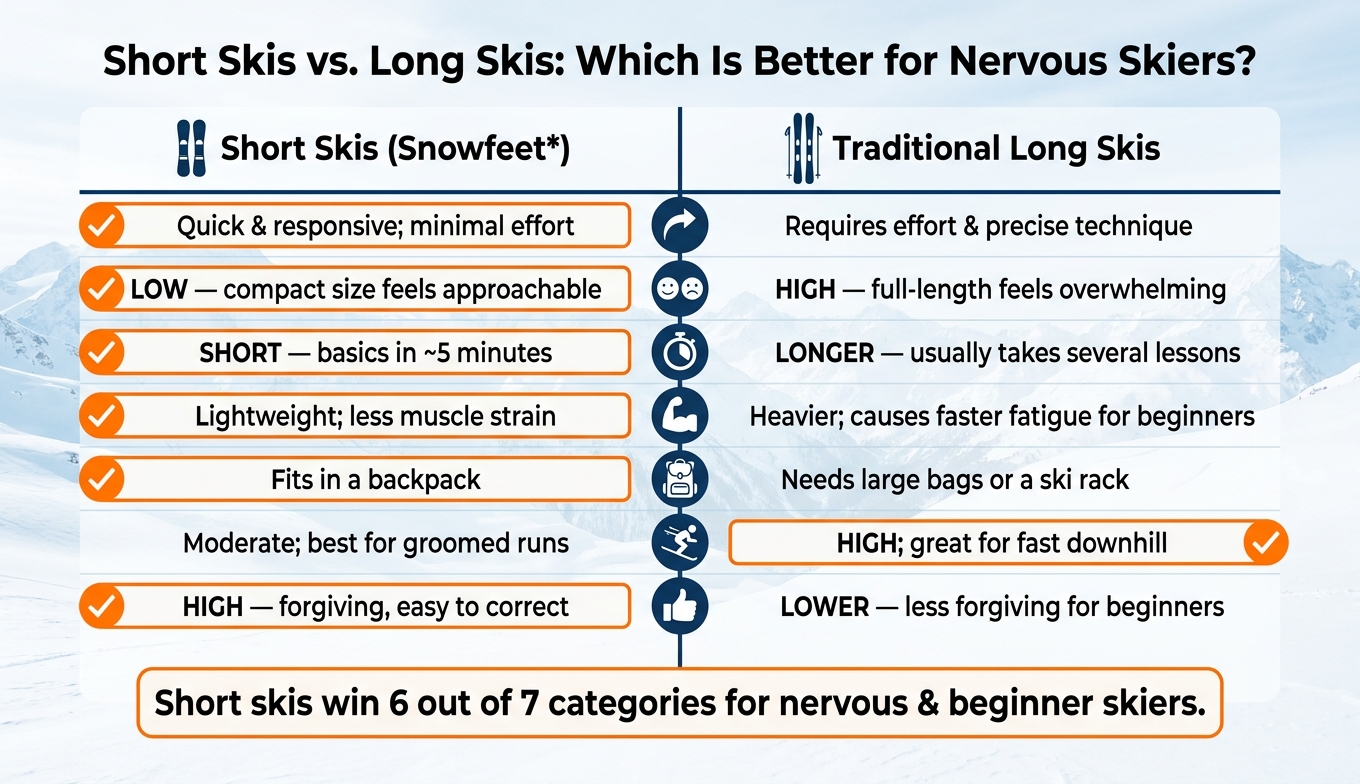
Short Skis vs. Long Skis: Which Is Better for Nervous Skiers?
Long skis are built for speed and advanced techniques, which can be overwhelming for skiers who want more control and less stress. The main difference lies in how each type of ski reacts to your movements. Long skis demand precise technique, solid balance, and more effort to turn. On the other hand, Snowfeet* short skis are much more forgiving, responding to smaller, natural movements. This means you can focus on enjoying the slopes instead of struggling with your gear.
The compact design of Snowfeet* Skiblades makes them less intimidating and more approachable for beginners compared to traditional long skis.
Now, full-length skis aren’t without their perks. They shine when it comes to stability at high speeds and handling deep powder, which are great for seasoned skiers. But for someone just starting out, those benefits don’t outweigh the need for equipment that’s easier to manage and less tiring. The table below breaks down the differences.
Comparison Table: Short Skis vs. Long Skis
| Factor | Short Skis (Snowfeet*) | Traditional Long Skis |
|---|---|---|
| Ease of Turning | Quick and responsive; minimal effort needed | Requires more effort and precise technique |
| Intimidation Level | Low; compact size feels approachable | High; full-length skis can feel overwhelming |
| Learning Curve | Short; basics are easy to pick up | Longer; usually takes several lessons |
| Fatigue | Lightweight; less strain on muscles | Heavier; can cause faster fatigue, especially for beginners |
| Portability | Fits in a backpack | Needs large bags or a ski rack |
| Stability at Speed | Moderate; best for groomed runs at moderate speeds | High; offers stability during fast downhill runs |
| Confidence for Nervous Skiers | High; forgiving and easy to correct if off-balance | Lower; less forgiving for beginners |
The takeaway? Short skis give nervous skiers a big advantage. They’re easier to control, less tiring to use, and have a much shorter learning curve. While long skis perform better at high speeds, that’s not a priority when you’re just starting out and sticking to beginner-friendly slopes.
sbb-itb-17ade95
Which Snowfeet* Model Is Right for You
Choosing the right Snowfeet* model depends on two things: how confident you feel on the slopes and what kind of skiing experience you’re looking for. Each model caters to a specific skill level or comfort zone, making it easy to find the perfect fit. Let’s break down the options so you can decide which one suits you best.
Skiskates (44 cm): The Easiest to Handle
Measuring just 44 cm, Skiskates are the shortest skis in the world. Their compact size makes them incredibly easy to use, especially for beginners. You won’t have to worry about your ski tips crossing or getting tangled, which is a big relief for first-timers. Plus, they’re super lightweight, so you don’t need a lot of leg strength to maneuver them. This makes them a great choice for older adults, casual skiers, or anyone sticking to gentle slopes. If you’ve ever tried ice skating or rollerblading, you’ll feel right at home with these.
Snowfeet* founder Zbyněk sums it up well:
"In my opinion, Skiskates is the best product for slopes we developed so far. I love how easy they are to ski and skate and how many different kinds of tricks I can perform without much effort."
Keep in mind, though, that Skiskates are best suited for mellow terrain. They’re not designed for high speeds or steep downhill runs.
Skiblades (65 cm and 99 cm): A Step Up in Stability
If you’re ready for something a bit more advanced but still manageable, Skiblades are a solid choice.
-
The 65 cm Skiblades strike a nice balance between control and stability. They’re short enough to feel easy to handle but long enough to provide a smoother glide and better support. This makes them ideal for skiers who find traditional skis overwhelming. They’re forgiving, easy to turn, and less likely to catch an edge. As one user, Brad Tolin, put it:
"These ski blades are a blast to use. Super easy to control, quick to turn, and way more forgiving than traditional skis."
- The 99 cm Skiblades are a great option for skiers who feel ready to tackle longer runs. They offer better tracking for green trails and perform well on easy blue runs. While they’re still easier to turn than full-length skis, they do require a little more edge control compared to the 65 cm version.
Short Skis (120 cm): Almost Like Traditional Skis
The 120 cm Short Skis are the closest you’ll get to the feel of standard skis without committing to their full length. Traditional skis typically range from 150 to 180 cm, so these shorter ones give you a similar gliding experience with more stability and edge grip. They’re perfect for groomed runs and offer a smooth transition for skiers who want a more traditional setup but still feel a bit nervous about handling full-length skis.
If you’re still hesitant, starting with Skiskates or the shorter Skiblades might be a better way to ease into skiing.
Here’s a quick comparison to help you decide:
| Model | Length | Best For |
|---|---|---|
| Skiskates | 44 cm | Nervous beginners, older adults, and casual skiers on gentle slopes |
| Skiblades | 65 cm | Beginners who want more stability and control, especially skaters |
| Skiblades | 99 cm | Skiers ready for longer green trails and easy blue runs |
| Short Skis | 120 cm | Skiers looking for a near-traditional experience with easier handling |
Tips for Getting Started with Snowfeet* Short Skis
Once you've picked the perfect Snowfeet* model, these tips will help you get the hang of things and feel confident on the slopes.
Start on Gentle Slopes
Snowfeet* short skis are super responsive, which makes flat, well-groomed slopes the ideal place to start. This gives you the chance to get a feel for how they handle without worrying about tricky terrain. Stay away from deep powder (anything over 4 inches), steep hills, or bumpy areas until you're more comfortable. The good news? Most people pick up the basics in about 5 minutes.
Practice Small, Controlled Turns
With short skis, you don’t need to make big, sweeping moves to change direction. Instead, focus on small, deliberate turns. The parabolic shape of Snowfeet* skis does a lot of the work for you, so just a slight shift in your weight will guide you into a smooth turn. Early on, it’s also a great idea to practice the hockey stop. Thanks to the full steel edges, you’ll get reliable grip on packed snow, making stops feel solid and controlled. Once you've nailed these basics, you'll be ready to try more advanced moves.
Stay Relaxed and Keep Your Weight Centered
Relaxed legs are your best friend when it comes to control. Keep your knees bent, your feet about shoulder-width apart, and try a slight staggered stance for extra stability. Since short skis don’t offer the same front-to-back support as traditional skis, mastering your balance in this direction is key.
"You have to keep the front-back balance, so it feels very natural to those who play ice hockey, ice skate, or even use inline skates." - Snowfeet*
When it’s time to stop, spread your weight evenly across both skis. This helps you slow down smoothly and avoids any surprise edge catches.
Conclusion: Why Short Skis Work for Nervous Skiers
Feeling nervous on the slopes? You’re not alone, and it doesn’t have to ruin your day. The thing with traditional long skis is they require more technique and strength than most beginners have. Short skis flip that script - they’re lighter, easier to turn, and much more forgiving when it comes to little mistakes. That means less struggling with your gear and more time enjoying the ride.
Short skis like Skiskates, Skiblades, and other models are designed to make skiing more approachable. They cater to beginners and nervous skiers, offering options that match different comfort levels, no matter where you’re starting.
For many skiers in the U.S., every run matters. That’s why having beginner-friendly equipment that builds confidence is such a game-changer. Snowfeet* short skis help you pick up the basics faster, so you can spend less time worrying and more time loving the slopes.
And the proof is in the feedback. After trying the 99 cm Skiblades, Mike E.’s wife went from dreading skiing to ordering her own pair. Her experience shows how the right gear can completely change how you feel on the mountain.
Short skis aren’t a cheat code - they’re a smarter way to start. They make turning and stopping feel natural, helping you develop good habits like staying balanced and controlling your edges. Over time, this builds the calm confidence you need to keep improving. Whether you’re hitting a small hill in Vermont or tackling bigger terrain in Colorado or Utah, choosing gear that matches your skill level is just plain smart.
Check out the Snowfeet* lineup to find the right fit and start enjoying the slopes with confidence today.
FAQs
Are short skis safe for adults?
Yes, short skis can be both safe and effective for adults. Snowfeet’s compact designs, ranging from 15 to 47 inches, are built to reduce knee strain by lowering leverage and twisting forces. This helps minimize the risk of injuries, such as ACL sprains. Their lightweight and responsive construction makes it easier to move naturally, recover quickly from falls, and maintain control. Compared to traditional long skis, Snowfeet provides a more stable and manageable option, especially for beginners and casual skiers enjoying groomed slopes.
Can I use Snowfeet* short skis at a regular ski resort?
Yes, you can use Snowfeet* short skis at most regular ski resorts. They meet slope standards with their metal ski edges and work well on groomed trails, beginner zones, and even in terrain parks. Unlike traditional skis, these are lightweight and much easier to handle, making them a solid choice for anyone looking for a more approachable skiing experience.
Do Snowfeet* short skis work in powder?
Yes, Snowfeet products can handle powder, but it depends on the model you pick. The Snowfeet Skiblades POWDER model (99 cm) is made for soft snow, with a wider waist that helps you stay on top of the powder. On the other hand, the more compact models, like standard short skis and skiskates, perform best on groomed trails, where their lightweight build and quick responsiveness really shine.











댓글 남기기
이 사이트는 hCaptcha에 의해 보호되며, hCaptcha의 개인 정보 보호 정책 과 서비스 약관 이 적용됩니다.