



















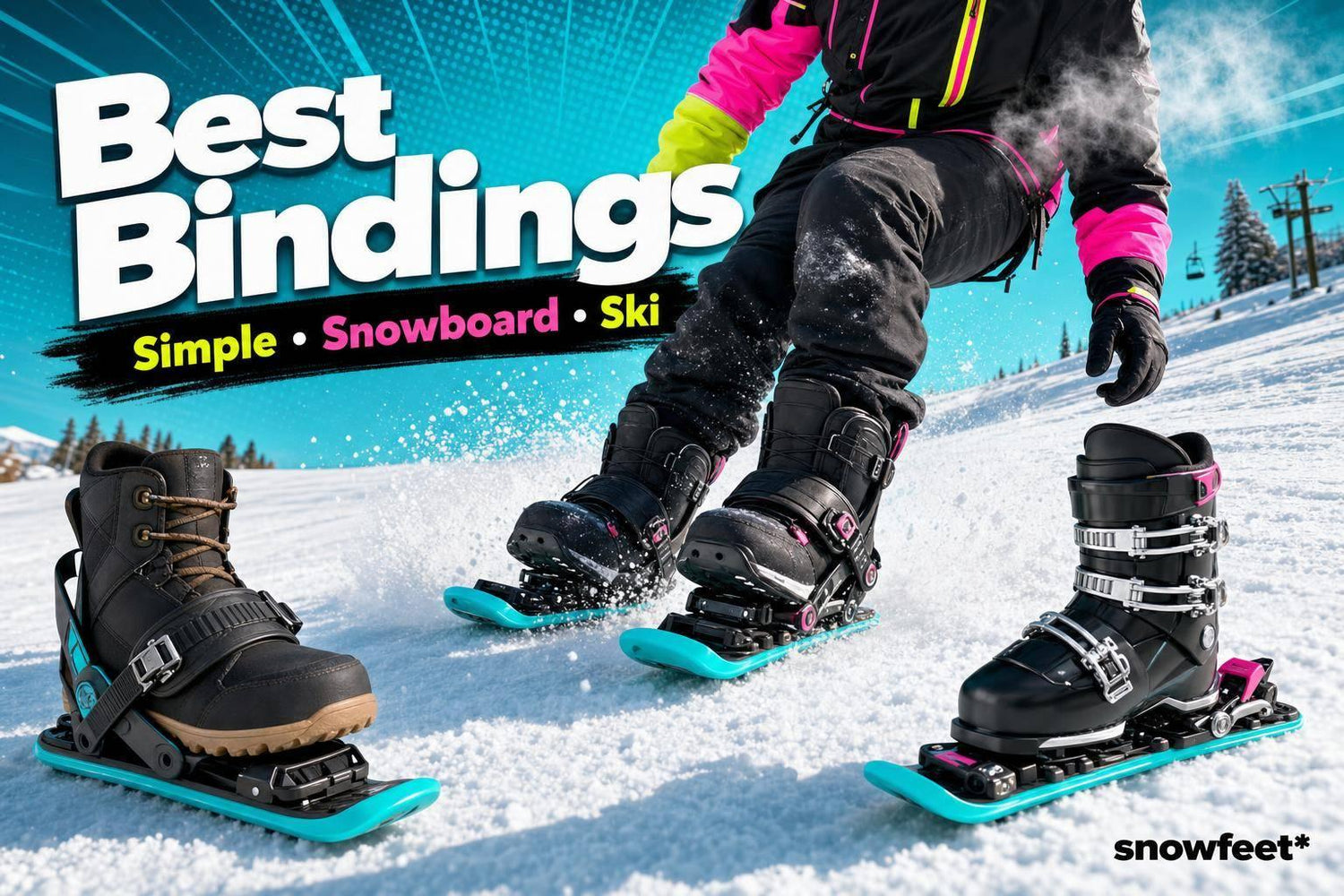
Here’s the short answer: the best binding is usually the one that matches the boots you already own. On skiblades from 17 to 47 in. (44 to 120 cm), that choice changes comfort, control, and safety more than most people expect.
If I had to boil it down fast, I’d say:
- Use simple bindings if you want the easiest setup with winter boots
- Use snowboard bindings if you want comfort and a loose, playful feel
- Use ski bindings if you want the most control and DIN release
Short skis react fast. A 99 cm skiblade can turn in about a 6 m radius, so even small body moves matter. That’s why bindings feel like a big deal on these little skis. Same slope. Same ski length. Totally different ride.
Skiblade Bindings Compared: Simple vs. Snowboard vs. Ski
Bindings for Short Skis | All You Need to Know
Quick Comparison
| Binding type | Best with | Release? | Best for | Best lengths |
|---|---|---|---|---|
| Simple binding | Winter boots, some snow boots | No | Casual laps, travel, learning | 44 cm, 65 cm |
| Snowboard binding | Snowboard boots | No | Park, comfort, snowboard crossover riders | 44 cm, 65 cm, 99 cm |
| Ski binding | Alpine ski boots | Yes | Carving, more speed, firmer snow | 99 cm, 120 cm |
A few plain takeaways:
- 44 cm and 65 cm models lean more fun, light, and easy
- 99 cm and 120 cm models lean more stable and ski-like
- If you don’t own ski boots, don’t force it
- If you plan to ski faster, a release binding makes more sense
So, if you want the no-fuss answer: most casual riders do best with snowboard bindings or simple bindings, while ski-boot riders should stick with ski bindings on 99 cm or 120 cm models.
If you want, I can also turn this into a full rewritten article intro with SEO title and meta description.
2. How Simple, Snowboard, and Ski Bindings Differ on Short Skis
Boot compatibility and setup requirements
Boot choice cuts the list down fast.
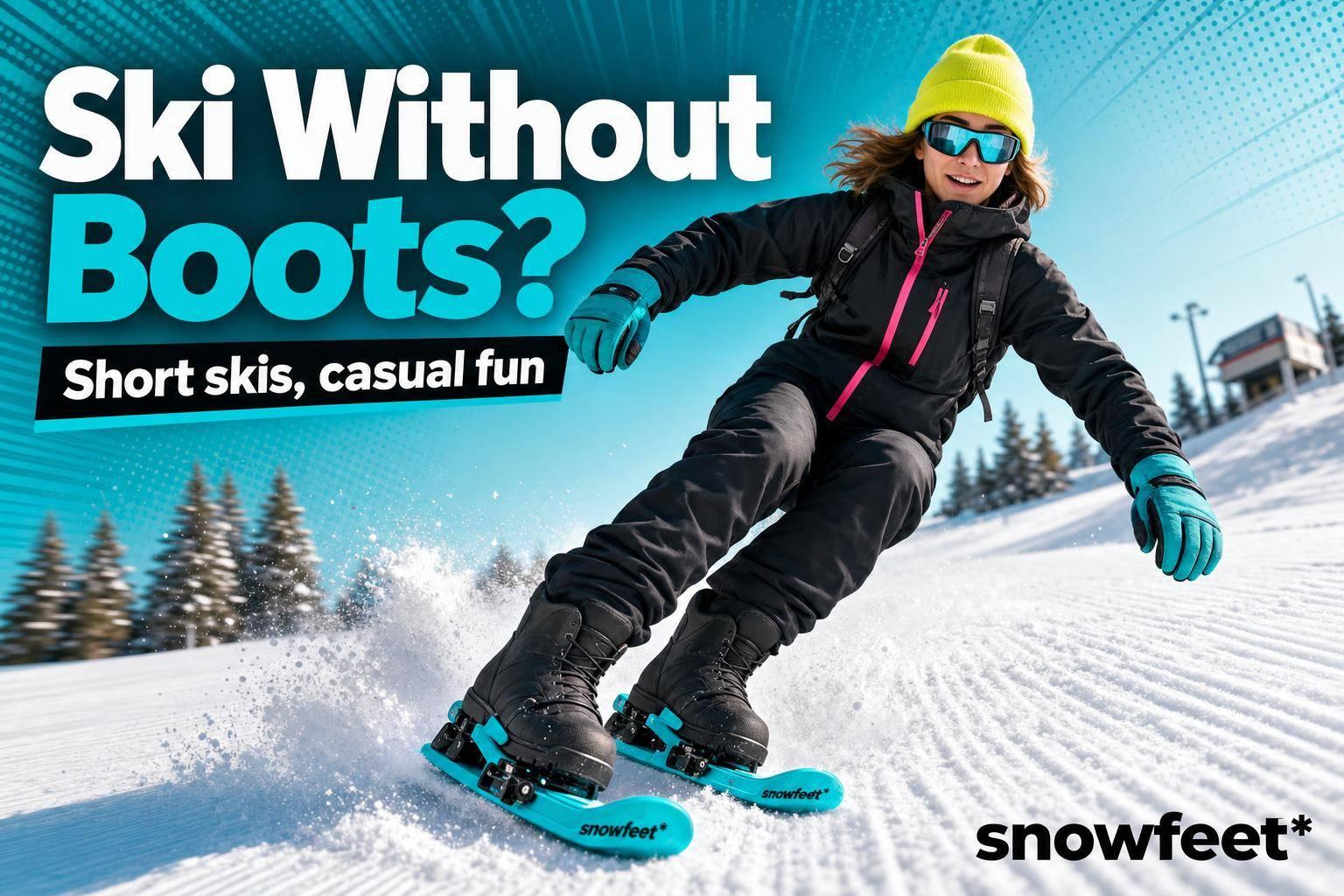
Simple non-release bindings work with adjustable straps or buckles, so you can use regular winter boots, hiking boots, and some snowboard boots. Setup is fast. Tighten the straps, center the boot, and go ride. That makes them a great pick for casual Snowfeet* riders and for travel.
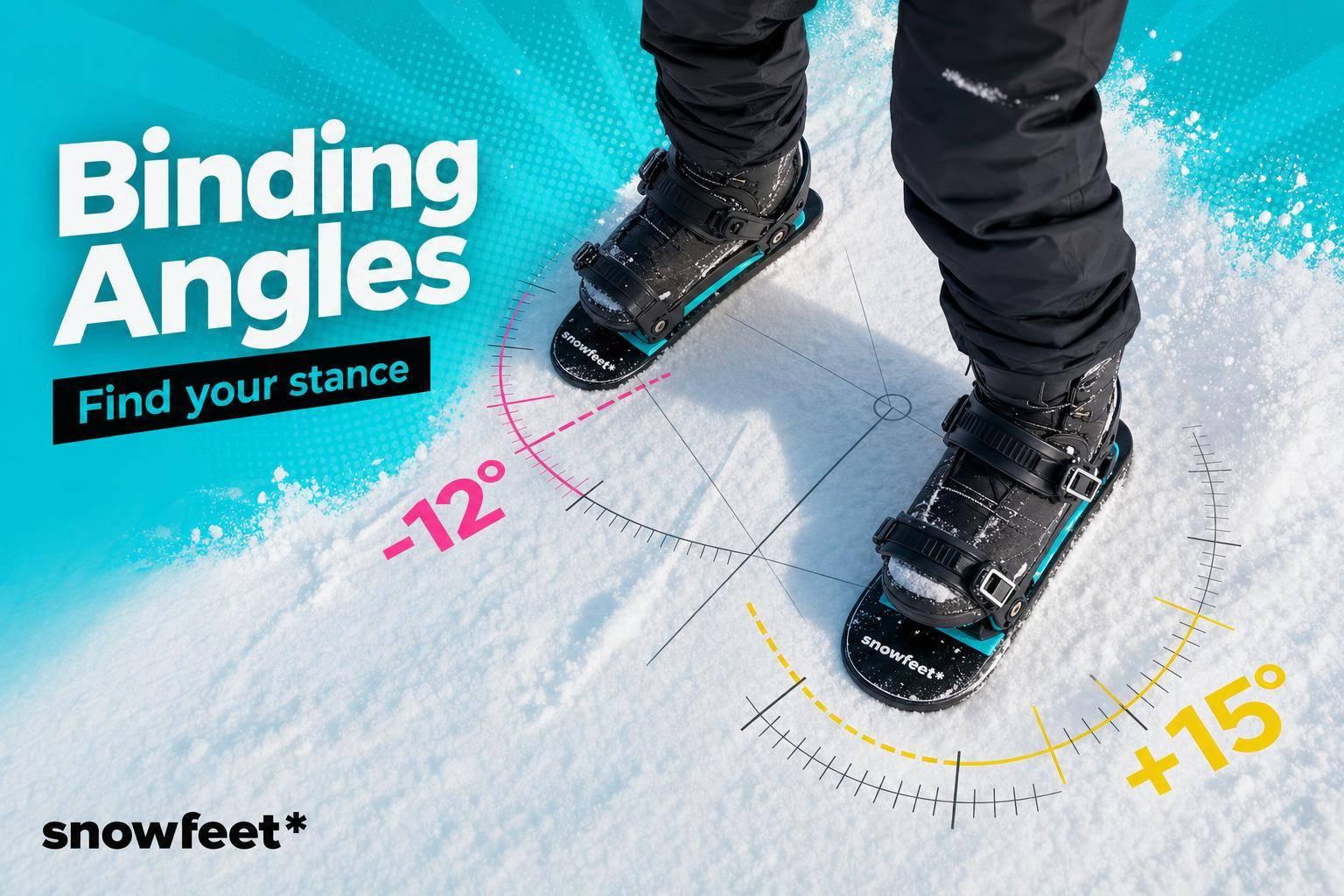
Snowboard bindings need snowboard boots. If you already have a pair, this setup will feel familiar. Set your stance, tweak the strap angles, and lock in the ratchets. The first setup usually takes about 10–20 minutes with a screwdriver. These are a good match for freestyle and crossover riding.
Alpine ski bindings only work with ISO 5355 alpine ski boot soles. The DIN release setting needs to match your weight, height, boot sole length, and skill level. That matters most on the 99 cm and 120 cm models.
Once you know which boots you're using, the next thing to look at is control versus comfort.
Control, comfort, and safety trade-offs
After boot fit, the big difference is how each setup feels on snow, how much precision you get, and whether the binding releases.
Stiff ski boots in alpine bindings give the most direct edge response. Small movements go straight into the ski. That helps most on firm snow or when you're moving faster. The downside? Ski boots aren't much fun to walk in. They feel stiff and clunky, kind of like wearing tiny plastic castles on your feet.
Snowboard boots in snowboard bindings feel softer. You get more flex between the boot and the edge, so the ride feels more forgiving and playful. That's a natural match for crossover snowboarders and park riders.
Simple bindings with winter boots are the most casual setup. They're comfy, light, and easy to share. They also give you the loosest connection to the ski, which works fine at slower speeds and on mellow terrain, where shorter models are most often used.
For safety, alpine release bindings are the standard for a reason. They're built to release under set torque loads in a fall, which helps cut stress on your knees and ankles. Snowboard bindings on short skis don't release on their own, so they need leashes. With shorter skis and lower speeds, the forces are lower too, which is why non-release setups are common on shorter models.
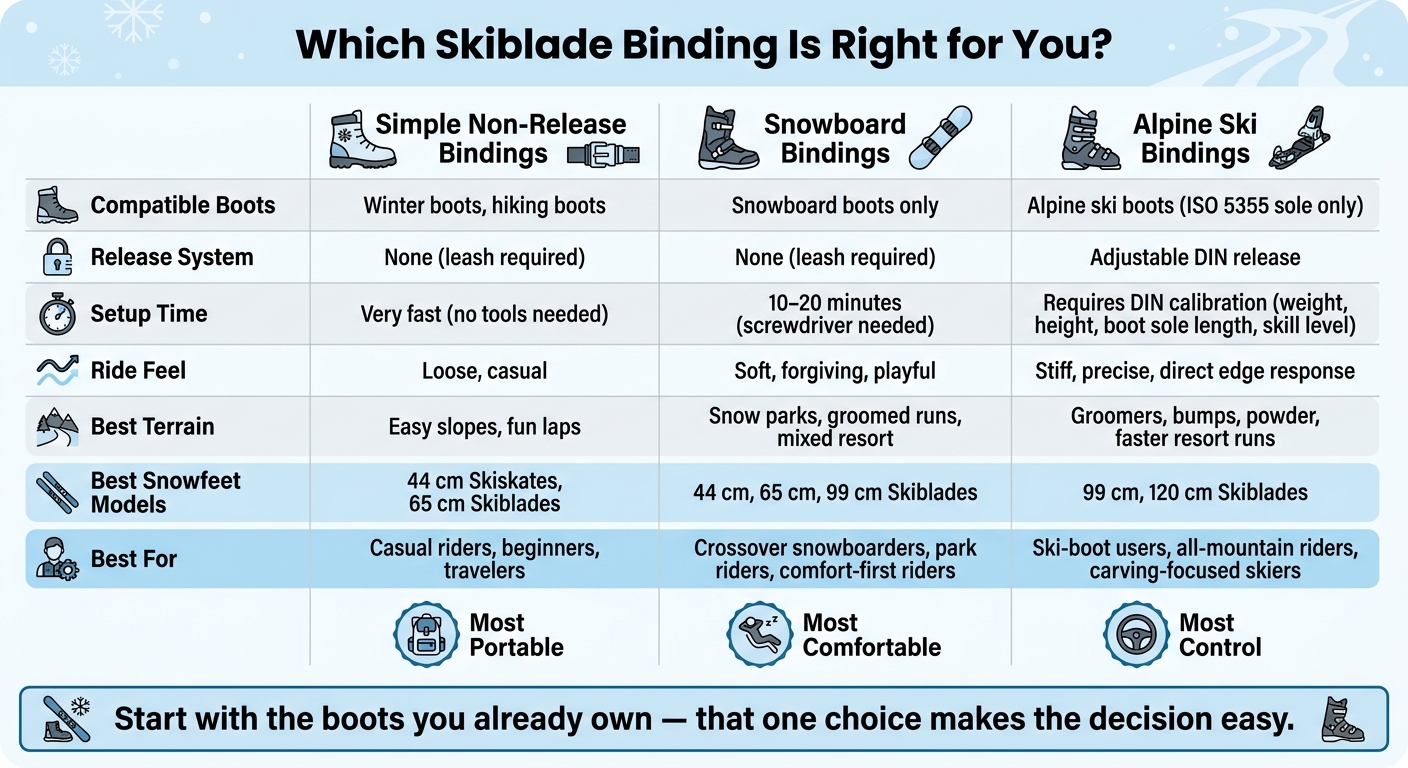
Use the chart below for a fast side-by-side check.
| Binding Type | Compatible Boots | Release System | Main Advantage | Best Rider Type |
|---|---|---|---|---|
| Simple non-release | Winter, hiking boots | No (leash required) | Lightweight, travel-friendly | Casual riders, beginners, travelers |
| Snowboard bindings | Snowboard boots | No (leash required) | Comfort, freestyle-friendly | Crossover snowboarders, park riders |
| Alpine ski bindings | Alpine ski boots (ISO 5355) | Adjustable DIN release | Direct edging, stability at speed | Ski-boot users, all-mountain riders |
sbb-itb-17ade95
3. Best Use Cases for Each Binding Type
Once you’ve sorted out boot compatibility, the next thing to think about is feel. How do you want the ski to ride under your feet?
Simple non-release bindings: best for casual riders, travel, and shared gear
If you want a setup that’s fast and easy, simple non-release bindings are a solid pick for casual riders, families, and travelers. They’re small, easy to pack for U.S. air travel, and simple to toss in a car trunk or backpack. That’s where the Snowfeet* Skiblades 65 cm and 99 cm stand out.
The catch? There’s no DIN release.
So, this setup works best for easygoing, low-fuss riding where convenience matters more than release safety.
If comfort matters more, and you want a ride that feels closer to snowboarding, snowboard bindings make more sense.
Snowboard bindings: best for comfort, freestyle, and snowboarders crossing over
Snowboard bindings are a go-to for riders who want all-day comfort and a more playful feel. They’re a great match for park laps and mixed-use days at U.S. resorts. If you’re coming from snowboarding, this setup can feel more natural right away.
The Snowfeet* Skiskates 44 cm and Skiblades 65 cm work especially well here. They’re compact, forgiving, and give you a softer, more relaxed feel underfoot.
Want the most precise control? Then ski bindings are the next move.
Ski bindings: best for ski-boot users, higher speeds, and alpine-style control
If you already own alpine ski boots and want the sharpest edge response, release ski bindings on the Snowfeet* 99 cm or 120 cm are the clear fit. You get a DIN-adjustable release system plus the kind of precise control ski-boot riders expect on firmer snow and at higher speeds.
That’s why the 99 cm and 120 cm models make the most sense for ski-boot users who want a shorter, more precise alpine setup.
4. Which Binding Fits Each Snowfeet* Model
Each Snowfeet* length pairs best with a different binding. The right match depends on your boots, how fast you ride, and where you like to ride.
44 cm and 65 cm: parks, quick turns, and easier learning
The 44 cm Skiskates are built for quick turns and park laps. If you ride in winter boots and want the lightest setup, go with simple non-release bindings. If you’re coming from snowboarding, snowboard bindings tend to feel more natural and give you more flex.
The 65 cm Skiblades give you a bit more stability. They work well on groomed slopes, moguls, and in parks. For winter-boot riders who want the lightest setup, simple non-release bindings are the right fit. If you use snowboard boots, pick snowboard bindings.
As the skis get longer, stability and control start to matter more than keeping things simple.
99 cm and 120 cm: mixed resort use and all-mountain riding
The 99 cm Skiblades are a good fit for carving and mixed resort use. Simple non-release bindings can work for casual, low-speed riders with compatible boots. Snowboard bindings fit comfort-first crossover riders. If you want more control and added safety at higher speeds, release ski bindings are the best pick.
The 120 cm Short Skis feel the closest to a regular ski in the Snowfeet* lineup, so they pair best with release ski bindings.
Here’s the quick match chart:
| Rider Type | Boot Type | Terrain | Snowfeet* Model | Binding Style |
|---|---|---|---|---|
| Casual traveler | Winter boots | Easy slopes, fun laps | 44 cm Skiskates | Simple non-release |
| Park / freestyle rider | Snowboard boots | Snow parks, groomed runs | 44 cm or 65 cm | Snowboard bindings |
| Beginner rider | Winter boots | Learning slopes | 65 cm Skiblades | Simple non-release |
| Comfort-first resort rider | Snowboard boots | Mixed resort, casual cruising | 65 cm or 99 cm | Snowboard bindings |
| All-mountain ski-boot user | Ski boots | Groomers, bumps, powder | 99 cm Skiblades | Release ski bindings |
| Carving-focused skier | Ski boots | Faster resort runs, carving | 99 cm or 120 cm | Release ski bindings |
5. Which Binding Is Best for Most Riders?
Once you match the binding to the right Snowfeet* model, the last step is pretty simple: pick the setup that fits how you ride and what boots you already have.
Start with the boots in your closet. That one choice cuts through the noise fast.
If you have winter boots or hiking boots, simple non-release bindings on the 44 cm Skiskates are the easiest way in. No extra boot purchase. No fuss. Just strap in and go.
If you ride in snowboard boots, snowboard bindings are usually the best all-around pick on skiblades. They tend to feel the most comfortable and familiar, which matters a lot when you just want to have fun instead of fiddling with gear.
If you already own ski boots, release ski bindings are the best match on the 99 cm or 120 cm models. That setup makes the most sense when speed and control matter more.
Here’s the short version:
| Priority | Best Binding Choice |
|---|---|
| Portability & no extra boots | Simple non-release (44 cm Skiskates) |
| Comfort and snowboard-style riding | Snowboard bindings (65–120 cm models) |
| Speed, control, release safety | Release ski bindings (99–120 cm models) |
For most casual riders, snowboard bindings are the best overall fit. If you plan to ride faster on the 99 cm or 120 cm models, release ski bindings are the better call.
For most riders, Snowfeet* works best when the binding matches the boots you already own.
FAQs
Can I use regular winter boots with skiblades?
Yes - certain Snowfeet skiblades work with regular winter boots, which makes them a lot easier to use than classic ski gear.
Smaller models, like the Mini Ski Skates (38 cm) and 44 cm Skiskates, are made for sturdy winter shoes. They use adjustable, non-release bindings to help keep the fit snug and secure.
That said, ski or snowboard boots can still be a better pick for more advanced or aggressive riding.
Are non-release bindings safe for beginners?
Yes. On short skis, non-release bindings are safe for beginners because short skis put much less torque on the body than long skis.
Snowfeet* non-release bindings are simple, light, and give you a direct feel for the snow. That helps beginners learn balance and turns with more control. In a fall, always use the included safety leash so your gear stays attached.
Which binding is best for 99 cm skiblades?
For 99 cm skiblades, the best binding comes down to two things: your boots and how you like to ride.
Snowfeet* snowboard-style bindings are a solid pick if you want comfort and the ease of using gear you may already own. They feel simple and fun, which is kind of the whole point with short skis :)
If you care more about performance, carving, or park riding, go with heavy-duty non-release bindings. They give you a more locked-in feel, which helps when you want better control.
If safety and standard ski boot compatibility matter most, standard release ski bindings are also on the table.











댓글 남기기
이 사이트는 hCaptcha에 의해 보호되며, hCaptcha의 개인 정보 보호 정책 과 서비스 약관 이 적용됩니다.