




















Si estás cansado de lidiar con esquís largos o tablas de snowboard voluminosas, esquís cortos como Skiblades y Skiskates podrían ser la solución perfecta. Son ligeros, fáciles de transportar y simples de aprender. Pero, ¿cuál es el adecuado para ti? Aquí tienes un resumen rápido:
- Skiblades (65–120 cm): Geniales para carving, velocidad y terrenos versátiles. Funcionan con botas de esquí o snowboard y ofrecen más estabilidad a altas velocidades.
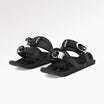
- Skiskates (44 cm): Compactos y divertidos, son perfectos para movimientos de estilo libre, pistas preparadas y diversión casual. Bonus: se ajustan sobre zapatos de invierno normales.
Comparación Rápida
| Característica | Skiblades (65–120 cm) | Skiskates (44 cm) |
|---|---|---|
| Opciones de longitud | 65 cm, 99 cm, 120 cm | 44 cm |
| Calzado | Botas de esquí/snowboard | Zapatos de invierno normales |
| Ideal para | Carving, velocidad, todo terreno | Freestyle, agilidad, uso casual |
| Estabilidad | Más alto | Más bajo, más juguetón |
| Portabilidad | Cabe en una mochila | Ultra compacto |
| Rango de precios | $635–$775 | Desde $575 |
Si quieres versatilidad y rendimiento, elige Skiblades. Si la portabilidad y agilidad son tus prioridades, Skiskates son una opción divertida y fácil. Ambas opciones hacen que los deportes de invierno sean más accesibles y sin complicaciones. ¿Listo para decidir? ¡Vamos a los detalles!
Snowboarder prueba Snowfeet* | ¿Cuál Snowfeet* Short Ski es el Mejor? | Reseña de Snowblades 44, 65, 99
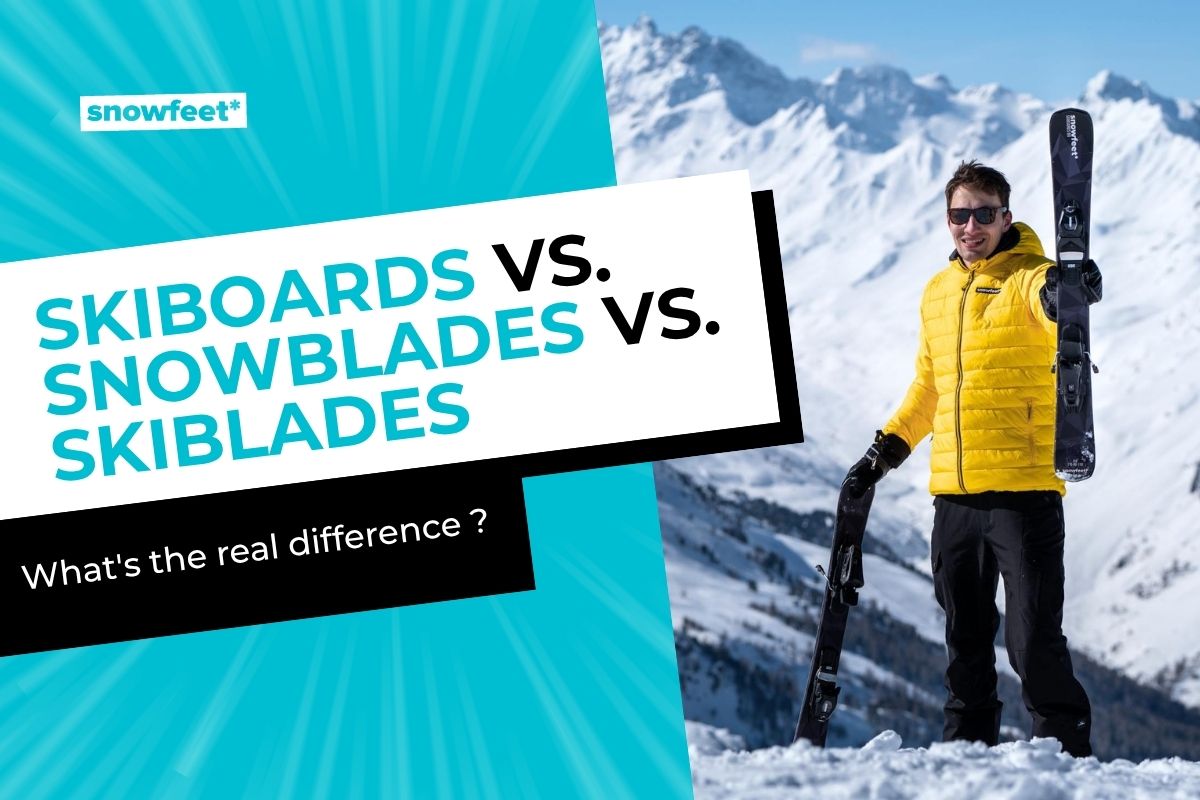
Skiblades vs. Skiskates: Comparación de Características
Cuando se trata de elegir entre Skiblades y Skiskates, todo se reduce al tipo de experiencia que buscas. Cada uno tiene sus ventajas, adaptadas a diferentes estilos y preferencias. Vamos a desglosarlo.
Skiblades: Diseño y Características
Piensa en los Skiblades como mini esquís. Son cortos, pero llenos de características como cantos metálicos para agarre, una superficie más ancha para estabilidad y un diseño perfecto para carving y cruising. Snowfeet* ofrece tres longitudes para adaptarse a varios estilos y niveles de habilidad.
- Skiblades de 65 cm (desde $635): Son ágiles y geniales para trucos o giros rápidos en snowparks. También te dan más superficie que los Skiskates, lo que ayuda en nieve más blanda.
- Skiblades de 99 cm (desde $675): Estos ofrecen un equilibrio, brindando un rendimiento sólido en pendientes preparadas y nieve polvo ligera. Además, son lo suficientemente estables para velocidades más altas.
- Esquís Cortos de 120 cm ($775): Si la estabilidad y la velocidad son lo tuyo, estos son tu opción. Manejan pendientes más empinadas y terrenos variados con facilidad, todo mientras se mantienen lo suficientemente compactos para un transporte sencillo.
¿Una de las mejores partes? Los Snowfeet* Skiblades funcionan perfectamente con botas de esquí o botas de snowboard, dándote el soporte de tobillo que necesitas para un manejo más agresivo. Construidos para resistir pendientes, parques e incluso senderos de backcountry, son una opción duradera sin el alto precio de los esquís tradicionales. Y a diferencia del equipo voluminoso de esquí, estos son compactos pero rinden como campeones.
Ahora, veamos cómo los Skiskates aportan un giro freestyle.
Skiskates: Diseño y Características
Skiskates se tratan de agilidad y diversión. Con solo 44 cm de largo (desde $575), son la opción más compacta que existe. Construidos con un núcleo de madera para una durabilidad ligera, su diseño ultra corto te ofrece una experiencia que se siente mucho como patinar sobre hielo.
Aquí está lo mejor: no necesitas botas de esquí. Solo átalos sobre tus zapatos de invierno normales y listo. Esto los convierte en una opción fácil para los riders casuales que no quieren la complicación de un equipo completo de esquí.
Los Snowfeet* Skiskates están hechos para la diversión freestyle. Ya sea que estés girando, pivotando o simplemente jugando, son perfectos para pistas preparadas, parques de terreno o incluso senderos. Su construcción ligera significa menos fatiga, para que puedas seguir más tiempo. Y olvídate del equipo voluminoso: los Skiskates caben perfectamente en una mochila estándar, siendo lo máximo en portabilidad.
Rendimiento en diferentes terrenos
Las diferencias en el diseño se traducen directamente en cómo rinden en diversos terrenos. Así es como se comparan:
- Pistas preparadas: Los Skiblades ofrecen estabilidad para carving a altas velocidades, mientras que los Skiskates son más juguetones y están orientados a velocidades moderadas.
- Parques de terreno: Los Skiblades de 65 cm equilibran estabilidad y agilidad para saltos y trucos. Pero los Skiskates se llevan el protagonismo para movimientos freestyle, con pivotes y giros rápidos perfectos para maniobras creativas.
- Terreno fuera de pista y senderos: Los Skiblades destacan por su superficie más ancha y bordes metálicos, manejando nieve costra, senderos compactos e incluso polvo ligero. Los Skiskates, aunque excelentes en senderos compactos, pueden tener dificultades en nieve profunda pero son súper fáciles de llevar en largas caminatas.
- Facilidad de uso: Los Skiskates son ideales para principiantes, con una longitud corta que facilita el aprendizaje. Además, la posibilidad de usar zapatos de invierno normales reduce aún más la barrera. Los Skiblades, aunque un poco más desafiantes, siguen ofreciendo una experiencia versátil y accesible.
Aquí tienes una comparación rápida para resumirlo:
| Característica | Skiblades (65–120 cm) | Skiskates (44 cm) |
|---|---|---|
| Opciones de longitud | 65 cm (≈26 in), 99 cm (≈39 in), 120 cm (≈47 in) | 44 cm (≈17 in) |
| Rango de precios | $635–$775 | Desde $575 |
| Calzado | Botas de esquí o botas de snowboard | Zapatos de invierno normales |
| Ideal para | Carving, todo terreno, velocidad | Estilo libre, agilidad, diversión casual |
| Estabilidad | Más alto (especialmente con modelos de 99–120 cm) | Más bajo, más juguetón |
| Portabilidad | Cabe en una mochila | Ultra compacto |
| Curva de aprendizaje | De fácil a moderado | Muy fácil |
| Versatilidad de terreno | Pistas preparadas, parques, fuera de pista | Pistas preparadas, parques, senderos |
| Rendimiento de velocidad | Destaca a velocidades más altas | Mejor para velocidades moderadas |
Los Skiblades son la opción ideal para versatilidad y rendimiento en diversos terrenos, mientras que los Skiskates se centran en la portabilidad y facilidad de uso, perfectos para una experiencia relajada y de estilo libre. De cualquier manera, ambas opciones aportan un giro fresco a la práctica en la nieve que los esquís tradicionales simplemente no pueden igualar.
Por qué los productos Snowfeet* superan a los esquís tradicionales
Los esquís cortos Snowfeet* aportan una nueva perspectiva a los deportes de invierno combinando portabilidad, versatilidad y facilidad de uso, áreas donde los esquís tradicionales suelen quedarse cortos. Aquí tienes un vistazo más cercano a por qué los productos Snowfeet* destacan.
Fáciles de transportar y almacenar
Seamos honestos: cargar con esquís tradicionales puede ser un fastidio. Necesitas bolsas grandes o portaequipajes en el techo, y no son nada prácticos para viajar. Los productos Snowfeet* cambian las reglas del juego. Los Skiskates de 44 cm son lo suficientemente pequeños para caber en una mochila normal, perfectos para vuelos o transporte público. Incluso los Esquís Cortos de 120 cm caben cómodamente en la mayoría de los maleteros de autos, eliminando los problemas de almacenamiento que vienen con el equipo tradicional.
Maneja diferentes terrenos con facilidad
Los esquís tradicionales suelen funcionar mejor en condiciones específicas, pero los esquís cortos Snowfeet* están diseñados para enfrentar una variedad de terrenos. Ya sea que estés haciendo carving en pendientes pisadas, en parques de terreno, deslizándote por polvo ligero o explorando senderos compactos y zonas fuera de pista, estos esquís están listos para el desafío. Su adaptabilidad significa que los usarás más, sin importar a dónde te lleven tus aventuras invernales.
Más fácil de aprender
Los esquís tradicionales pueden parecer intimidantes, especialmente para principiantes: son largos, pesados y difíciles de controlar. Los esquís cortos Snowfeet*, en cambio, son más ligeros y compactos, lo que los hace mucho más fáciles de manejar. Los usuarios pueden detenerse rápidamente y ganar control más rápido, lo que ayuda a ganar confianza en poco tiempo. La mayoría se siente cómodo después de solo un día. Y si usas Skiskates, es aún más sencillo: funcionan con zapatos de invierno normales, así que no necesitas botas especializadas. Con precios que van desde $575 hasta $775, Snowfeet* ofrece una forma accesible de sumergirse en los deportes de invierno sin gastar una fortuna.
sbb-itb-17ade95
Cómo elegir entre Skiblades y Skiskates
El equipo Snowfeet* destaca por su portabilidad y facilidad de uso, pero elegir la opción correcta depende de tu estilo de conducción y nivel de habilidad. Cada uno tiene sus fortalezas, así que vamos a desglosarlo.
Elige según tu tipo de actividad
Si te gustan los giros rápidos, trucos o esa sensación de skate en pistas pisadas, los Skiskates (44 cm) son tu mejor opción. Son compactos y ágiles, perfectos para un paseo divertido. Por otro lado, los Skiblades ofrecen más versatilidad:
- Skiblades de 65 cm: Geniales para carving y sesiones en el parque.
- Skiblades de 99 cm: Una opción sólida para terreno mixto.
- Skiblades de 120 cm: Diseñados para estabilidad en pendientes más empinadas y velocidades más altas.
Así que, quédate con Skiskates para parques y pistas pisadas. Si te aventuras en terrenos variados o quieres más velocidad, los Skiblades son el camino a seguir.
Ajusta a Tu Nivel de Habilidad
Para principiantes, los Skiskates son un sueño. Su diseño ultracompacto y compatibilidad con botas de invierno normales los hace muy fáciles de controlar. Si estás en un nivel intermedio, los Skiblades ofrecen mejor carving y control de velocidad. ¿Riders avanzados? Los Skiblades de 120 cm proporcionan la estabilidad que necesitas para movimientos agresivos y enfrentar pistas más empinadas.
Considera el Transporte y Almacenamiento
Cuando se trata de viajar, los Skiskates son difíciles de superar. Son lo suficientemente pequeños para caber en una mochila estándar, lo que los hace perfectos para vuelos, viajes en tren o cualquier aventura. Aunque los Skiblades son más grandes (de 65 cm a 120 cm), siguen siendo mucho más compactos que los esquís tradicionales, facilitando el almacenamiento y transporte.
En resumen, los Skiskates son ideales para principiantes y cualquiera que busque una experiencia portátil y divertida. Si buscas rendimiento y estabilidad en diferentes terrenos, los Skiblades son tu mejor opción. Snowfeet* facilita encontrar el ajuste perfecto para tu estilo.
Conclusión: Elige el Esquí Corto Adecuado para Ti
Decidir entre Skiblades y Skiskates depende de tu estilo de conducción y el tipo de terreno que disfrutas. Si buscas una opción compacta y ágil, los Skiskates (44 cm) son una excelente elección. Son perfectos para pistas preparadas, hacer trucos en el parque o simplemente tener una introducción fácil y amigable para principiantes a los deportes de nieve. Además, se combinan con botas de invierno normales y son súper portátiles, ideales para salidas espontáneas.
Por otro lado, si buscas más versatilidad y velocidad, vale la pena considerar los Skiblades. Con tamaños diseñados para carving, manejar terrenos variados y proporcionar estabilidad a altas velocidades, son una opción sólida para riders intermedios a avanzados que quieren llevar sus habilidades al siguiente nivel.
Lo que hace que el equipo Snowfeet* destaque es lo simple y portátil que es en comparación con los esquís tradicionales. A diferencia de opciones más voluminosas de marcas como Rossignol o Salomon que a menudo requieren más tiempo para dominar, los productos Snowfeet* están diseñados para ser fáciles de usar y muy fáciles de transportar. Ya sea que te dirijas a un sendero fuera de pista, bajes por pistas preparadas o visites el parque de terreno, este equipo encaja perfectamente en tus planes sin complicaciones.
Así que, ya seas principiante o alguien con más experiencia, hay una opción de Snowfeet* para ti. Skiskates se tratan de diversión, conveniencia y un diseño fácil de transportar, mientras que Skiblades ofrecen rendimiento y versatilidad para quienes buscan velocidad y variedad. Ambas opciones hacen que los deportes de invierno sean más fáciles y accesibles que nunca.
¿Listo para encontrar tu ajuste perfecto? Echa un vistazo a snowfeetstore.com para explorar toda la gama y prepararte para un invierno lleno de diversión, libertad y aventura.
Preguntas frecuentes
¿Cuál es más fácil de aprender para principiantes: Skiblades o Skiskates?
Los Skiskates, con su tamaño compacto de solo 44 cm, pueden ser un poco más difíciles para principiantes. Su pequeño tamaño exige buen equilibrio y control. Dicho esto, si ya tienes experiencia en actividades como rollerblading o hockey, probablemente te resulten más fáciles de dominar.
Los Skiblades, por otro lado, varían entre 65 cm y 120 cm de longitud. Este tamaño extra proporciona más estabilidad, siendo una opción sólida para principiantes que se inician en el mundo del esquí corto.
Tanto los Skiskates como los Skiblades aportan mucha diversión y flexibilidad en las pistas. La mejor elección realmente depende de tu nivel de comodidad y las habilidades que ya tengas.
¿Qué tipo de terreno funciona mejor para Skiblades versus Skiskates?
Los Skiblades brillan en pistas preparadas y son una pasada para esquiar en el parque. Ofrecen un control excelente, lo que los hace geniales para carvear o hacer trucos. Con su longitud un poco mayor, logran un buen equilibrio entre estabilidad y agilidad, perfecto para pistas de esquí tradicionales.
Los Skiskates, sin embargo, se tratan de movimientos rápidos y juguetones. Están diseñados para pistas compactas y preparadas y son súper fáciles de llevar gracias a su longitud más corta. Esto los convierte en una opción ligera y divertida, especialmente para salidas casuales o cuando quieres algo menos voluminoso que los esquís regulares.
Ambos son geniales para aventuras de invierno; todo depende de lo que busques. Si te interesa la estabilidad y el rendimiento, elige Skiblades. Si prefieres portabilidad y facilidad de uso, los Skiskates son el camino a seguir.
¿Pueden los Skiskates manejar nieve más profunda o son mejores para pistas preparadas?
Los Skiskates son una opción fantástica para quienes aman bajar las pistas con un toque diferente. Su tamaño compacto los hace ideales para movimientos rápidos y ágiles, ya sea que estés esquiando, patinando o incluso tomando algo de aire. Son perfectos para pistas preparadas y nieve polvo ligera a moderada, dándote mucha flexibilidad para explorar diferentes terrenos. Dicho esto, si vas a enfrentarte a nieve profunda, los esquís tradicionales o snowboards podrían ser una mejor opción ya que ofrecen más superficie para mantenerte a flote. Los Skiskates realmente brillan cuando buscas portabilidad y una experiencia divertida y energética.
Entradas relacionadas del blog
- ¿Se puede carvear eficazmente con esquís All-Mountain? Consejos para 2025
- ¿Qué longitud de esquís carving debo elegir para un rendimiento máximo en pistas preparadas?
- ¿Qué hace únicos a los esquís carving? Un análisis profundo de su diseño
- Los mejores esquís para quien busca una sensación de esquí 'Clásica' (Diseño Tradicional)












Deja un comentario
Este sitio está protegido por hCaptcha y se aplican la Política de privacidad de hCaptcha y los Términos del servicio.