







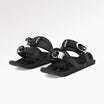












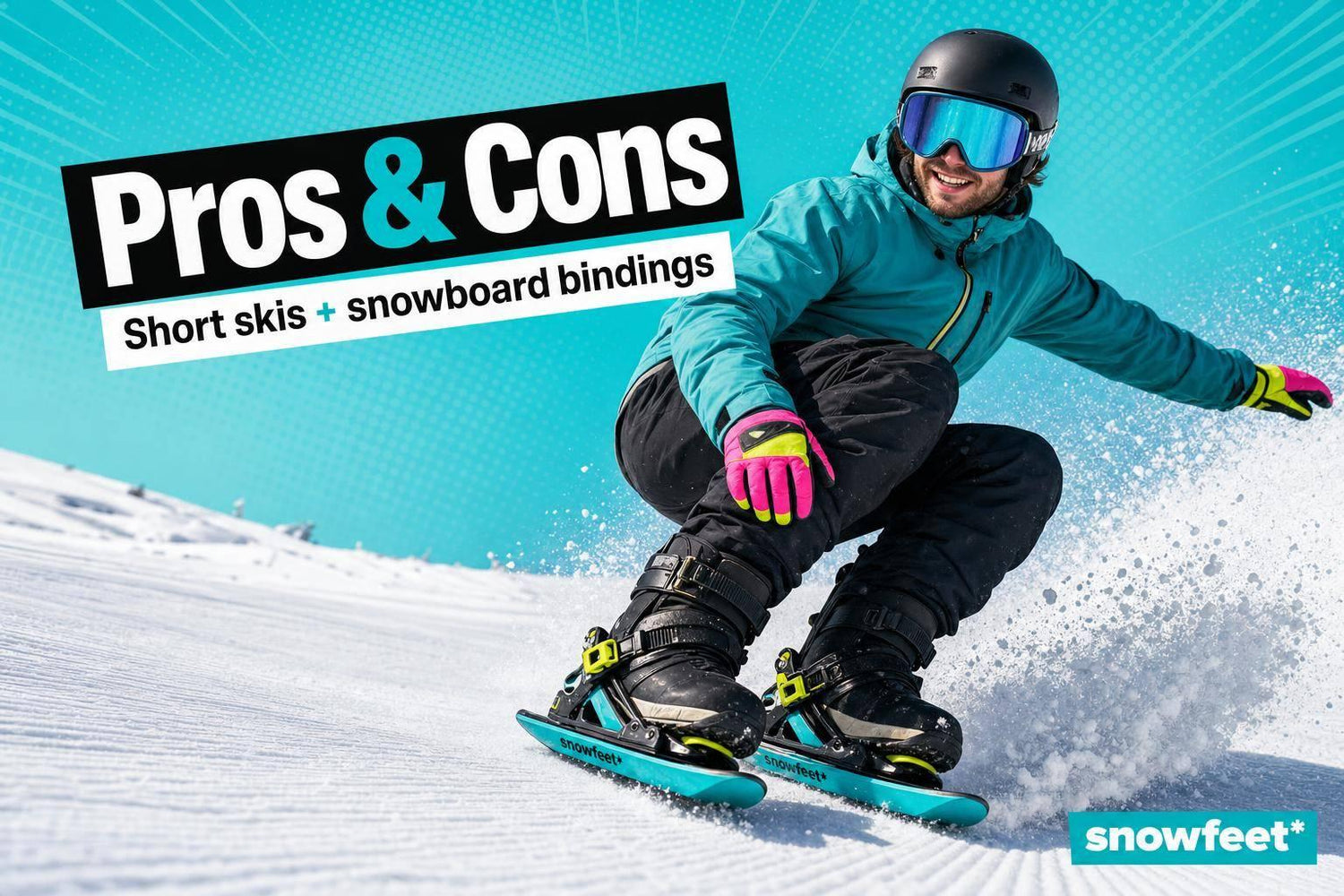
Yes - short skis with snowboard bindings can be a fun, low-hassle setup, but they make the most sense on groomers at moderate speed. If you want soft snowboard boots, easy turns, and gear that’s simple to carry, this setup has a lot going for it. If you want hard carving, steep icy runs, deep powder, or alpine-style release safety, it has clear limits.
Here’s the short version:
- Best for: snowboarders, casual resort laps, parks, families, green/blue runs
- Main upside: soft-boot comfort, easy turning, low gear hassle
- Main downside: less stability, less precise edge hold, no alpine release on many models
- Best lengths for most riders: 65 cm or 99 cm
- Not the best pick for: steep ice, high speed, deep powder, no-fall terrain
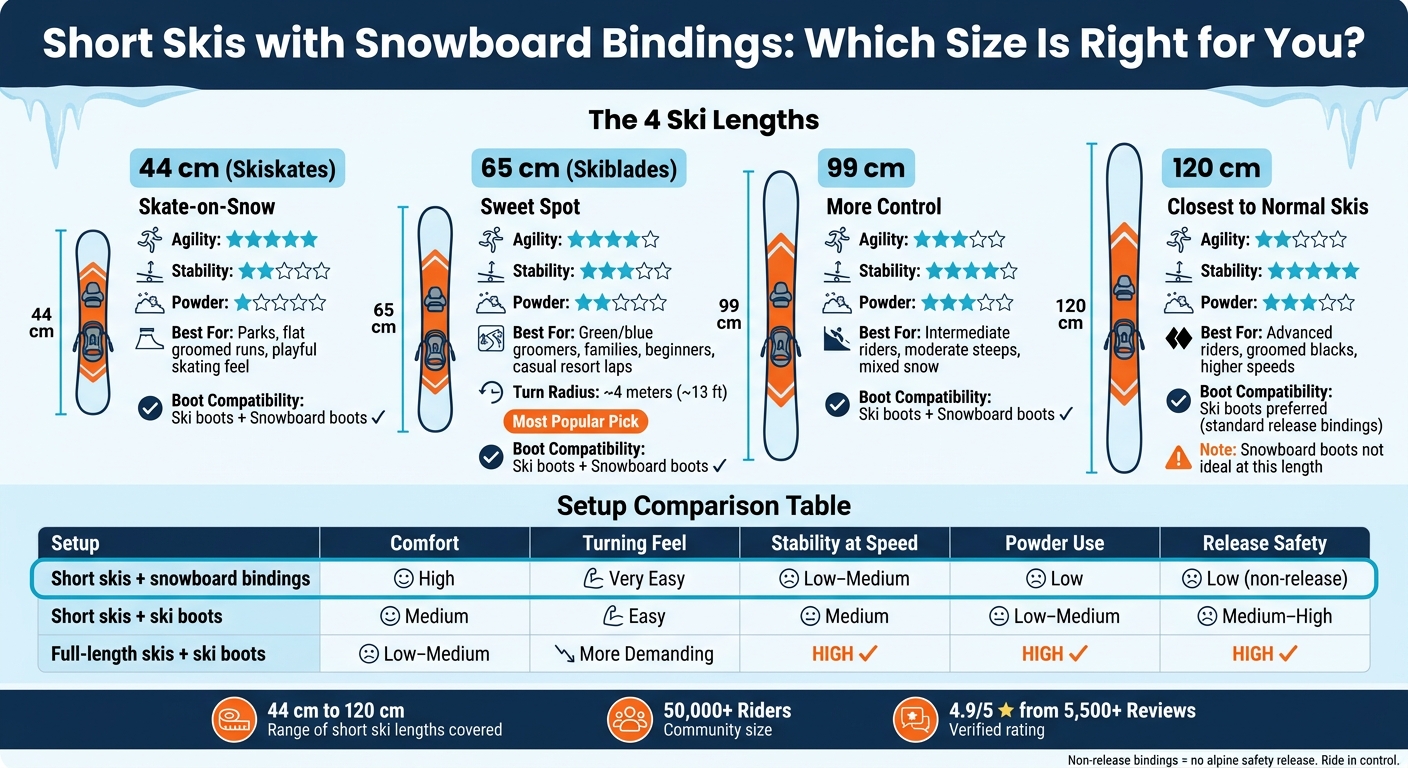
I’d sum it up like this: the shorter you go, the more playful it feels - and the more calm you give up. A 44 cm setup feels almost like skating on snow. A 65 cm setup is a common sweet spot for fun laps. A 99 cm setup gives you more support. And a 120 cm setup gets closer to normal skis, but often shifts back toward ski boots and release bindings.
Short Skis with Snowboard Bindings: Which Size Is Right for You?
Snowboarder tries Snowfeet* | Which Snowfeet* Short Ski is the Best? | Snowblades 44, 65, 99 Review
Quick Comparison
| Setup | Comfort | Turning Feel | Stability at Speed | Powder Use | Release Safety |
|---|---|---|---|---|---|
| Short skis + snowboard bindings | High | Very easy | Low to medium | Low | Low on non-release setups |
| Short skis + ski boots | Medium | Easy | Medium | Low to medium | Medium to high |
| Full-length skis + ski boots | Low to medium | More demanding | High | High | High |
A few numbers help frame it:
- Short models in this category run from about 44 cm to 120 cm
- Full alpine skis are often around 150–190 cm
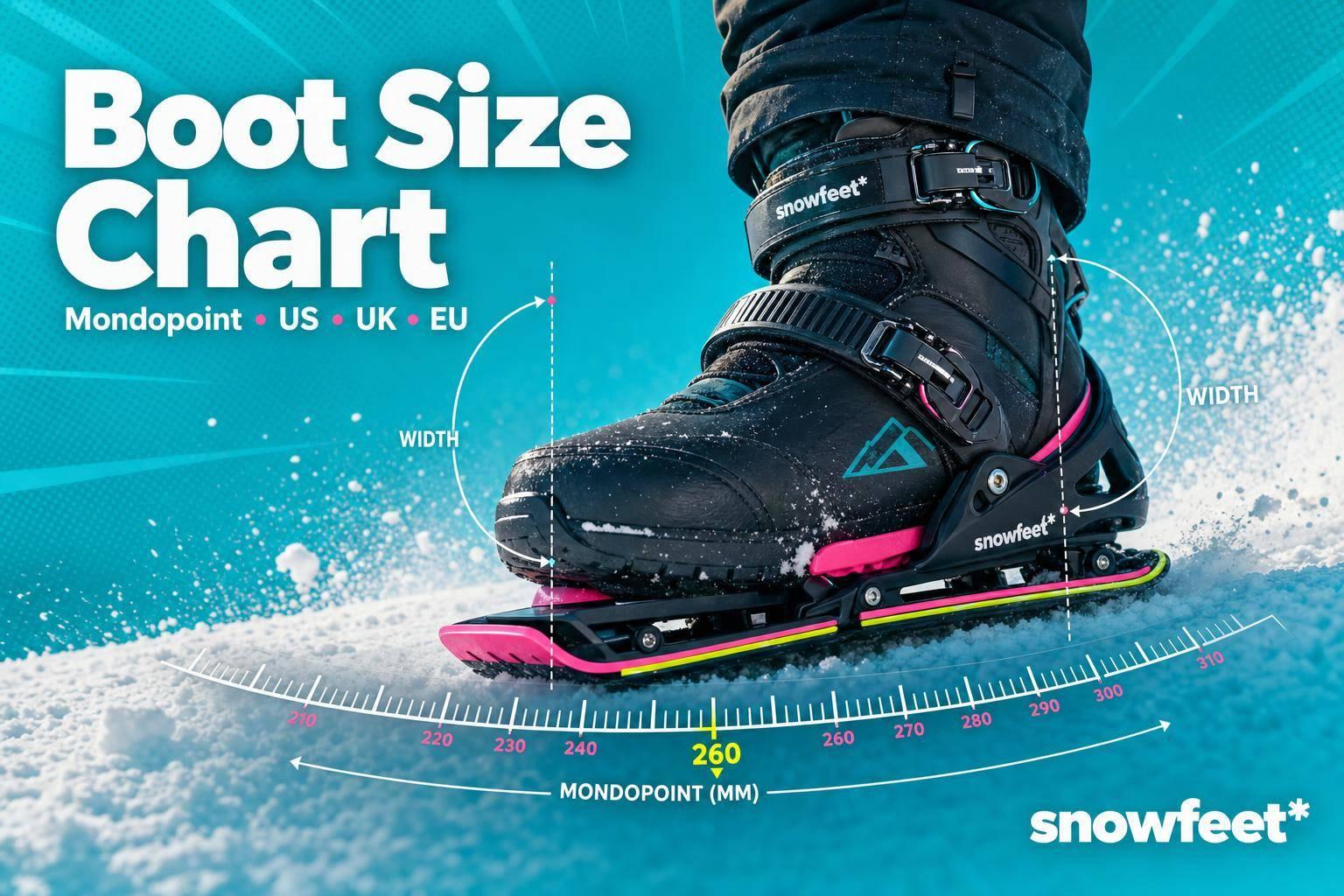
- Snowfeet* says its boot-fit range goes from US 6 to 14.5
- The brand also lists 50,000+ riders and a 4.9/5 score from 5,500+ reviews
So, if you want a setup that feels playful, simple, and easy on your feet, this can be a good match. If you ski fast and hard, uh, you’ll want more ski under you.
If you want a quick visual before you buy, these kinds of videos can help:
Bottom line: I’d pick short skis with snowboard bindings for fun resort days, not for chasing top speed or big-mountain lines :)
The Main Advantages of Short Skis With Snowboard Bindings
Comfort and Easier Entry for Snowboarders
Snowboard boots are softer and easier to wear all day. So when you pair them with short skis, the setup feels a lot more comfortable than stiff ski boots. No awkward clomping around the lodge. No “my shins hate me” moment by lunch :)
For snowboarders who want to try short skis, this is a big win. You keep the boot feel you already know, which makes the switch feel less awkward.
Quick Turns, Playful Handling, and Low-Speed Fun
Comfort is nice, but the big draw is how fast these short skis react. Because there’s less ski underfoot, they pivot fast and feel easy to control. That makes turning on groomed runs feel quick, playful, and smooth.
The Snowfeet* Skiskates at 44 cm and the Skiblades at 65 cm are the compact options that keep handling fast and simple. The 65 cm Skiblades have an approximate turn radius of 4 meters (~13 ft), which helps with tight, snappy turns on groomers and park features. That kind of fast response helps a lot on busy weekend slopes or narrow trails, where you may need to adjust your line in a split second.
Light Gear That Is Easy to Carry and Store
Portability is another big plus. Snowfeet* short skis are compact, easy to carry, and much easier to store than full-length skis. You can toss them in the car without playing trunk Tetris.
That makes them a smart pick for day trips, family outings, and anyone who wants less hassle getting gear to and from the mountain.
That edge stands out even more when you compare it with longer ski setups:
| Setup | Comfort | Learning Curve | Maneuverability | Portability |
|---|---|---|---|---|
| Long skis + ski boots | Low | Steep | Low | Low |
| Short skis + ski boots | Moderate | Moderate | High | Moderate |
| Short skis + snowboard bindings | High | Gentle | High | High |
Those same benefits come with trade-offs at speed and in rougher snow.
sbb-itb-17ade95
The Main Drawbacks and Trade-Offs to Expect
Short skis with snowboard bindings are a blast, but they hit their limit sooner than full-size skis. The main trade-offs show up in speed, soft snow, and release safety.
That fun, loose feel starts to fade when things get fast or the snow gets messy.
Less Stability at High Speed and Reduced Carving Precision
Short skis don’t feel as planted when you pick up speed, most of all on steep groomers and firm snow. You’ll get less edge hold, and you’ll need to stay more active with your balance.
The longer Snowfeet* 99 cm and 120 cm models feel steadier than the 44 cm and 65 cm options, but they still won’t match a long alpine ski when it comes to top-end speed and clean carving.
Limits in Powder, Chop, and Demanding All-Mountain Terrain
The 44 cm Skiskates and 65 cm Skiblades do best on groomers. In deep snow, they don’t float well. The 99 cm and 120 cm models handle mixed snow and light chop better, but once the powder gets deep, full-length powder skis still win. No surprise there.
Binding Control and Release Safety to Keep in Mind
This part matters. Alpine bindings release in a fall. Snowboard-style bindings do not. So, keep your speed in check and stick to short, controlled turns.
These setups make the most sense for:
- groomed blues
- mellow blacks
- parks
- side hits
They’re not a good match for steep ice or no-fall terrain.
That’s why size matters so much here. The 44 cm and 65 cm models lean hard into agility, while the 99 cm and 120 cm versions give you more calm and control.
Snowfeet* Models vs Other Short-Ski Options
Once you know how short skis work, the next step is simple: which setup gives you the best ride on snow?
For snowboard-boot riders, three things matter most:
- Will your boots fit?
- What kind of binding and release system does it use?
- How does it feel once you start riding?
Here’s the side-by-side view:
| Model | Length | Boot Compatibility | Release Style | On-Snow Feel |
|---|---|---|---|---|
| Snowfeet* Short Skis | 120 cm | Ski boots | Standard release bindings | Most stable Snowfeet option |
| Salomon Snowblades | ~90–99 cm | Ski boots only | Standard release bindings | More like a standard ski |
| Bigfoot / Figl | 60–80 cm | Ski boots, older binding style | Older alpine release | Retro-style short-ski feel |
| ODR | Varies | Proprietary system | Proprietary system | One-brand system |
Under 100 cm, Snowfeet* uses non-release, tool-free adjustable bindings that fit both ski and snowboard boots; the 120 cm model uses standard release bindings.
Snowfeet* Skiskates 44 cm and Skiblades 65 cm for Maximum Agility
The 44 cm Skiskates feel closer to skating on snow than skiing. They’re loose, fast to turn, and very quick edge to edge. If you like a playful ride that reacts right now, these are the wild little pocket rockets of the group.
The 65 cm Skiblades add a bit more length, so they feel a touch more like a ski without losing that quick, playful snap. That makes them a strong pick for short resort laps when you want easy turns and less fuss.
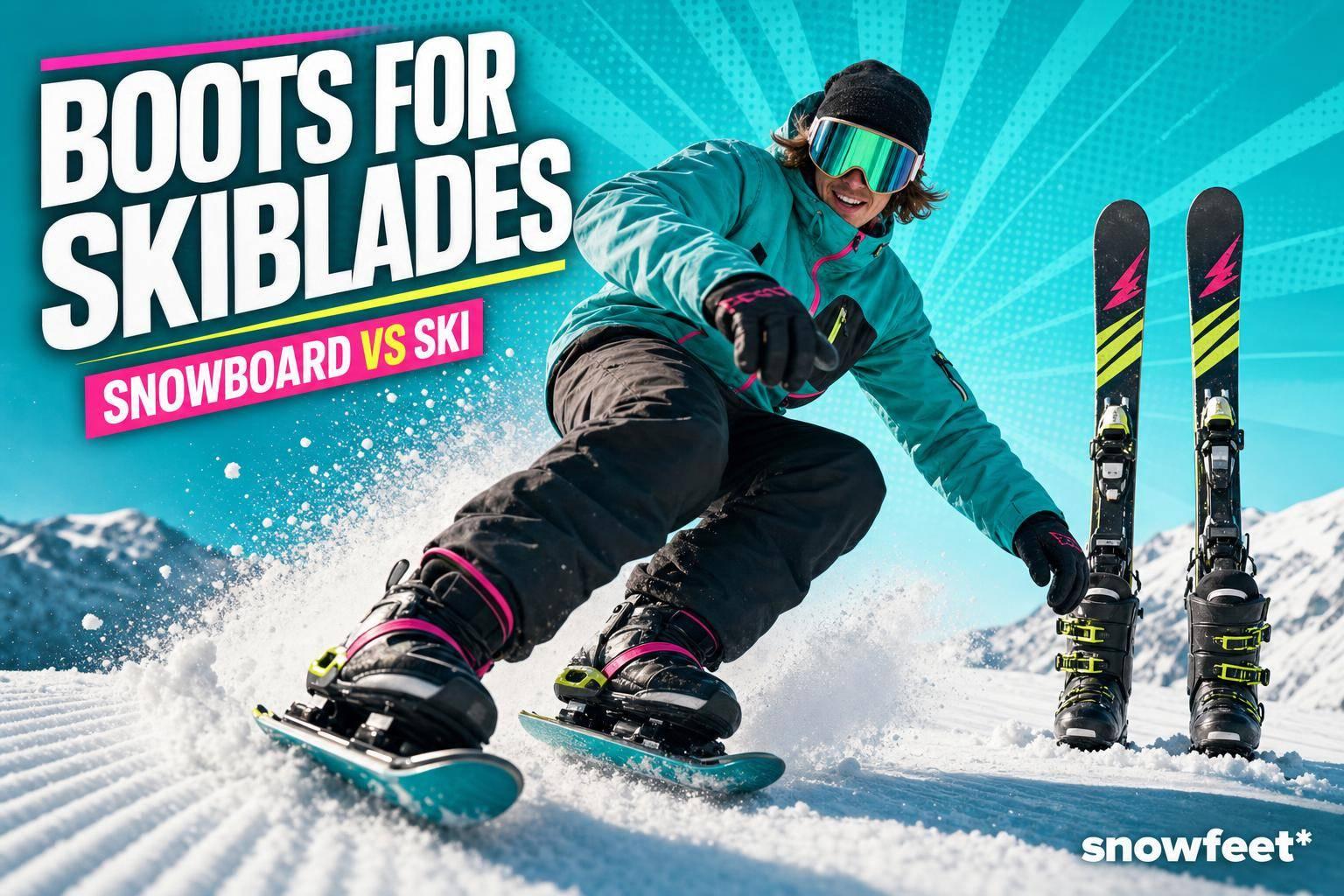
Both models work with ski boots and snowboard boots. That’s a big deal. Bigfoot-style mini skis use older alpine bindings made only for ski boots, so snowboarders would need a separate pair of boots just to use them.
Snowfeet* 99 cm and 120 cm for More Stability Without Full-Length Skis
If you want a calmer ride at speed, length starts to matter more.
The 99 cm model gives you more carving confidence than the 65 cm, thanks to a deep parabolic sidecut. It fits intermediate riders who want something shorter and easier to handle than a full ski, while still working with snowboard boots. That combo is hard to ignore.
The 120 cm model pushes even more toward control and stability, but still keeps the short-ski vibe. The catch is the binding setup: it uses standard release bindings made for ski boots, not snowboard boots.
Salomon snowblades land in a close length range, but they’re built around ski boots only. So for snowboarders, that option is off the table. ODR goes its own way too, since it requires buying into a proprietary system instead of using the snowboard boots you already own .
So, the cleanest way to choose is to match the ski length and binding setup to your speed, your ride style, and where you plan to use them most.
Who This Setup Fits and the Final Verdict
Best for Snowboarders, Casual Resort Riders, and Families
So, who is this setup for?
Short skis with snowboard bindings make the most sense for riders who want the comfort of snowboard boots and the feel of short skis on easy resort terrain. That’s the sweet spot. And according to Snowfeet*, many riders can learn the basics in about 5 minutes.
This setup shines on groomed runs and easy resort days. It works well for:
- Snowboarders who want to try skiing without buying ski boots
- Families with mixed skill levels
- Casual resort riders who stick to green and blue runs
- People who like small parks and mellow features
On those days, convenience is the big win. Less gear hassle. Less adjustment. More time having fun.
That same easygoing feel also explains the limit. If you’re an advanced rider who likes steep blacks, high speeds, or deep powder, you’ll want more ski under you. Full-length skis still do a better job there. They give you more speed, better edge hold, and more float than a short-ski setup can offer.
Choosing the Right Snowfeet* Size for Your Riding Style
Here’s the quick match-up by rider type.
| Rider Type | Preferred Terrain | Recommended Model | Snowboard Bindings Fit? |
|---|---|---|---|
| Snowboarder crossing over | Groomed runs, parks | Skiblades 65 cm or 99 cm | Ideal - use boots you already own |
| Park and freestyle rider | Terrain park, small features | Skiskates 44 cm or Skiblades 65 cm | Ideal - maximum agility |
| Casual resort skier / family | Green and blue groomers | Skiblades 65 cm | Great - comfort and easy learning |
| Intermediate wanting more range | Groomed runs, moderate steeps | Skiblades 99 cm | Good - snowboard boots work well |
| Advanced rider wanting short-ski feel | Groomed blacks, higher speeds | Short Skis 120 cm | Optional - ski boots preferred for precision |
| Speed-focused carver or powder rider | Steeps, off-piste, deep snow | Full-length skis recommended | Not recommended |
The 44 cm Skiskates are for riders who want that skate-on-snow feel. They turn fast, feel snappy, and work best at low to moderate speeds.
The 65 cm Skiblades are the safest all-around pick for most beginners and casual intermediate riders. If you want a bit more stability, edge grip, and room to go faster, move up to the 99 cm. And if you want the closest thing to a normal ski feel, the 120 cm is the one to look at. It gives you more stability at higher speeds and smoother, longer turns.
For most casual riders, Snowfeet* Skiskates and Skiblades with snowboard bindings are the default pick. They also have a 4.9/5 average rating across 5,500+ verified reviews, which tells you plenty: people are taking these out, having fun, and coming back happy.
Long skis are still the top pick for all-out performance. But for casual resort days? Snowfeet* makes a lot of sense - and, honestly, it’s more ski than many casual riders will ever need.
FAQs
Are short skis with snowboard bindings good for beginners?
Yes. Short skis with snowboard bindings are a great pick for beginners. Their compact shape makes turning, stopping, and changing direction feel more natural than with standard skis.
Snowfeet skiblades and skiskates also work with comfy, walkable snowboard boots. That’s a big plus when you’re starting out. They don’t use the release systems found on pro ski bindings, but they’re light, easy to carry, and simple to learn on.
What length should I choose for my riding style?
Choose based on your goals. 44 cm Skiskates work best for beginners or anyone who wants a loose, playful ride that feels close to skating.
For Skiblades, here’s the quick breakdown:
- 65 cm: best for tricks, park laps, and tight spots
- 99 cm: the go-to all-around choice
- 120 cm: a better fit for advanced riders who want more speed, stronger control, and extra stability on steeper terrain
Can I safely use them on steep or icy runs?
Yes - Snowfeet gear can work safely on steep or icy runs, but the setup makes a big difference.
Their skiblades come with metal edges, which help them hold on firm or icy snow. If you're riding steeper terrain or plan to go faster, the 120 cm models are the best pick. Why? They use traditional release bindings, which give you a setup that feels more in line with regular skis.
Snowboard bindings can feel more comfortable, no doubt. But they also put you in a higher stance, and that can shift your center of gravity upward. On steep runs, that extra height can make edge control feel a bit less dialed in. Snowfeet deals with this by using adjustable risers, which help you keep better balance, edge grip, and stability.











Deja un comentario
Este sitio está protegido por hCaptcha y se aplican la Política de privacidad de hCaptcha y los Términos del servicio.