



















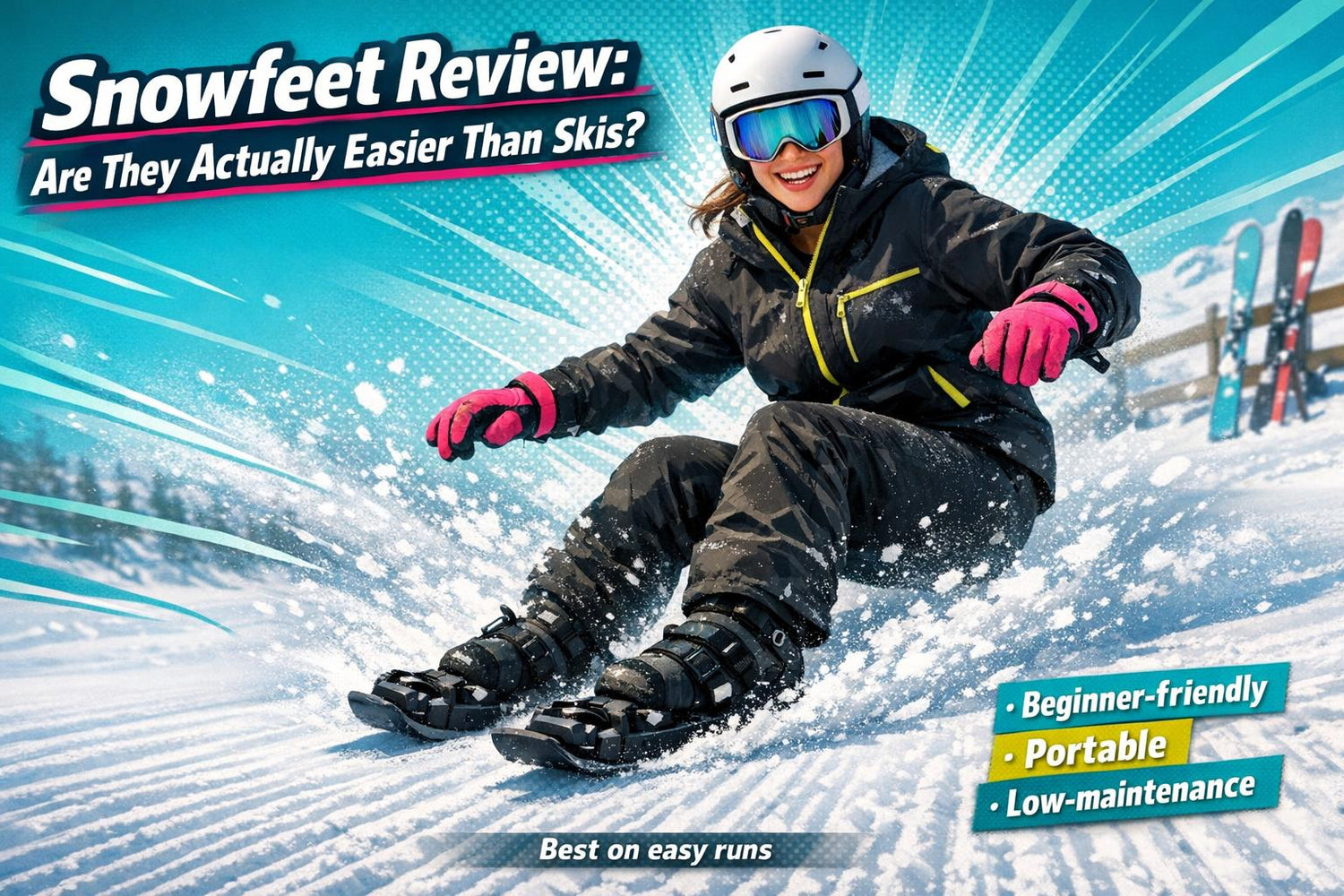
If you’re wondering whether Snowfeet are easier than skis, here’s the quick answer: Yes, for beginners and casual riders, Snowfeet are simpler to use and way less intimidating than traditional skis. Their short length makes turning, stopping, and learning the basics much faster. Plus, they’re lightweight, portable, and don’t require bulky gear like ski boots or roof racks.
But there’s a trade-off. Snowfeet excel on gentle slopes and small hills but struggle with high speeds, icy terrain, or deep powder. They’re perfect for quick, fun outings and learning the ropes, but if you’re chasing speed or tackling tough conditions, regular skis are still the better option.
Here’s a quick breakdown of Snowfeet’s key advantages:
- Beginner-Friendly: Easier to control, especially for those with skating experience.
- Portable: Small enough to fit in a backpack or car trunk.
- Low Maintenance: No need for specialized boots or constant upkeep.
- Versatile: Great for green runs, snow parks, and casual backyard fun.
However, they’re not ideal for steep, icy black runs or deep powder days. If you’re looking for a fun, hassle-free way to enjoy the snow without committing to full-length skis, Snowfeet might just be your new winter go-to.
Snowfeet* & Skiskates Complete Guide | All you need to know about Skiskating
How Do Snowfeet Products Work?
Snowfeet products are built on a straightforward concept: shorter skis are easier to handle. While traditional adult skis typically measure between 59 and 71 inches (150–180 cm) in length, Snowfeet's skis range from just 15 inches (38 cm) to 47 inches (120 cm). This shorter length makes turning quicker, pivots simpler, and the learning curve much less steep. Most models share some key features, like steel edges for grip on groomed snow, rockered tips for smoother turns, and bases designed specifically for resort conditions. Let’s break down what makes each model stand out.
Snowfeet Mini Ski Skates and Snowfeet PRO
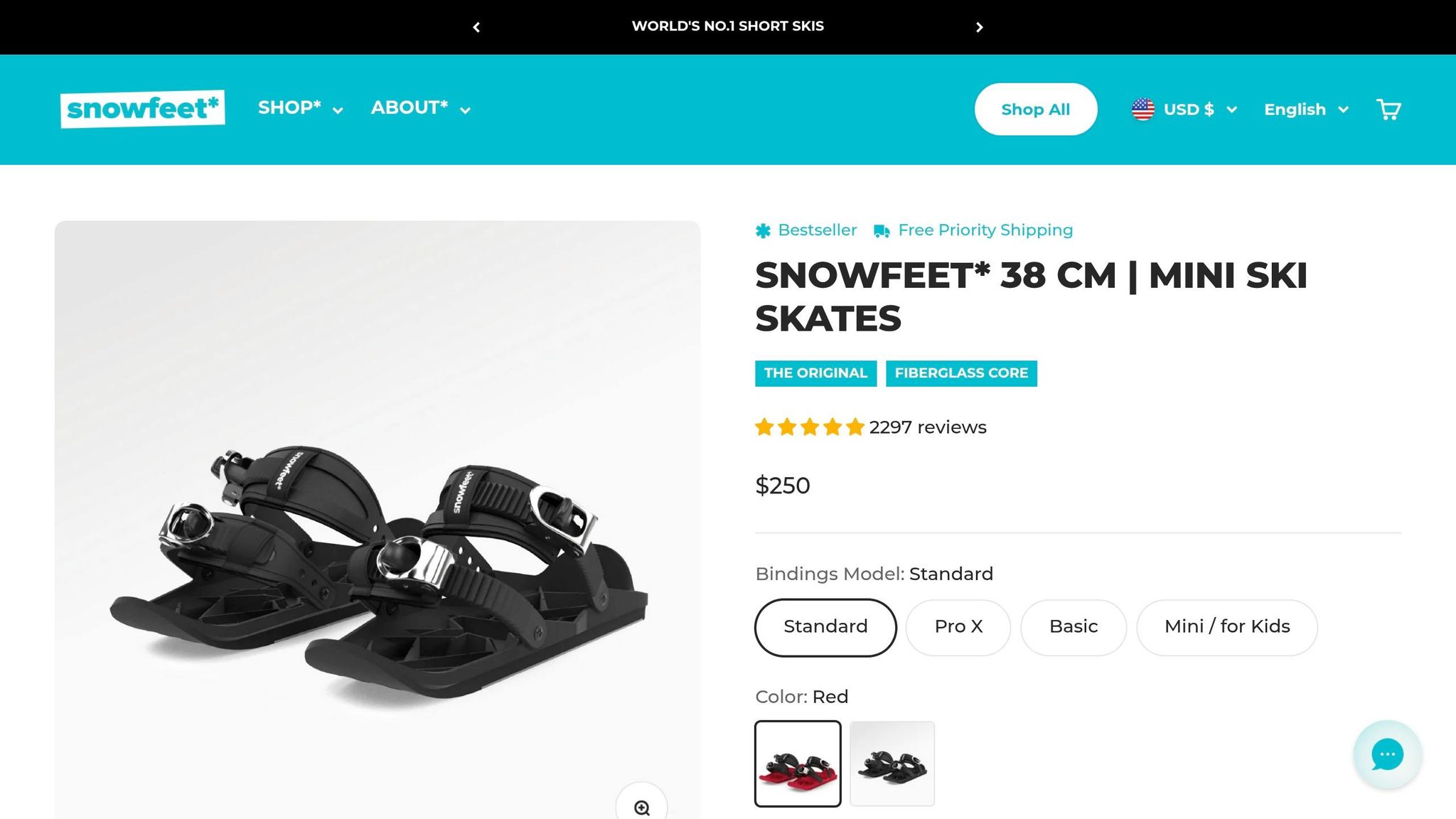
The Mini Ski Skates are Snowfeet's most compact option, often touted as the smallest skis in the world. They attach directly to sturdy winter boots or snowboard boots using adjustable bindings. The PRO version is slightly longer, offering improved edge grip and stability without losing the convenience of the strap-on design.
Both models are designed to mimic the mechanics of ice skating. Instead of long carving arcs, they rely on short, quick edge-to-edge movements, making them ideal for those with ice hockey or inline skating experience. Even complete beginners can pick them up with ease, especially on green runs or smaller hills. These features make them a fun and accessible choice for dynamic riding.
Snowfeet Skiskates and Skiblades
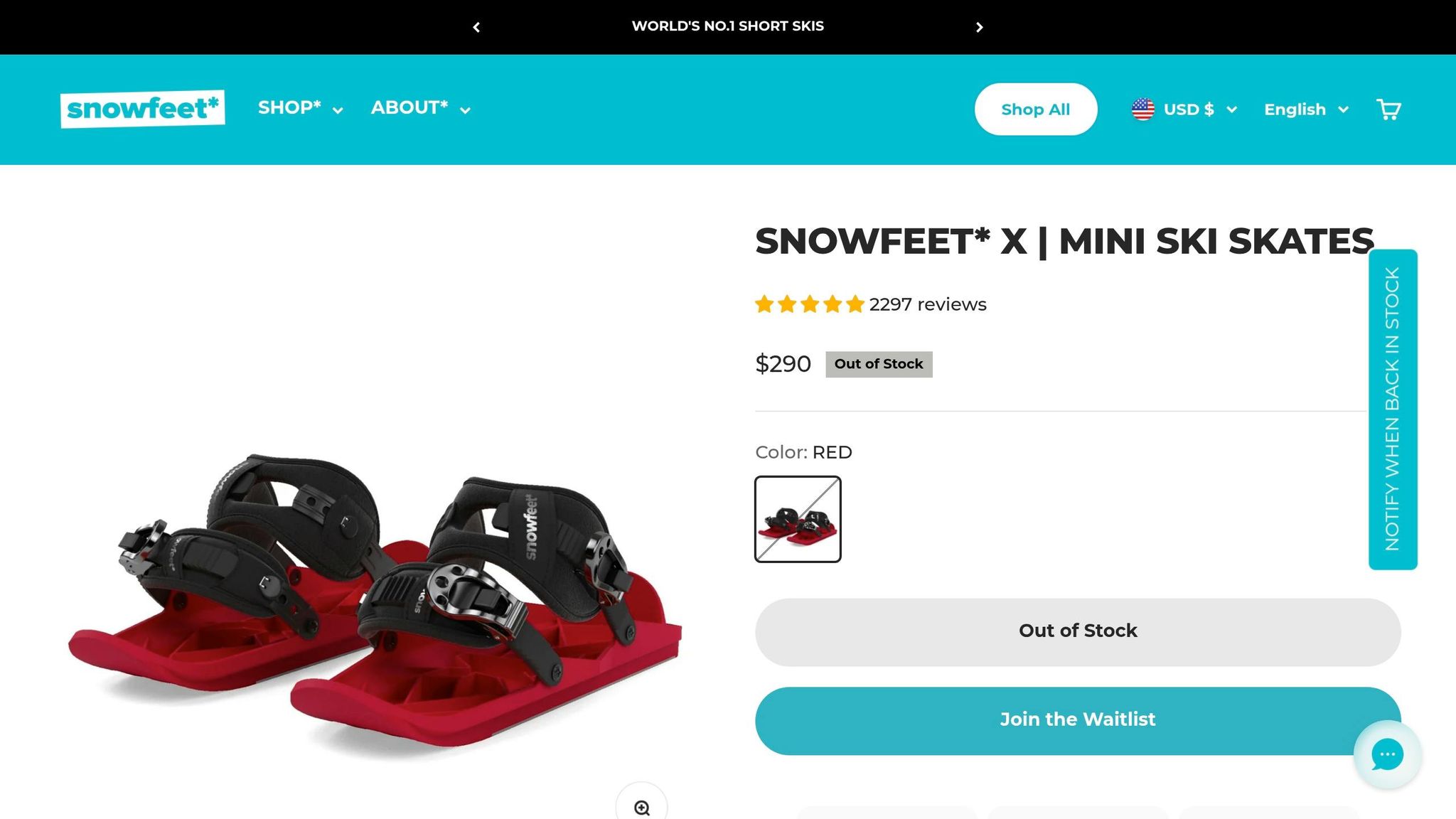
The Skiskates and Skiblades take things up a notch with upgraded construction. These models feature a wood or composite core, full metal edges, and a structured base, giving them a feel closer to traditional skis. The Skiskates come with adjustable bindings that work with ski or snowboard boots, while the longer Skiblades are equipped with standard alpine ski bindings.
On the slopes, these models offer more edge contact and stronger grip, making them great for harder snow conditions, like the firm terrain often found on the East Coast. They strike a balance between stability and maneuverability - more precise than the Mini Ski Skates but still far easier to handle in tight spots than full-length skis. This versatility makes them perfect for riders seeking a mix of control and ease.
Snowfeet Short Skis and Powder Models
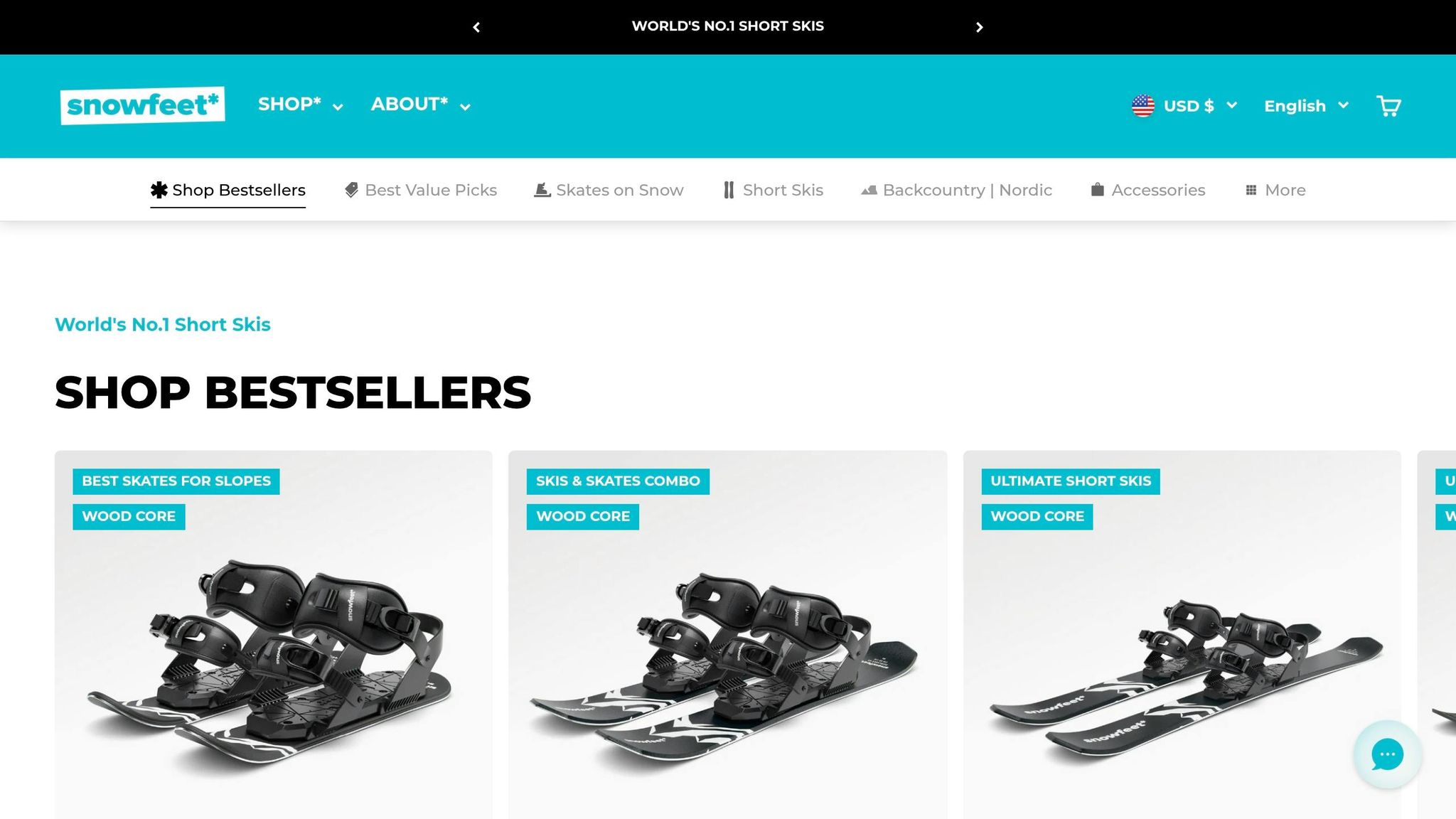
The Short Skis and POWDER models are the most traditional in Snowfeet's lineup. Both use standard ski bindings and boots and feature a pronounced sidecut, which helps the skis naturally carve into turns when tipped on edge. The POWDER model is wider at the waist, providing better floatation in soft snow, making it a great pick for powder days in the Rockies or Sierras. These skis offer a familiar experience for seasoned skiers, with the added perks of reduced weight and enhanced maneuverability compared to longer skis.
Here’s a quick comparison of the lineup to help you choose the right fit:
| Model | Length | Boot Compatibility | Best For |
|---|---|---|---|
| Mini Ski Skates | 38 cm (~15 in) | Winter boots, snowboard boots | Small hills, casual resort runs |
| Skiskates | 44 cm (~17 in) | Ski boots, snowboard boots | Resort terrain, parks |
| Snowfeet PRO | 50 cm (~20 in) | Winter boots, snowboard boots | Beginner/intermediate slopes |
| Skiblades | 65 cm (~26 in) | Ski boots | Parks, quick carving turns |
| Skiblades POWDER | 99 cm (~39 in) | Ski boots | All-mountain, powder snow |
| Short Skis | 120 cm (~47 in) | Ski boots | Groomers, variable conditions |
Learning Curve and Control: Snowfeet vs. Regular Skis
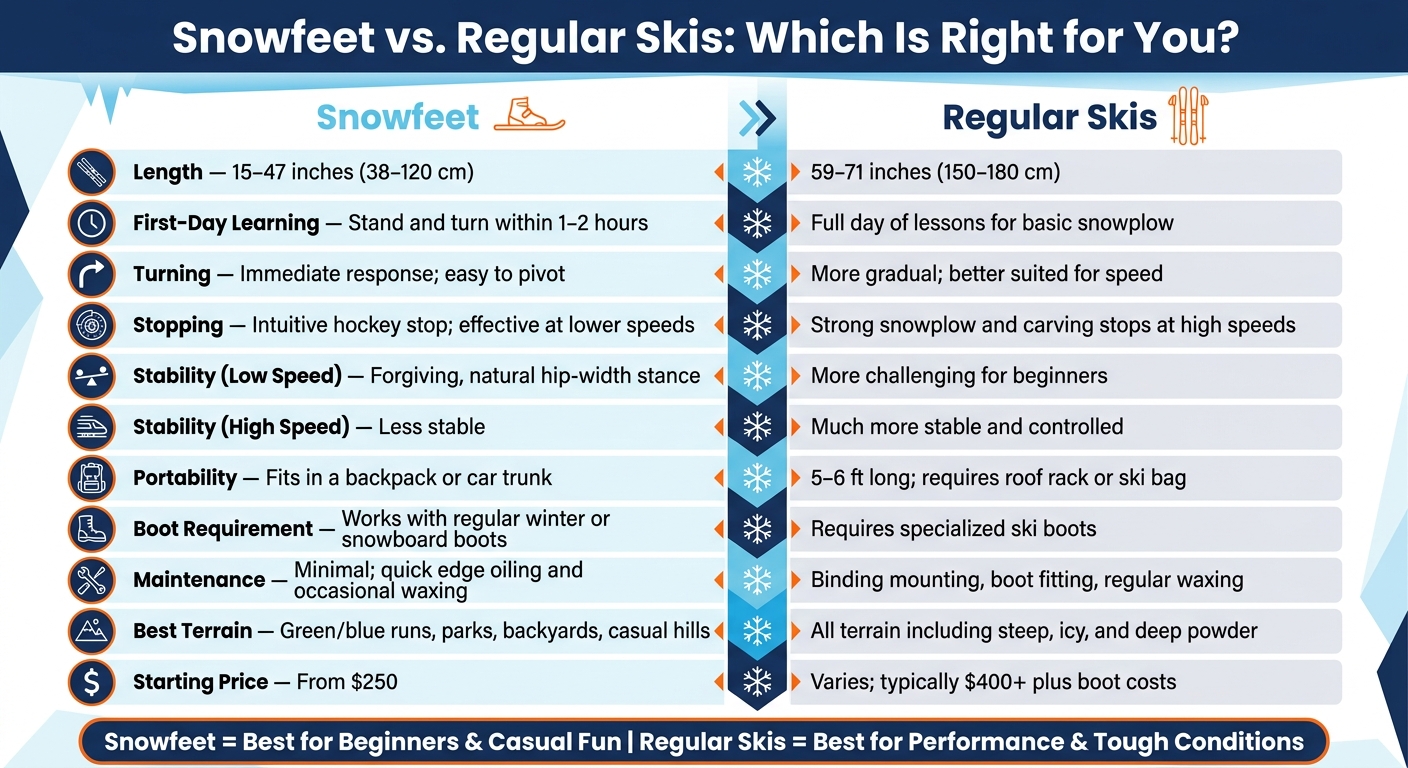
Snowfeet vs. Regular Skis: Which Is Right for You?
Why Snowfeet Are Easier for First-Time Riders
Traditional skis, which are typically 59–71 inches long, can feel overwhelming for beginners due to their size and the complexity of controlling them. Snowfeet, on the other hand, eliminate much of this challenge. Their short design keeps your feet close together in a natural, hip-width stance, making it feel more like walking or skating than skiing.
For those with experience in ice hockey or inline skating, the learning process is even quicker. The edging and weight transfer with Snowfeet mimic the natural movements of skating, so it doesn’t feel like starting from scratch. This is a stark contrast to traditional skis, where beginners often spend an entire day learning just the basics, like the snowplow and wedge turns. Snowfeet’s design not only simplifies the learning curve but also enhances responsiveness when it comes to turning and stopping.
Turning, Stopping, and Speed Control
With Snowfeet, turning is practically instant. The short platforms respond immediately to movements like hip rotation or ankle rolling, unlike traditional skis, which require more effort due to their longer tails. When you tilt the edge of Snowfeet Skiskates or Skiblades, they react right away, without the delay caused by a long tail.
Stopping is just as straightforward. The short edges make it easier to perform a hockey-style stop, where you can quickly scrub speed by pivoting across the slope. You can also use a simplified wedge stop without needing the wide, awkward stance required for a traditional ski snowplow. On green and mellow blue runs, this makes it easy to maintain control without relying on long, carved turns. However, on steeper or icy black runs, full-length skis still have the advantage, offering better edge contact and braking power. The quick responsiveness of Snowfeet adds to their overall stability, helping riders feel more confident on gentler slopes.
Stability at Low and Moderate Speeds
For beginners on gentle terrain, Snowfeet provide excellent stability. Your center of mass stays closer to the edge, making it easier to recover from small wobbles. If you catch an edge, it’s more likely to result in a minor stumble rather than a full-blown fall. This forgiving nature encourages a relaxed, athletic posture, which is far better than the stiff, defensive stance many new skiers adopt with traditional skis.
That said, the limitations of Snowfeet become apparent at higher speeds or on steep, icy terrain. Their shorter edges don’t provide as much grip or directional stability compared to full-length skis. Long skis are designed to handle speed and challenging conditions, making them the better choice for expert-level runs or high-speed carving. For everyday use on greens and mellow blues, though, Snowfeet offer the stability and ease most riders are looking for.
| Aspect | Snowfeet | Regular Skis |
|---|---|---|
| First-day learning | Stand and turn within 1–2 hours | Full day of lessons for basic snowplow |
| Turning | Immediate response; easy to pivot | More gradual; better suited for speed |
| Stopping | Intuitive hockey stop; effective at lower speeds | Strong snowplow and carving stops at high speeds |
| Stability (low speed) | Forgiving, natural stance | More challenging for beginners |
| Stability (high speed) | Less stable | Much more stable and controlled |
sbb-itb-17ade95
Portability and Convenience: How Snowfeet Beat Regular Skis
Compact Size and Light Weight
Let’s face it: lugging around traditional skis, which are typically 5–6 feet long, can be a real hassle. Crowded resort areas and tight storage spaces don’t make it any easier. That’s where Snowfeet Mini Ski Skates shine. At just about 15 inches (38 cm) in length - and even the longer Skiblades maxing out at 39 inches (99 cm) - they’re incredibly compact. This smaller size means they fit easily in a compact car trunk, don’t take up room on public transit, and can be stashed under a bed or in a closet during the off-season. Perfect for apartment living or anyone with limited space.
Boot and Binding Compatibility
Another plus? Snowfeet make your gear setup simple. Forget about those bulky, expensive ski boots. Snowfeet come with adjustable strap bindings that work with your regular winter boots or snowboard boots. No need for specialized gear or professional adjustments. They’re also designed to fit a wide range of sizes - typically men’s U.S. 6–13. This versatility makes them easy to share with friends or family, saving you both time and money.
Setup and Upkeep
Traditional skis can be a pain to maintain. Between professional binding mounting, boot adjustments, release testing, and constant waxing, it’s a lot of work. Snowfeet, on the other hand, are much easier. Their smaller surface area means waxing and edge sharpening take less time and use fewer materials. After each session, just dry and oil the edges to prevent rust, and wax the base occasionally to keep them performing well. This low-maintenance approach makes Snowfeet a great option for beginners or anyone looking for a hassle-free alternative to traditional skis.
Where Can You Use Snowfeet?
Snowfeet are incredibly versatile, making them a great option for a variety of terrains where traditional skis might feel cumbersome. Their lightweight design and easy-to-learn controls open up opportunities for fun in places you might not expect.
Resort Slopes and Snow Parks
Snowfeet are a great match for groomed resort runs, especially green and blue trails. Their compact size allows for quick turns and easy stops, making them perfect for casual runs. Just double-check that your resort permits short skis - Snowfeet usually qualify because they come with metal edges and leashes.
In snow parks, Snowfeet bring a whole new level of fun. Their small size makes tricks like spins, butters, and tackling rails or boxes much more approachable than with full-length skis. Start with smaller jumps and features while wearing a helmet and protective gear. Keep in mind, while their short length makes for easier rotations, it also requires a bit more focus to stay balanced.
And if you're feeling adventurous, Snowfeet can even take you off the groomed trails.
Off-Piste and Hiking Use
For short hikes and sidecountry laps, Snowfeet are a game-changer. Their lightweight and compact design mean you can easily pack them in a backpack, making it simple to transition from hiking to sliding. This convenience is a big plus compared to lugging around a full set of touring skis.
That said, they’re not built for every off-piste challenge. In deep powder or on steep, technical terrain, traditional skis still have the upper hand. Think of Snowfeet as your go-to for light, low-pressure adventures rather than intense alpine missions.
But Snowfeet aren’t just for the slopes - they’re great for everyday fun too.
Backyards, Parks, and City Hills
Snowfeet shine in casual settings where traditional skis would be overkill. Whether it’s a sledding hill in your neighborhood, a snow-covered golf course, or even a small slope in your backyard, they’re a practical and fun choice. The Snowfeet Mini Ski Skates are especially handy for these situations. You can strap them onto regular winter boots, adjust the bindings at home, and switch between walking and sliding in no time.
| Environment | How Well Snowfeet Work | Key Tip |
|---|---|---|
| Groomed resort green/blue runs | Excellent | Check if the resort allows short skis with metal edges and leashes. |
| Snow parks (jumps, rails, boxes) | Excellent for casual freestyle | Start small and wear protective gear. |
| Sidecountry / short hikes | Good for quick laps | Pack them in a backpack; avoid deep powder or steep, icy terrain. |
| Backyards, city hills, local parks | Excellent | Use mini skates with winter boots for easy walk-to-slide transitions. |
| Steep, icy black runs / deep powder | Limited | Traditional long skis are better suited for these conditions. |
Verdict: Are Snowfeet Actually Easier Than Skis?
For most beginners and casual riders, Snowfeet offer a simpler way to enjoy winter sports. Their shorter length makes them easier to control, allowing for quick turns at lower speeds and lessening the intimidation factor of those first runs. Many beginners can pick up basic turns within just a few runs, unlike the full day of lessons often needed to get comfortable with traditional skis.
That said, the ease of use depends on what you're looking to do. If you're aiming for high-speed carving, tackling tough conditions, or floating through deep powder, traditional long skis are the better choice. Snowfeet aren't built for high-speed performance - they're more about being portable and accessible for everyday fun. Here’s a quick look at the different models and who they’re best suited for:
| Snowfeet Model | Best For | Starting Price |
|---|---|---|
| Mini Ski Skates / PRO | Beginners, travelers, casual hill fun | From $250 |
| Skiskates / Skiblades (65 cm) | Intermediate riders, snow parks, groomed runs | From $575 |
| Short Skis (120 cm) / Powder (99 cm) | Riders seeking more speed and versatility | From $675 |
So, while traditional skis shine in performance-driven scenarios, Snowfeet focus on being easy to use and ultra-portable, making them a great option for everyday adventures.
FAQs
Can Snowfeet be used at any ski resort?
Yes, you can use Snowfeet at many ski resorts that permit snow activities, making them a fun and practical choice for winter adventures. Unlike traditional skis or snowboards, Snowfeet are lightweight, compact, and simple to use. They work well on different terrains and are a great option for those who want to enjoy the snow without the hassle of bulky gear. Perfect for beginners or anyone looking to explore snowy landscapes with ease!
Do I need ski boots for Snowfeet?
Nope, you don’t need traditional ski boots to use Snowfeet. These are made to fit with regular winter boots, which makes them way more convenient and portable compared to traditional skis or snowboards. Plus, this design makes learning easier and gives you better control, no matter your skill level.
Which Snowfeet model should I buy?
Choosing the right Snowfeet model depends on your experience level and what you want to achieve on the slopes. If you're just starting out, the 50cm model is a great choice. It’s designed to offer more stability and make controlling your movements easier, which helps you learn faster.
On the other hand, if you’re an experienced rider looking for speed and flexibility, the 65cm and 99cm Skiblades are the way to go. These models are built for advanced users who want to push their limits and enjoy a more dynamic ride.
For beginners, the 50cm model is the perfect way to get comfortable with snow skating and build confidence on the snow.











اترك تعليقًا
This site is protected by hCaptcha and the hCaptcha Privacy Policy and Terms of Service apply.